
Quick Take
- Young lizards must complete a full molt every few weeks to sustain developmental growth.
- The ecdysis cycle causes skin to turn cloudy, creating a visual hazard for the animal.
- Lizard skin lacks the stretching capacity of human skin.
- The nasal clearing stage is necessary because respiration traps shed inside the cavity.
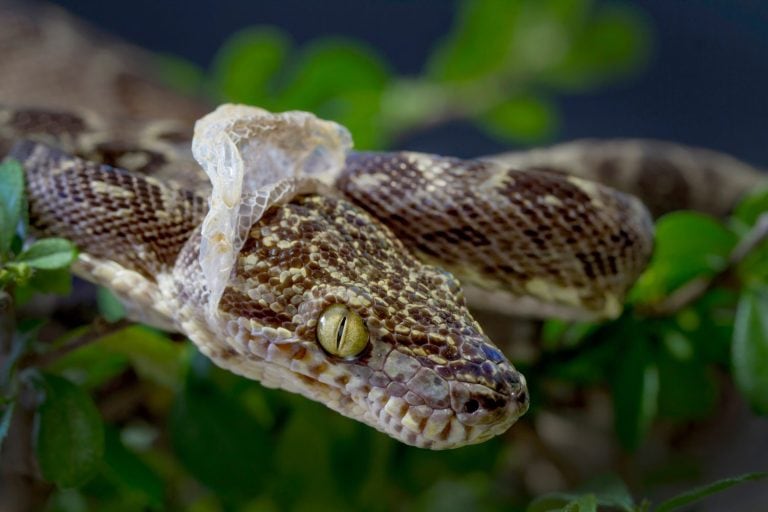
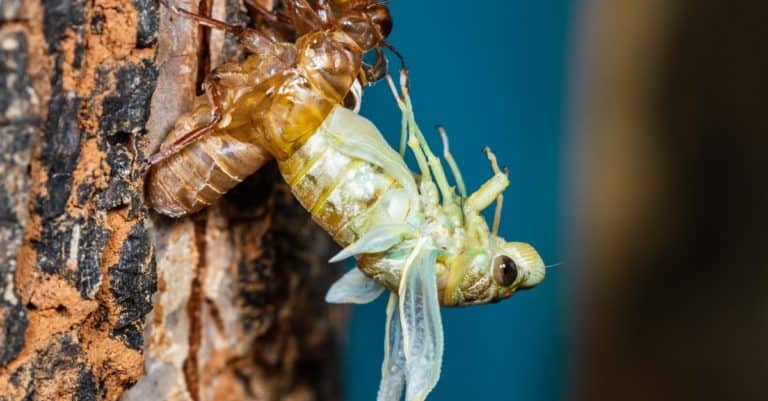
Many lizards and insects shed their skin as part of their growth. Molting is essential as they grow larger and older, and it can be quite satisfying to see. But did you know that lizards can even shed skin from inside their noses? This Instagram post by @thelizardwizards shows the satisfying moment when molted skin is pulled from the lizard’s nose. Read here to learn about lizards shedding their skin.
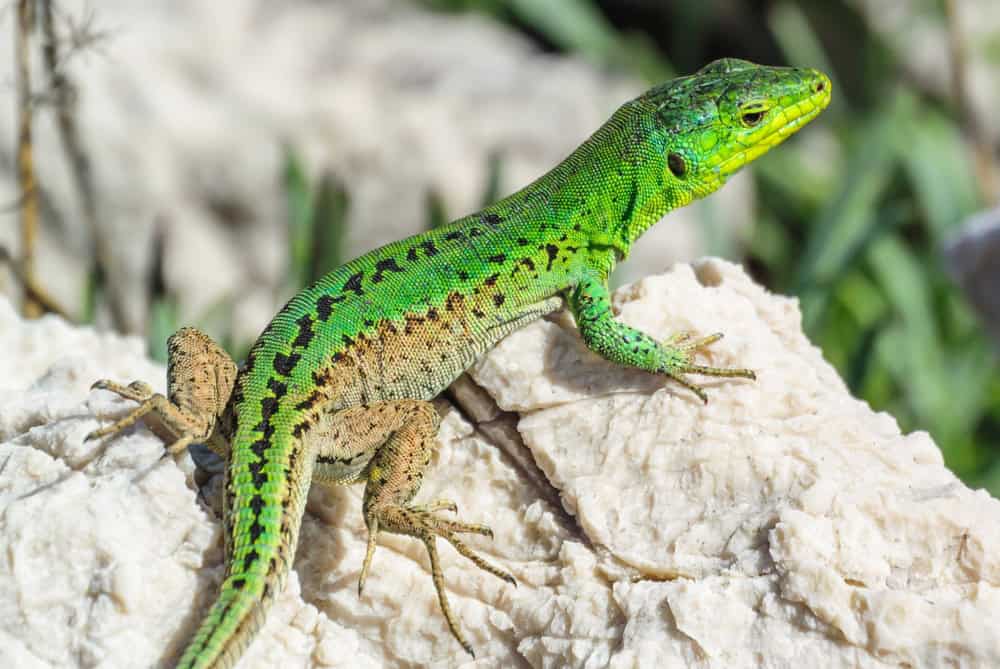
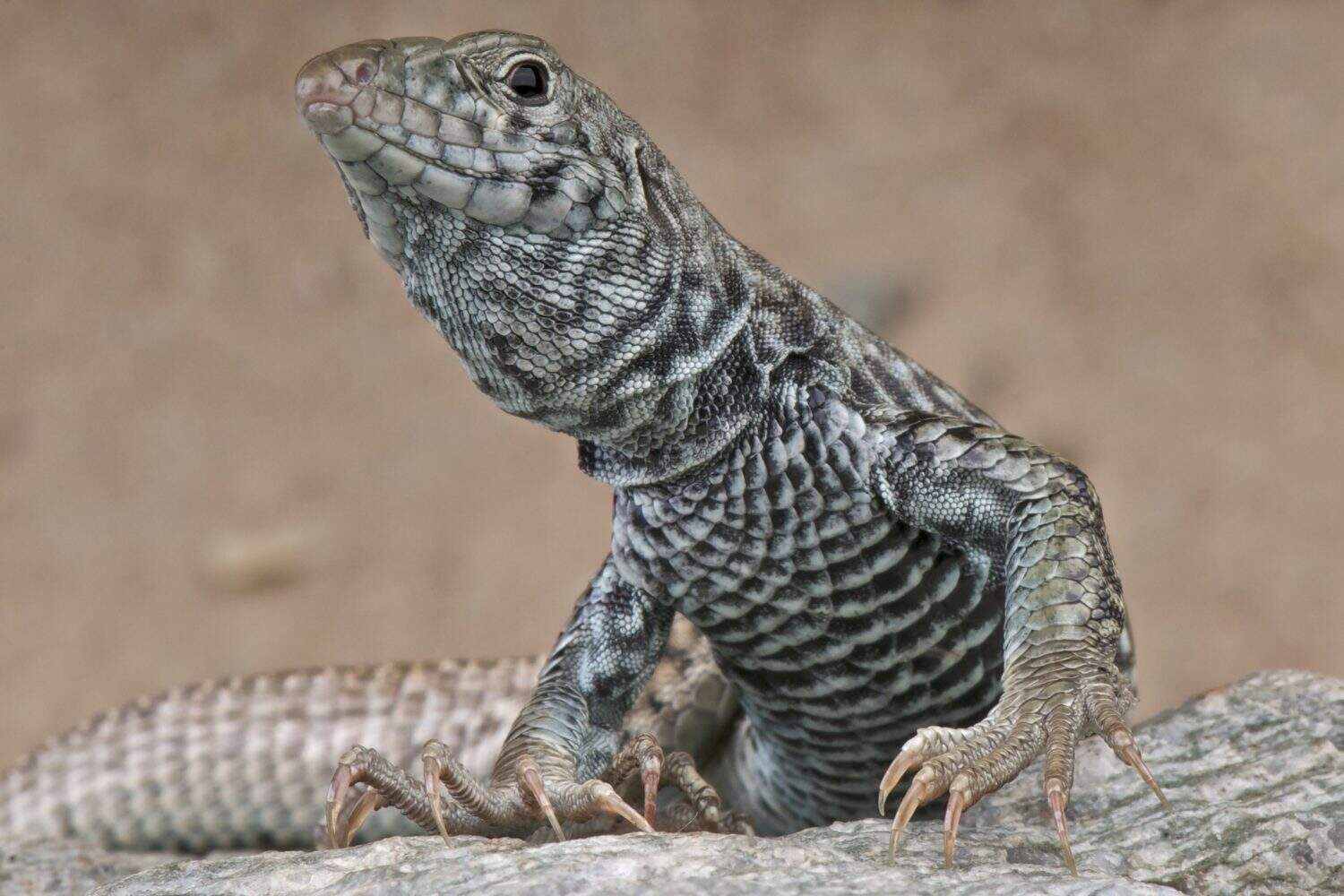
Lizards shed their old skin, not just because of growth, but also to remove parasites.
©Simlinger/Shutterstock.com
Satisfying Shedding
Shedding is an essential trait for lizards. Unlike human skin, which stretches as we grow, lizard skin does not. When lizards grow, a new layer forms underneath the old one, pushing the old layer off as the lizard grows. Therefore, as long as a lizard grows, shedding is essential. Even after regular growth stops, shedding still has many benefits.
These benefits include replacing damaged skin, removing parasites from the old layer, and restoring skin function. It’s a form of biological grooming that helps lizards stay healthy. The frequency of shedding depends on several factors, such as species and age. Young lizards may shed every few weeks as they grow. As adults, they typically shed a few times a year.
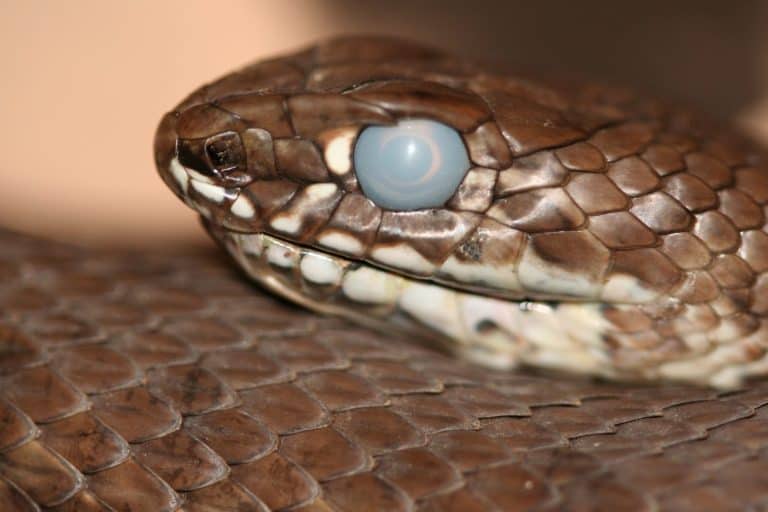
A typical shed cycle is known as ecdysis. At the start of the process, a new layer of skin forms under the old layer. As the new layer forms, a fluid known as molting fluid forms between the old and new skin. This fluid loosens the old skin. The old skin becomes dull and cloudy in appearance, which is a sign that it is about to come off.
At this time, lizards will typically rub themselves against different surfaces to flake and peel off their old skin. While many snakes shed their skin in a single piece, and some insects molt by leaving behind their exoskeleton, lizards typically shed their skin in pieces and patches. This is why the lizard in the video appears to shed skin from inside its nose.
Shedding from inside the nostrils is not commonly observed because the internal lining of the nasal cavity is not typically shed like the outer skin. However, pieces of shed skin from around the nostrils can sometimes become lodged or appear to be coming from inside the nose. In these cases, old, already shed skin may become caught in the nasal cavity due to breathing, creating the illusion that the nose itself is peeling.