
Quick Take
- The silk wrap isn’t usually for killing the prey, and what does is far more unsettling. See what really kills prey →
- Spiders don't chew their meals. Their real feeding method sounds like something from a horror film. Discover how spiders actually feed →
- Spider silk begins as a liquid inside the body, and the process that turns it into one of nature's toughest fibers is stranger than it sounds.
- An orb weaver can fully immobilize prey in seconds, though speed is only part of what makes this hunting strategy so ruthlessly efficient. Watch the wrapping strategy unfold →
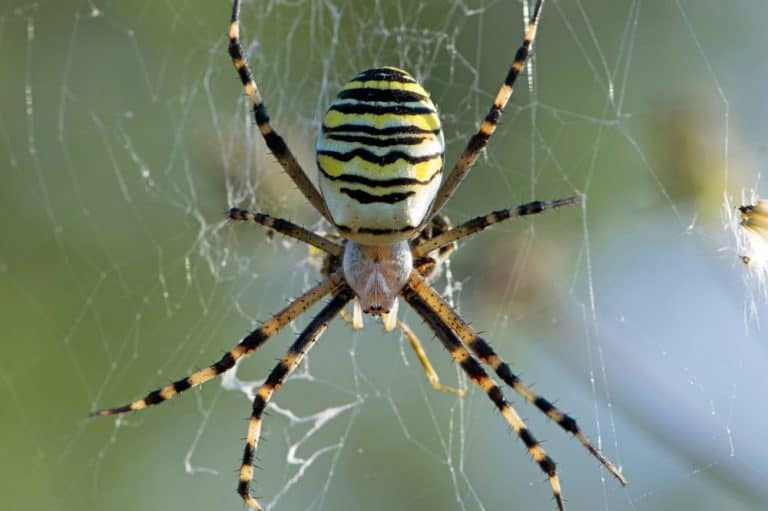
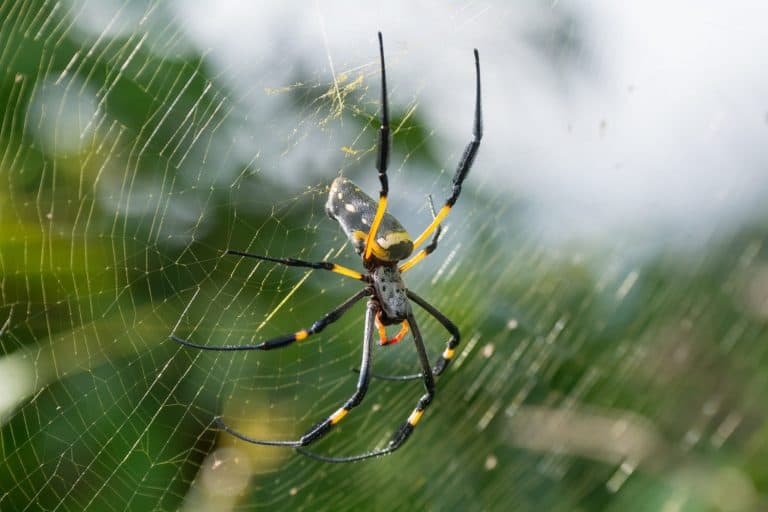
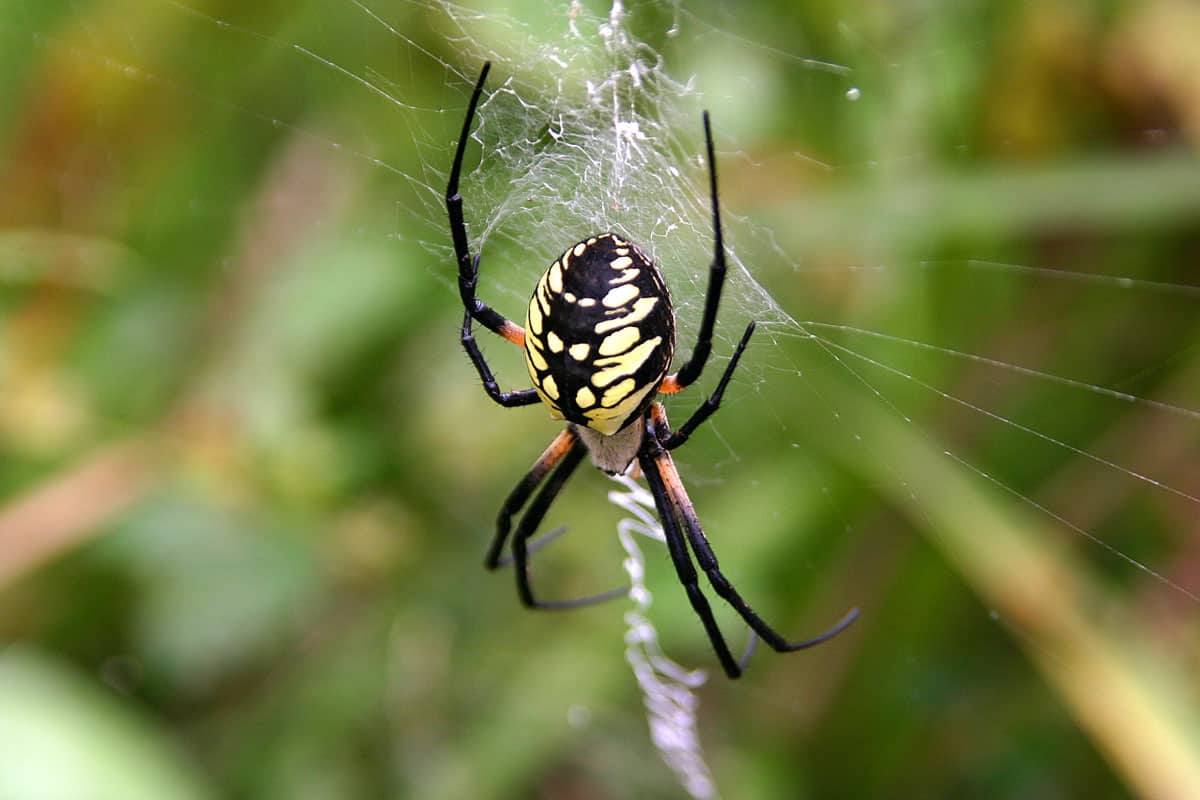
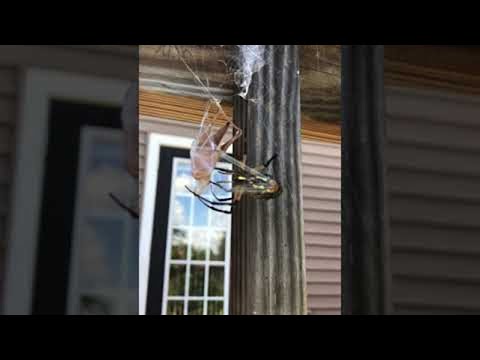
Spiders are famous for their amazing hunting style. Waiting for prey to get stuck in their webs, they quickly move in and immobilize them with both paralyzing venom and thick silk. One example is the yellow garden spider, a species of orb weaver that is a master of its craft. This YouTube Short by @viralhog shows one of these spiders wrapping up a cricket in mere seconds. Read here to learn more.
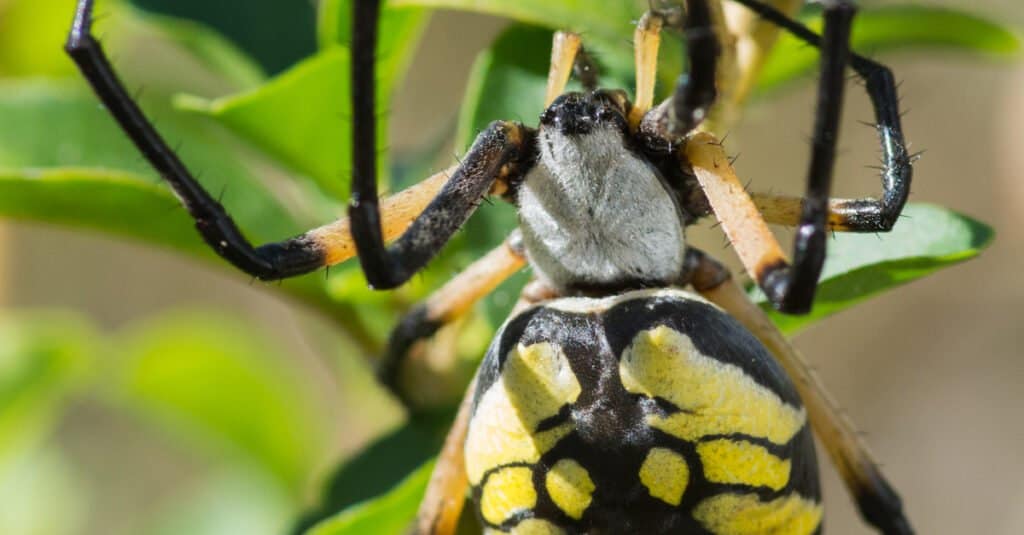
Garden spiders construct distinctive radial-style webs perpendicular to the ground.
©Tom Franks/Shutterstock.com
How Orb Weaver Spiders Hunt
While yellow garden spiders are impressive spiders, orb weaver species as a whole are incredible at using their silk. In the video above, a cricket is given to the spider, which then quickly wraps it up to eat later. This process is similar to what happens in nature, though without human involvement. Spider webs are incredibly sensitive to movement, and when prey gets caught in them, spiders can instantly detect it. Orb weaver spiders are famous for their speed when wrapping up prey, with most species being able to do so in just a few seconds, like the video above.
Using their legs, they rapidly spin their prey in the silk, mummifying it to eat later. Their silk comes from spinnerets, structures located at the end of the abdomen. The silk that they produce is originally a liquid made of proteins, and when sent through the ducts of the spinnerets, are stretched into solid fibers.
What Happens to Prey?
After wrapping, what happens to their prey? While it may look like they will suffocate, the silk is mostly for immobilizing them. To truly kill them, orb weavers bite and inject venom, which will paralyze the prey and ultimately lead to its death. Orb weaver spider venom contains neurotoxins that interfere with the nervous system, primarily targeting small invertebrate prey such as insects and causing rapid paralysis or total immobility. It also has digestive enzymes that liquefy tissue, making the chances of recovery for prey almost impossible. It sounds like something out of a horror movie, but liquefying the insides of their prey is how spiders consume them. Rather than biting and chewing, they use a “stomach pump” to suck out the tissue into their bodies, leaving behind a hollow shell. This intense way of hunting highlights the ingenuity of spiders and the lengths to which they must go to survive.