
Quick Take
- Red fox vocalization levels increase in late winter, typically peaking in January and February in many regions due to their breeding season, though the timing can vary by location.
- Their single-syllable scream signature creates a humanlike call, which can prove unnerving.
- Cold air also alters how far their screams travel, which can make foxes sound much closer than they actually are.
- Ensure your property isn’t attracting red foxes by removing food sources and scaring away any that may attempt to venture close to your home.
It isn’t Halloween season, so why are you hearing terrifying screams in your local forests? There’s one particular reason for that, which depends on where you live. In late winter, red foxes get loud, with February being the month when most of their noise occurs, depending on your local region.
Foxes usually keep to themselves, but February is typically when they start moving in pairs, leading them to call back and forth to one another, especially after dark. Cold air also helps sound carry farther, so a fox a few houses away can feel like it’s right outside your window. Eerie, right? Why are foxes calling to one another this month, and what does it mean for your once-peaceful winter evenings?
This is a neighborhood guide to what’s happening with red foxes in February, how to distinguish fox calls from other nighttime noises, why foxes look so vibrant in winter, and what to do if one starts acting a little too comfortable around your yard.
What Does a Red Fox’s Scream Sound Like?
Wildlife agencies reportedly hear complaints about screaming foxes constantly during February, and people often say they’ve heard a raspy, single-syllable scream or bark repeated every few seconds. This is what red foxes sound like, and it’s the pattern of their calls that makes it sound absolutely unsettling, even when it’s technically normal for fox communication.

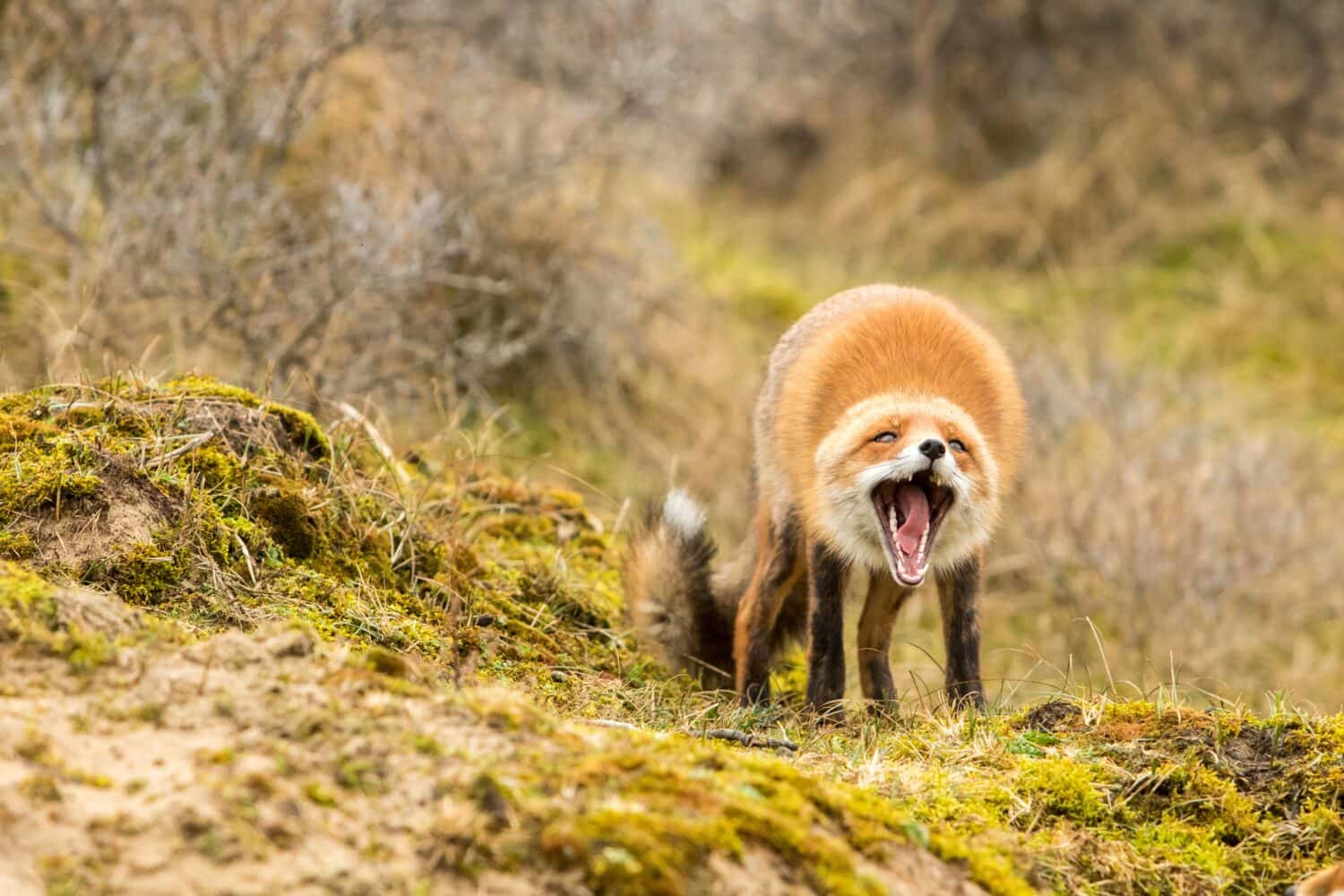
Foxes scream during their mating season, making a chilling sound at night.
©Scalia Media/Shutterstock.com
Foxes also bark, yowl, make chattery noises, and even growl, but the scream-like call is the one that gets mistaken for a person. Some people call emergency hotlines instead of animal control units, given just how human-like it can sound. If you hear a repeated call with a steady rhythm at night in your forested neighborhood, the repetition involved is often the telltale sign that you’re listening to fox behavior instead of a human.
How to Tell Fox Screams From Other Animal Sounds
If you’re curious about how to tell the difference between red fox calls and other animal noises, here’s a quick guide. These animals also tend to call around the same time as red foxes, but they are easy to distinguish once you get the hang of it:
- Red fox: scream-bark or raspy yowl patterns that may repeat every few seconds, sometimes with a second fox answering back.
- Coyotes: yips and howls that build into a group chorus, involving an entire pack rather than a single animal or pair.
- Barred owl: a unique and well-documented “who cooks for you” cadence, which is steadier and more musical than fox calls.
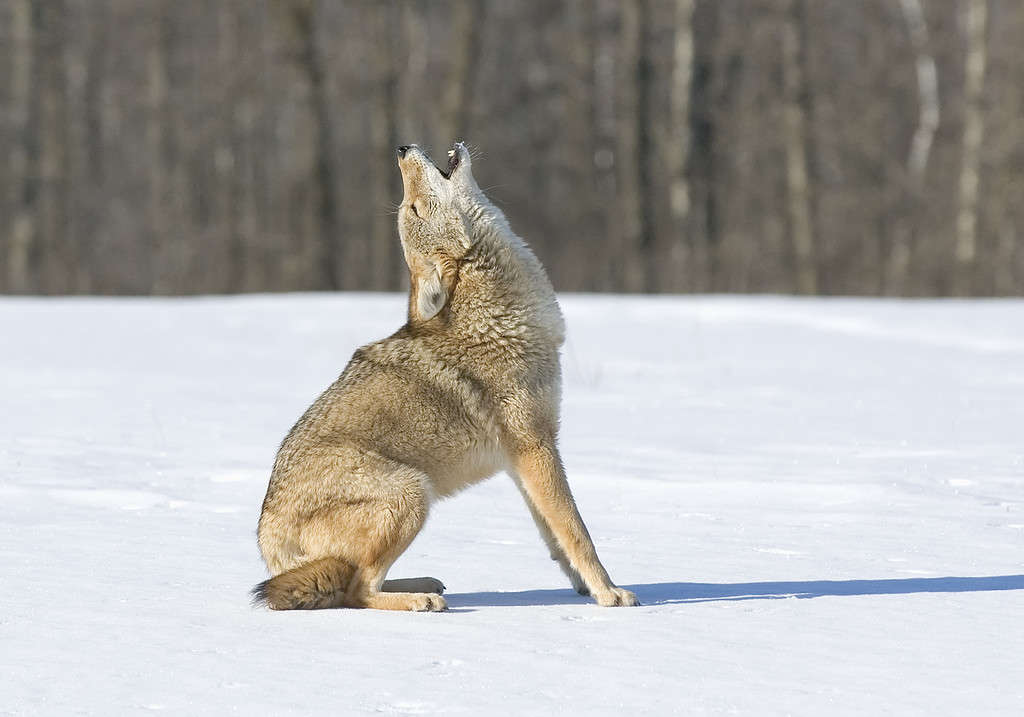
Coyote howling tends to sound more like a pack, while foxes will scream as individuals.
©John Pitcher/iStock via Getty Images
If you can safely record the calls from indoors, use the rhythm and spacing to identify the animal. If it truly sounds like a human scream, there’s no harm in calling an emergency hotline, especially if you can’t determine whether it’s a fox making all the ruckus.
Why Foxes Are More Vocal and Visible in Late Winter
Across multiple state wildlife resources, red fox mating season spans from December through March. An increase in barking before breeding is common, with partnering up and mating usually occurring in January and February. That’s why these are the months when neighborhoods start noticing the eerie noise.
Red foxes can often be heard barking at night in late winter as they make their presence known to the opposite sex, and these calls can continue as the foxes meet and travel together. However, February may not be the exact month in your state.
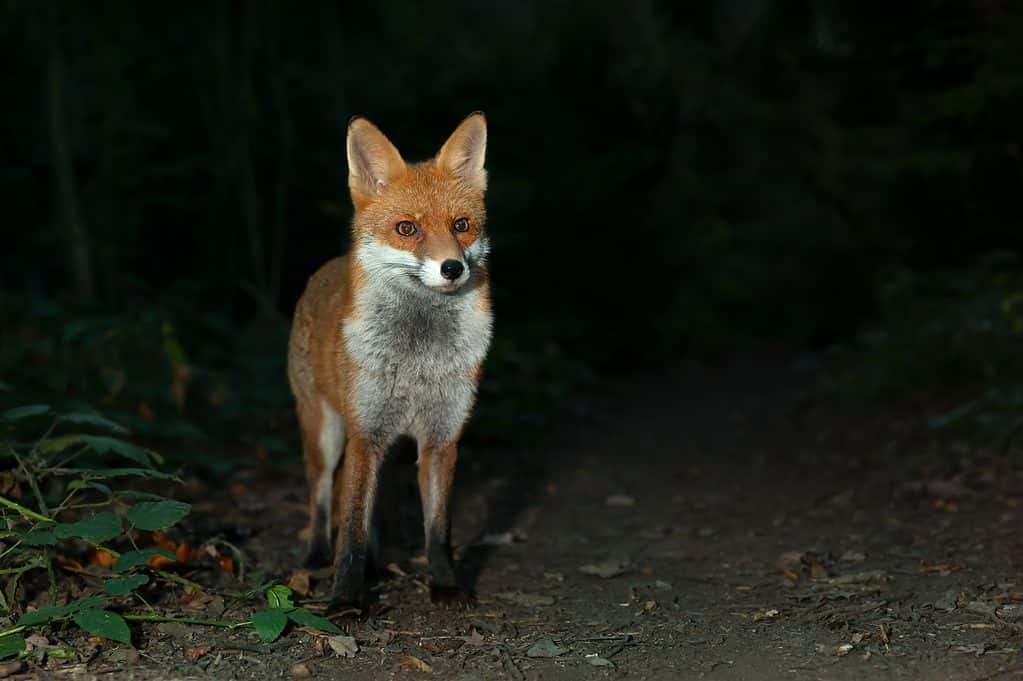
Most locations experience red fox screaming in February the most, but your specific region may differ.
©Giedriius/Shutterstock.com
If you’re not in the Northeast, for example, the same general pattern shows up, but mating may occur anytime from late December through March, depending on the local climate and region. While January and February are still the red fox’s busiest months, it all depends on where you live. It may be important to monitor fox activity in your local area, as these carnivores can cause trouble if your property attracts them.
Why Their Winter Coats Look So Good
Even if screaming foxes can be annoying, they are often beautiful to behold. In fact, red foxes often look extra vivid in mid- to late winter because their winter coat is at its fullest. With a coat that is typically much more striking during the winter months, fox fur combines dense insulating underfur with longer guard hairs that help shed moisture. Their layered structure is part of why a fox can look puffed-up and glossy even in cold, wet weather, and it helps keep them warm, too.
Why Foxes Get Bolder During the Month of February
Given the increase in activity for foxes during late winter, you may notice them more. While this isn’t necessarily a bad thing, red foxes can become nuisances in your backyard.
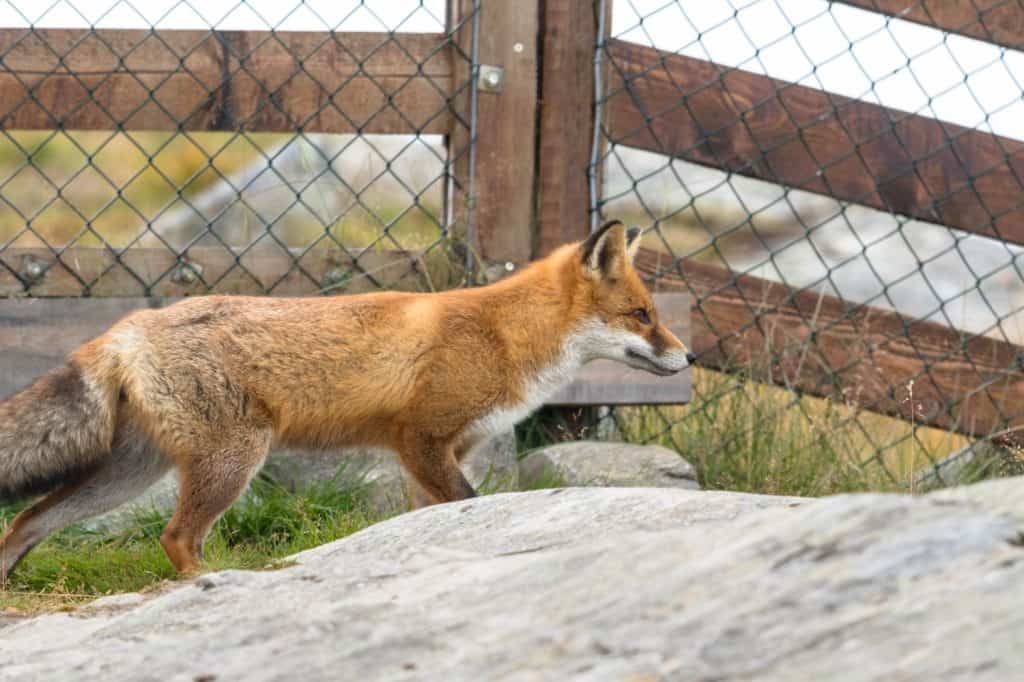
Foxes may be more active around your yard during February due to their mating season and potential attractants.
©Lillian Tveit/Shutterstock.com
A few common reasons foxes start showing up more in yards during late winter include:
- Pairs cover more ground as they travel and communicate, potentially traversing through yards or along property perimeters.
- Food is scarcer in winter, so the edges of neighborhoods can be productive hunting zones.
- Foxes will take advantage of easy food sources, especially if trash, outdoor pet food, compost, or fallen fruit is readily available.
According to Rutgers’ red fox guidance, foxes can easily lose their fear of people if they’re fed or repeatedly rewarded with food. Once habituated, they can become bolder around homes and more likely to prey on small domestic animals, which is why removing attractants is so important. If you notice a fox in your yard during their breeding season, here are some tips.
What to Do If a Fox Is Hanging Around Your Yard
If you’ve encountered foxes regularly patrolling your property and growing bolder, especially in winter, start with these steps, which typically change their behavior quickly:
- Remove any and all attractants: secure trash, bring pet food inside, clean up fallen fruit, and keep compost sealed so foxes don’t sniff it out.
- Supervise small pets outdoors, especially at dawn, dusk, and night, as that’s when foxes are most active and hungry.
- Use simple hazing for repeat visitors: clapping, a firm voice, motion lights, or even a good spray from a garden hose can teach foxes to maintain their distance without escalating the situation or using harmful retaliation.
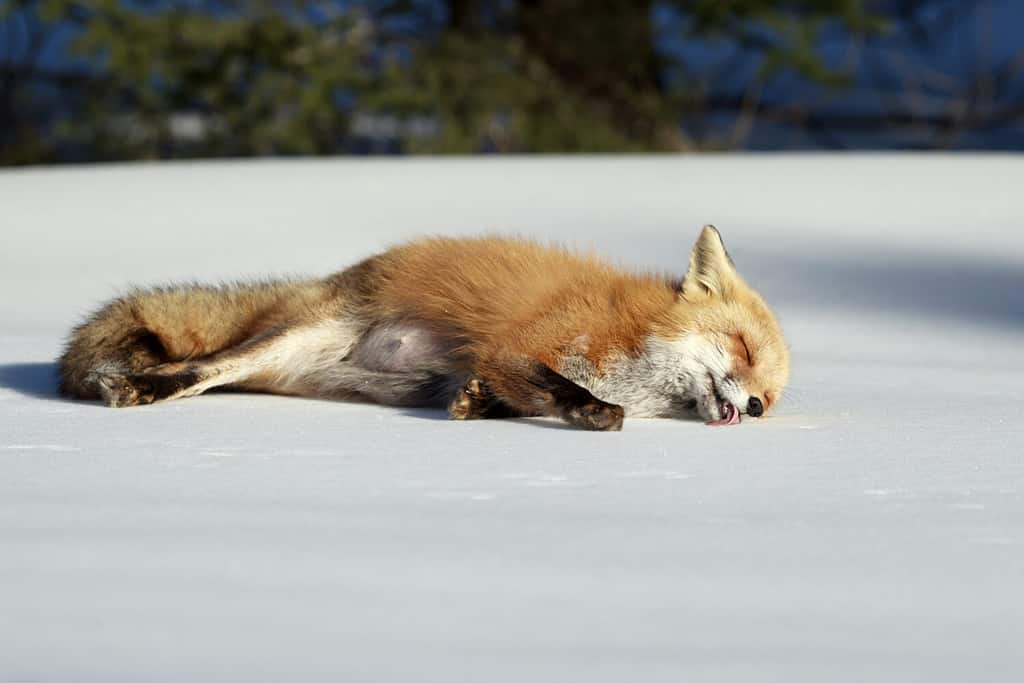
It’s important to never feed a wild fox, no matter how much you may want to.
©Christopher MacDonald/Shutterstock.com
All advice for wild animals includes not feeding them, no matter how hungry they may seem. A fox that knows you have food for it will readily return, which can harm both your local neighborhood ecosystem and the ability of that fox to remain wild in the long run. Don’t do it; wild animals are wild for a reason.
When to Call the Experts for Fox Help
Most February fox behavior is normal, but these are the situations that may be causes for concern, and where you should loop in the professionals:
- A fox that appears disoriented, can’t walk normally, has seizures, or shows unusual fearlessness around people may be experiencing a medical or behavioral issue.
- A fox repeatedly trying to enter a home, garage, or enclosed porch area may be attempting to make its den on your property, or has become too accustomed to humans for its own safety.
- A fox with severe hair loss or an obvious injury that doesn’t move away when you make noise may need medical assistance; don’t try to provide that assistance yourself.
For immediate safety concerns, call your city or county animal control or your local non-emergency dispatch line, as they can advise on next steps and route wildlife issues appropriately. For ongoing nuisance guidance, your state wildlife agency typically has a conflict or nuisance wildlife contact pathway, and those staff can recommend the right approach.

Fox vocalizations include yips and barks, which can travel great distances.
©Giedriius/Shutterstock.com
Halloween Didn’t Arrive Early; It’s Just Foxes
Fox screams in late winter may sound terrifying, but they’re rooted in courtship and territorial communication. If the sound is keeping you up at night, consider what you can do to clean up around your property. If you’ve done all you can, just know it isn’t forever. It’s just red foxes bringing a little bit of eeriness to the month of February!