
Quick Take
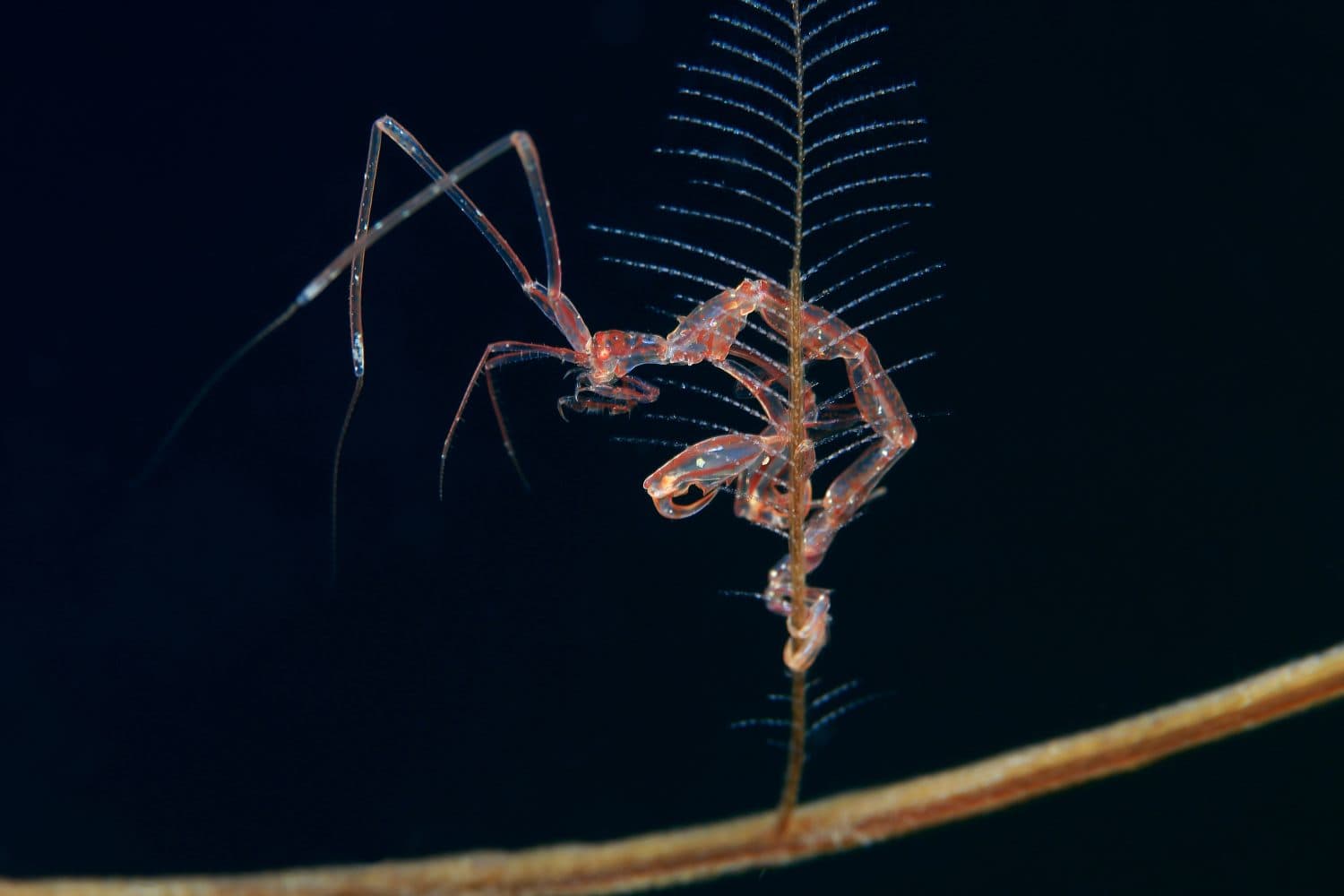
- Japanese skeleton shrimp are thin, stick-like crustaceans that belong to the amphipod group rather than true shrimp.
- Native to Japan, the species has spread to coastal waters in North America and Europe, where it often attaches to buoys and seaweed.
- These tiny animals gather in dense clusters and feed by grabbing drifting algae, larvae, and particles from the water.
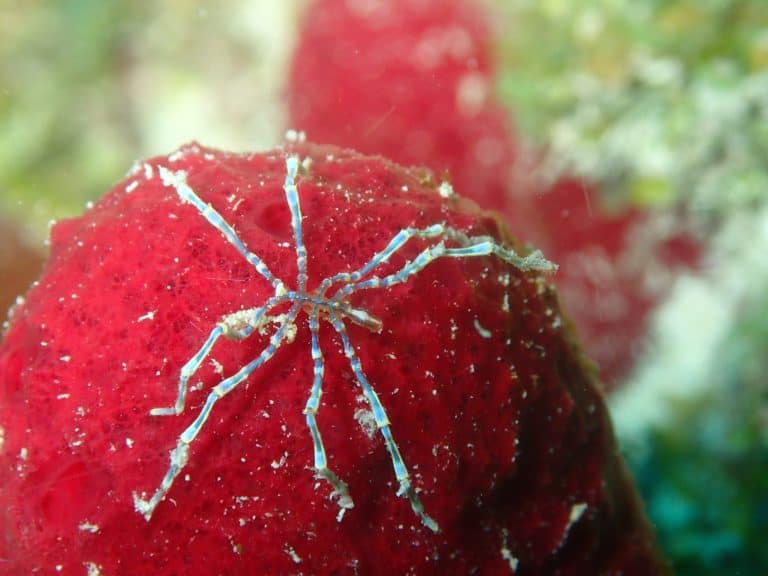
Shrimp are some of the most diverse animals on the planet. With so many species, each has its own unique features. One example is the Japanese skeleton shrimp. These shrimp are rarely seen because they typically live on buoys or other underwater structures. This Instagram post by @brittbwild shows one of these tiny shrimp. Read here to learn more about the Japanese skeleton shrimp.
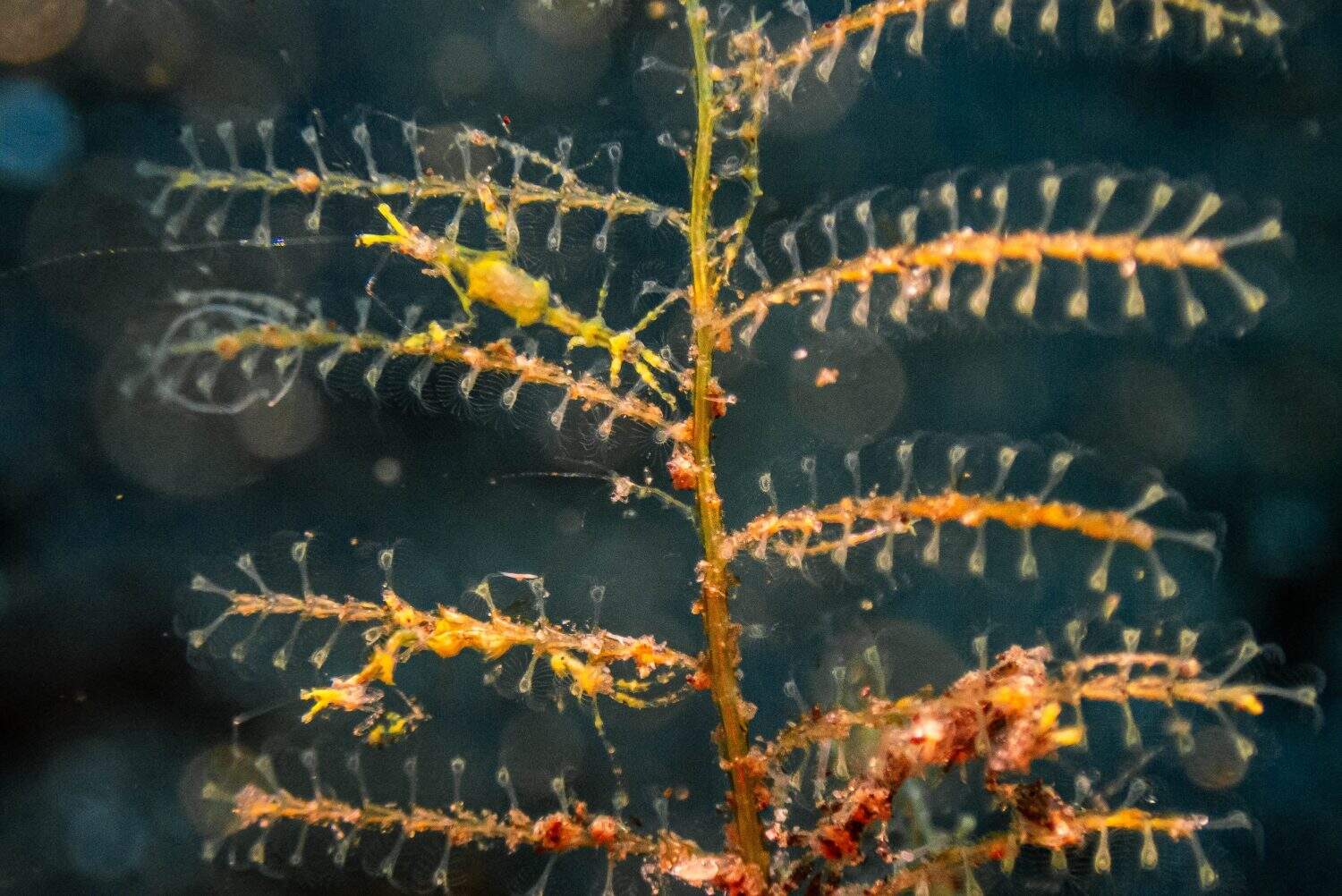
Skeleton shrimp often live in dense clusters together.
©sukanya thanajaroentham/Shutterstock.com
Japanese Skeleton Shrimp
The video above shows the tiny, plant-like Japanese skeleton shrimp. These shrimp are part of the Caprellidae family, also known as the skeleton shrimp family. Rather than being true shrimp, they are crustaceans in the Amphipoda order, meaning they are more closely related to amphipods than normal shrimp. Their name is a clear reference to their extremely thin and stick-like bodies that make them look skeletal. As the name also suggests, this specific species is native to Japan. However, Japanese skeleton shrimp have also spread to many regions outside their native range, including the coasts of Canada, the United States, and parts of Europe. These shrimp cling to seaweed, underwater structures, and buoys. Because their tiny bodies are not adapted for swimming, they attach themselves to surfaces and wait for food to drift by.
Japanese skeleton shrimp are extremely small, typically growing up to about 2 inches in length, though many individuals are smaller. Their bodies are thin, with long legs and arms, and are an orangish-brown color. It is common to find them in dense clusters, as shown in the video. When one finds a suitable spot, many others gather in the same area. This behavior is not due to social tendencies, but rather because the location is stable and provides abundant food. Japanese skeleton shrimp are opportunistic feeders, meaning they eat whatever they can find. This includes algae, small animal larvae, or other particles floating in the water. They grip surfaces with their legs and wave their arms outward to catch food particles. They are also important parts of the food chain themselves. Other fish, sea slugs, and even larger shrimp commonly feed on them. Their dense groupings make them an ideal source of quick nutrients for predators and an essential part of the ecosystem.