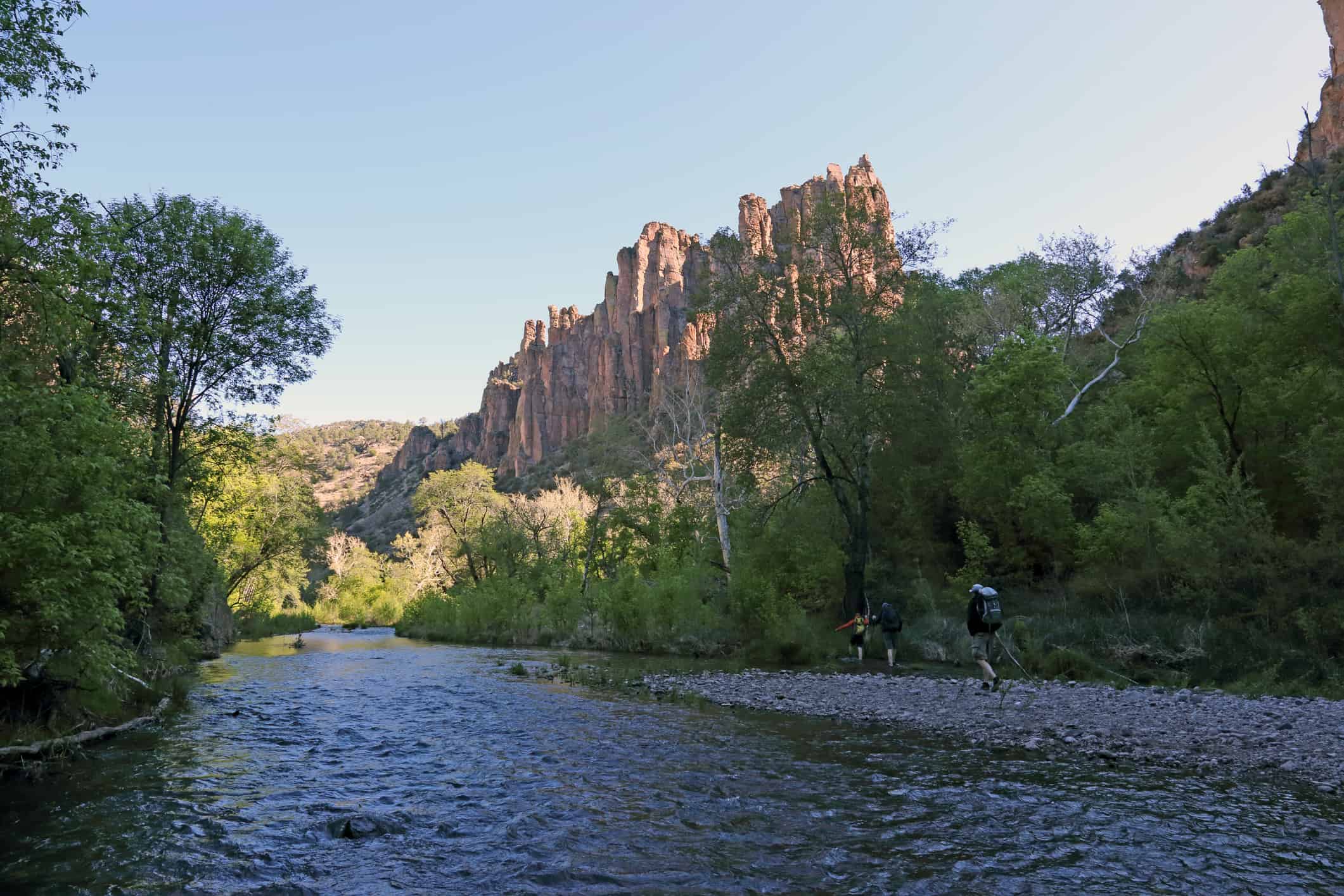

The Gila River winds through one of the harshest environments in North America, crossing deserts, canyons, and floodplains on its journey from western New Mexico through Arizona. Though much of its flow has been diverted or reduced, the stretches that remain free-flowing still harbor a remarkable diversity of life. Despite searing heat and fluctuating currents, the river’s narrow ribbon of green links otherwise dry and lifeless landscapes in a network of survival.
Gila Chub (Gila intermedia)
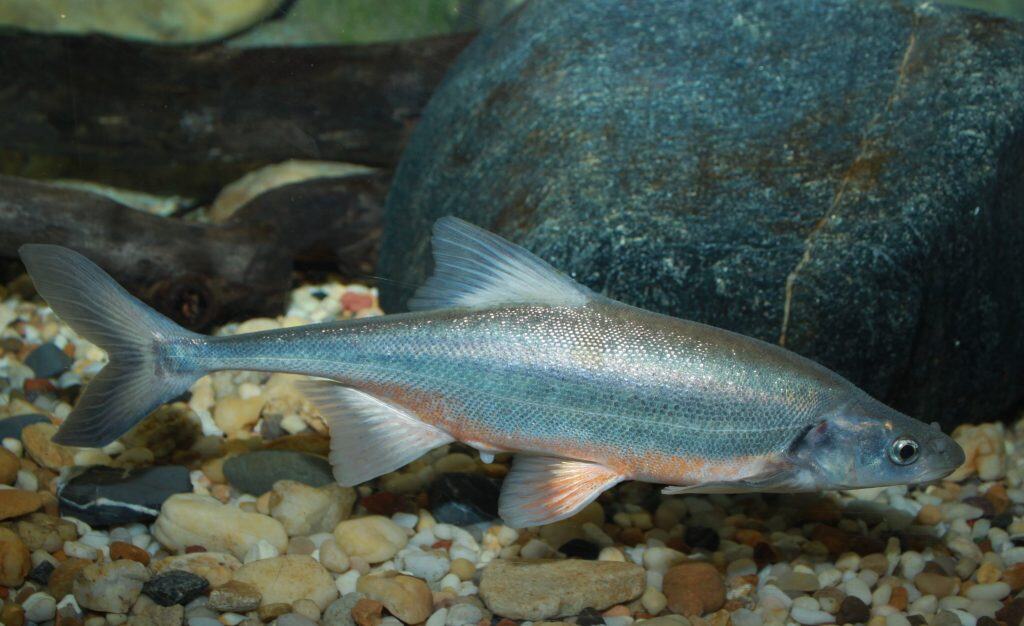
Gila Chub (Gila intermedia)
©"File:Bonytail chub or bonytail, Gila elegans.jpg" by Brian Gratwicke is licensed under BY 2.0. – Original / License
In the slower, silt-lined waters of the lower Gila lives the hardy Gila chub. Rounded and thick-bodied, this fish shelters in weedy backwaters and side channels, feeding on aquatic insects, small crustaceans, and algae. It withstands fluctuating flows that transform calm pools into torrents, surviving by burrowing into damp sediments during drought. The Gila chub’s decline in many stretches has spurred recovery programs that aim to reestablish stable populations.
Spiny Softshell Turtle (Apalone spinifera)
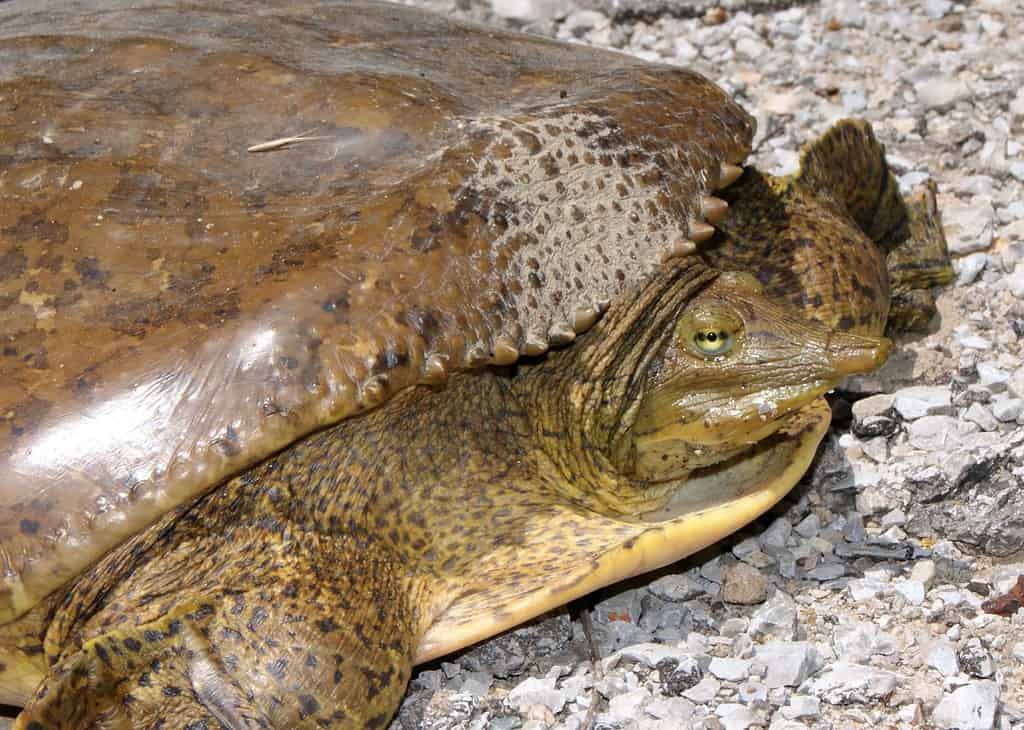
Spiny Softshell Turtle (Apalone spinifera)
©Matt Jeppson/Shutterstock.com
Along the Gila’s sunlit sandbars, the spiny softshell turtle slides like liquid into the current. With its flattened shell and snorkel-like nose, this turtle breathes while half-buried beneath sand and silt, waiting for passing fish or insects. It rarely leaves the water except to bask. Its speed and flexibility make it one of the river’s most agile predators, while its shell protects it from all but the strongest and most determined predators.
Gila Monster (Heloderma suspectum)
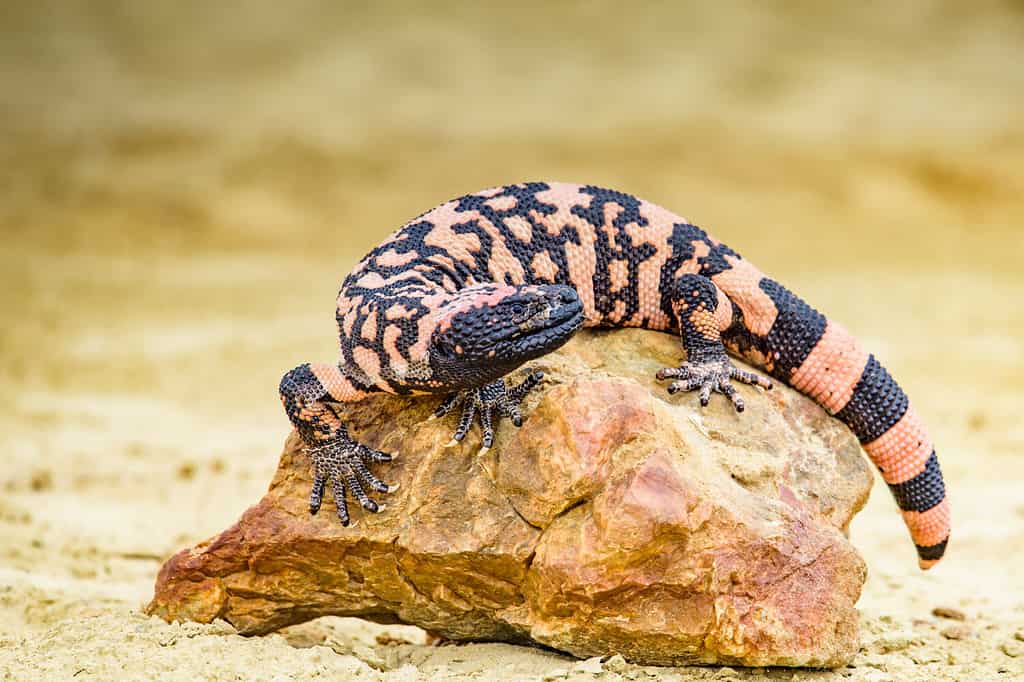
Gila Monster (Heloderma suspectum)
©Vaclav Sebek/Shutterstock.com
Named for the river in the region where it lives, the Gila monster is an emblem of the Southwest’s wild character. This heavy-bodied, venomous lizard spends much of the year underground, emerging during spring and early summer to feed on eggs, small mammals, and carrion. Though it rarely swims, it frequents areas near the Gila’s tributaries, where humidity and shade soften the desert’s extremes.
American Beaver (Castor canadensis)
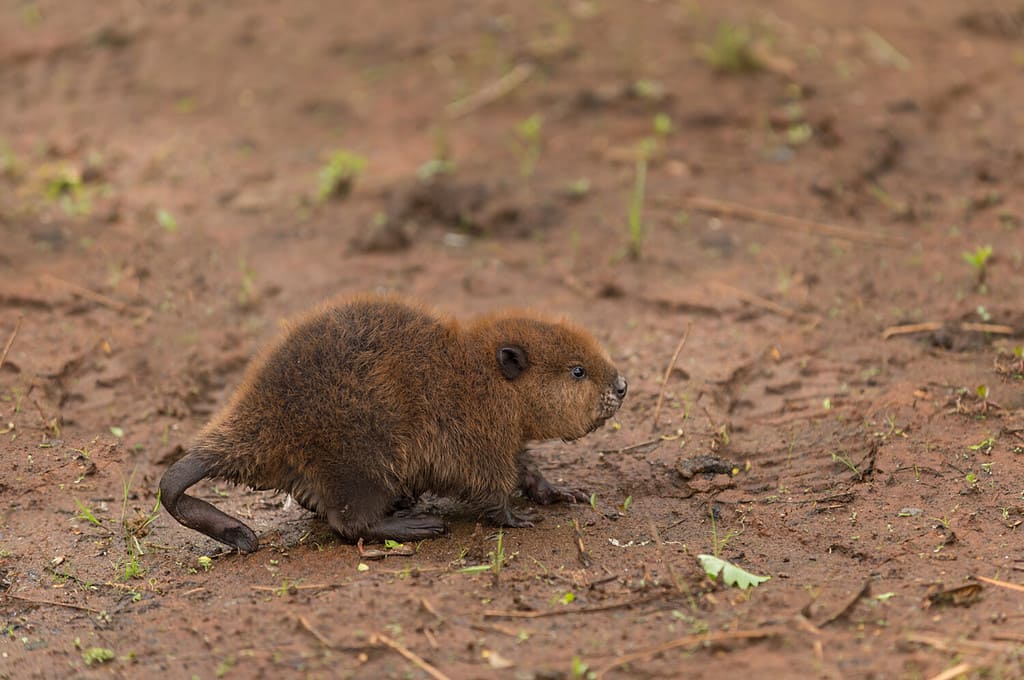
American Beaver (Castor canadensis)
©Geoffrey Kuchera/Shutterstock.com
Though best known from northern rivers, beavers have reestablished themselves in the desert channels of the Gila. Their dams and lodges slow water flow, stabilize banks, and create wetlands that support herons, amphibians, and other semi-aquatic mammals. In the Gila’s upper reaches, their work transforms narrow streams into rich, complex corridors lined with cottonwood and willow. During drought, beaver ponds preserve vital pools for fish and birds. Over time, beaver ponds can silt up and turn into meadows. All of this gives the industrious mammal an ecological importance far beyond its size.
Common Black Hawk (Buteogallus anthracinus)
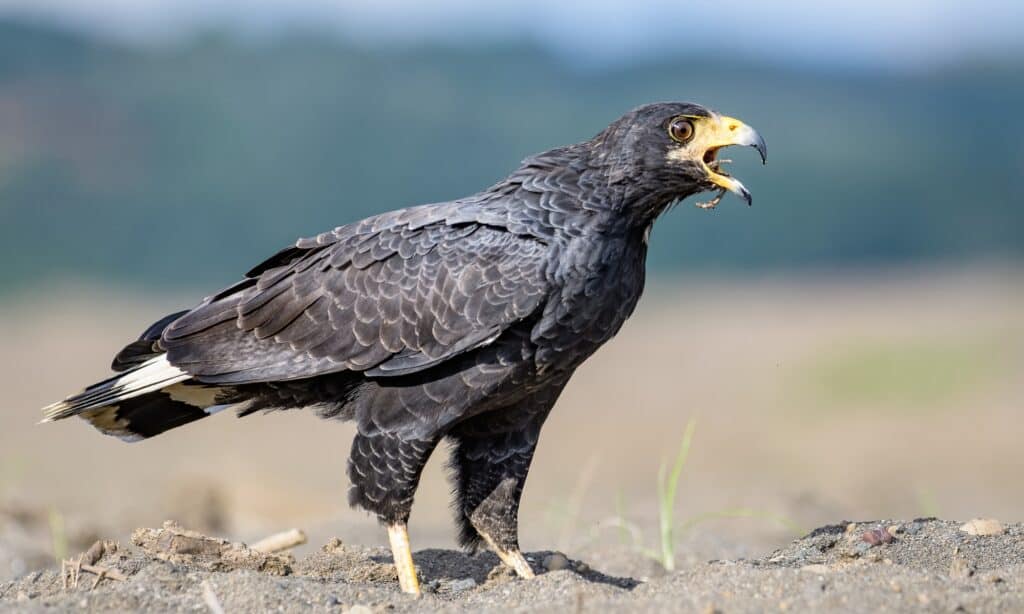
Common Black Hawk (Buteogallus anthracinus)
©iStock.com/Thorsten Spoerlein
Above the cottonwood canopy, the call of the common black hawk signals a predator tied intimately to the river. Found primarily along riparian corridors, this raptor nests in tall trees above water and feeds on fish, amphibians, and reptiles. Sightings along the Gila are treasured memories among birders.
Desert Bighorn Sheep (Ovis canadensis nelsoni)
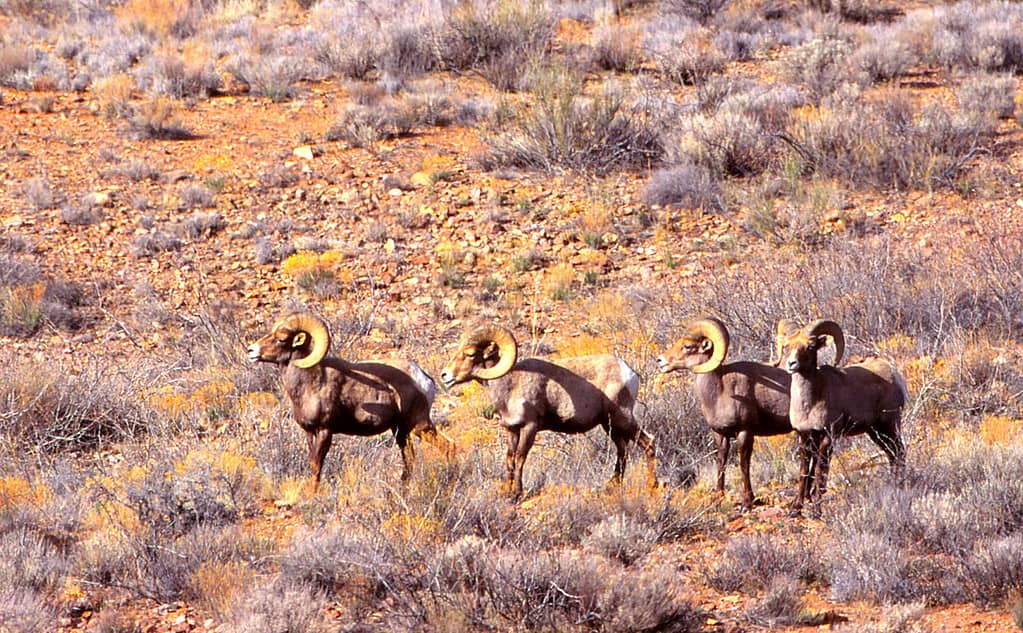
Desert Bighorn Sheep (Ovis canadensis nelsoni)
©Richard Jackson/iStock via Getty Images
High above the Gila’s canyon walls, desert bighorn sheep descend to drink at dawn. Though primarily terrestrial, they depend on the river and its tributaries during the hotter months, when water sources vanish across the surrounding high desert. The rugged cliffs provide escape where most predators cannot follow, while riverside vegetation offers seasonal forage.
Green Heron (Butorides virescens)
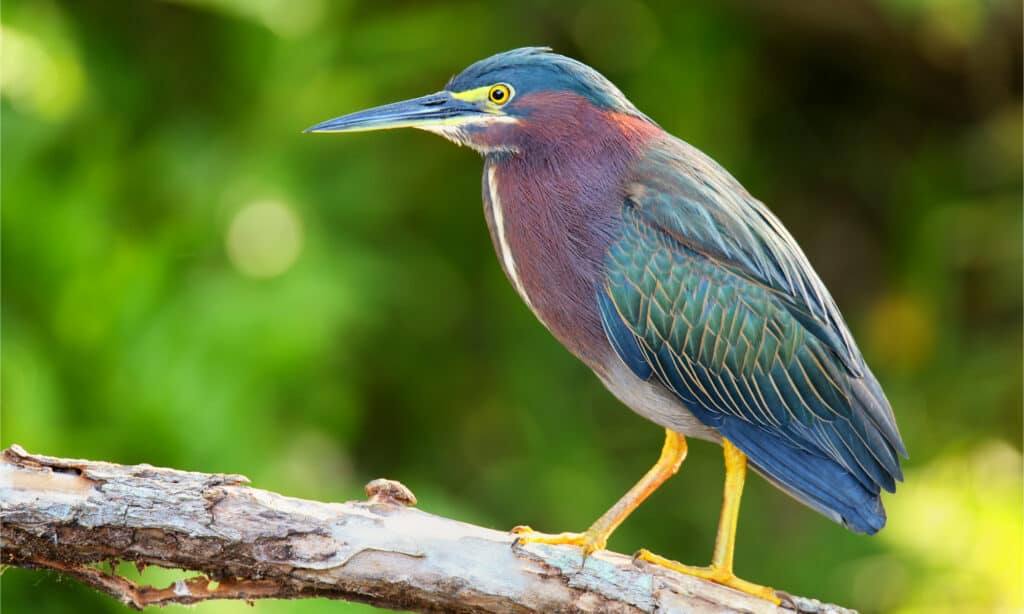
Green Heron (Butorides virescens)
©Don Mammoser/Shutterstock.com
Smaller and more secretive than its blue cousin, the green heron lurks along overgrown banks, striking at minnows and insects with lightning precision. Barely 18 inches long, it is one of the few bird species known to use tools—dropping insects or feathers on the water to lure fish close. It favors the shaded backwaters and oxbows of the Gila, where dense vegetation offers cover.
Yellow-billed Cuckoo (Coccyzus americanus occidentalis)

Yellow-billed Cuckoo (Coccyzus americanus occidentalis)
©Kit Leong/Shutterstock.com
One of the Southwest’s most elusive birds, the yellow-billed cuckoo nests almost exclusively in mature cottonwood-willow forests along rivers like the Gila. It feeds on caterpillars, grasshoppers, and other insects, sometimes catching them mid-flight. About 12 inches long, it migrates from South America to breed each summer in the desert Southwest.
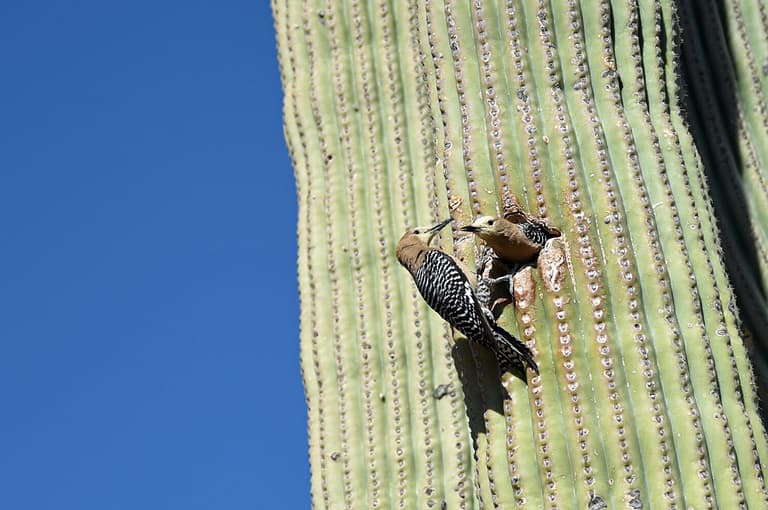
Gila Woodpecker (Melanerpes uropygialis)
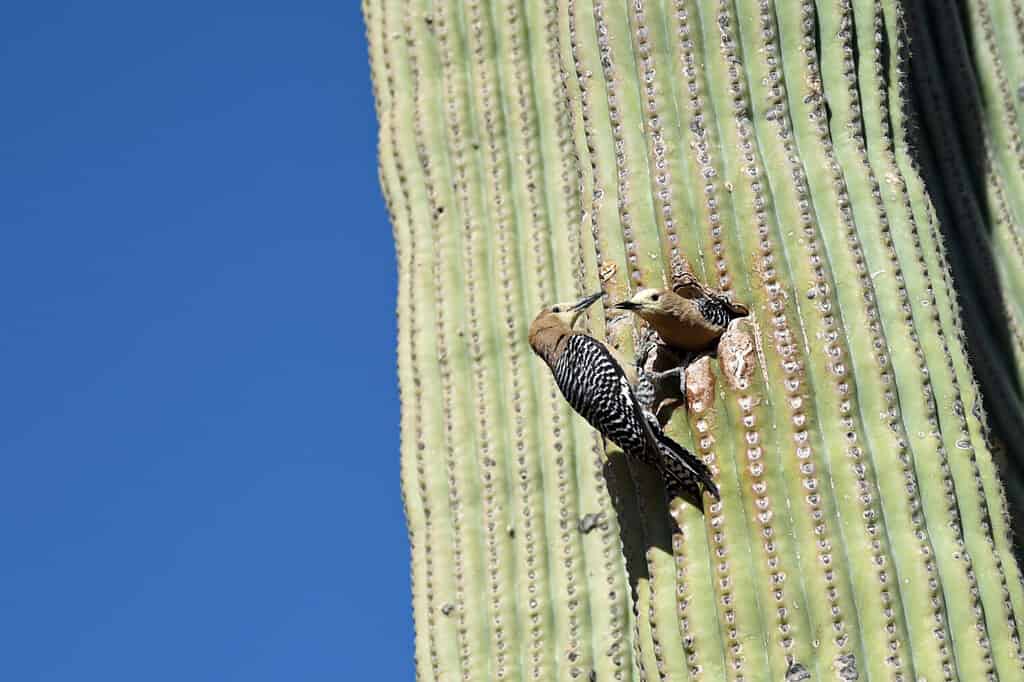
Gila Woodpecker (Melanerpes uropygialis)
©dba duplessis/Shutterstock.com
This noisy, black-and-white bird with a tan head thrives along the Gila’s cottonwood groves and nearby saguaro cactus stands. It eats insects, cactus fruit, and small lizards. About 9 inches long, it carves nesting holes that later become homes for other species, including owls and kestrels. Its chattering call is a common sound in desert edges near the river.
Dragonfly (Family Libellulidae)
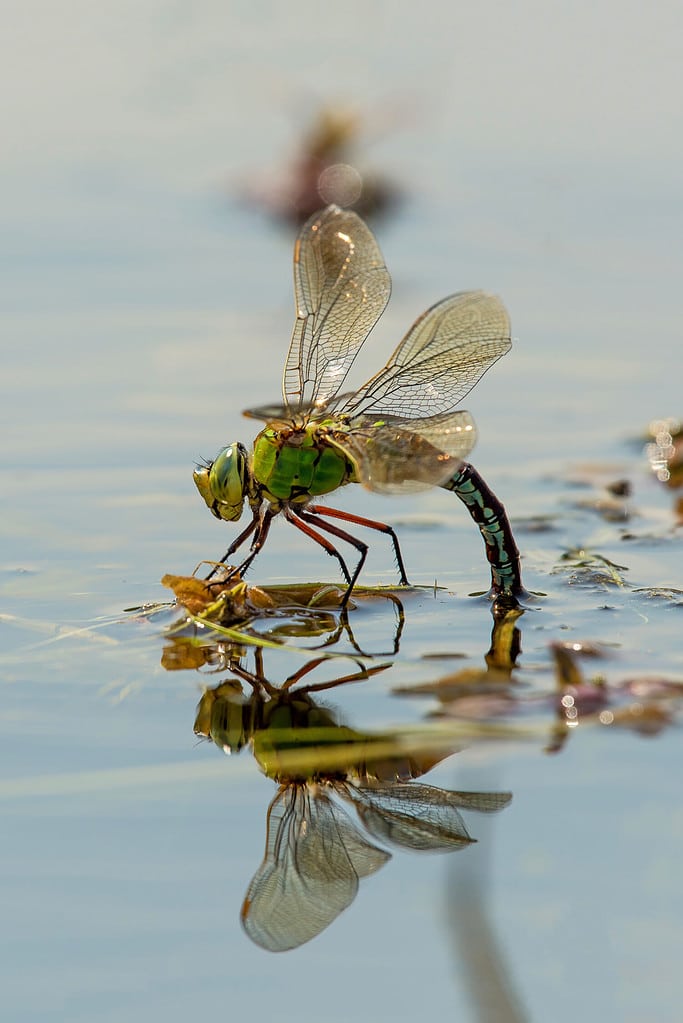
Dragonfly (Family Libellulidae)
©Hans Viveen/Shutterstock.com
Above the river’s calm backwaters, dragonflies patrol the air like little drones. Species such as the flame skimmer and blue dasher are common, flashing orange or metallic blue as they hunt mosquitoes and other small insects. Nymphs grow underwater for months or even years before emerging to molt into winged adults. Both stages play a key role in keeping insect populations in check and providing food for birds and fish.
Giant Water Bug (Lethocerus americanus)
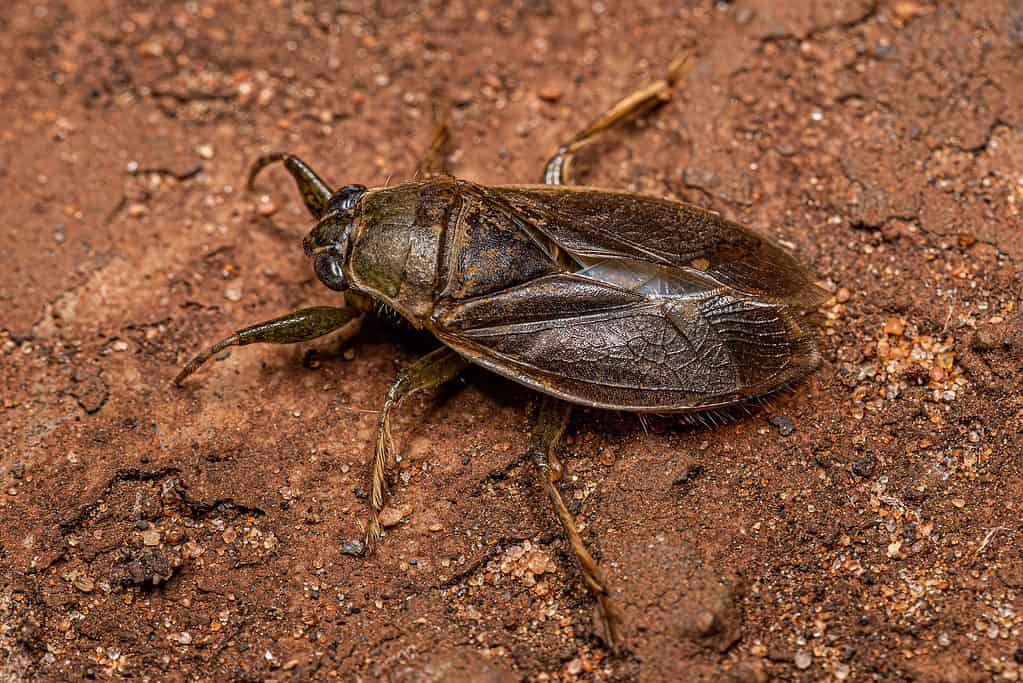
Giant Water Bug (Lethocerus americanus)
©iStock.com/ViniSouza128
Patrolling the still pools and slow channels of the Gila, giant water bugs lurk near the surface, waiting to ambush prey. Reaching up to 4 inches long, they use their powerful forelegs to seize fish, tadpoles, and insects, injecting enzymes that liquefy their meal. These insects are also known for unusual parenting—males carry eggs on their backs until they hatch. Though their bite can deliver a painful jolt, they’re an essential part of the river’s food chain, feeding fish, birds, and amphibians.
Canyon Treefrog (Dryophytes arenicolor)
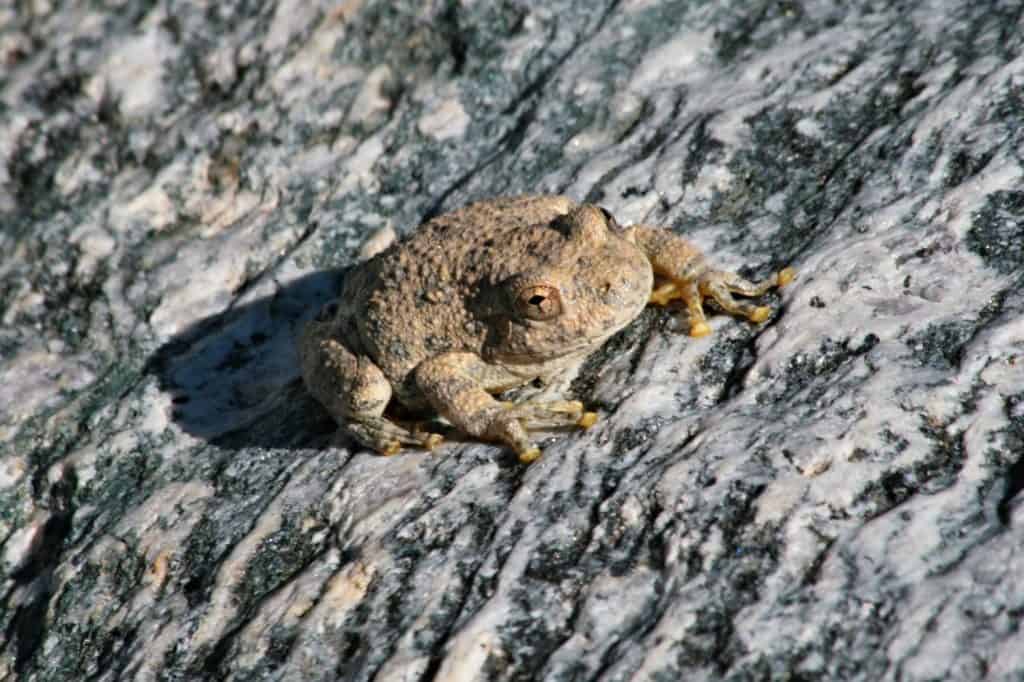
Canyon Treefrog (Dryophytes arenicolor)
©Flying Mouse/Shutterstock.com
After summer rains, the canyon treefrog’s trilling call echoes from the rocky walls above the Gila. Small and mottled, this amphibian blends perfectly with the stone around it. It grows to about 2 inches long and feeds on flies, ants, and small beetles. During dry periods, it shelters in rock crevices or burrows, emerging only when moisture returns.
Black-necked Stilt (Himantopus mexicanus)
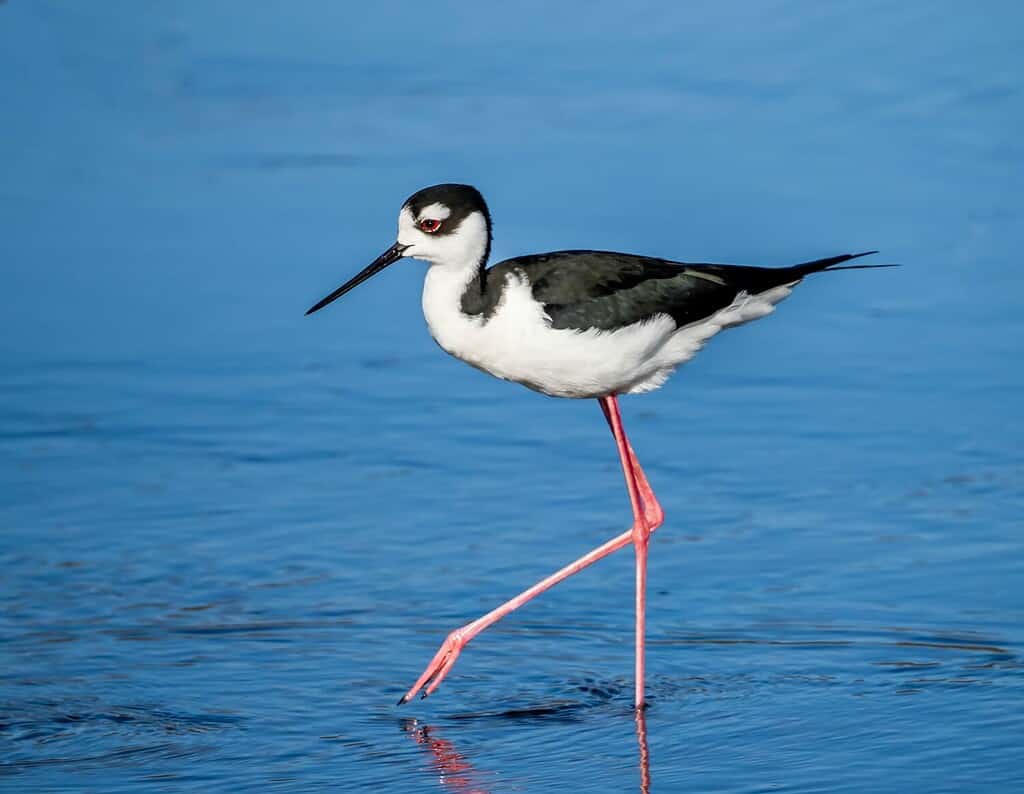
Black-necked Stilt (Himantopus mexicanus)
©Jim Schwabel/Shutterstock.com
In the Gila’s shallow pools and sand flats, black-necked stilts wade on impossibly long pink legs. They feed on aquatic insects, small crustaceans, and larvae, sweeping their slender bills through the water. About 15 inches tall, these elegant birds nest on mudflats and sandbars, often near other wading species. Their sharp, yapping calls echo over the marshy backwaters, a familiar sound wherever water lingers long enough to support life in the desert.
Sonoran Whipsnake (Masticophis bilineatus)
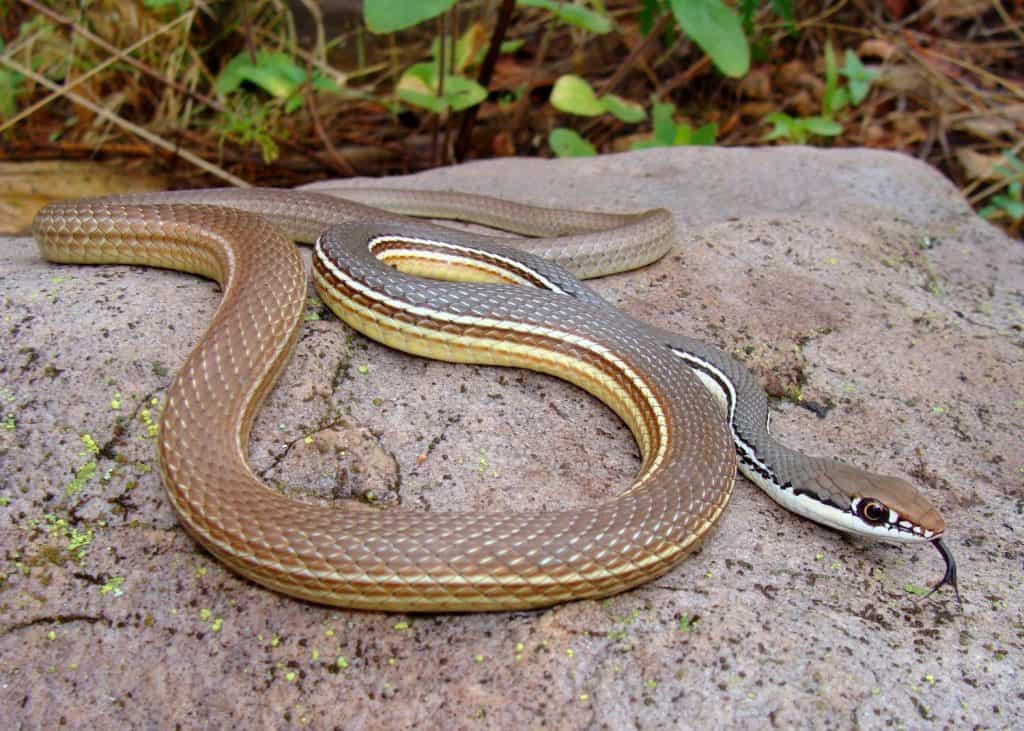
Sonoran Whipsnake (Masticophis bilineatus)
©Matt Jeppson/Shutterstock.com
Fast and alert, the Sonoran whipsnake darts through the cottonwoods and rocky canyons that border the Gila River. This slender, elegant snake grows between 3 and 5 feet long and feeds on lizards, birds, and small mammals it catches during the day. It’s a strong climber, often seen weaving through low tree limbs or basking on warm boulders. Despite its speed and size, it’s nonvenomous and relies on quick reflexes rather than aggression.
Tarantula Hawk Wasp (Pepsis grossa)
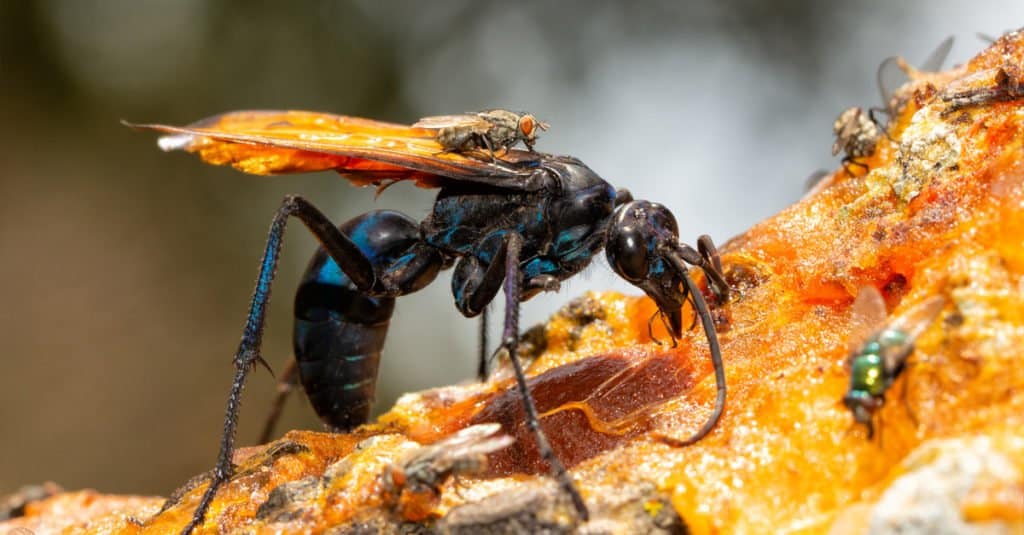
Tarantula Hawk Wasp (Pepsis grossa)
©Sari ONeal/Shutterstock.com
One of the most formidable insects along the Gila River, the tarantula hawk wasp is both beautiful and formidable. Shimmering blue-black with orange wings, it can reach nearly 2 inches long. Females hunt tarantulas, paralyzing them with a sting before dragging them to a burrow to serve as food for their larvae. Adults feed on nectar from desert milkweed and mesquite blossoms, making them important pollinators despite their fearsome reputation.
Water in a Dry Land
The Gila River is a vital source of life running through the desert. It supports plants, animals, and people who depend on its steady flow. Protecting the river means preserving clean water, native habitats, and the balance that keeps the desert alive. It remains one of the last free-flowing rivers in the American Southwest—a reminder of how much depends on water in a dry land.