
Quick Take
- Scottish wrens on isolated islands have evolved larger bodies through a process known as island gigantism. Explore island gigantism →
- Researchers found that some island populations have also developed distinctive songs and genetic differences from mainland birds. See the diverging populations →
- The study suggests the most isolated Scottish wrens may be in the early stages of becoming new species. Discover the role of song →
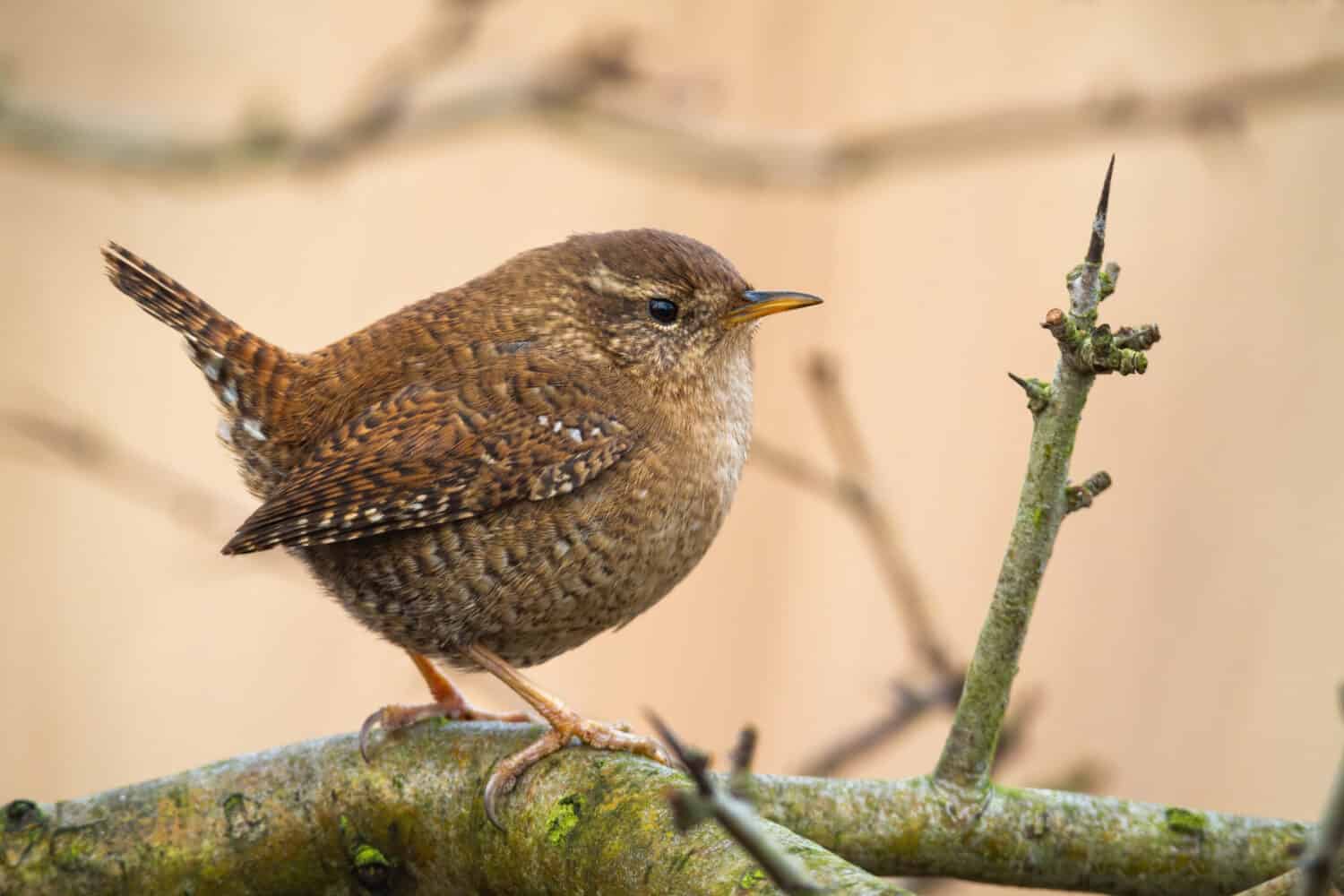
Wrens are some of Britain’s smallest birds, yet new evidence suggests that they are undergoing an extraordinary change. Isolated island populations of wrens have been found to have grown significantly larger than their mainland counterparts, with birds on some islands weighing more than twice as much as wrens found elsewhere in Britain. Along with their increasing size, these birds have developed distinctive songs and genetic differences, leading scientists to think they may be in the early stages of diverging into separate species.
Why Can Islands Create Giant Animals?
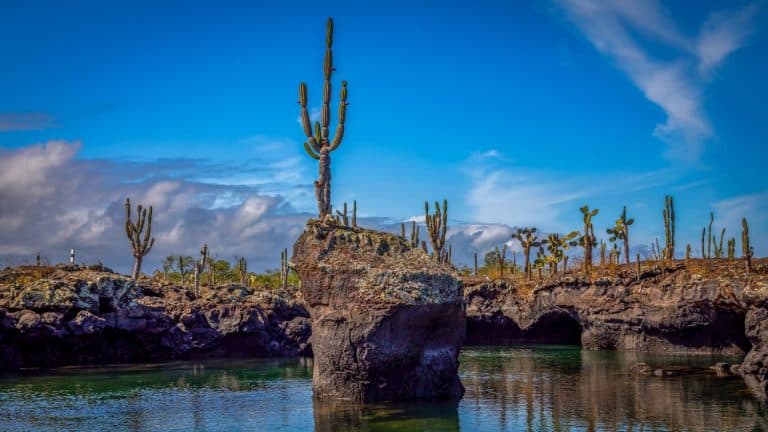
Islands are often home to unique wildlife found nowhere else in the world. Separated from the mainland for thousands or even millions of years, island populations can evolve in isolation, facing different pressures than their mainland counterparts.
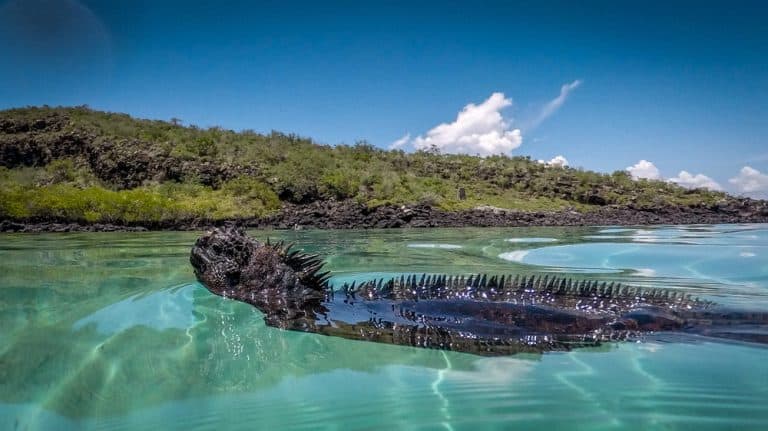
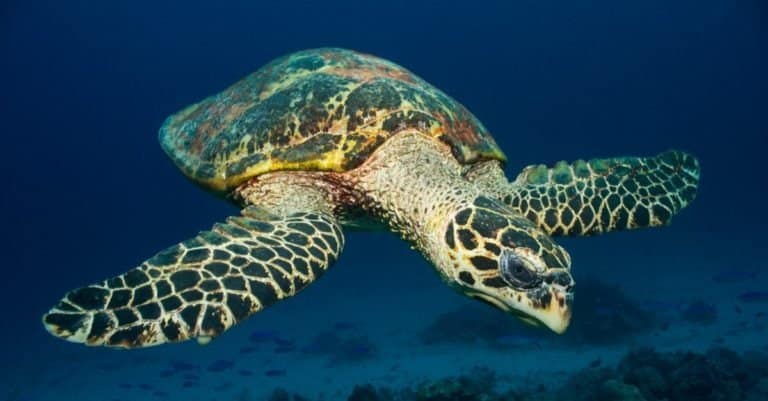
Sometimes, islands can produce animals that appear to defy the usual patterns of evolution. One of the best-known examples of this is island gigantism. Island gigantism is when a species living on an isolated island gradually evolves to have a much larger body than its mainland counterpart. Some of the most notable examples of island gigantism include dodos and Galápagos giant tortoises.
A major factor contributing to island gigantism is the lack of predators on these islands. Larger carnivores are often absent from smaller islands due to limited space and prey diversity. With fewer predators and less competition for food and resources, animals that are typically small can grow larger. Being larger may also help animals survive longer periods without food and water, making them less vulnerable during times of scarcity.
Conversely, insular dwarfism occurs when larger species evolve to become smaller on islands, often due to limited space and resources. Both island gigantism and insular dwarfism are part of the broader trend known as the Island Rule.
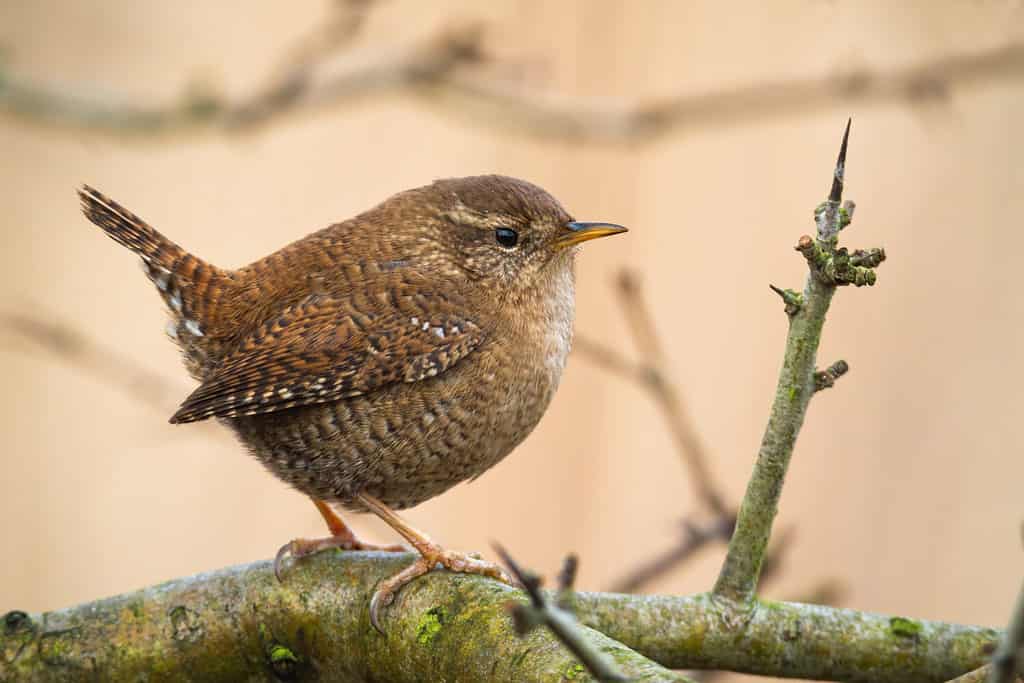
Island gigantism causes animals on islands to evolve larger than the rest of the species.
©WildMedia/Shutterstock.com
How the Scottish Wrens Are Evolving in Different Ways
A recent study of wrens in Scotland has discovered that some island populations are exhibiting signs of island gigantism. Four isolated populations were studied on the islands of Shetland, Fair Isle, the Outer Hebrides, and St Kilda. These populations are subspecies of Eurasian wrens (Troglodytes troglodytes), but are all evolving independently of their mainland relatives.
The study compared the island wrens with Eurasian wrens on the Scottish mainland and found that the island populations were significantly larger. Mainland wrens weigh just 0.25 to 0.35 ounces and are typically 3.5 to 3.9 inches long. However, the wrens on St Kilda typically weigh between 0.46 and 0.56 ounces and have a length of around four inches. The largest of these can weigh up to twice as much as the mainland wrens. Shetland wrens were the next largest subspecies, weighing approximately 0.10 ounces more than mainland birds. They also have a length of 3.5 to 4.3 inches. These are significant size differences for such small birds, placing them among the top 25% of all documented cases of island gigantism in birds. Outer Hebridean wrens were also larger than mainland birds. However, the Fair Isle population is the only subspecies that has not become noticeably larger.
Although these island populations are all subspecies of Eurasian wrens, there’s no evidence to suggest that they are interbreeding with the mainland population. Instead, each population is evolving independently, completely isolated from the others. The study also found that they are all genetically different from mainland wrens. This is known as parallel evolution, where separate populations develop similar traits independently in response to comparable environmental conditions.
Shetland and St Kilda Wrens
Shetland and St Kilda wrens have also developed additional differences from mainland wrens, including distinct appearances and vocalizations. St Kilda wrens have a lighter appearance with more grey than mainland wrens. They also have more barring on their plumage and a slightly longer bill.
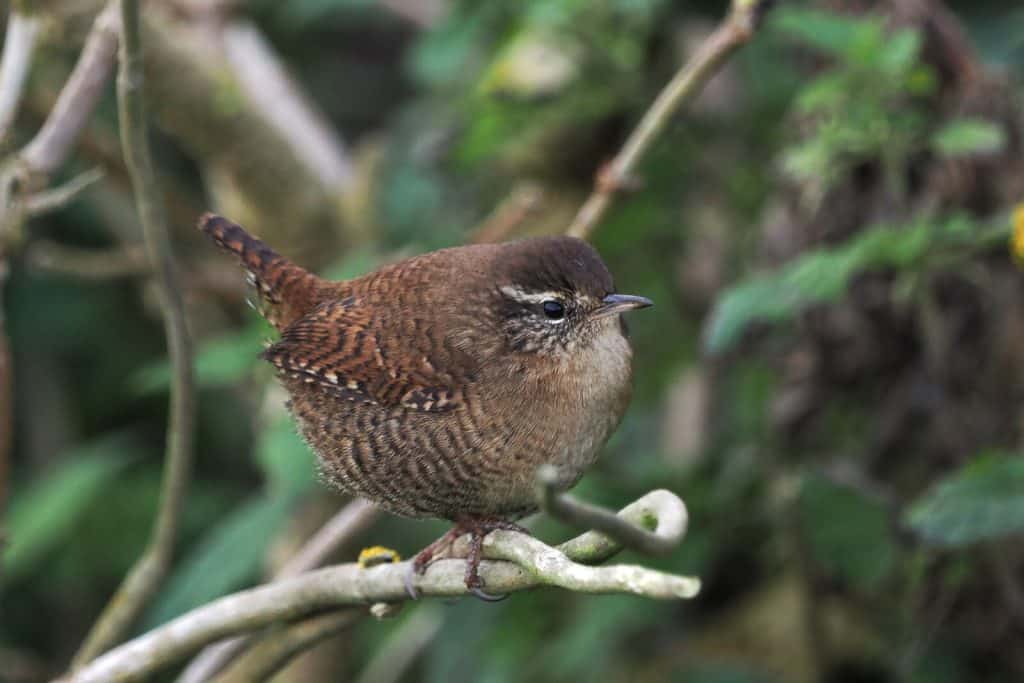
Shetland wrens have a much darker appearance than their mainland counterparts.
©Mike Pennington, CC BY-SA 2.0, via Wikimedia Commons – Original / License
In comparison, Shetland wrens have become much darker than mainland wrens. Their head and neck are now almost black, while their throat is brown. They also have darker barring on their upper side and dark speckles on their belly.
Both subspecies have developed louder songs than mainland wrens. One theory is that, because Shetland and St Kilda wrens inhabit cliffs and rocky shores, they have evolved louder songs to be heard over the sound of the ocean.
Could These Wrens Become a New Species?
One of the biggest questions raised by the study is whether these island wren populations are gradually evolving into entirely new species. This is known as species divergence – when related populations within a species eventually develop enough differences to be considered a different species.
It’s possible that all of these island populations are on their way to becoming entirely new species as they are genetically distinct from the mainland population. The Shetland and St Kilda populations are likely further along this path. This is due to their different appearance and vocalizations, along with their greater size difference.
The changes to their vocalizations are particularly important as birds use songs to attract mates. Significant differences in their vocalizations can mean that populations no longer recognize each other’s songs. As a result, they are less likely to breed with each other. However, it’s impossible to say for certain if or when they will become entirely different species, as the process can take many years.