
Quick Take
- Only one palm cockatoo population crafts drumsticks, and what stops every other population reveals more than you'd expect. See which population drums →
- Each male builds its stick to its own personal specification, and the reason that individuality matters is counterintuitive. Explore personalized stick crafting →
- Palm cockatoos drum for two very different purposes. One is obvious, but the second reframes the whole behavior. Discover the dual drumming purposes →
- The hollow tree isn't just a backdrop. It plays a specific role that determines whether the performance works at all. See the hollow tree's role →
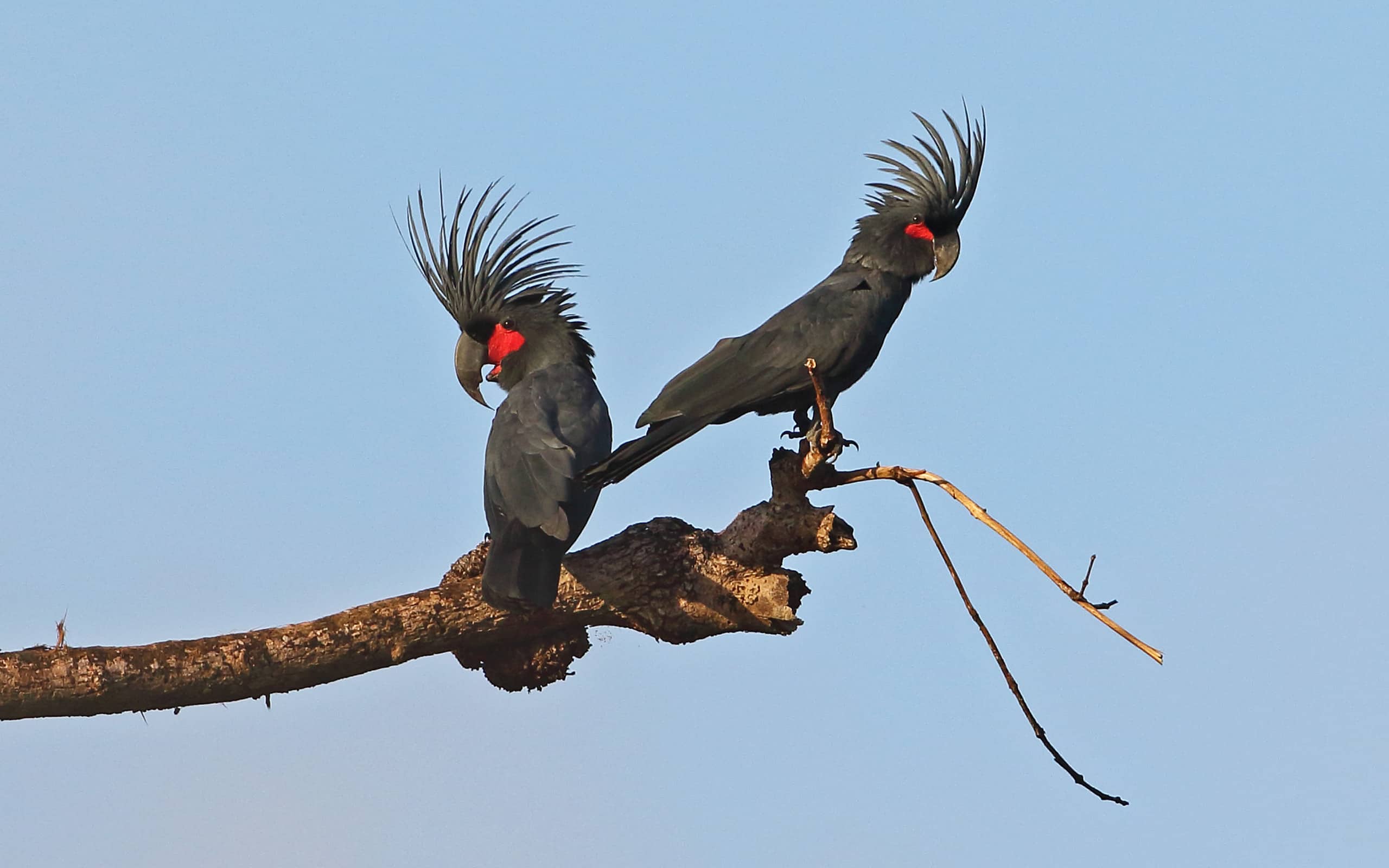
When we think of wild animals, we don’t typically think of their engineering abilities. However, some animals make their own tools specifically to make music! After creating their instruments from tree branches, palm cockatoos make unique rhythms and beats. This YouTube video by Guardian Australia shows the bird crafting a drumstick.
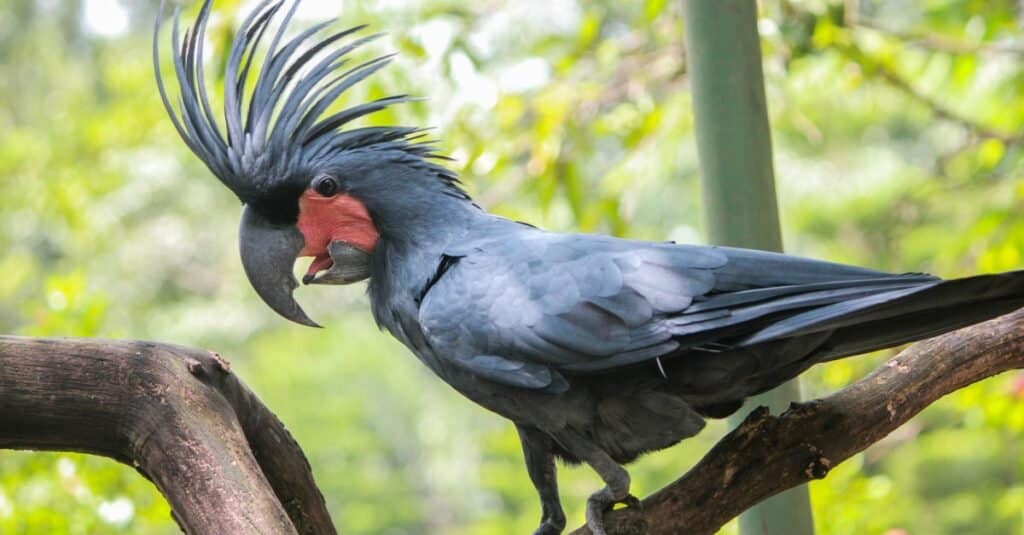
The palm cockatoo uses its handmade drumsticks to attract females and divide territory.
©BangKod001/Shutterstock.com
Why the Palm Cockatoo Drums
Palm cockatoos are one of the most interesting birds in the world. They live in northern Australia, southern New Guinea, and inhabit several of the smaller islands nearby. Only palm cockatoos in northern Australia have been observed to make drumsticks, with other populations often using their feet to make rhythms instead. The behavior is unique to males, and they pick their drumsticks extremely carefully, using only the best materials. They search different trees for a thick branch and strip away any leaves or smaller twigs from it. They then continue to trim it down until it’s an ideal weight and shape. Interestingly, each male has its own preference for how it makes its drumsticks, just as each has a unique rhythm.
In the video above, it may seem like the birds are just randomly tapping their sticks, but they are actually making specific patterns. Each male finds his own tempo and rhythm, with some preferring a faster or slower song. They drum by grasping the branch with their feet and striking a hollow trunk to make a reverberating sound. Palm cockatoos drum for two main reasons. The first is similar to other birds: advertising to females. When mating, drumming helps to show prowess and health to females. The other reason is to claim territory. The loud, resonating sound indicates to other palm cockatoos that the area is taken. This fascinating behavior reveals how smart these birds truly are.