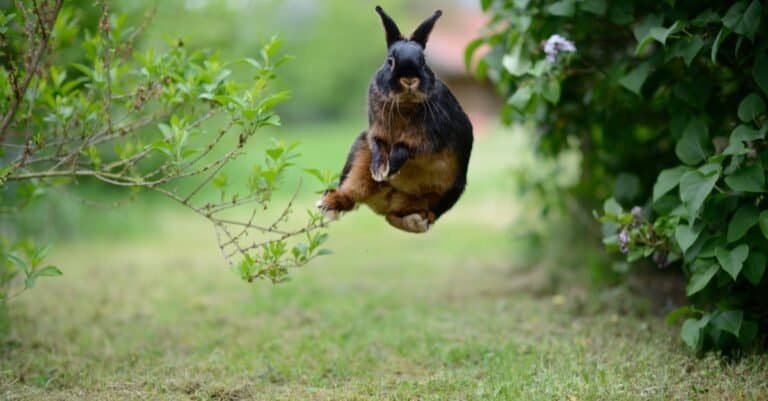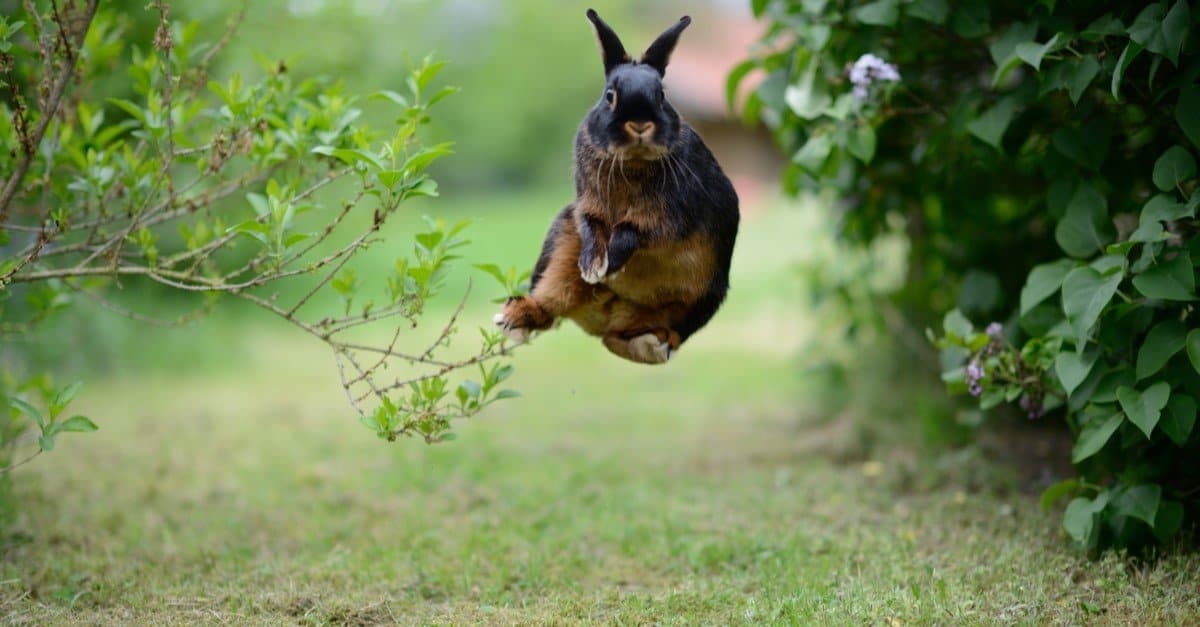

Unlike dogs, which wag their tails to show they are happy, it is harder to read the emotions of rabbits. In the wild, these furry creatures spend their time avoiding being prey. Therefore, they have little time to feel secure enough to have fun. However, in an environment where predators are non-existent and there is no such thing as food scarcity, there is more time for levity. This is when binky bliss or the joyful dance of a happy bunny is most often to be seen.
When rabbits are genuinely comfortable in their habitats or environments, they will exhibit this comfort. Instead of hiding behind or under objects that camouflage them, rabbits will happily prance and skitter around. In rare occurrences in the wild, they may even jump into the air and flail their bodies around without abandon. However, for those who live in a home where all their needs are met both physically and emotionally, this incredible high flying in the air is seen more frequently.
What Is Bunny Binkying?
Bunny binkying occurs when rabbits run at high speeds, jump into the air, contorting their heads and legs as they soar.
©Krasula/Shutterstock.com
Rabbits are incredibly agile creatures. They have to be, given that if they are not pets, they are prey. One way that rabbits display this spryness is by binkying. This behavior is unique to rabbits and occurs only when they are in tune with their environment.
When a rabbit participates in binkying, it is doing more than jumping into the air. The rabbit is leaping into the air as it twists its head and body, typically with a running start to reach as high as possible into the sky. There are two types of binkying. There is the full binky and the half binky. Unlike the full binky, where the rabbit goes all out to jump and contort itself in the air, the half binky is where the rabbit will simply flick its ear or head quickly. The half binky is not as obvious, but astute rabbit owners will be able to tell by their rabbit’s mood when they are binkying and when they are not.
Why Rabbits Participate In Bunny Binkying
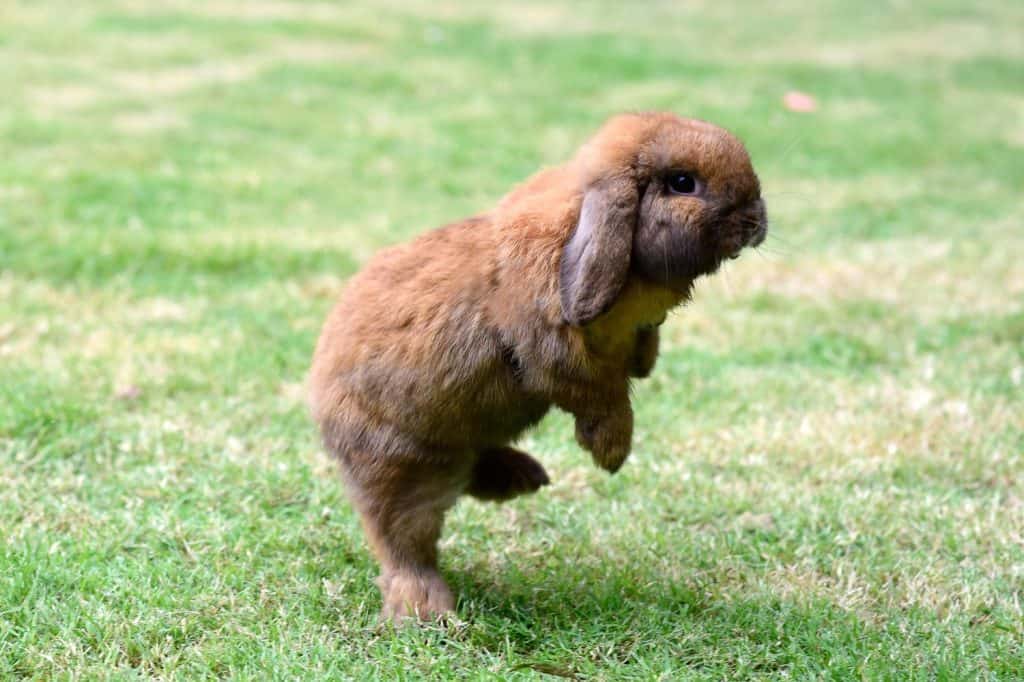
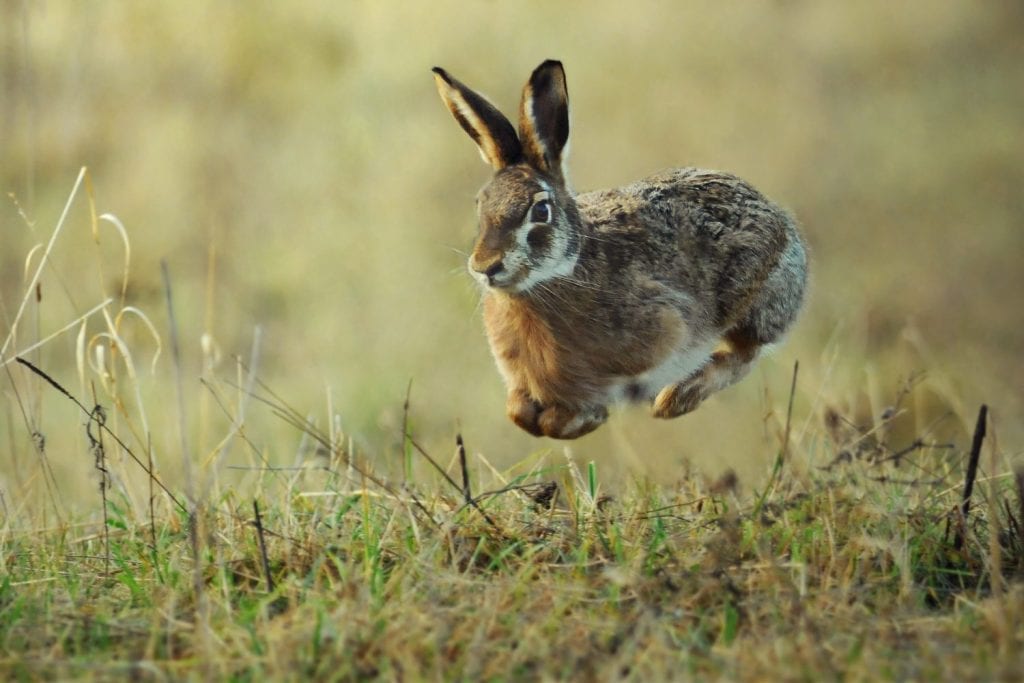
Rabbits participate in binkying to show their happiness.
©Pentium5/Shutterstock.com
All animals express their emotions. However, some are easier to interpret than others. In the case of rabbits, given that they are prey animals, they are not prone to wearing their emotions on their sleeves. But when it comes to binkying, rabbits make it crystal clear how they feel. Rabbits participate in binkying when they are happy and feel safe in their environment or habitat. While domesticated rabbits are more prone to binky, it is not unheard of for wild rabbits to do it from time to time as well when feeling elated.
Binkying most often happens when rabbits are filled with joy, feel secure, and have energy to burn. These are all signs of a healthy and content rabbit. However, if a rabbit is exhibiting other signs of happiness, such as seeking attention from owners, eating well, and showing signs of being comfortable with its surroundings, but is not engaging in binkying with frequency, it is not cause for alarm. Some rabbits just binky more than others. With that being said, there are ways to encourage binkying in a rabbit, all of which come down to ensuring rabbits do not have an opportunity to get bored and get plenty of attention in the environments created for them by their owners.
Bunny Binkying Can Be Encouraged
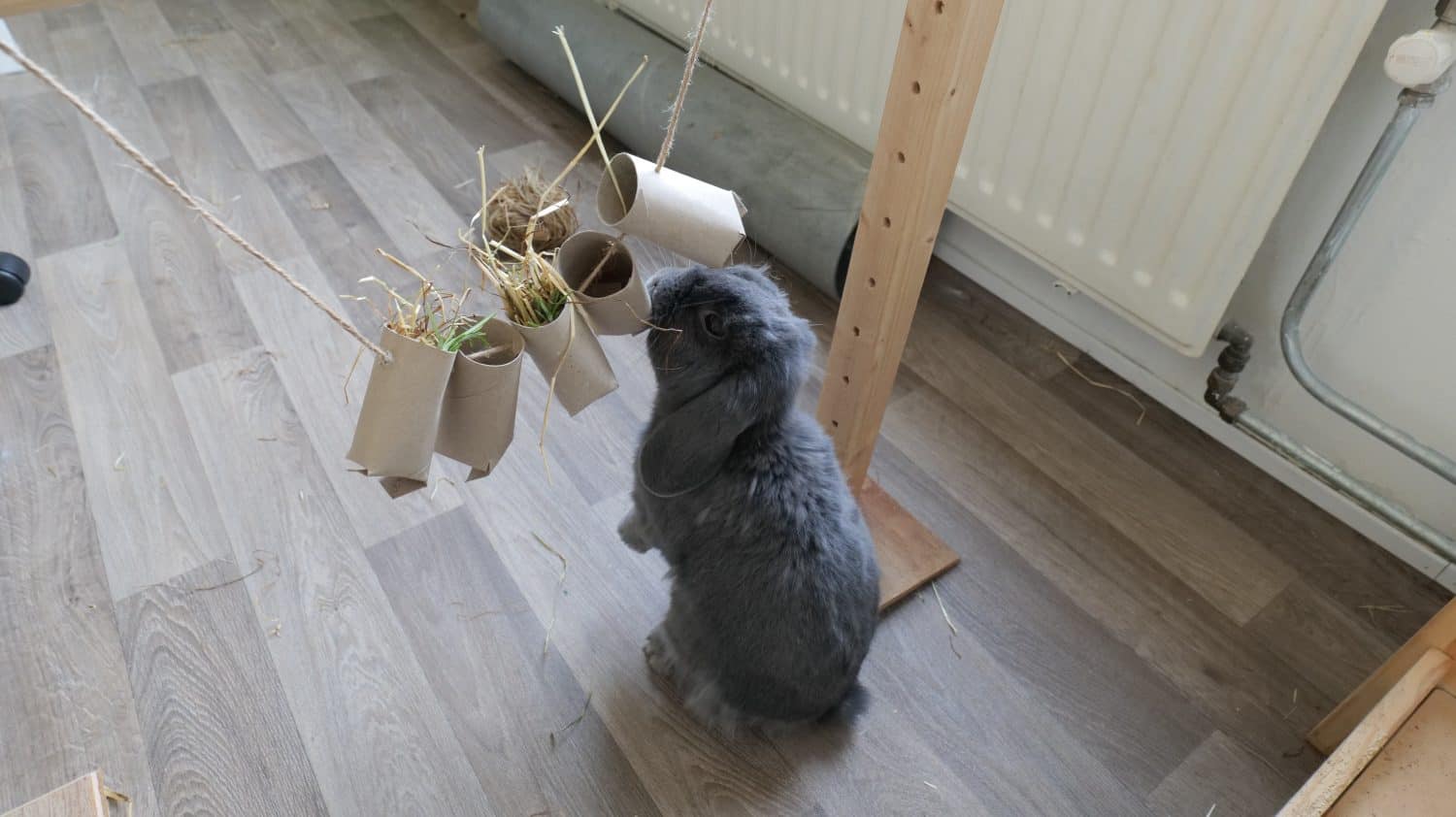
Creating an environment where rabbits are mentally stimulated can lead to them feeling happy enough to binky.
©Mariska van Dasselaar/Shutterstock.com
Like many other pets, rabbits are social creatures that enjoy mental stimulation. Therefore, to encourage binkying, rabbit owners should create an environment that fosters both mindful engagement and enrichment to keep rabbits happy.
Some of the easiest ways to promote binkying include:
- Rabbits are natural diggers, chewers, and foragers, and providing them with toys that allow them to do this will make them thrilled
- Ensure rabbits have enough space to run around and hop; otherwise, binking will not occur
- Give rabbits adequate attention daily
- If gone for long periods, consider getting the rabbit a rabbit friend
- Allow new rabbits time to adjust to a new environment, as an insecure rabbit will not binky
- Give rabbits treats in moderation to encourage binkying
By creating a space where rabbits are free to roam, have areas where they can hide, and plenty of room to run and hop, in addition to being entertained with their toys, they will be happy critters. It is when this happiness comes to a head that binkying will ensue, showing rabbit owners the care they are providing to their four-legged friends is nothing short of perfection.
What It Means When Rabbits Stop Binkying
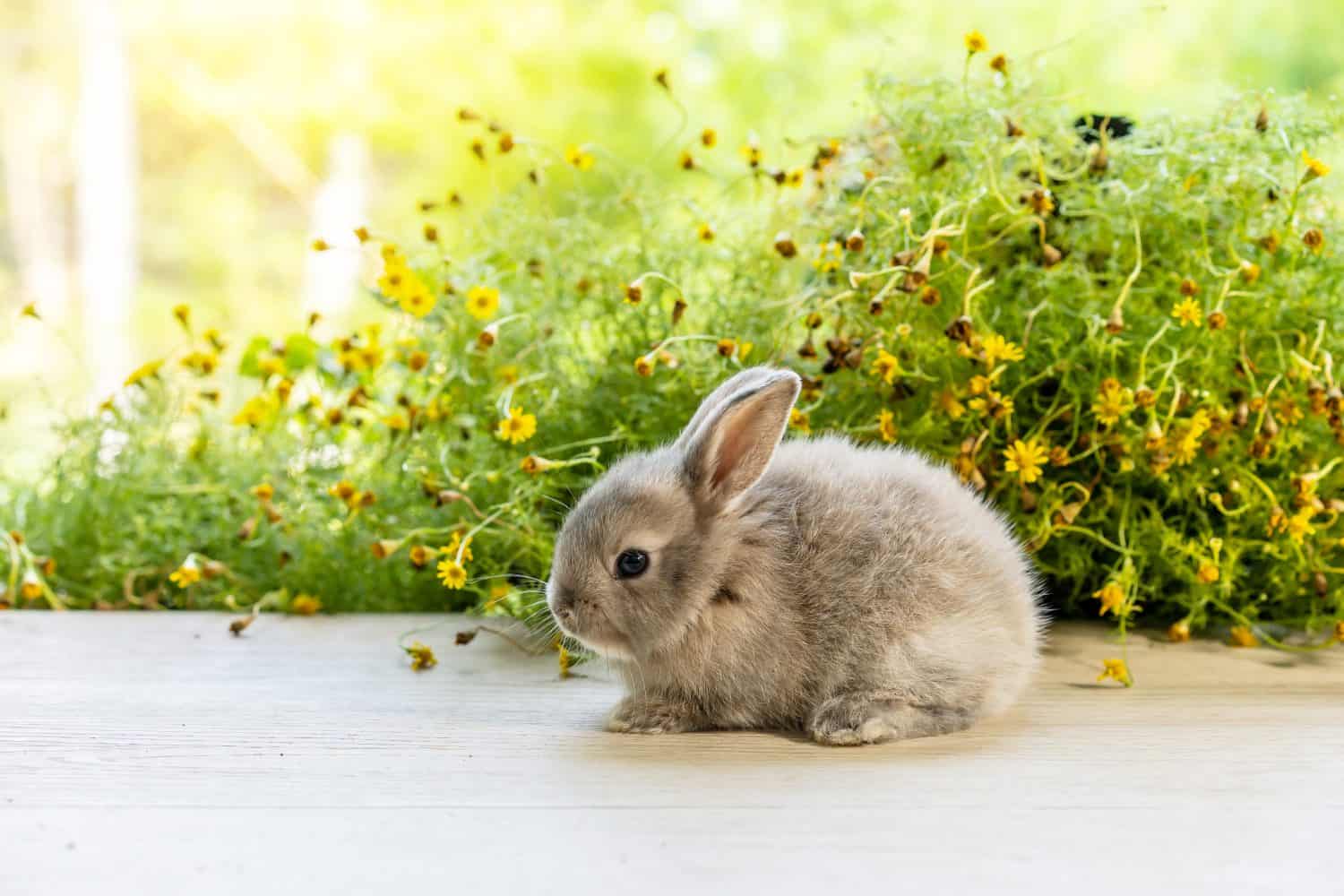
If rabbits who were actively participating in binkying suddenly stop for periods, it may be a sign that veterinary care is required.
©tetesong/Shutterstock.com
Bunny binkying happens when rabbits feel bliss, in conjunction with feeling secure in their living environment. The binkies will stop when this is no longer felt. However, when nothing has changed to increase stress levels or within the environment, rabbit owners can be at a loss when faced with the sudden alteration of behavior and be left wondering why their once binkying bunny is no longer happy.
While a change in environment is a common reason why rabbits will stop binkying, it is not the only reason. Therefore, if the enclosure and the space where rabbits spend time are the same as they always have been, there are other factors to look at as to why binkying has stopped. The other reasons rabbits may stop binkying include:
- Sudden physical pain
- Loneliness
- Rabbits are not being fed a proper diet
- Illness
- Aging
Any of these reasons could contribute to a rabbit reducing or completely stopping participation in binkying. This is why any change in behavior should be addressed as soon as possible with a veterinarian, so that the root cause of any health or behavioral issues can be identified. As long as it is not aging that is the issue, which causes rabbits to begin to decrease the frequency and gusto with which they binky, once rabbits are healed, they will be back to binkying as they used to, spreading joy as they do so.
Other Signs That Rabbits Are Happy
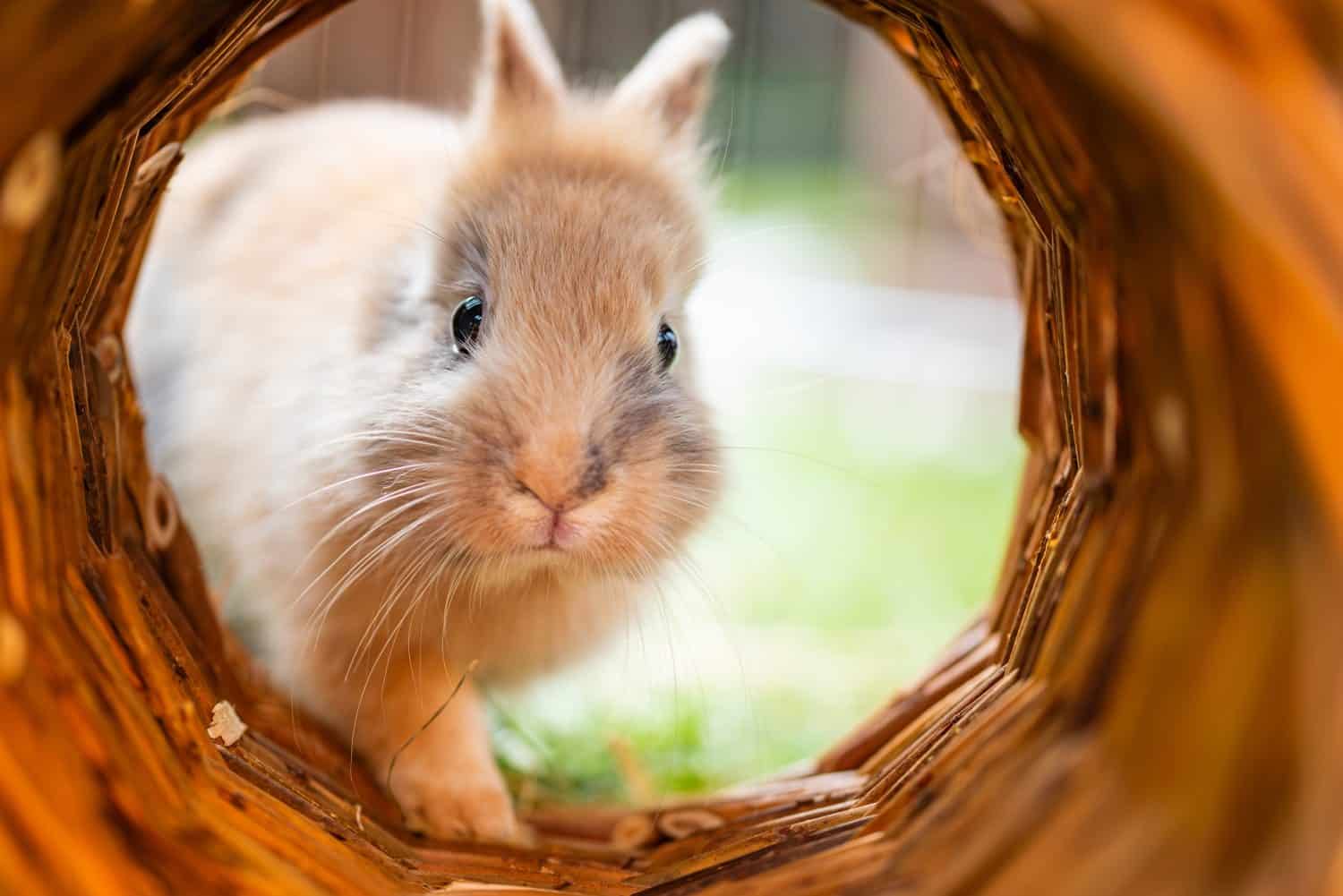
When rabbits confidently explore, play, keep themselves well-groomed, and eat well, they are happy.
©Przemek Iciak/Shutterstock.com
While happy rabbits are known to participate in binkying, it is not the only behavior that rabbit owners will see if their beloved pets are happy. There are other ways that rabbits will communicate with their owners that they are content and feel safe in their environment, all of which point to a well-taken care of rabbit. Signs that a rabbit is happy with its living conditions and feels secure include:
- Hopping around with curiosity
- Getting sudden bursts of energy that cause rabbits to run around quickly, known as the zoomies
- Getting the owner’s attention by licking or gently pushing with its head
- Keeping well-groomed
- Flopping to show their stomachs when sleeping or to get attention
- Playing with toys
- Eating constantly
There are so many ways that rabbits express how they are feeling to their owners. While wild rabbits exhibit these behaviors as well, they are not as frequently observed, as they are on high alert due to their status as prey animals. Therefore, enjoy the signs that rabbits are content and happy. Like other pets, if their behaviors change, it is a sign to seek veterinary care. The more in tune owners are with their rabbits, the quicker any issues can be dealt with, and a speedy return can be had to bunny binkying.