
Quick Take
- Marine darkwave is a newly recognized looming threat lurking beneath the ocean.
- Scientists are concerned about the devastating impacts of this prolonged darkness.
- Climate change and human activities are said to contribute to marine darkwaves.
Scientists have recently discovered a newly recognized and threatening ocean event: marine darkwaves.
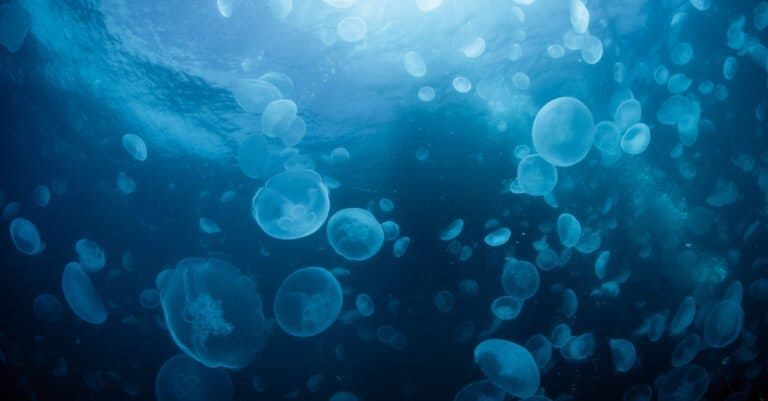
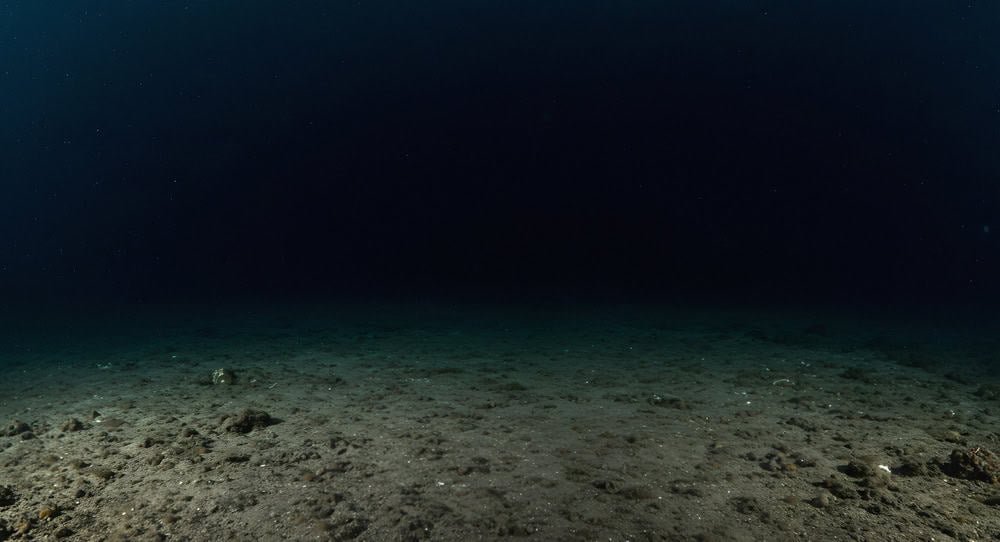
According to Science Daily, a marine darkwave is a sudden, intense period of underwater darkness. These episodes are caused by storms, sediment runoff, and algal blooms, often lasting for several days and even months, the outlet reports. While it might seem harmless to humans, it brings devastating effects to light-dependent marine wildlife. In fact, it can lead to concerning outcomes like reduced photosynthesis, habitat loss, and even mass mortality among some marine species. We spoke with an expert about the impacts of marine darkwaves, including which species are most at risk.
What Is a Marine Darkwave?
According to Dr. Tiara Moore, Founder and Chief Executive Officer (CEO) of Black In Marine Science (BIMS), a marine darkwave is “a process for quantifying unusual underwater darkness.” These sudden episodes of extreme, near-total darkness negatively impact light-dependent species. The phenomenon is newly recognized, but scientists are seeking to learn more about the looming threat.
“Researchers are developing ways to identify and measure unusual periods of reduced underwater light or times when it becomes dark in marine environments that are typically well-lit,” Moore explains.
Impacts of Marine Darkwaves
Marine darkwaves have wide-ranging ecological, biological, and biogeochemical impacts. Let’s break it down.
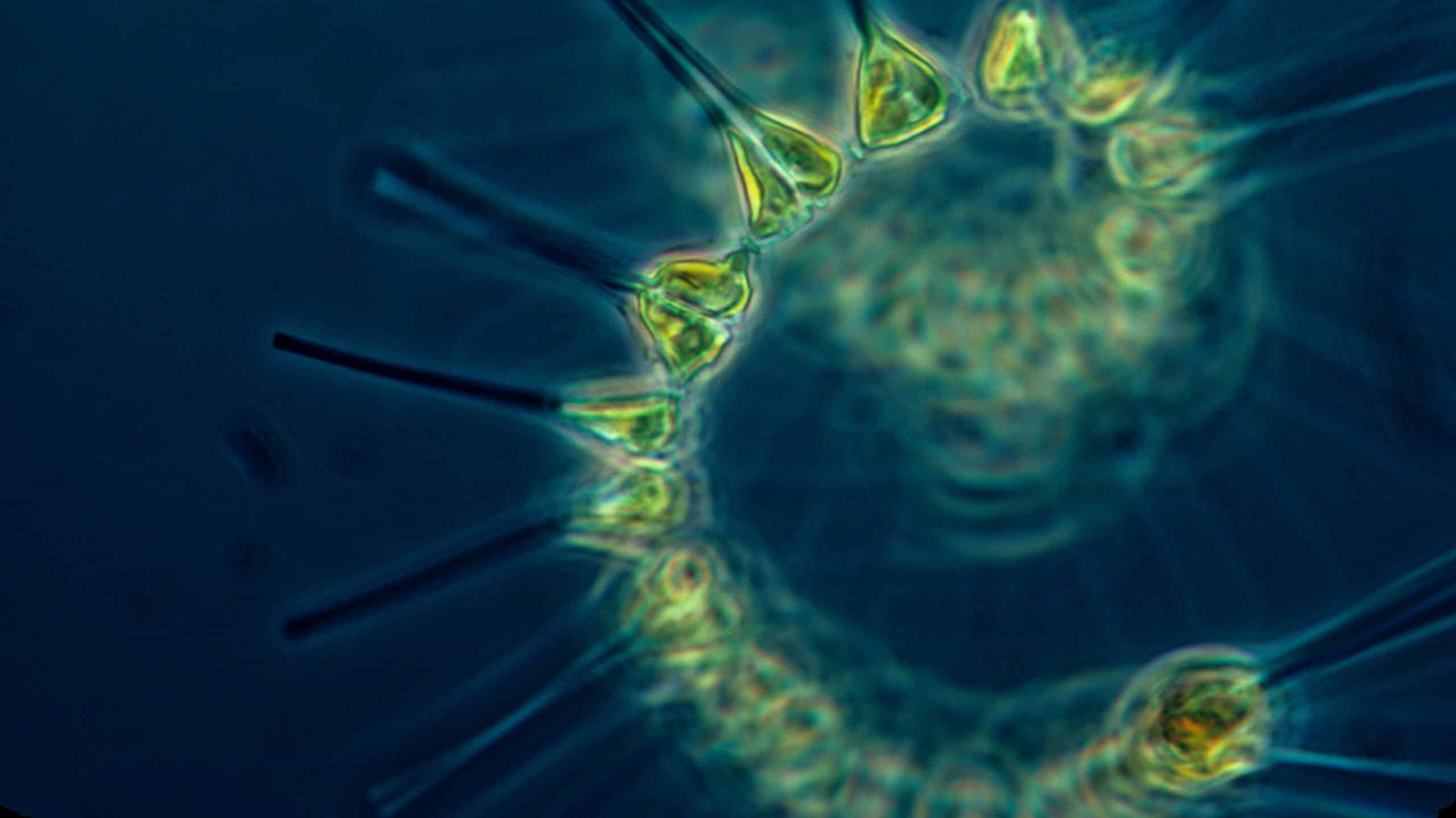
Various forms of marine life, primarily zooplankton, feed on phytoplankton.
©Porco_Rosso/Shutterstock.com
Ecological
According to Moore, “There are broad ecological impacts to marine darkwaves.”
“Reduced light has significant effects across many species, especially photoautotrophs such as macroalgae, seagrasses, and phytoplankton, which depend on sunlight for photosynthesis and energy production,” she elaborates. “Visual predators are also affected, as lower light levels reduce their ability to detect and capture prey.”
Additionally, when macroalgae, seagrasses, and phytoplankton—which form the base of the food chain—decline, the species that prey on them also suffer. This decline can lead to habitat loss, particularly in the deep sea.
Biological
Marine darkwaves can also cause disorientation among marine animals, especially those that rely on light cues. For example, some species use light as a sign for migration, feeding, and even reproduction. Without these cues, they might stray from their natural rhythm. Additionally, prolonged periods of darkness can cause severe physiological stress and even mortality.
Biogeochemical
When it comes to biochemical impacts, marine darkwaves can disrupt the ocean’s carbon cycle. As mentioned earlier, prolonged darkness reduces photosynthesis and contributes to habitat loss. Consequently, this can lead to less carbon sequestration.
It doesn’t just impact carbon levels, however. These periods of darkness can also reduce oxygen production in the water. Especially when triggered by sediment runoff, marine darkwaves can contribute to hypoxic conditions, or “dead zones.”
Species-Specific Tolerance and Adaptation
We briefly covered some of the many species impacted by marine darkwaves. However, the effects tend to be diverse.
“Different species vary in their physiological tolerance and adaptive capacity to cope with the intensity and duration of light-reduction events,” says Moore. “An organism’s ability to withstand these events depends on factors such as reliance on photosynthesis, visual behavior, and specific physiological thresholds.”
For example, macroalgae, seagrasses, and phytoplankton require light for photosynthesis and energy production. Many predators also depend on sunlight for hunting, and some species rely on it for reproduction.
“Laboratory experiments show that even a few days of darkness can impair the physiology and primary productivity of macroalgae and seagrasses,” says Moore. “Additional experiments simulating a 35-day intense darkening event resulted in decreased phytoplankton biomass and shifts in overall community composition (Thoral et al., 2026).”
These studies highlight the devastating impacts of marine darkwaves, which can last for months but begin to disrupt habitats within just a few days. The longer, more intense episodes can even cause mass mortality among such species that require sunlight to survive. Unfortunately, though scientists are increasingly aware of this newly recognized threat, effective and sustainable mitigation seems unlikely in the near future. In fact, it will likely continue to worsen.
Reduced light has significant effects across many species, especially photoautotrophs such as macroalgae, seagrasses, and phytoplankton, which depend on sunlight for photosynthesis and energy production.
Dr. Tiara Moore, Founder and Chief Executive Officer (CEO) of Black In Marine Science (BIMS)
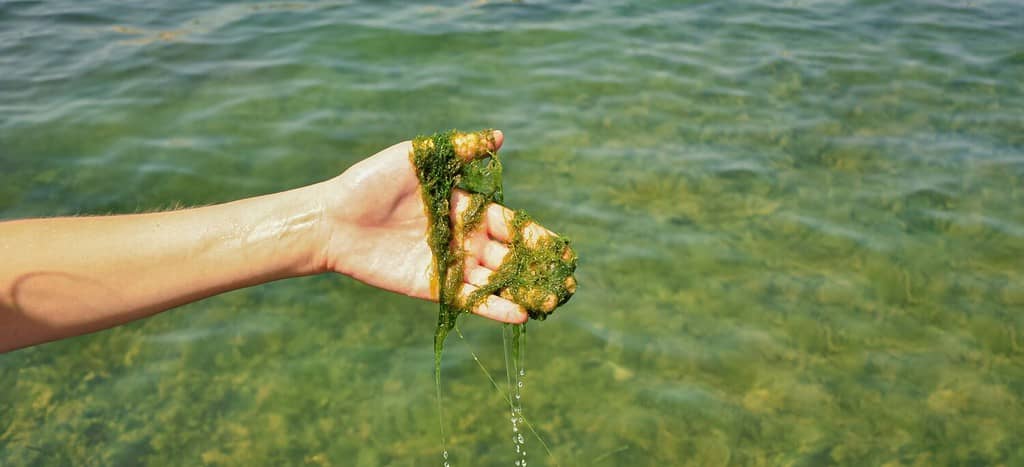
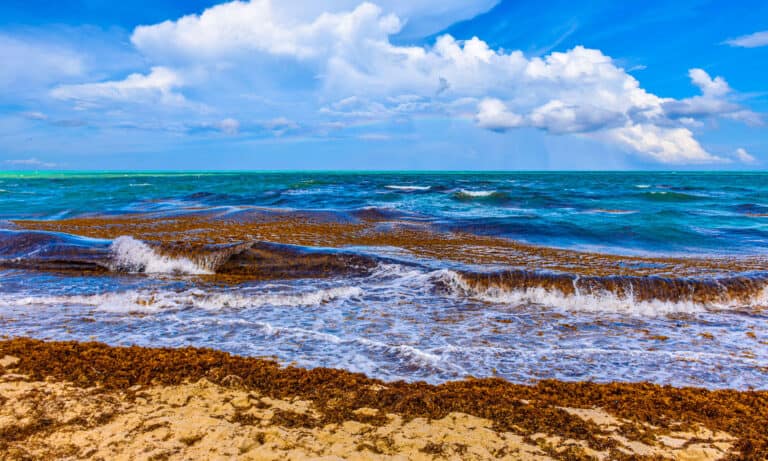
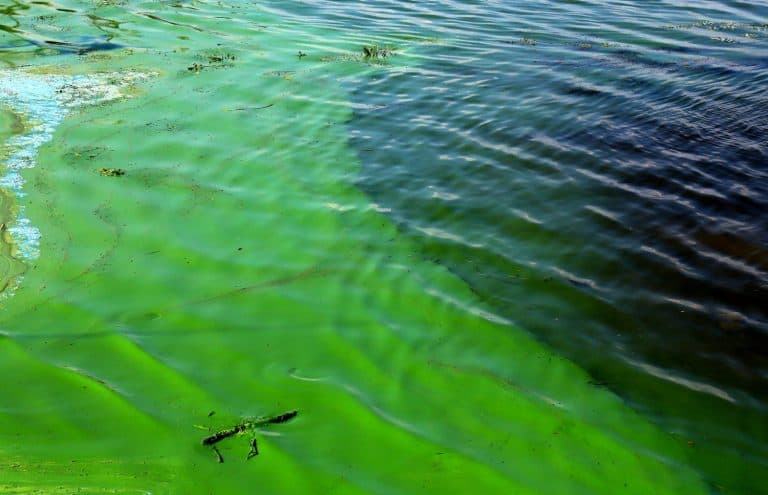
Algal overgrowth within the ocean can lead to hypoxia (low oxygen).
©Elif Bayraktar/Shutterstock.com
“These phenomena are becoming more common due to long-term declines in water clarity associated with climate change, human activities, increased land-based runoff, coastal erosion, dredging, and more,” says Moore.
As mentioned earlier, the driving forces behind marine darkwaves include storms, sediment runoff, algal blooms, and murky waters. While some of these factors are beyond our control, others—such as poor water quality and algal overgrowth—are influenced by human activity. Scientists are currently working to better understand the impacts of marine darkwaves, as well as how to properly measure and address them.