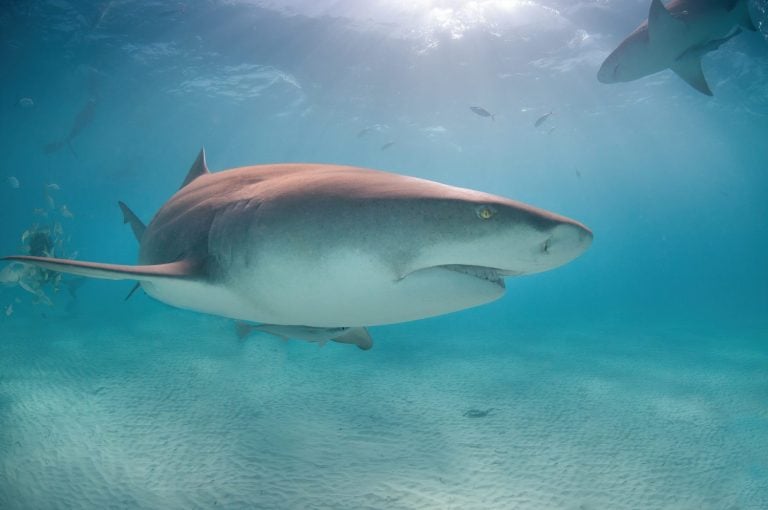
The chances of being bitten by a shark are not great. When swimming at the beach, the odds are one in 11.5 million. However, when sharks bite people, massive media attention is paid, making it appear that shark bites are on the rise. In reality, though, the number of unprovoked shark attacks is on the decline.
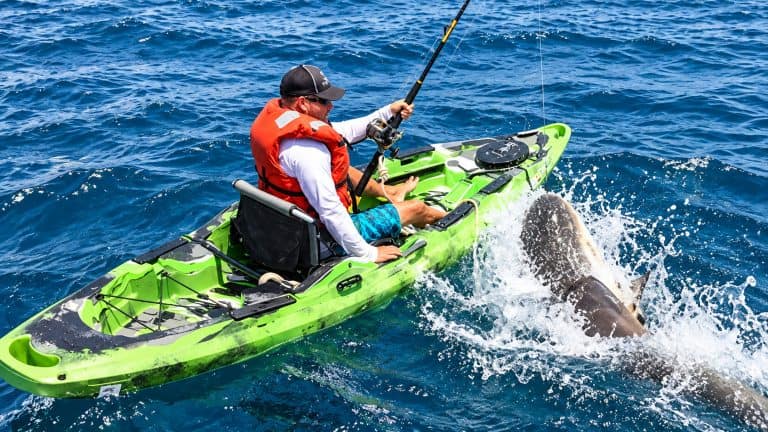
Many of the unprovoked attacks that occur happen when ocean-based activities unintentionally bring sharks into contact with people. In the case of a man fishing in South Africa, a suspected sandbar shark became entangled in his fishing line. When he and another man waded into the ocean and attempted to release the shark, it was then that the creature latched onto his arm. While the man was eventually able to free himself after being bitten by the shark, there were things he did both correctly and incorrectly in the situation.
What Happened?

After the shark was caught on fishing line, the man tried to release it and was bitten by the shark in the process.
©SiestaImage/Shutterstock.com
When a shark attacks, it is easy for all logic to cease due to fear setting in. Fortunately, the man involved in the shark bite did many things right, which ultimately allowed him to walk away and fish another day.
After the man realized that the shark was stuck on his fishing line, he did the humane thing by trying to remove the hook from its mouth. Studies have shown that smaller hooks are not harmful to sharks and will eventually rust away, but larger hooks can become embedded and cause severe injury.
When entering the water, the man did not go alone. This was one of the first things he did right, as sharks are less likely to attack if there are multiple people in the water versus one.
After the shark bit the man, he remained calm. This allowed him to keep his wits about him and work with his partner to free his arm from the shark’s mouth. Additionally, once the man was able to get himself freed from the shark’s mouth, he immediately got out of the water to avoid being bitten by the shark again.
What Did the Man Do?

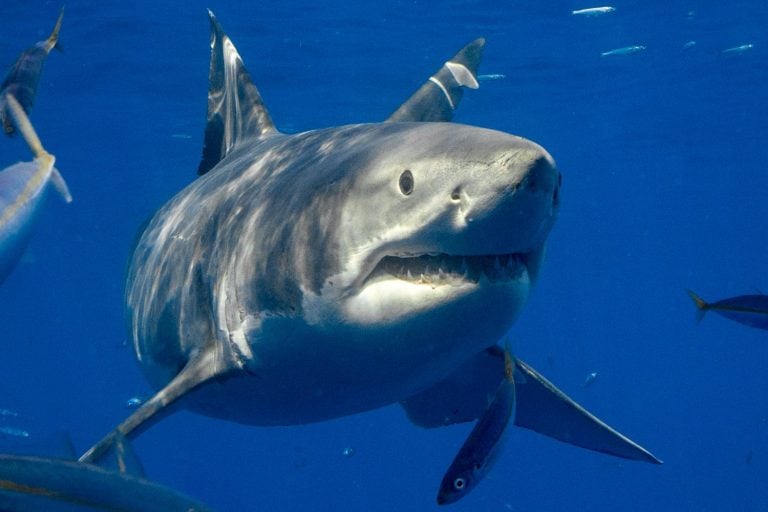
The sandbar shark swam away after the attack, but there were a few things the man could have done differently when attacked.
©Ruben Martinez Barricarte/Shutterstock.com
While the man was able to walk away from the shark attack, there were some things that he could have done better to ensure he did not make his situation worse once the shark bit him, or perhaps to not have gotten bitten in the first place.
Depending on the size of the hook that was lodged in the shark’s mouth, it is possible that the line could have been cut as close as possible to the shark. This is especially true if the hook was made of carbon or mild steel, which rusts out within a few weeks of being in the water.
It is recommended to stay out of the water where there is limited visibility to avoid shark bites. Given that the water was churning where the shark was located, the shark likely believed the man’s arm was a fish, and that is why he latched onto it.
The man tried to remove his arm from the shark by having his friend pry the shark’s jaws open. However, this could have caused more harm to his arm or made the shark bite down harder. Instead of doing this, the man should have taken different steps to free himself, according to Chris Lowe of California State University, Long Beach Shark Lab.
“If a shark bites you, what we recommend is you should hit the shark in the eye, in the nose, or stick your hand in the gills,” Lowe explains in an instructional video. “Those are all sensitive tissues, and quite often, it causes the shark to release.”
Finally, once the shark was released back into the water, the man walked back toward the beach calmly. This was absolutely the correct behavior. But, instead of keeping his eyes on the water, the man looked directly at the beach with his back to the shark. By turning his back on the shark, the man could not see if it was returning and was unable to react to any further attacks.
Fortunately, his partner and another man were in the water, so they could warn if the shark was swimming back toward shore. However, in cases of a shark attack, it is imperative to keep an eye on the shark in case it returns to attack again.
How to Survive Being Bitten By a Shark
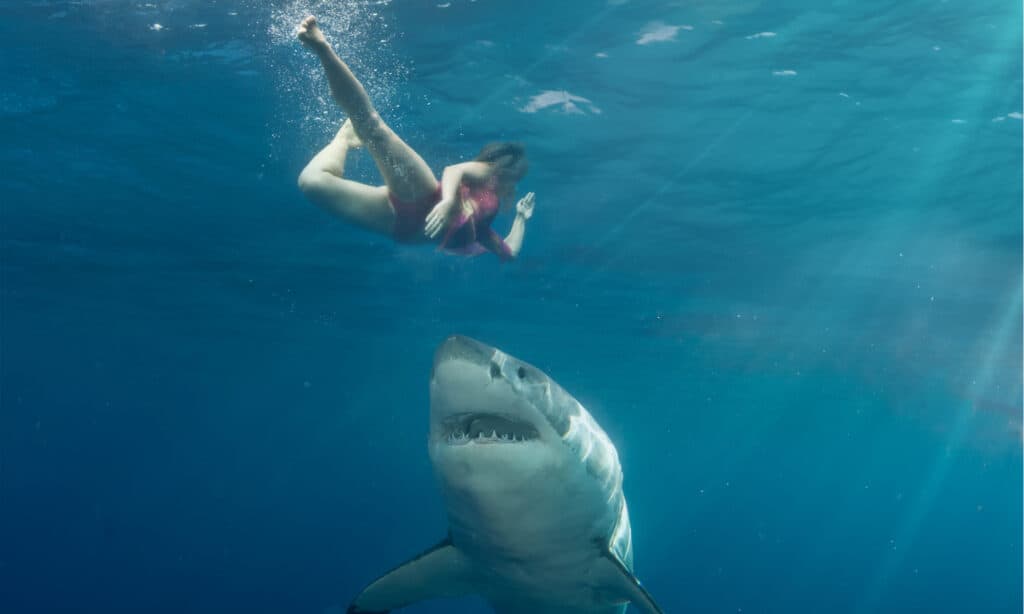
While shark attacks are rare, they do happen, and there are ways people can be prepared should an attack occur.
©Willyam Bradberry/Shutterstock.com
Unfortunately, days spent at the beach to make memories can turn into nightmares should a shark bite occur. While they are rare, unprovoked shark bites do happen. Knowing how to handle the situation could mean the difference between living and having a story to tell versus a day in the sun turning into tragedy. When a shark attack occurs, the tried-and-true ways of surviving the attack include:
- Pack a medical kit to help with injuries before help arrives, which includes tourniquets, gauze, bandages, and the like
- Remain calm after being bitten
- If the shark lets go, get out of the ocean as soon as possible, keeping an eye on the shark
- Call 9-1-1 immediately
- Seek help from lifeguards if on duty
- Have the victim lie on their side if feeling weak from the shark bite
- Apply pressure to the bite area, and if bitten on the upper arm, inner thigh, or leg, apply a tourniquet
- Wrap the victim in blankets to keep them from going into shock
Shark bite victims can die within a matter of minutes if the bite is a bad one. Therefore, the sooner medical attention is received, the better the victim’s chances of survival and recovery.
Ways to Prevent Being Bitten by a Shark
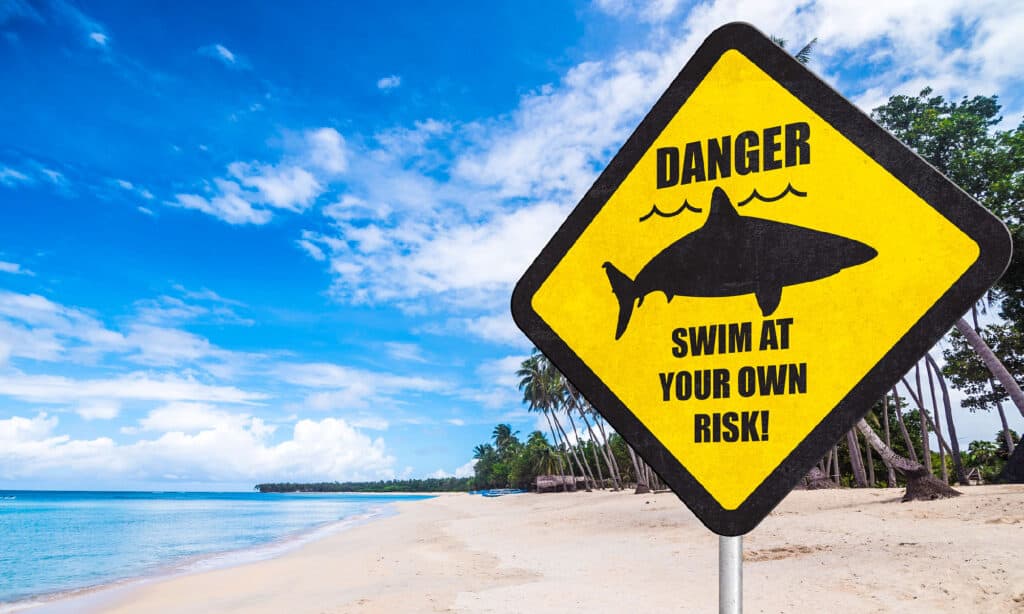
To prevent shark attacks, certain precautions can be taken to deter sharks from approaching.
©iStock.com/Michael Edwards
When splashing or swimming in the ocean, people are entering a shark’s environment. Even if people do not see them, some species of shark tend to come closer to shore than others. When this happens, all it takes to spark an attack is a sudden movement or glimpse of sparkle in the water. This is why it is essential to know what to do when playing in the surf to minimize interactions with sharks.
The ways to avoid being bitten by a shark include:
- Do not swim alone, as sharks are more likely to attack when a person is alone in the water
- Stay out of water that is near river mouths or has poor visibility not to be mistaken for prey
- Do not wear shiny jewelry in the water that can be mistaken for fish scales, as it shimmers in the sun
- Do not make big splashes or swim erratically in the ocean
- Stay out of the water at dusk and dawn, when sharks are most active
- If seals, turtles, or large schools of fish are in the water, stay clear, as sharks may come to investigate
- Stay away from areas where people are fishing in the ocean
- Do not wear bright colors in the ocean, as it can attract sharks, given their poor vision
- Stay close to shore, where sharks are less likely to be swimming
- If signs state sharks have been spotted in the water, do not enter the water
These recommendations are not meant to discourage people from swimming in the ocean. Instead, they are intended to significantly reduce the chances of a shark bite, allowing beachgoers to enjoy their day safely while also protecting sharks from unnecessary encounters with humans.