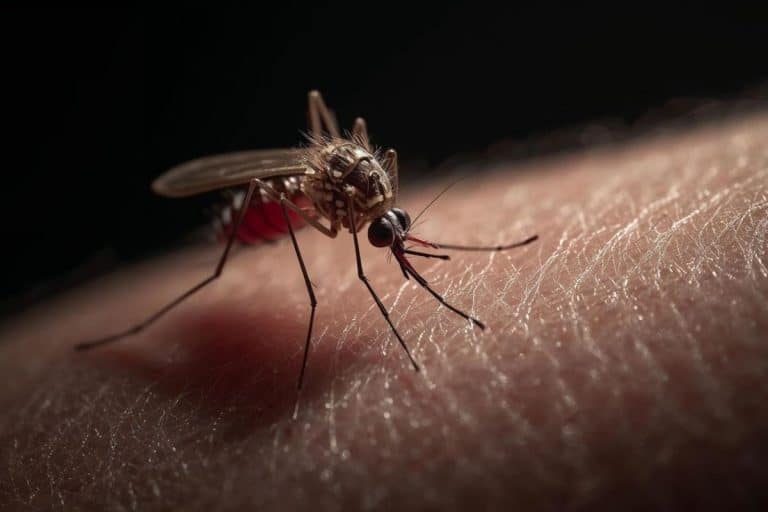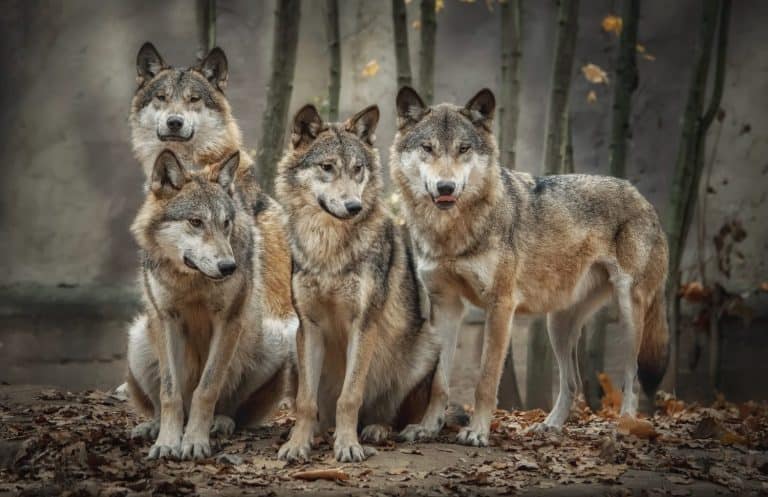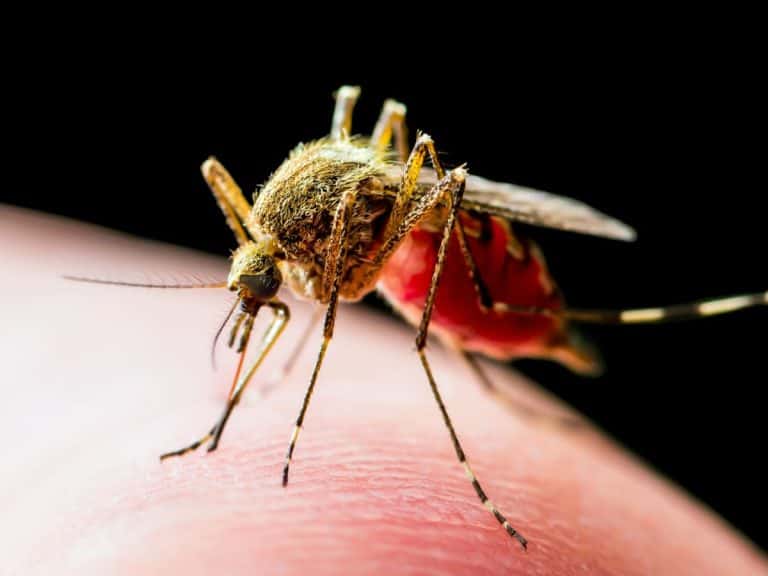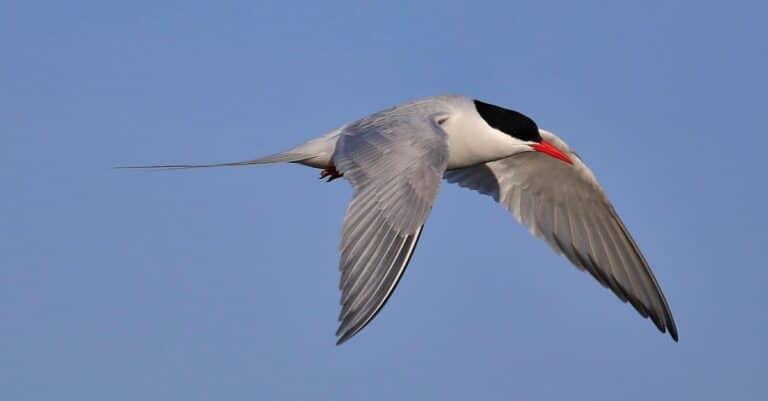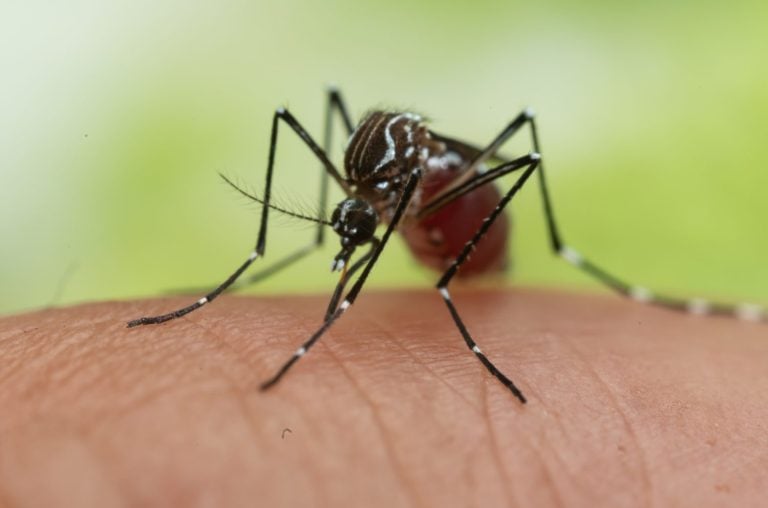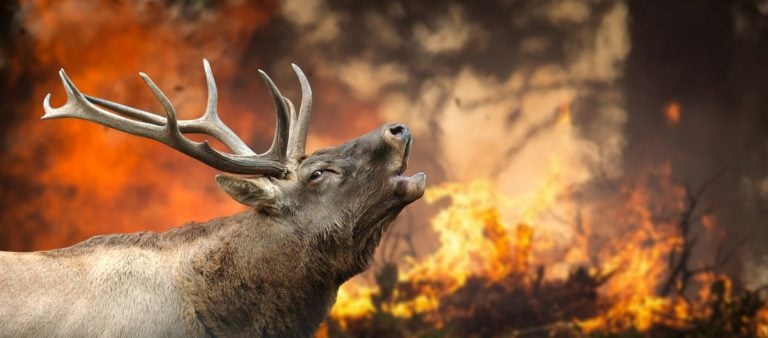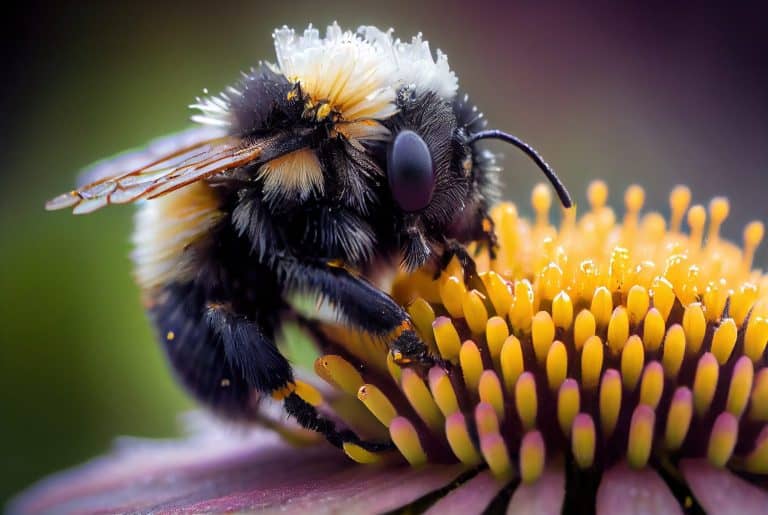

Getting rid of mosquitoes might sound like a dream come true—especially to those who’ve endured itchy bites or battled mosquito-borne diseases. But the idea of eradicating them entirely raises all sorts of ecological, medical, and ethical questions. In spite of their small size, mosquitoes play significant roles in the natural world, from feeding wildlife to pollinating plants. Eliminating them could have ripple effects that are far worse than the annoyance and dangers posed by mosquitoes and mosquito-borne illnesses. It isn’t necessary to drive this species to extinction to get relief, though. We’ll share some best practices to help you and your pets avoid the buzzing and biting of mosquitoes.
Mosquitoes in the Ecosystem
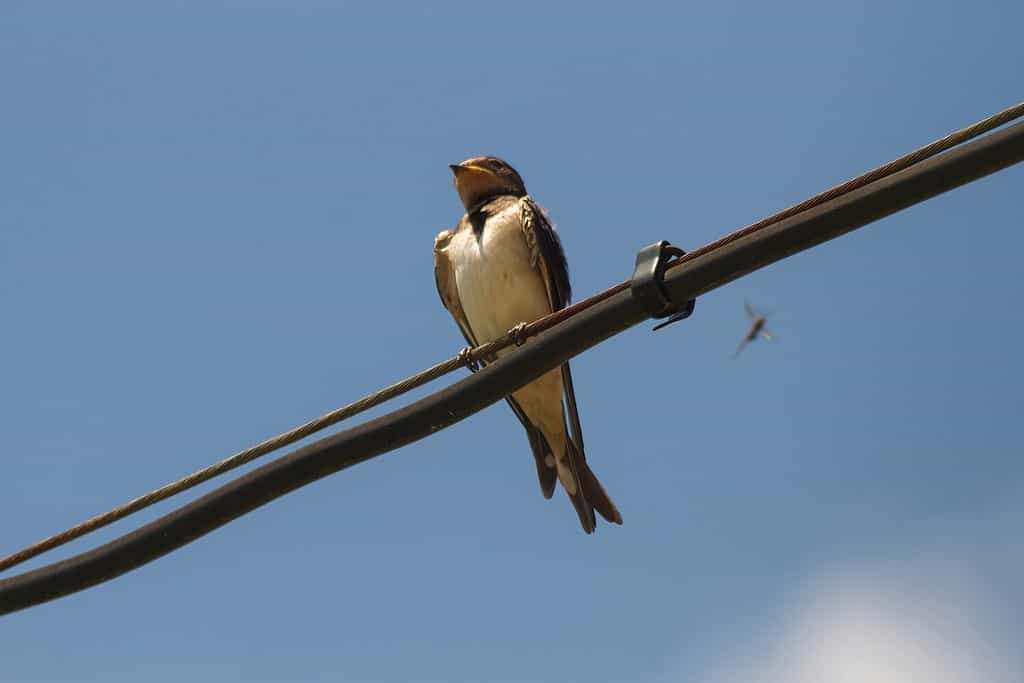
Mosquitoes are a significant part of the diet of many species of birds, fish, insects, and bats.
©Sigur/Shutterstock.com
We may see them as terrible pests, but mosquitoes actually contribute a lot to ecosystems. In their larval stage, they feed on microorganisms and break down organic debris, which helps keep aquatic environments functioning. The larvae themselves serve as protein for fish, amphibians, aquatic insects, and some birds.
In their adult form, mosquitoes pollinate plants and are abundant prey for bats, birds, and spiders. They even influence animal migration patterns. This is especially the case in the Arctic, where in warm weather they swarm in large numbers. Caribou avoid those areas, relieving over-browsing of fragile tundra plants. Conversely, some migratory birds flock to those areas to eat the mosquitoes, having a gentler touch on the plant life and fertilizing it with their droppings in an otherwise resource-poor environment.
Their Surprising Role as Pollinators
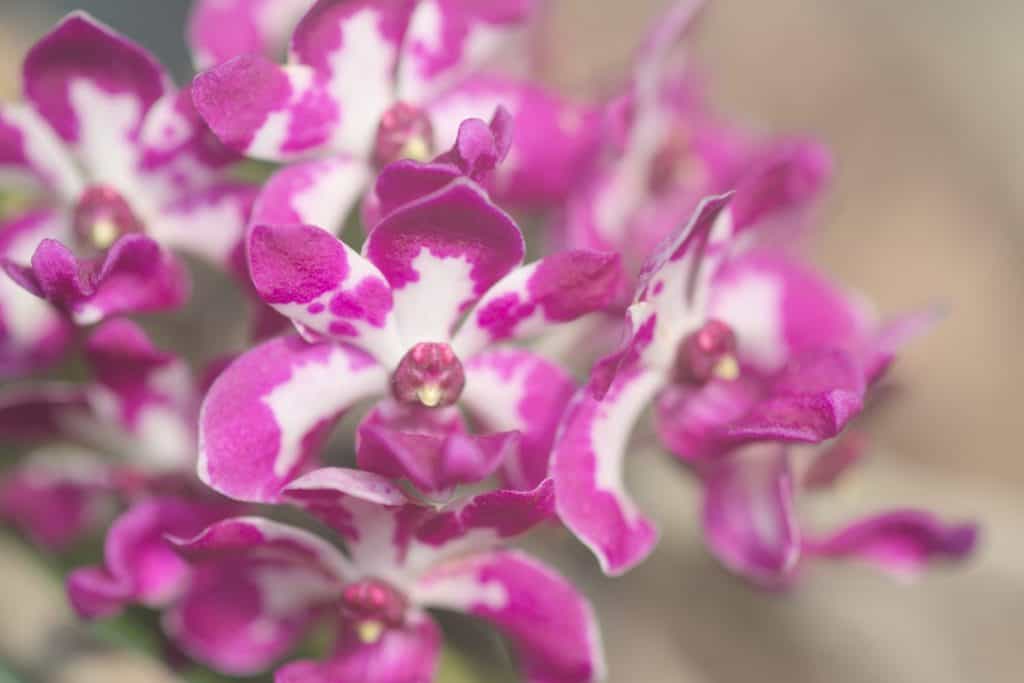
Orchids are one of the plant species that mosquitoes help pollinate.
©JRST/Shutterstock.com
While we rarely associate mosquitoes with flowers, many species—particularly males—feed on nectar rather than blood. In doing so, they inadvertently pollinate plants. In some wetland ecosystems, particularly in cold regions, they serve as important pollinators for orchids, goldenrod, and other flowering species.
The Danger Mosquitoes Pose to Human Health
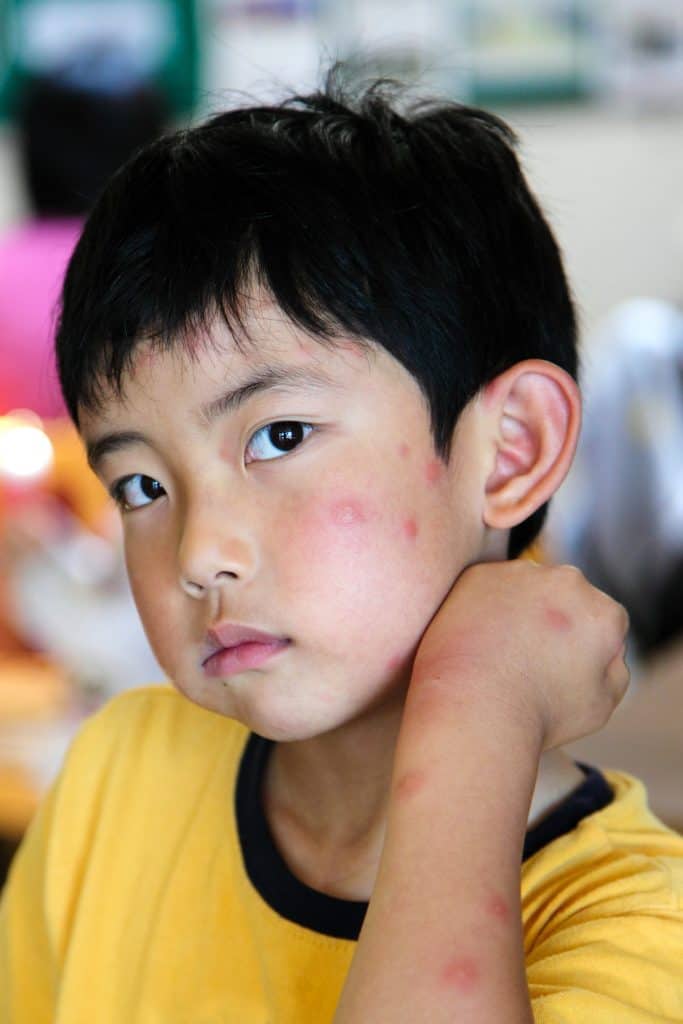
Mosquito bites can transmit deadly diseases that often strike the young hardest of all.
©Ronnie Chua/Shutterstock.com
Despite their ecological value, mosquitoes are also the world’s deadliest animals, contributing to the deaths of 700,000 people a year. They transmit a range of serious diseases, including malaria, dengue fever, Zika virus, West Nile virus, chikungunya, yellow fever, and Eastern equine encephalitis.
Public health campaigns have made major progress in some areas. For example, yellow fever has not been endemic in the United States for many decades, largely due to vaccination and mosquito control. However, completely eradicating mosquito-borne diseases remains difficult because mosquitoes are highly adaptable, widespread, and numerous. With these high stakes, scientists and health officials continue to search for more targeted, effective solutions.
What Would Happen If Mosquitoes Disappeared?
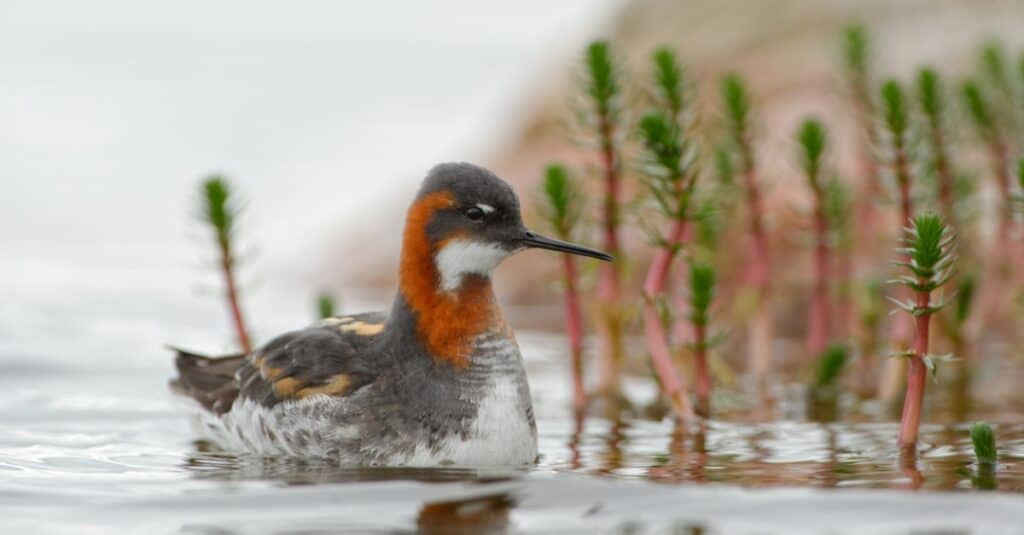
The red-necked phalarope has the second largest migratory route in the world. Mosquitoes are a significant food source for it.
©iStock.com/phototrip
The danger posed by mosquitoes raises the question of whether this may be a case where the planned extinction of the species could be beneficial. However, eradicating mosquitoes altogether could destabilize entire food webs. Predators that rely on them—especially those in mosquito-rich areas—might struggle to adapt quickly. While many of these animals could eventually shift to other prey, the sudden disappearance of such a prolific insect could lead to food shortages or stress in already vulnerable species.
Some scientists argue that other insects could fill similar ecological roles over time, but this transition wouldn’t be immediate or seamless. Mosquitoes represent a vast amount of biomass in many regions, and losing them could cause temporary gaps in the food supply that reverberate through the ecosystem. In summary, life would continue without mosquitoes, but not without significant disruption. Some higher-order plants and animals that depend on mosquitoes for pollination or as prey might face extinction if they cannot adapt quickly enough.
Eradication Attempts
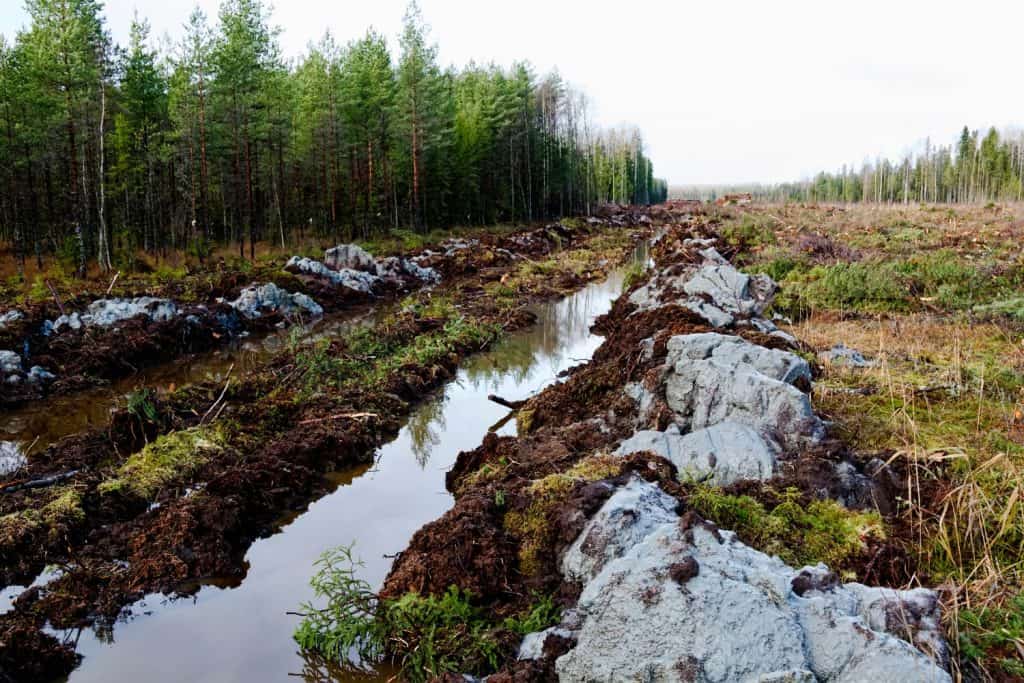
This is a drainage ditch built to siphon water away from a swampy northern forest. Draining wetlands was, in the past, a key strategy used to control mosquito populations.
©Maximillian cabinet/Shutterstock.com
Efforts to control mosquitoes have a long and sometimes controversial history. In the 20th century, strategies often involved draining wetlands, applying chemical larvicides, or spraying pesticides on a wide scale. While these methods occasionally reduced mosquito populations, they also harmed other species and sometimes caused long-term environmental damage. More recently, integrated mosquito management has emerged as a more balanced approach. It emphasizes habitat modification, selective use of pesticides, and biological controls, all with the goal of minimizing ecological fallout.
Are GM Mosquitoes the Answer?
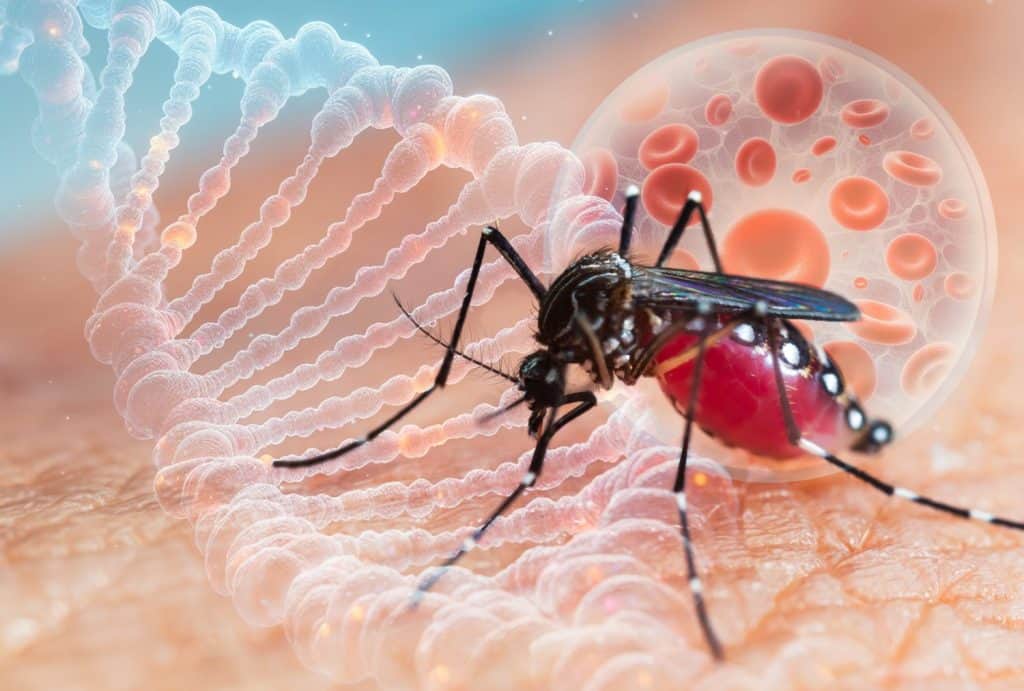
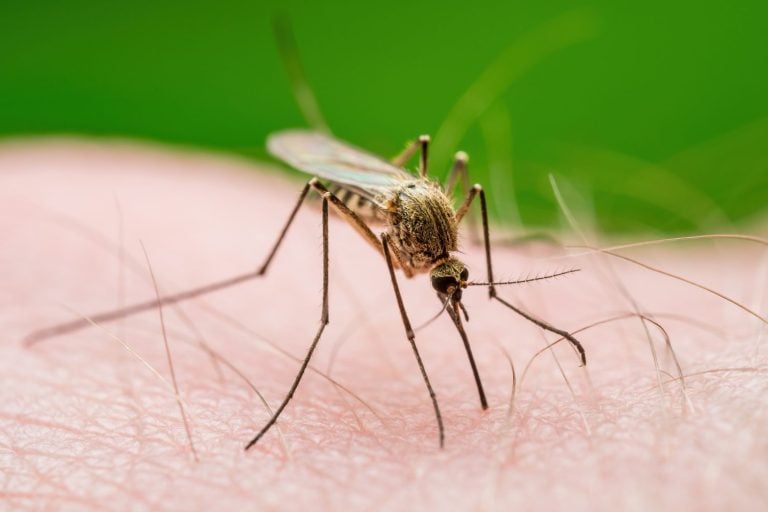
Aedes aegypti mosquitoes like this one have been genetically modified and released in Florida to control the mosquito population.
©frank60/Shutterstock.com
One of the most innovative experiments in mosquito control took place in the Florida Keys. Starting in 2021 and expanding in 2022, scientists released millions of genetically modified Aedes aegypti males—engineered so that their female offspring wouldn’t survive to adulthood. Since only female mosquitoes bite and spread disease, this effectively reduced the population without introducing more biting insects.
Initial reports from the trial indicated a reduction in local Aedes aegypti numbers and no observed negative effects on other species, but final results are still pending as post-release monitoring continues.
Better Ways to Manage Mosquitoes
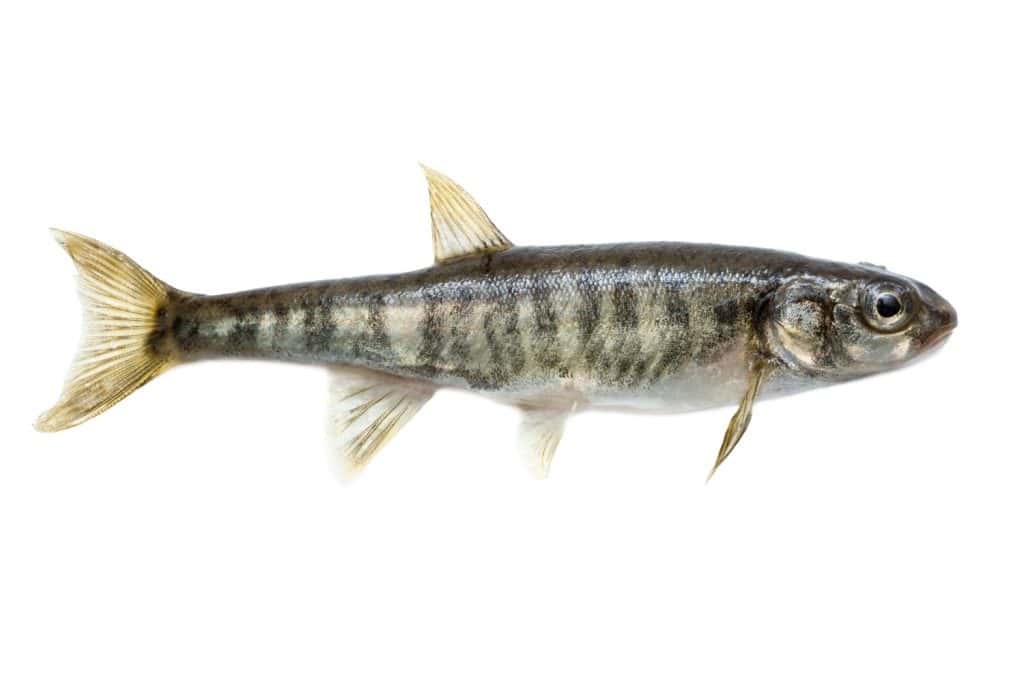
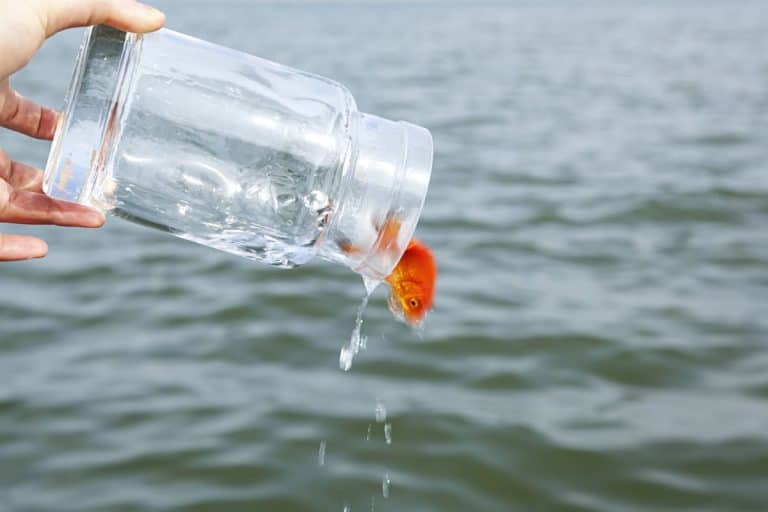
Minnows and bats are examples of species that consume vast numbers of mosquitoes. Introducing and protecting them in the environment can be a sound mosquito-control. strategy.
©Konjushenko Vladimir/Shutterstock.com
While global eradication might not be feasible—or desirable—there are plenty of smart, science-backed strategies to manage mosquitoes and reduce disease risk. Ecologically sound mosquito control involves coordinated community efforts focused on long-term prevention rather than blanket eradication. In tropical countries with limited health infrastructure and sanitation, this can include distributing insecticide-treated bed nets and window and door screens and teaching people about the need to drain or cover standing water. It can also include introducing and protecting mosquito predators like minnows, guppies, bats, and birds.
One of the most effective mosquito larvicides is Bacillus thuringiensis israelensis (Bti) is a naturally occurring soil bacterium used as a safe way to kill mosquito larvae without harming humans, pets, wildlife, or beneficial insects. When ingested by mosquito larvae, it disrupts their digestive system, killing them within hours, while leaving other species unaffected. Bti breaks down quickly in the environment, leaves no harmful residue, and is approved by health authorities worldwide, making it one of the most eco-friendly and effective tools for mosquito control—especially in areas where chemical pesticides pose greater risks.
Protecting Yourself and Your Home
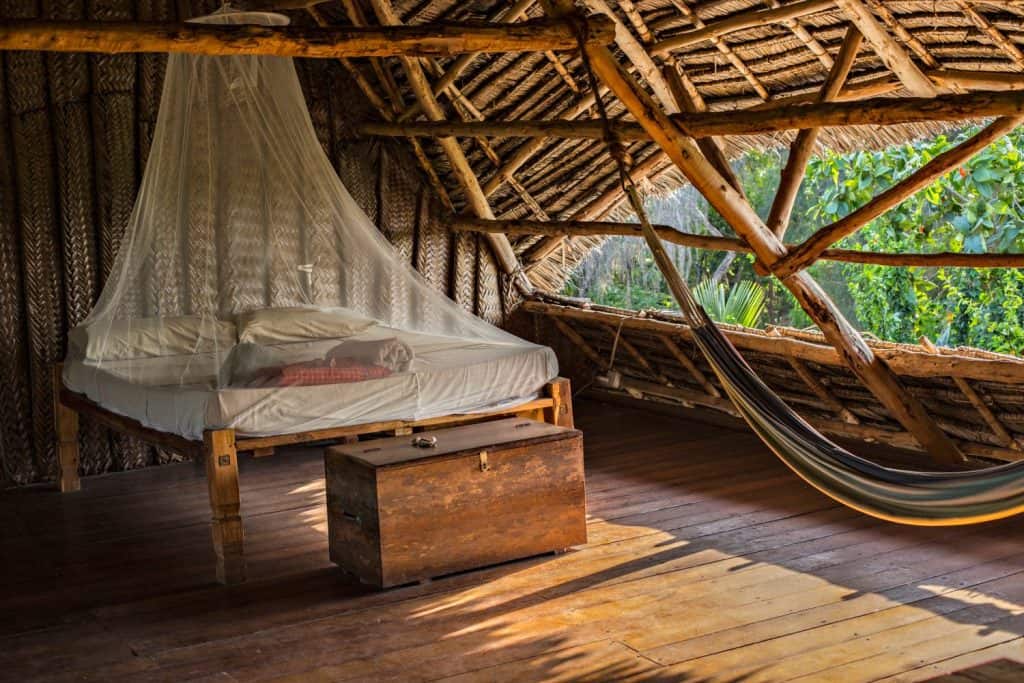
Mosquito nets are a solid choice if you live without air conditioning or are on vacation. This is a traditional Zanzibar hostel.
©Sun_Shine/Shutterstock.com
Individuals can protect themselves from mosquitoes by combining physical barriers, smart habits, and targeted repellents. Wearing long sleeves and pants—especially at dawn and dusk when mosquitoes are most active—can reduce bites, while applying EPA-approved repellents like DEET, picaridin, or oil of lemon eucalyptus offers reliable protection. At home, installing or repairing window and door screens keeps mosquitoes out, and using fans (indoors or on porches) can help deter them, as mosquitoes are weak fliers. Sleeping under mosquito nets adds another layer of defense, especially in tropical regions or areas without air conditioning.
To reduce mosquito breeding around the home, it’s essential to eliminate standing water. Empty and scrub containers like buckets, birdbaths, and plant saucers at least once a week, and make sure gutters drain properly. Cover rain barrels, store unused tires indoors or dispose of them, and keep yards free of clutter that can collect water. Even small efforts—like cleaning pet water dishes regularly—can prevent thousands of mosquito eggs from hatching.
Bug Zappers?
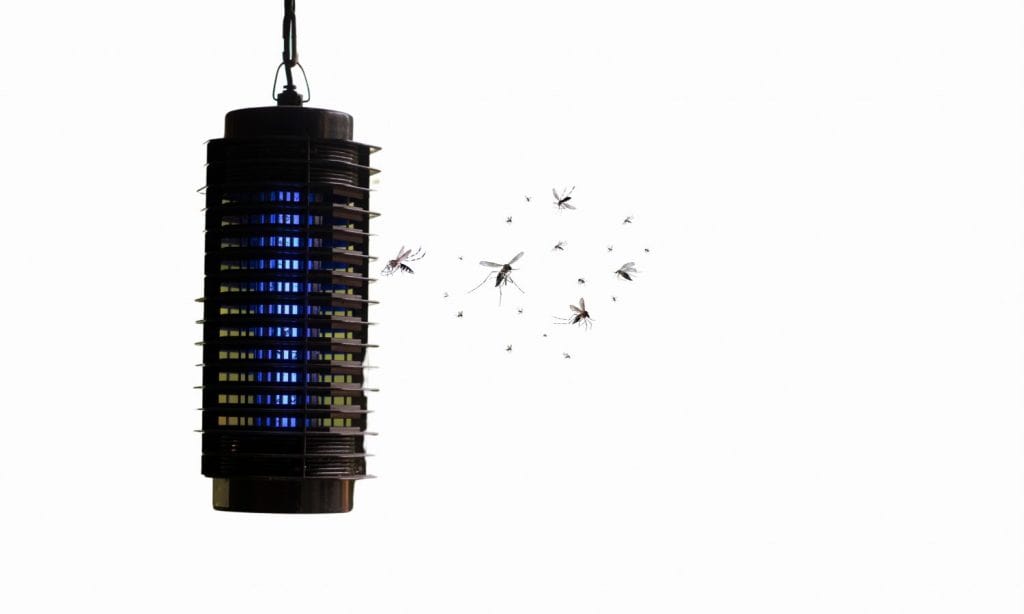
Bug zappers are largely ineffective against mosquitoes.
©Sumuditha2006/Shutterstock.com
What about bug zappers? Not so much. Bug zappers use ultraviolet light to attract insects, which are then electrocuted, but mosquitoes are not strongly attracted to UV light. Studies show that these devices actually kill large numbers of harmless or beneficial insects like moths, beetles, and pollinators. And some of those are species that feed on mosquitoes!
The Bottom Line

They man annoy you, but mosquitoes are vital to our ecosystem.
©Roman Samborskyi/Shutterstock.com
Mosquitoes may seem like nothing more than a nuisance, but their ecological role runs deep. They feed countless species, recycle nutrients, pollinate plants, and—even indirectly—shape migration patterns in the far north. Their complete removal from the planet could cause far-reaching disruptions to biodiversity and food webs.
At the same time, they’re vectors for deadly diseases that demand our attention and action. The future of mosquito control lies in innovation—not elimination. This includes environmentally friendly controls and, in some cases, genetic interventions. For now, the best mosquito management blends biological, physical, and targeted chemical strategies—protecting both public health and the balance of nature.