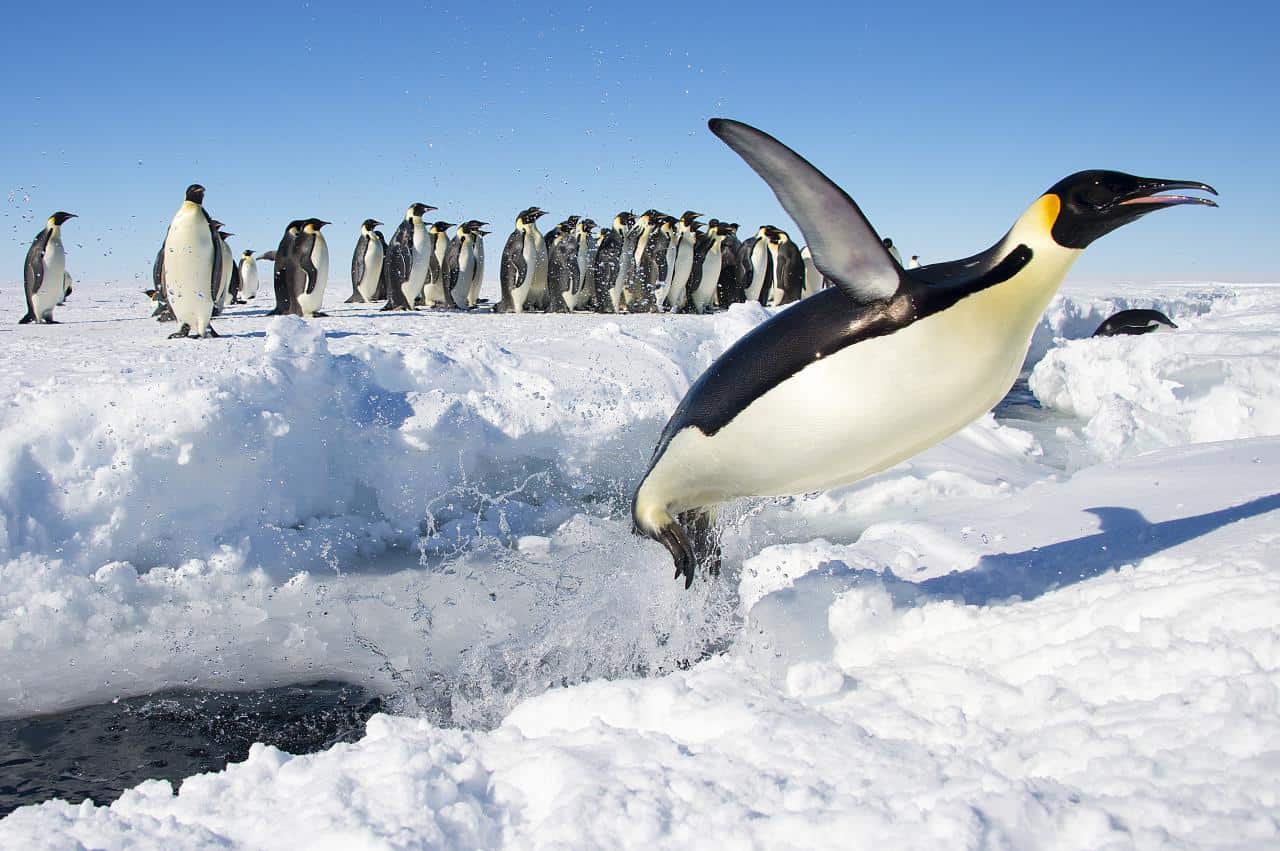

Emperor penguins are a well-known species found only in Antarctica. These resilient creatures can survive even the harshest winters, relying on sea ice for foraging and breeding. However, due to climate change and melting sea ice, the species is highly vulnerable. In fact, there has been a massive decline in emperor penguin numbers over the last several years—more than double the previously estimated decrease, according to scientists. You might be wondering: What, exactly, is driving this steep decline of the penguins? Let’s explore climate change’s impact on the species and how habitat loss is contributing to the issue.
What Are Emperor Penguins?
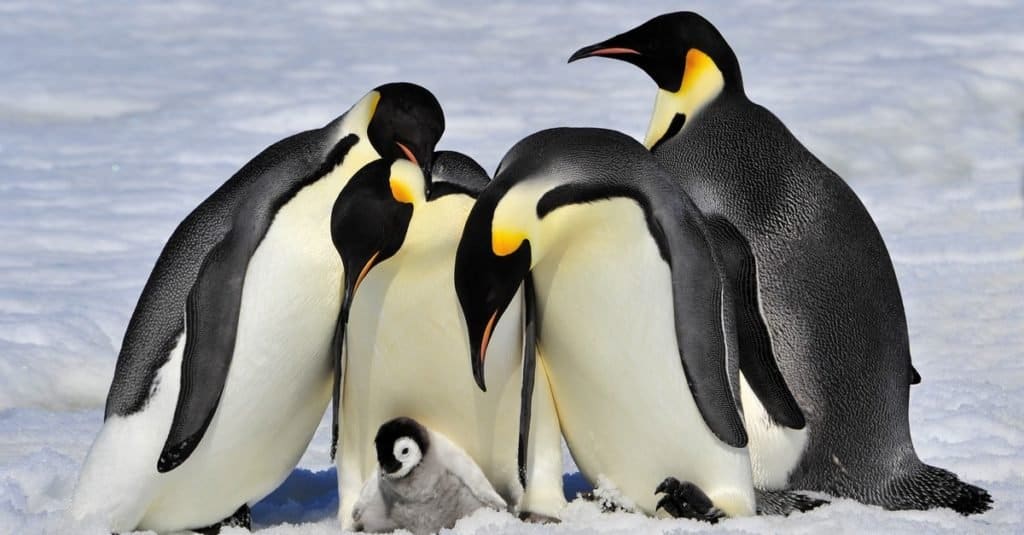
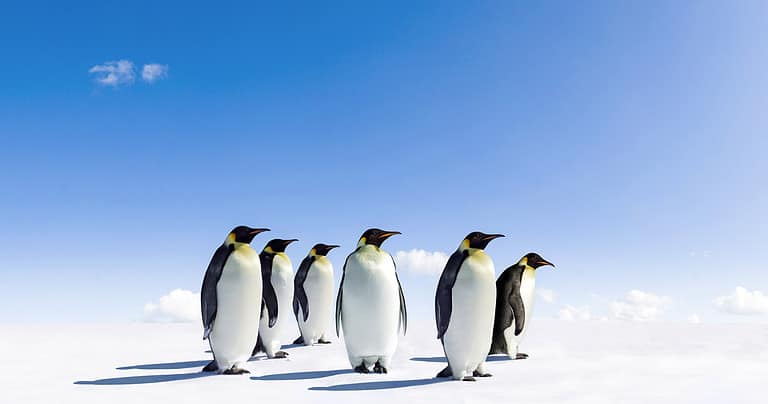
Emperor penguins have that classic “tuxedo” look.
©vladsilver/Shutterstock.com
Emperor penguins are the tallest and heaviest species of penguins, reaching heights of over 4 feet and weighing over 50 pounds. They live exclusively in Antarctica, primarily along the coast in locations like the Antarctic Peninsula and Weddell Sea. These creatures spend most of their lives on sea ice, relying on it for breeding, molting, and foraging. Unlike other penguin species, emperor penguins are winter breeders. The female lays a single egg on the sea ice, and the male incubates it for a few months in a brood pouch—a fold of skin on his abdomen.
Baby penguins, or chicks, will also use the stable sea ice as a molting space. During this time, the chick slowly develops its adult waterproof feathers. Without waterproof feathers, the chicks would freeze to death or drown. Emperor penguins can also withstand extreme weather conditions, like cold temperatures and strong winds. Unfortunately, however, this species is facing a major decline due to climate change and its impact on sea ice.
The Decline of Emperor Penguins

Unfortunately, emperor penguins are losing their habitats to climate change.
©Midnight In Summer/Shutterstock.com
A recent satellite analysis by the British Antarctic Survey has found that the estimated population of 16 penguin colonies across Antarctica has declined 22% between 2009 and 2024. Originally, scientists estimated this decline would be only around 10%—still concerning, but nowhere near as daunting as today’s reality.
“Satellite imaging shows that 2025 has set the lowest recorded amount of sea ice in 47 years,” Aaron Keesler, an animal expert and owner/operator of Your Cool Pet Store, tells A-Z Animals. “With their habitat shrinking, survival becomes increasingly difficult, and this decline will continue if nothing changes.”
Right now, emperor penguins are considered “near threatened.” This means the species is close to being threatened but not yet deemed “vulnerable,” “endangered,” or “critically endangered.” Of course, the risk of extinction is still present—especially given the rapid decline in such a short span of time.
What Is Driving the Decline?

Emperor penguins are experiencing a dwindling food supply.
©Altitude Visual/Shutterstock.com
Scientists and animal conservationists attribute the decline of emperor penguins to climate change. In particular, the loss of sea ice is directly impacting the animals’ breeding, molting, and foraging habits.
“The main repercussion of the loss of sea ice is the reduction of breeding grounds, along with unstable ice conditions before chicks can fully develop their waterproof feathers,” Keesler tells A-Z Animals.
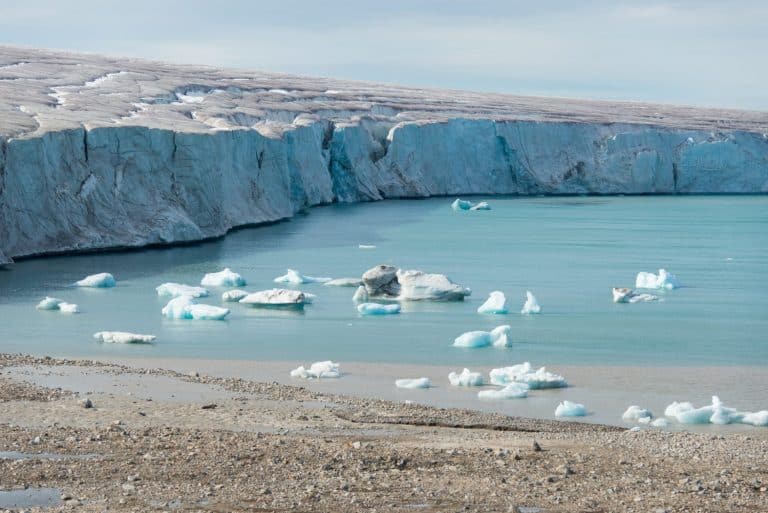
When the sea ice melts, it becomes weak, disintegrates, and separates—a process known as ice breakup. Unfortunately, this can cause chicks to drown before they’ve completed their molting process. Many chicks also become separated from their parents while still vulnerable and unable to forage for food. However, the baby penguins aren’t the only ones facing such consequences.
“Another major impact is the decline in krill and Antarctic silverfish populations, which are the emperor penguin’s primary food sources,” Keesler explains. “They are competing more than ever for a dwindling food supply, with the largest factor being the decline in sea ice.”
As a result, the penguins are forced to travel further distances to find food. This habitat loss also reduces their protection from predators. Without stable sea ice, the penguins must relocate, which can leave them exposed.
The main repercussion of the loss of sea ice is the reduction of breeding grounds, along with unstable ice conditions before chicks can fully develop their waterproof feathers.
Aaron Keesler, an animal expert and owner/operator of Your Cool Pet Store
How Can We Help Emperor Penguins?
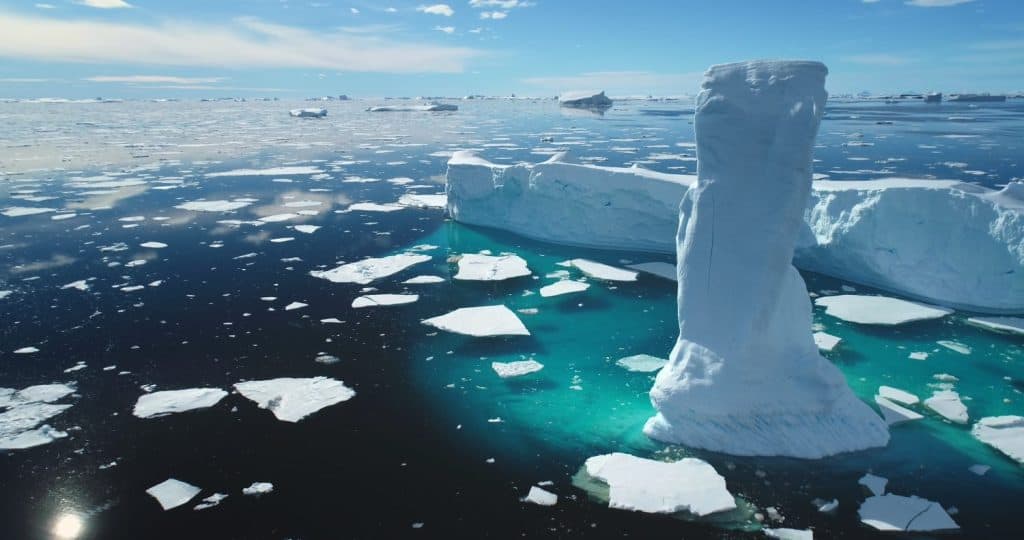
Experts are citing climate change as the driving force behind the emperor penguin’s sharp decline.
©Mozgova/Shutterstock.com
As Keesler so eloquently puts it, “Human influence reaches every corner of the globe, even through indirect contact.” Unfortunately, however, the decline in emperor penguins isn’t an immediately solvable issue. While we can all do our part to limit climate change, its impact has already been wreaking havoc for years. “Aside from reducing carbon emissions, there isn’t much we can currently do to slow climate change,” Keesler says.
Fortunately, the species isn’t yet listed as vulnerable or endangered according to its conservation status. “At the present time, the emperor penguin is classified as near threatened,” Keesler says. “If they reach the endangered level, human intervention through wildlife refuge centers may be the next necessary step to protect the species.”