
Quick Take
- The Extinct Animal Graveyard at the Bronx Zoo’s Boo at the Zoo features 11 globally extinct species represented by headstones and last-seen dates.
- It sits on a shaded lawn near the Mouse House and Giraffe Corner and is part of the Wildlife Conservation Society program.
- The display links extinction to human activity and encourages concrete actions like supporting habitat protection and opposing deforestation.
On a lawn inside the Bronx Zoo, rows of headstones display multiple animal species, making for an eerie display during the month of October. An Instagram post from an account known as Inside History recently featured this corner of the zoo, framing it as a cemetery for extinct species that never received a proper “burial” in the wild.
Officially known as the Extinct Animal Graveyard, this installation is a recurring feature of the Bronx Zoo’s Halloween festival, Boo at the Zoo. The zoo describes the display as “an eerie graveyard of animal species that are no longer with us,” inviting visitors to think about extinction and what conservation truly means in our modern era.
What makes this graveyard different from a typical zoo exhibit? Why does the Bronx Zoo continue this installation year after year? Here, we review the Bronx Zoo’s hidden cemetery display and what it means to witness it firsthand.
How the Extinct Animal Graveyard at the Bronx Zoo Works
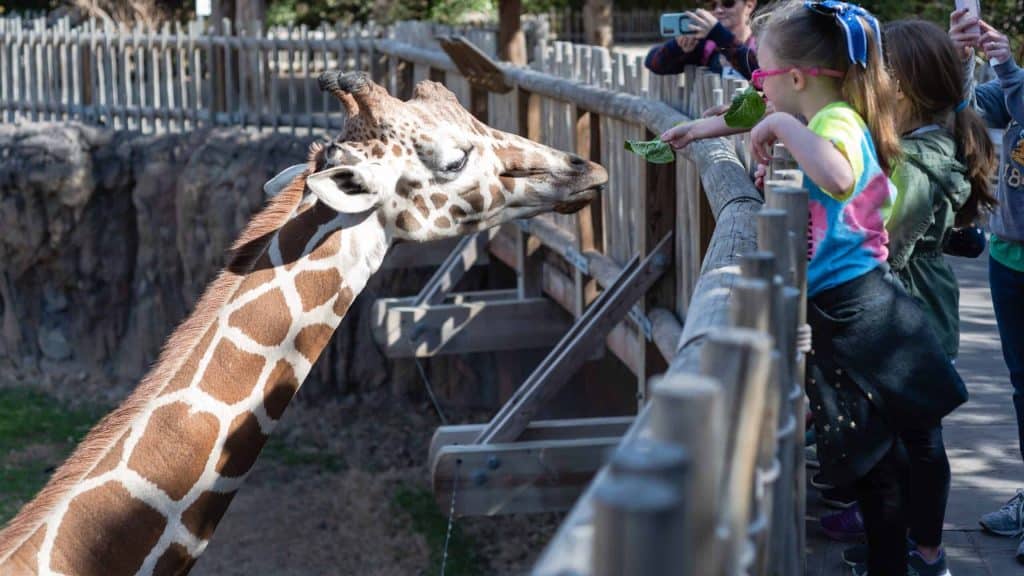
The Extinct Species Graveyard is near the giraffes at the Bronx Zoo.
©Trong Nguyen/Shutterstock.com
The graveyard at the Bronx Zoo is usually set up on a flat, shaded lawn near the Mouse House and Giraffe Corner, a secluded and contemplative area of this bustling venue. Multiple artists renditions of headstones are tucked away; visitors are invited to wander the grounds and explore what each epitaph represents.
Each headstone follows a simple template, revealing the species name, the animal’s home range, and a “last seen” decade or year. The dates stretch across more than three centuries, from the late 1600s to the late 1900s, and viral posts about the graveyard point out that there are 11 different extinct species represented, all lost in roughly the last 300 years.
At the entrance to the installation, a larger monument welcomes visitors to the “Extinct Species Graveyard” and explains why the stones are there in the first place, creating excellent additions to the zoo’s Halloween decor. The headstones represent the truth: these are only a few of the animals that vanished because of people, and many more could disappear if we don’t act through conservation efforts and enact true change.
The Bronx Zoo Graveyard’s Eleven Extinct Species
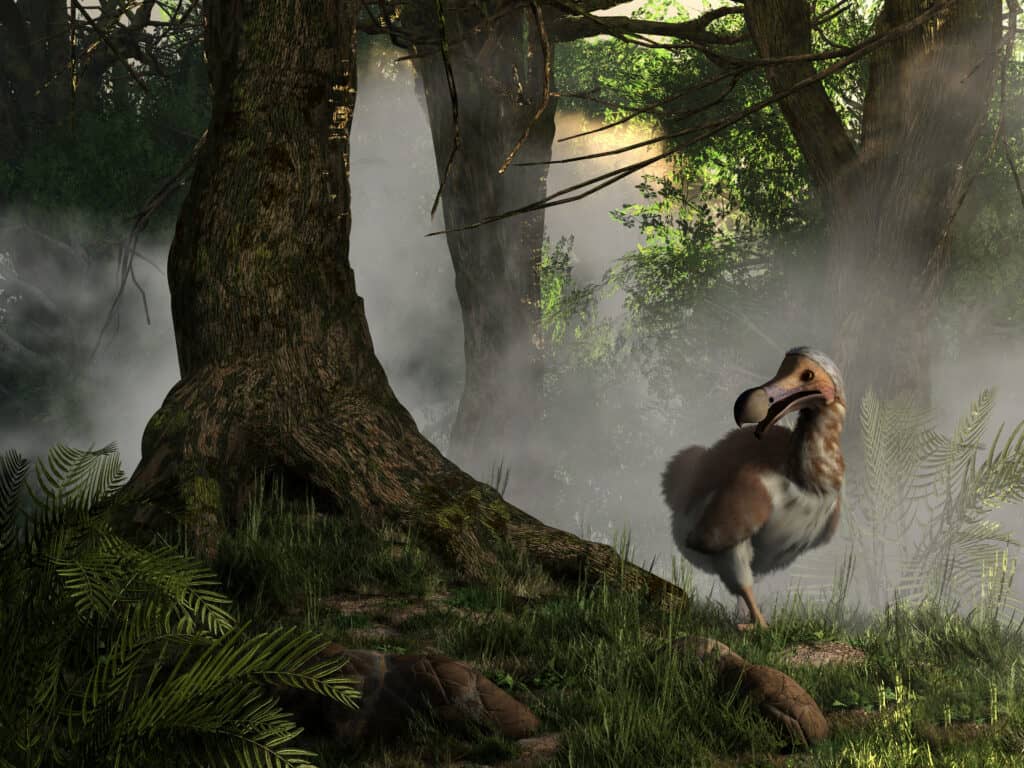
Dodos are one of the extinct species included in the Bronx Zoo’s cemetery display.
©Daniel Eskridge/Shutterstock.com
According to visitor photos and social posts, the full roster of extinct species within the Bronx Zoo graveyard includes these animals:
- Dodo Bird
- Carolina Parakeet
- Passenger Pigeon
- Great Auk
- Labrador Duck
- Quagga
- Gold (Golden) Toad
- Steller’s Sea Cow
- Pig-footed Bandicoot
- Thylacine (Tasmanian Tiger)
- Falkland Islands Wolf (Warrah)
The choices appear deliberate and carefully selected, as there are obviously far more than eleven extinct animals to choose from throughout history. For example, several of the bird species have become symbols of human-caused extinction. These animals were wiped out by hunting, habitat destruction, or introduced predators.
Others, like the golden toad from Costa Rica’s cloud forests, speak to more recent issues and extinction causes, such as disease and climate change. The Steller’s Sea Cow, which was once found in the cold North Pacific, represents a marine species whose size and tameness made them easy targets for commercial hunters, leading to another heartbreaking extinction.
The pig-footed bandicoot and the Warrah are little-known species, even to animal enthusiasts, but they have their own unique story, reminding us how fast a species can vanish due to livestock, guns, and fences. But why did the Bronx Zoo decide to make this display, and who, if anyone, is specifically responsible for its creation and information?
When did the Bronx Zoo Graveyard Start and Who Dreamed It Up?
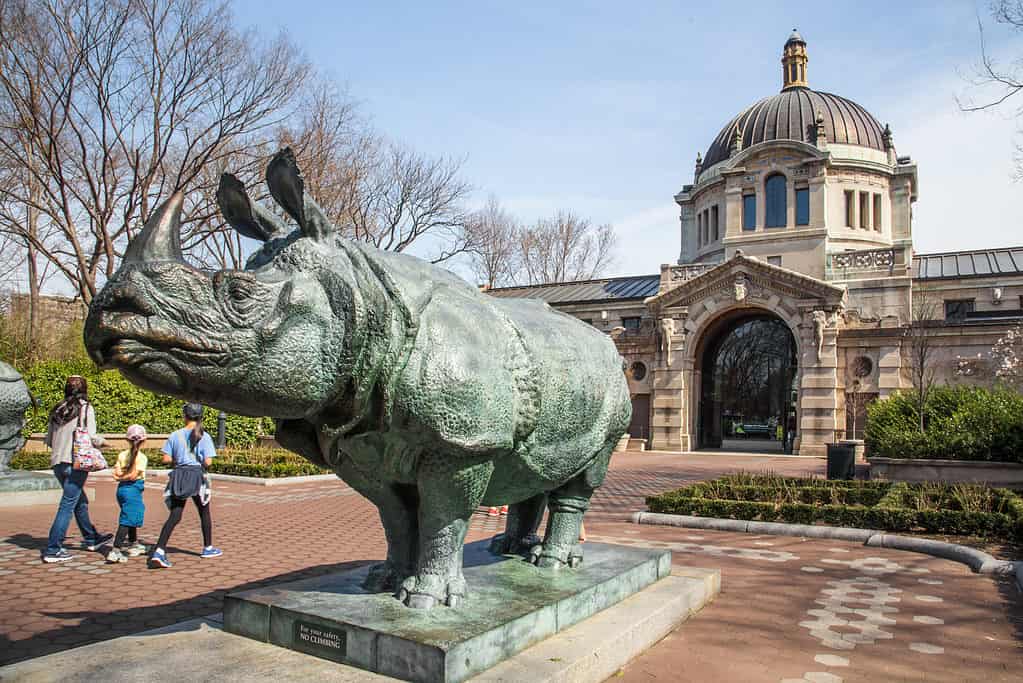
The Bronx Zoo is a wildlife oasis in the middle of America’s largest city.
©littlenySTOCK/Shutterstock.com
The Bronx Zoo hasn’t actually published a detailed origin story for the Extinct Animal Graveyard, and there’s no single plaque crediting a designer. However, older visitor photos from the late 2000s and early 2010s show nearly identical tombstones in the same grove of trees, suggesting the installation has been part of Boo at the Zoo for at least a decade, if not longer.
What we can indeed confirm is that the graveyard is part of a broader seasonal program developed by the Wildlife Conservation Society (WCS), the nonprofit that runs the Bronx Zoo. In WCS press releases about Boo at the Zoo, the graveyard is often mentioned as a “returning favorite” alongside pumpkin carving and various live shows.
As for how often the graveyard changes, available evidence suggests it remains the same year after year. The same 11 species, in the same layout, with nearly identical art and wording on the stones is obvious in both recent and older visitor photos. Perhaps the Bronx Zoo will consider adding additional extinct species in time, but these 11 appear to make an impact and will continue to do so for years to come.
How Do They Decide Which Extinct Species to Display?
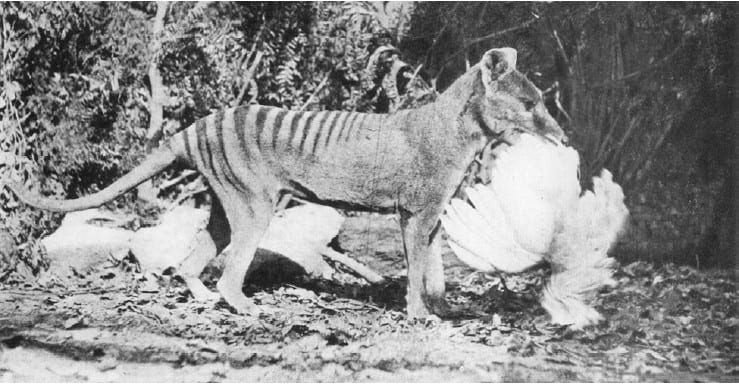
The thylacine is another animal included in the Bronx Zoo’s extinct species cemetery.
©Henry Burrell (died 1945), Public domain, via Wikimedia Commons – Original / License
The zoo hasn’t released information about which animals qualify for the graveyard, but a pattern does seem clear. Every species represented is globally extinct, not just gone from New York or even from one continent. Most disappeared within the last few centuries, after the expansion of European empires, industrial hunting, and widespread habitat conversion wiped them out.
Finally, and likely most importantly, nearly all have well-documented links to human activity: overhunting, deforestation, invasive predators, or a combination of the three. The lineup also spans a range of animal groups across different parts of the world, ensuring that the graveyard feels global rather than local.
The Impact of the Bronx Zoo’s Fake Cemetery
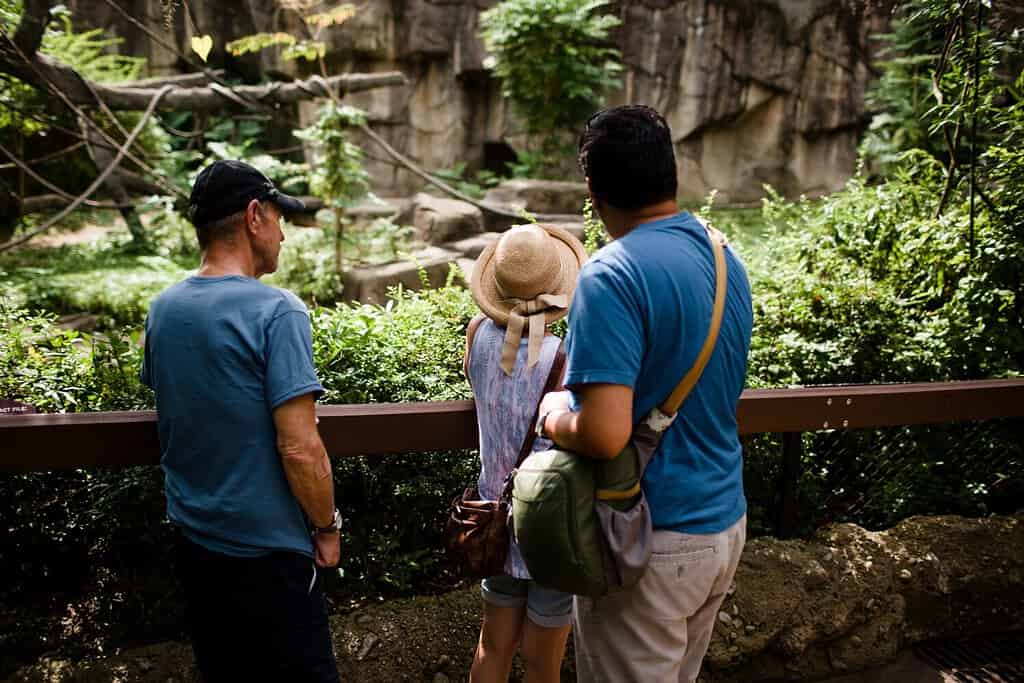
Zoo guests can learn a great deal about conservation at the Bronx Zoo’s cemetery display.
©Cavan-Images/Shutterstock.com
At first glance, the Extinct Animal Graveyard looks like a simple Halloween set, but visitors who linger often describe a shift in mood when they explore the display. Psychologically, the graveyard works because it borrows a ritual we reserve for human loss and applies it to animals.
Cemeteries are where we confront death and confirm that remembering what’s passed on is therapeutic. At the Bronx Zoo’s graveyard display, extinction transforms from an abstract concept to something far more impactful.
Psychologically speaking, the headstones work well as an effective conservation effort: statistics don’t move people as strongly as stories. Instead of announcing global extinction rates, the graveyard encourages visitors to get curious about one animal at a time, and only then connect those stories to the wider, more impactful pattern.
Other Graveyards for Extinct Species
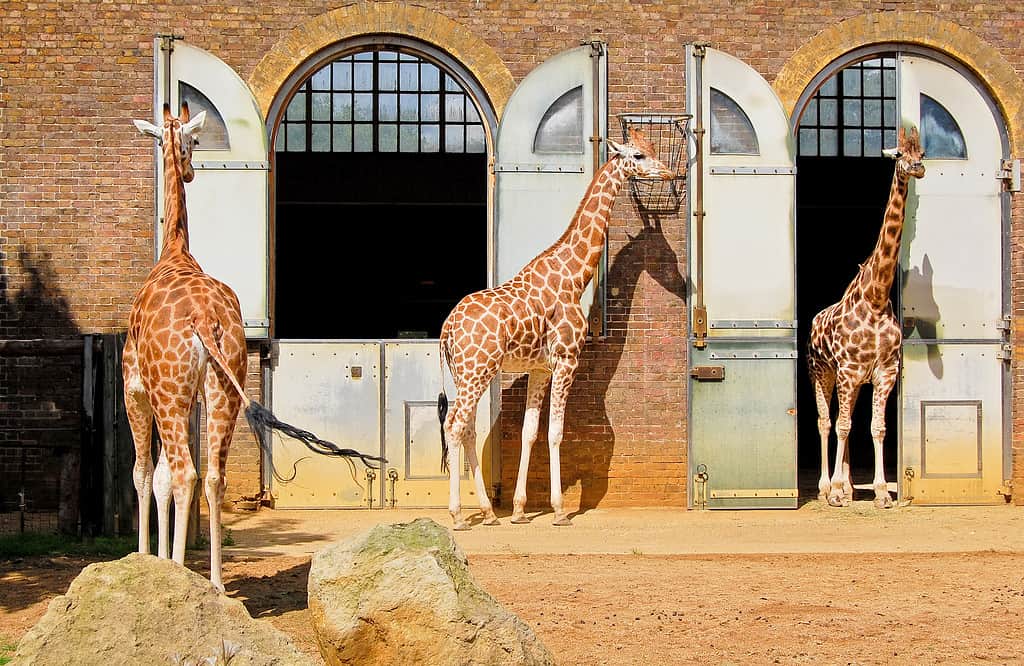
The London Zoo has a similar installation as the Bronx Zoo, but it is tied in to existing species.
©Kamira/Shutterstock.com
The Bronx Zoo’s exhibit isn’t the only place where extinct animals are memorialized. In London, seasonal programming at ZSL London Zoo has featured its own extinct species graveyard, one used to tell stories of animals that teetered on the brink and, in some cases, were pulled back through breeding and reintroduction.
Additionally, London’s version sometimes pairs graves of extinct animals with enclosures for closely related species that were saved in time, lending their installation a more hopeful mood.
Beyond zoos, public art organizations like The Lost Bird Project place bronze sculptures of extinct birds at sites connected to their last wild sightings, with five currently in their permanent homes. This team plans to unveil a mobile display at the Bellevue Botanical Gardens in 2026. Museums also build halls of extinction using taxidermy, skeletons, and reconstructed habitats to show precious animal species we’ve lost.
The Bronx Zoo’s Extinct Species Graveyard and Its Impact

The Bronx Zoo and others like them create these displays to encourage protection of the species still alive but endangered today.
© www.zoo.org.au via Roderick Eime / Flickr – Original / License
The last line on the Bronx Zoo’s welcome stone states that, by visiting the zoo, guests are already supporting conservation work on hundreds of threatened species. For those who want to do more than take a spooky selfie, the graveyard directs visitors toward a few concrete actions you can take to help endangered species: backing organizations that protect habitat, choosing products that don’t drive deforestation or overfishing, and pressuring governments to enforce wildlife laws and support international agreements.
At the end of the day, the Extinct Animal Graveyard is less about what happened to our extinct species and more about how we can help the ones that remain. The animals on those stones are gone for good, but several living, vulnerable species are still here. The goal is to keep these species alive for centuries to come, no headstones required.