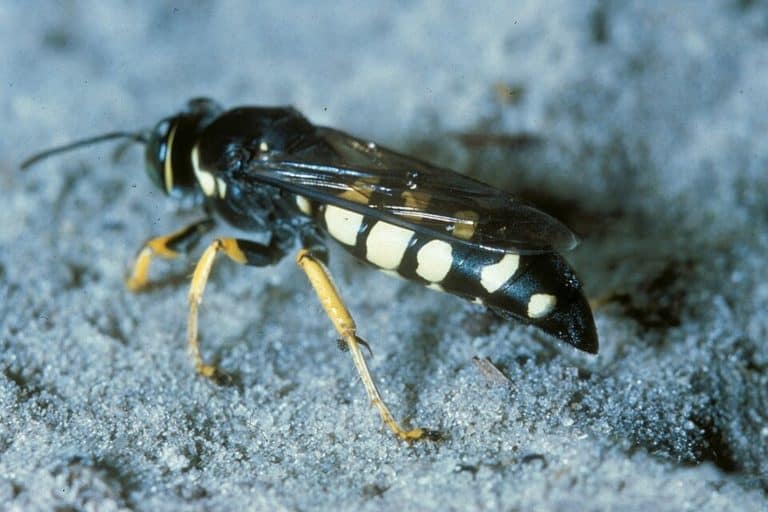
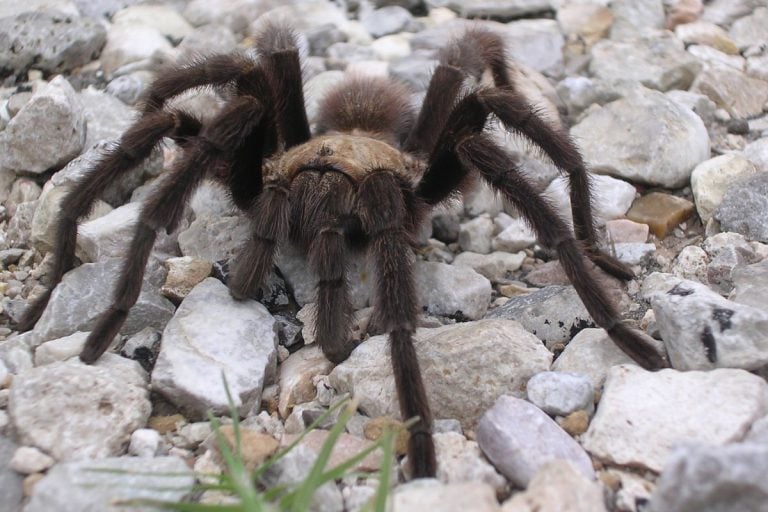
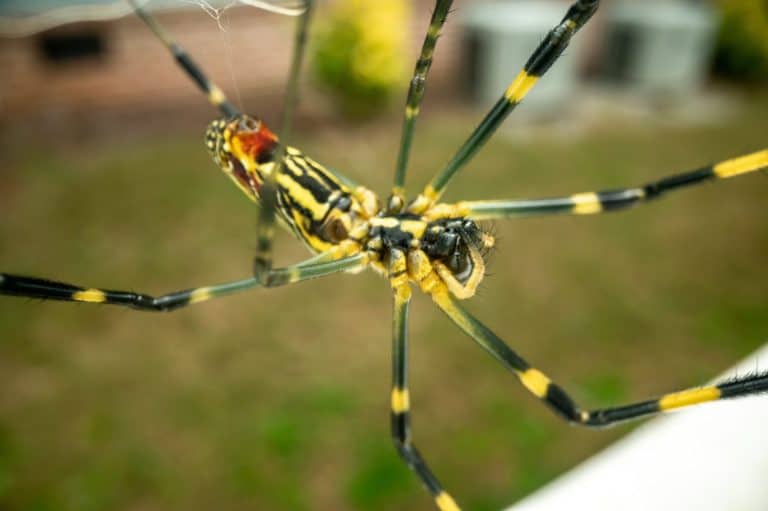
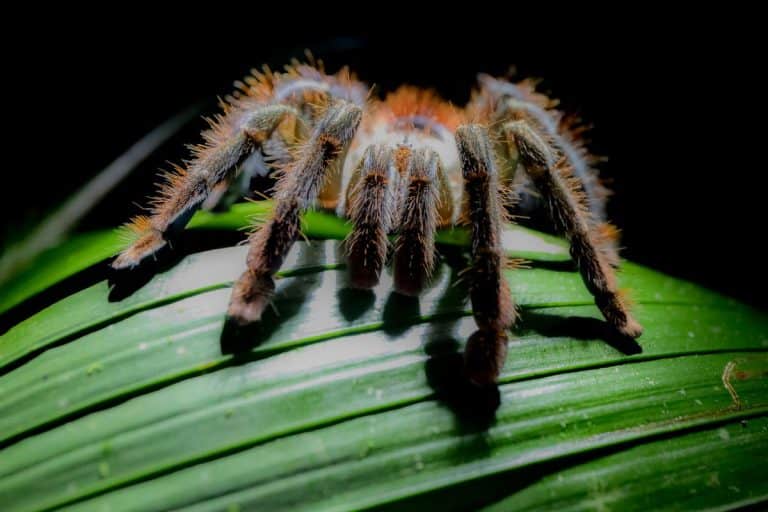
Summer is here, and so are the bugs. Every summer, insects and arachnids alike seem to come in swarms. Spending time outside during summer is one of the best parts of the season. While the weather may be nice, spider bites and bee stings might not be. Have you ever considered which one hurts more? While everyone feels pain differently, it’s an interesting question to ask! Read below to learn which is more painful: spider bites or bee stings.

Spider bites are often harmless.
©Dave Montreuil/Shutterstock.com
Spider Bites
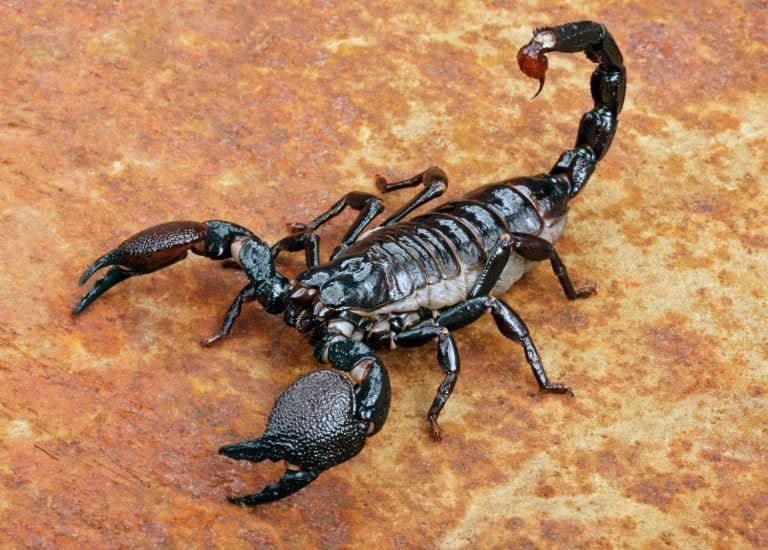
Spider bites seem scary in thought, but are actually not too dangerous, depending on the spider, of course. Bites that are harmful to humans are rare, and most bites only affect localized areas of the body. All spiders produce venom to paralyze their prey so they can eat. While aggressive to insects caught in their webs, spiders are not typically aggressive to humans. Spiders’ fangs are often so small that they have a hard time puncturing human skin, making them less of a risk than other bites or stings. When a spider bite does occur, venom is injected into the tissue, causing redness and swelling. Spiders typically bite when they feel threatened, such as when they are trapped or touched unexpectedly.
The pain caused by spider bites can vary depending on the type of venom. There are two kinds of venom that can cause pain: neurotoxic and necrotic. Neurotoxic venom attacks the nervous system and works to disrupt bodily functions. This venom is found in dangerous spiders such as black widows and redback spiders. Necrotic venom attacks the tissue of the skin, causing blisters and, in rare cases, necrosis of the tissue. Recluse spiders are the most well-known spiders with necrotic venom. Of the roughly 20,000 species of spiders in the United States, most only cause localized, minor reactions. Black widow and recluse spiders are the most dangerous.
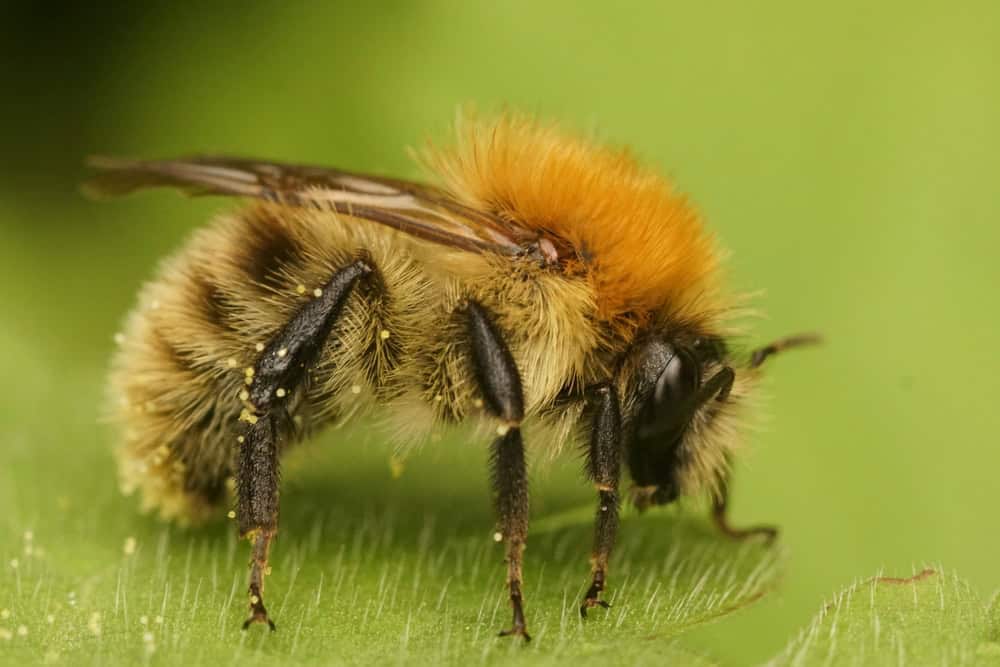
Bee stings can be very painful.
©HWall/Shutterstock.com
Bee Stings
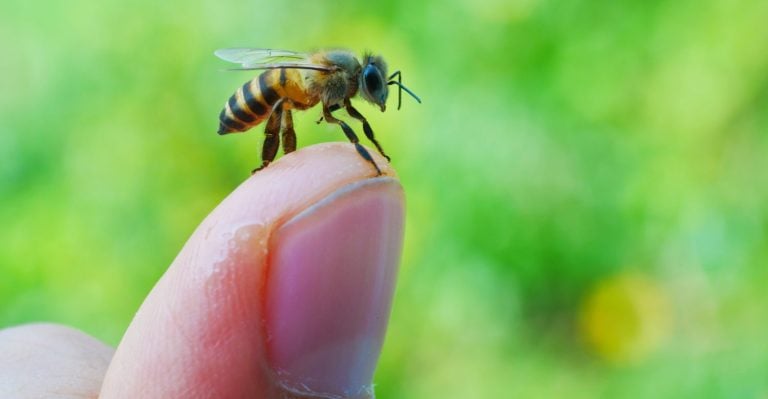
Bee stings are scary because their stingers are extremely painful. Their stingers are barbed and thorn-shaped, which allows them to easily penetrate the skin but makes them difficult to remove. Similar to spider bites, the stingers contain venom that the bee injects into the tissue. When a sting does occur, the stinger detaches from the bee and stays in the skin, making the pain continue. The most dangerous aspect of bee stings is that some people are allergic, which can cause severe reactions. If you are stung and feel dizzy or have difficulty breathing, call 911 immediately.
A bee sting typically injects about 50 to 140 micrograms of venom per sting. The venom causes sharp, burning pain at the site of injection. The sting causes swelling, redness, and continuing pain, which can last for a few hours. It’s important to remove the stinger from the site to minimize pain and prevent more venom from being injected. If you’ve ever experienced a bee sting, you are probably well aware of the pain it can cause. Now that you know about both spider bites and bee stings, which one hurts more?
Which Hurts More?
Pain is subjective and experienced differently by everyone. In my experience, bee stings are much more painful than spider bites, but your experience may be different. For bee stings, the Schmidt Sting Pain Index is a measure that includes a pain scale and a description of the pain. The scale ranges from one (least painful) to four (most painful). A honeybee sting is listed at 2.0, making it painful but not the worst possible experience. The National History Museum describes it as “Burning, corrosive, but you can handle it. A flaming match head lands on your arm and is quenched with lye and then with sulfuric acid,” giving a visual description of the pain.
Spider bites do not have a similar pain index, which makes it more difficult to explain their pain level. As mentioned above, many spiders are unable to pierce the skin with their bites. The bites that do occur can cause sensations ranging from mild stinging to dull or sharp pain. One of our past articles puts spider bites at around level 5-7 out of ten in terms of pain. While it is difficult to rate spider bite pain on an index, you can draw on your own experiences to assess it.
While it is impossible to say which hurts more, bee stings seem to be more painful than spider bites. Bee stings usually happen when you are outside and awake, so you are immediately aware of the pain. Spider bites often happen while you are asleep, making them unnoticeable until the next morning. Since pain is subjective, your own experience is the best way to determine which hurts more.