
Quick Take
- The burros' own survival instincts are part of what created this crisis, and the reason behind it is more ironic than you'd expect. See why burros overpopulated →
- The target population for this 103,000-acre range might shock you, given that it is a fraction of what's out there now. Check the target population →
- The removal method deliberately avoids the most obvious approach, and there is a good reason why helicopters are not part of the plan. See the trapping method →
- Wild burros displaced from Arizona don't just disappear. Their next chapter is stranger and more structured than most people realize. Explore what happens after removal →
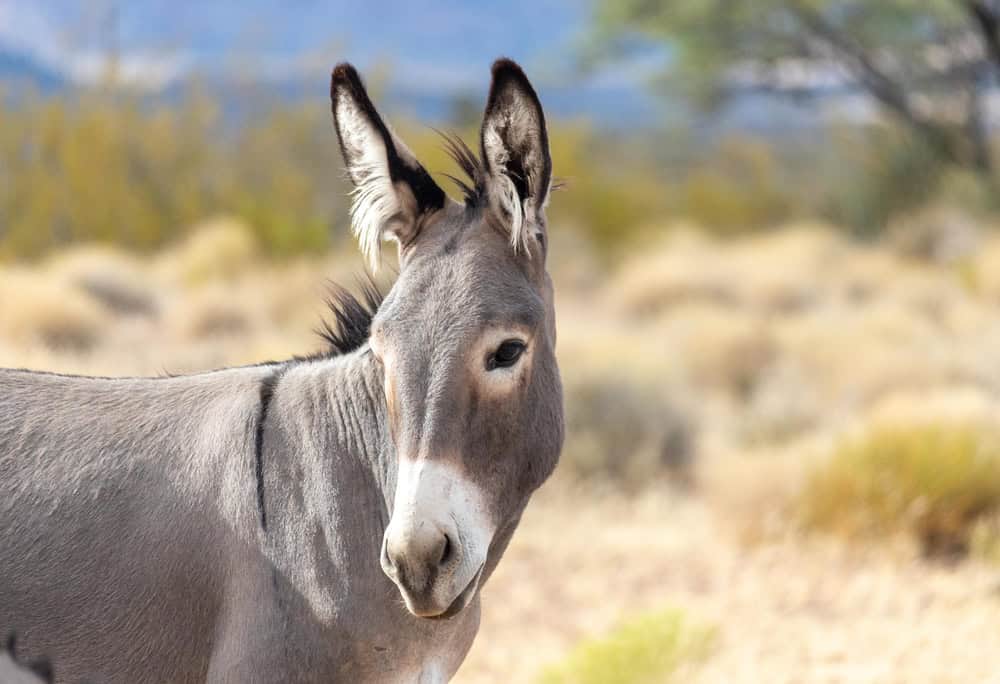
Donkeys, also known as burros, roam wild across the arid landscapes of the southwestern region of the United States. However, a large-scale operation is underway to remove and rehome up to 1,500 wild burros from the area around Lake Pleasant in Arizona. Keep reading to learn why this operation is happening and what it means for the herds!
Why Are So Many Burros Being Removed?
The area around Lake Pleasant is currently home to an estimated population of 2,300 wild burros. They roam across the Lake Pleasant Herd Management Area, which covers approximately 103,000 acres of private and public land. However, the desert ecosystem that they live in has limited natural resources. This means that there is an increasing strain on the already limited amount of vegetation in the region.
The situation is also partly the result of the burros’ own success. With few natural predators in the region, high survival rates, and legal protection under the Wild Free-Roaming Horses and Burros Act of 1971, their numbers have steadily increased over time without the natural checks that would normally limit a population.
Unfortunately, this situation means that the burros are struggling to find enough food to sustain themselves. This leads to an increased risk of malnutrition and dehydration. It also has a knock-on effect on other animals that live in the same area, such as deer. This is because they are all competing for the same resources.
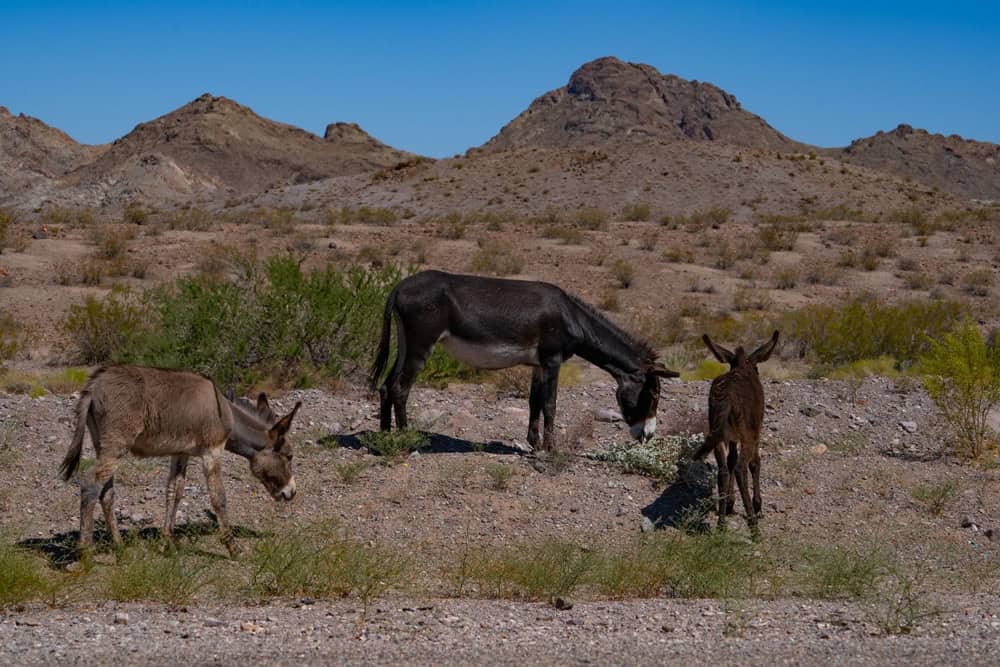
There is not enough vegetation to sustain such a large population of burros in Arizona.
©Geoff Wiltshire/Shutterstock.com
After assessing the area, the Bureau of Land Management has set a target population of 140 to 250 burros. This is the optimal population size for the region, based on what the available water and vegetation can realistically support over time. Therefore, some burros need to be removed from the area in order to achieve this balance. It also means that the herd can remain healthy, as they are not overgrazing the area and competing for food.
How Will the Removal Work?
Instead of using drastic measures, the planned roundup will involve creating temporary corrals and setting baited traps with food and water to attract the burros. Once the burros enter the corrals, the gates will be closed behind them, safely containing the animals. The operation has been planned this way so that it minimizes stress for the burros and reduces the risk of injuries occurring. This method is a low-stress alternative to rounding up and chasing the burros into pens using other methods, such as helicopters. The entire operation will be overseen by the Bureau of Land Management to ensure that the burros are not harmed during the process.
The operation aims to first prioritize the removal of burros that currently live outside the herd management area or those that have strayed onto private lands. This is partly because of the risk of the burros damaging private property. However, there is also a concern for public safety, as burros can wander onto roads or into developed areas. Additionally, because the burros are wild animals, they can cause injuries to humans if approached or cornered.
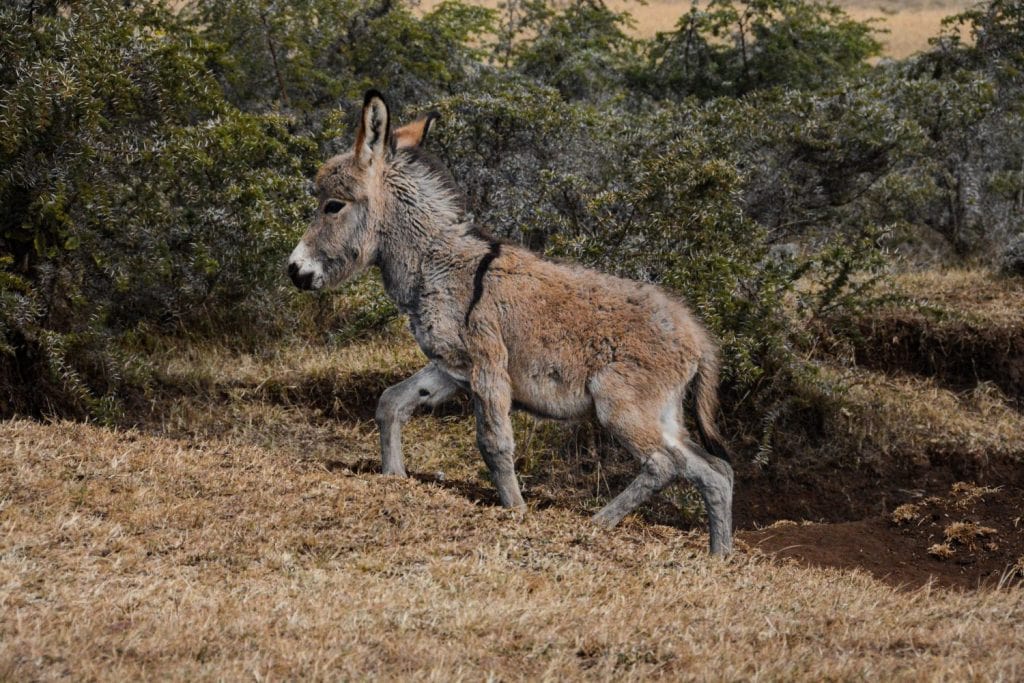
The burros are caught in temporary corrals using food and water as bait.
©Sam Tuch/Shutterstock.com
What Happens to the Burros Next?
Once the burros are captured, the ones selected for removal will be transported to the Arizona Wild Horse and Burro Training Facility in Florence. The transportation is done carefully to minimize the risks to both the burros and the humans involved. For these wild burros, transportation is one of the most stressful parts of the operation, as they have never been handled or transported before.
Once the burros reach the facility, they will undergo veterinary health checks to ensure that they are in good condition. If any are sick, treatment will be provided to restore them to full health. After they have recovered from capture and transportation, the burros are prepared for adoption or sale. This preparation involves basic handling to help them become accustomed to humans and to give them the best chance in the next stage of their lives.
Once they are ready, the burros are then offered for sale or adoption. This is organized through the Wild Horse and Burro Adoption and Sales Program. Adoption events are typically held on a regular basis and are a key part of the long-term management plan. Adopters must meet strict requirements to ensure the long-term well-being of the animal. In most cases, burros can go on to successfully adapt to their new homes, transitioning from living in a wild environment to becoming a domesticated animal.