
Quick Take
- A spike in gray whale deaths in Washington signals a wider, ongoing crisis.
- Many whales are arriving malnourished, pointing to feeding problems in the Arctic.
- Climate-driven changes to sea ice and ecosystems are disrupting the whales’ feeding grounds.
- Scientists believe these deaths reflect a broader decline in the gray whale population.
Every year, along the Pacific Coast of North America, a troubling scene unfolds as the bodies of gray whales wash up on the beaches. However, this year, more gray whales have been found dead in Washington than would normally be expected this early in the season. Unfortunately, this is not an isolated incident, but an indication of a growing problem thousands of miles away in their Arctic feeding grounds.
What Is Happening to the Gray Whales?
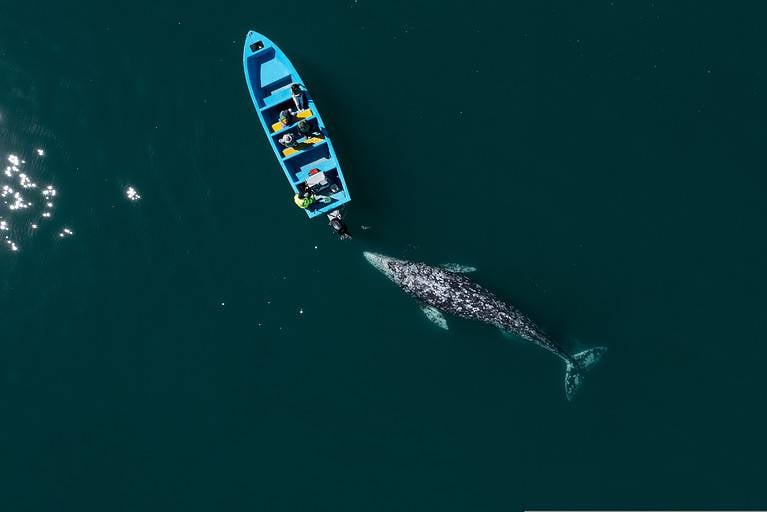
Gray whales undertake one of the longest migrations of any mammal, traveling between their feeding grounds in the Arctic and their breeding nurseries around Mexico. However, in recent years, many of them have not been completing the journey.
It’s not a new phenomenon, as gray whales have been washing up on Pacific beaches since 2019. Already, seven whales have been found dead in Washington—more than is typical for this time of year. Early spring usually marks only the beginning of the strandings. At the same point last year, only one death had been recorded. However, it’s not just the deaths that are concerning; one whale has been spotted alive but far off course in the Swinomish Channel.
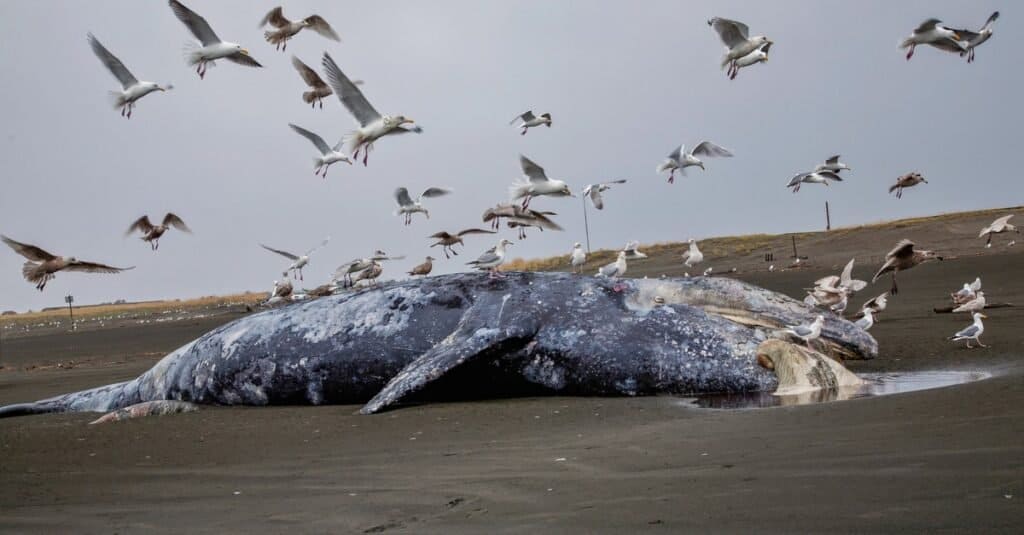
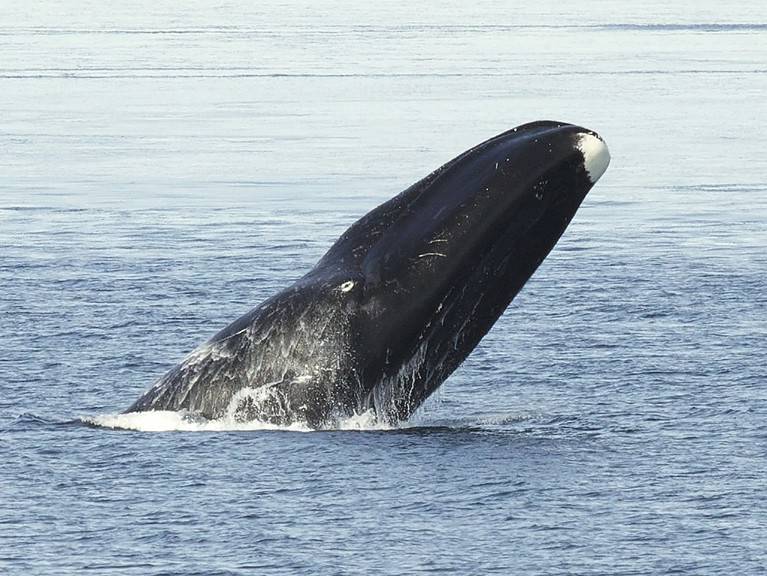
An increasing number of gray whales are washing up on beaches in Washington.
©Bob Pool/Shutterstock.com
Many of the whales that wash up on the beaches are severely malnourished. Scientists believe that this offers a clue as to why they are dying or ending up off course. This suggests that the whales are not getting enough food in the Arctic to sustain them during their migration.
Why Food Shortages Are Harming Gray Whales
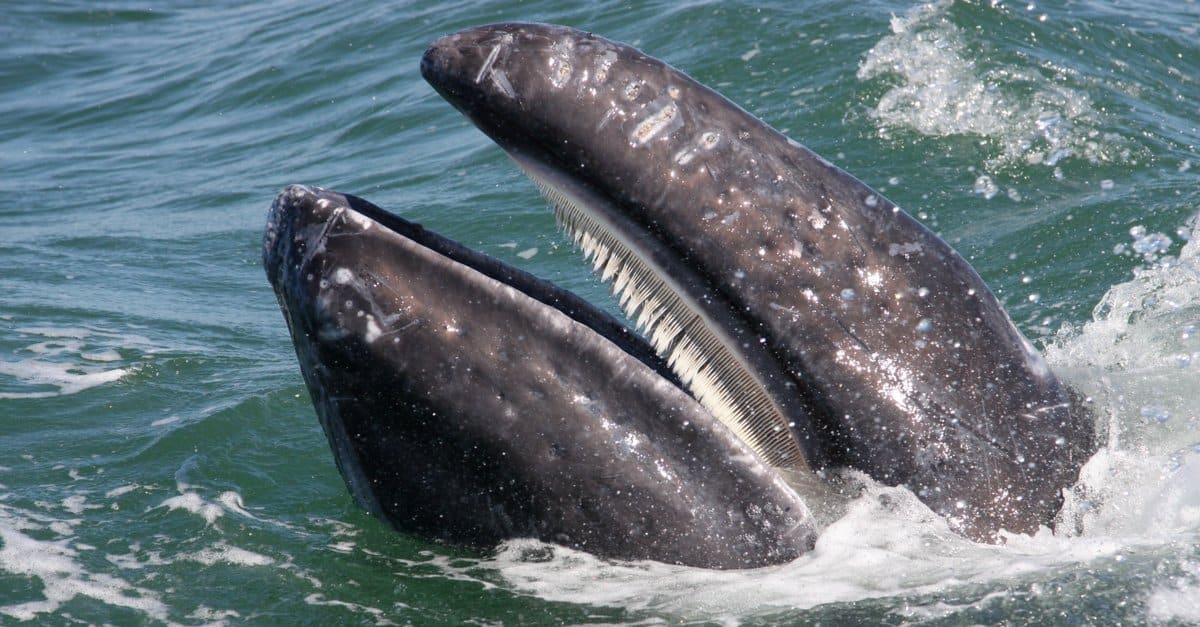
The survival of gray whales depends on a short feeding season in the cold Arctic waters before they undertake their long, challenging migration to warmer waters. Gray whales are baleen whales, which means they are filter feeders. However, unlike other species, they have a particularly unusual feeding method. Gray whales dive to the seafloor and scoop up sediment before filtering out tiny crustaceans such as amphipods. When food is abundant, they are able to build up thick layers of blubber to sustain them throughout their migration.
Unfortunately, the Arctic has been changing rapidly in recent years. Rising temperatures and the resulting loss of sea ice are affecting the amount of available food. Sea ice plays a vital role in the ecosystem, as algae grow on its underside. This algae then falls to the ocean floor, enriching the amphipod population. With less sea ice, there is less algae, which in turn reduces the number of amphipods available for gray whales to eat.
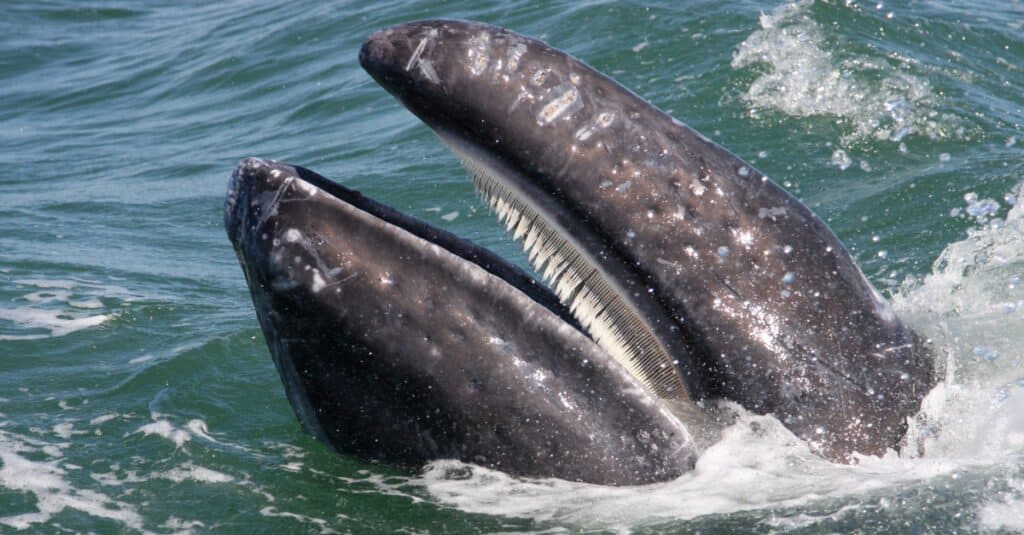
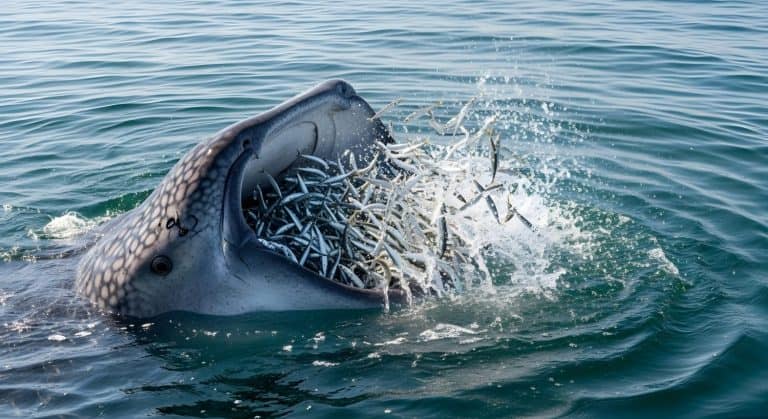
Gray whales are filter feeders and eat vast amounts of tiny crustaceans.
©jo Crebbin/Shutterstock.com
Gray whales undertake a round trip of around 10,000 miles during their migration, yet rarely feed while they are traveling. Therefore, if they don’t eat enough in the Arctic, they have less energy and less stored fat for their journey. This means that they become weak or disoriented as their reserves run low. Consequently, they become more vulnerable to exhaustion, illness, and disorientation. This leads to some whales becoming stranded, while others become trapped in rivers or estuaries. However, it’s thought that the true death toll may be much higher, as many more die at sea without our knowledge.
What Does It Mean for the Future?
The recent deaths of gray whales are not just isolated events, as the pattern shows that it is a long-term issue affecting their population. Their numbers have declined significantly over the last decade, from around 27,000 individuals to an estimated 13,000 by 2025. There’s clear evidence that this decline is tied to food shortages in the Arctic.
Research groups are currently monitoring the strandings. They are also observing the condition of the living gray whales as they appear along the Pacific coast. However, since the root cause is changing sea temperatures in the Arctic, there is little that can be done at this point to prevent these deaths. Instead, the focus is on understanding these changes and attempting to combat the wider issue of climate change.