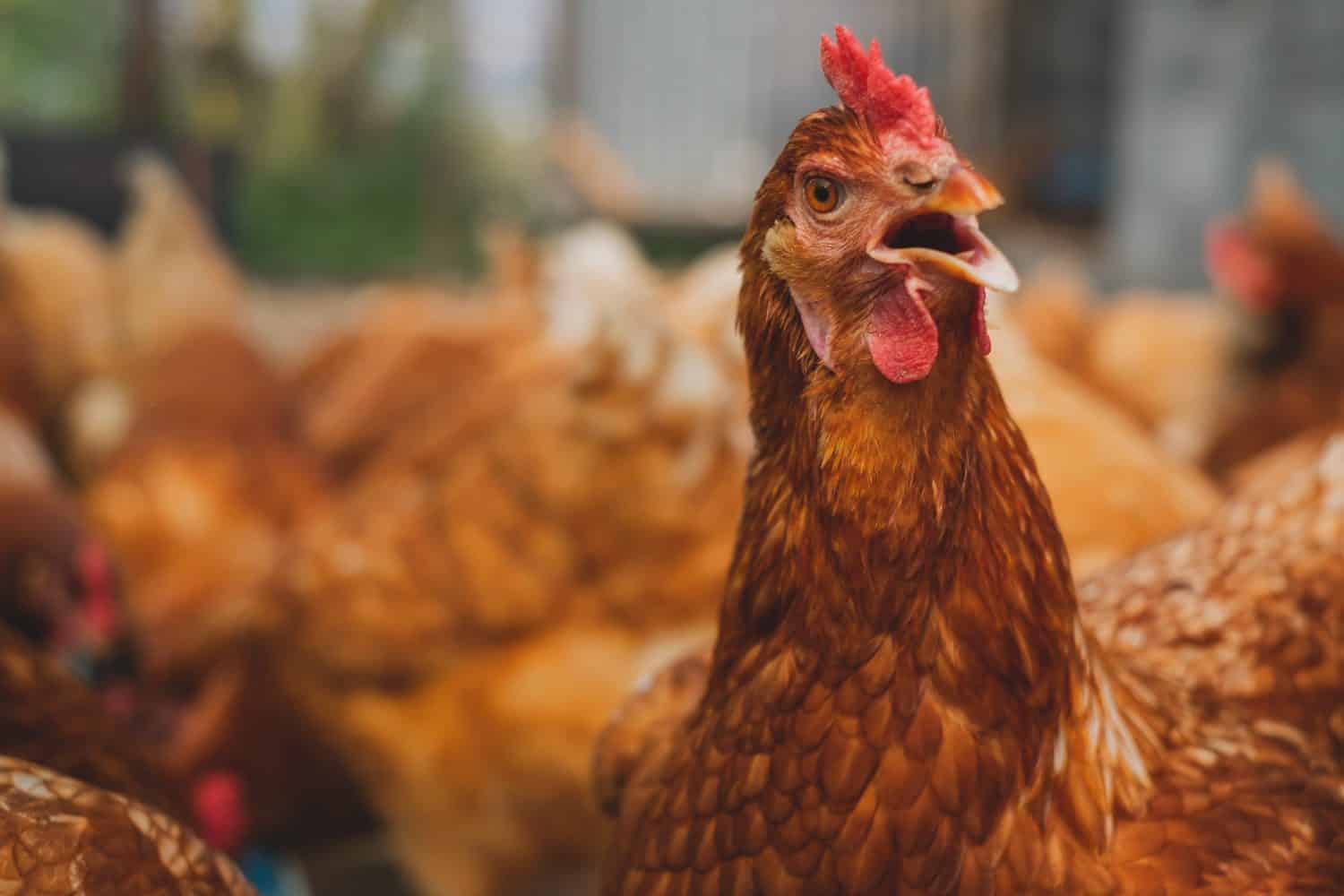

Cockfighting is a blood sport that dates back to ancient times. While considered cruel today, it was once a form of ruthless entertainment. It was particularly popular among royals and those who could afford gamecocks, known as fighting chickens. The idea was to pit the two animals against each other to see which would win. Unfortunately, by the end, both animals were usually maimed, if not killed. Cockfighting is illegal in many places today, but is still tragically practiced illegally in certain regions.
History of Cockfighting
Cockfighting dates back to around 524–460 BC, when it was popular in Eastern countries, including India, Persia, and China. After being introduced to Ancient Greece, it quickly spread throughout Sicily. It became popularized by Rome, and cockfighting started appearing in Germany, Spain, England, Scotland, and Wales. Some groups opposed it, such as the Christian clergy and English authorities. Despite their best efforts, it became a popular pastime among the English nobility. This popularity began in the 16th century and continued into the 19th century. This is partly in thanks to Henry VIII and James I, who were both considered “cockers.”

Cockfighting is an ancient practice.
©Pamichen.shutter/Shutterstock.com
Colonists introduced cockfighting to what would soon become America during their immigration. By the 18th century, it had become the second most popular sport after horse racing. According to Colonial Williamsburg, cockfighting was popular among wealthy colonists, many of whom owned gamecocks. These chickens were bred specifically to be more aggressive than others. These birds became renowned for their fighting skills and intimidating behavior. They were larger and leaner than other chickens, and their owners took pride in raising such stock.
Chickens Bred For Fighting in America and the U.K.
While merciless, cockfighting operated according to a set of rules. Gamecocks were given a circular arena with buffers around the outside to keep them within. There was a pre-agreed-upon limit to how many chickens were allowed in the ring at once. The result was a battle royale, which went on until only one chicken was left in the fight. The only rule of this fight was that the victor had to be the last bird standing, with the others disabled or, at worst, dead. Welsh arenas had a fierce style, systematically pitting the same birds against one another multiple times. The fight would begin with eight gamecocks, which fought twice. This led to the four survivors being paired and, finally, the last remaining two.
The chickens involved in these battles were bred for several things:
- Aggression: The more aggression a chicken showed as an adult, the better it was for fighting.
- Agility: Gamecocks needed to be quick but agile enough to dodge the beaks of other birds.
- Stamina: Chickens that couldn’t endure long fights or physical activity were deemed unworthy.
- Health: If a chicken took too long to recover from injuries, it was removed from the roster.
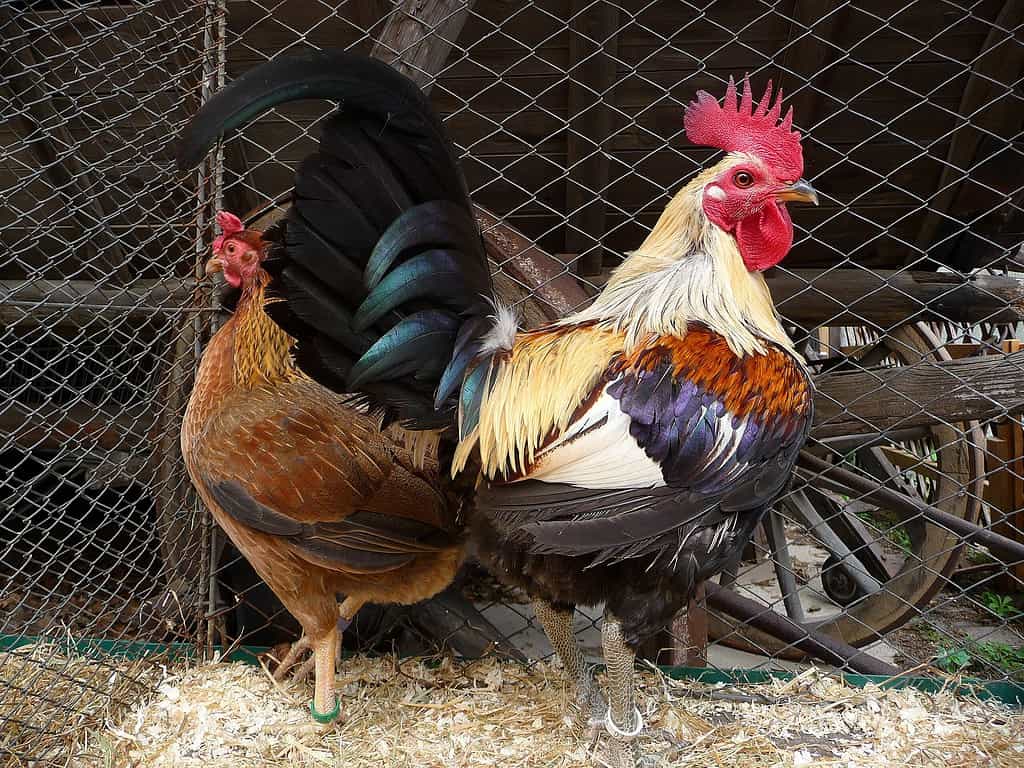
Certain chicken breeds are preferred for cockfighting.
Among the breeds used for cockfighting, the Old English Game and the American Game were popular in the UK and America. The first is known for its upright, forward stance, along with its unique ability to fly and hover. This made the game entertaining but also gave an advantage to this specific breed. Old English Game chickens were also relatively small, making them agile enough to duck past other birds. American Game chickens were very similar, but could be bred to produce a variety of colors. This offered distinctions between gamecocks when fighting.
Chickens Bred for Fighting in Asia
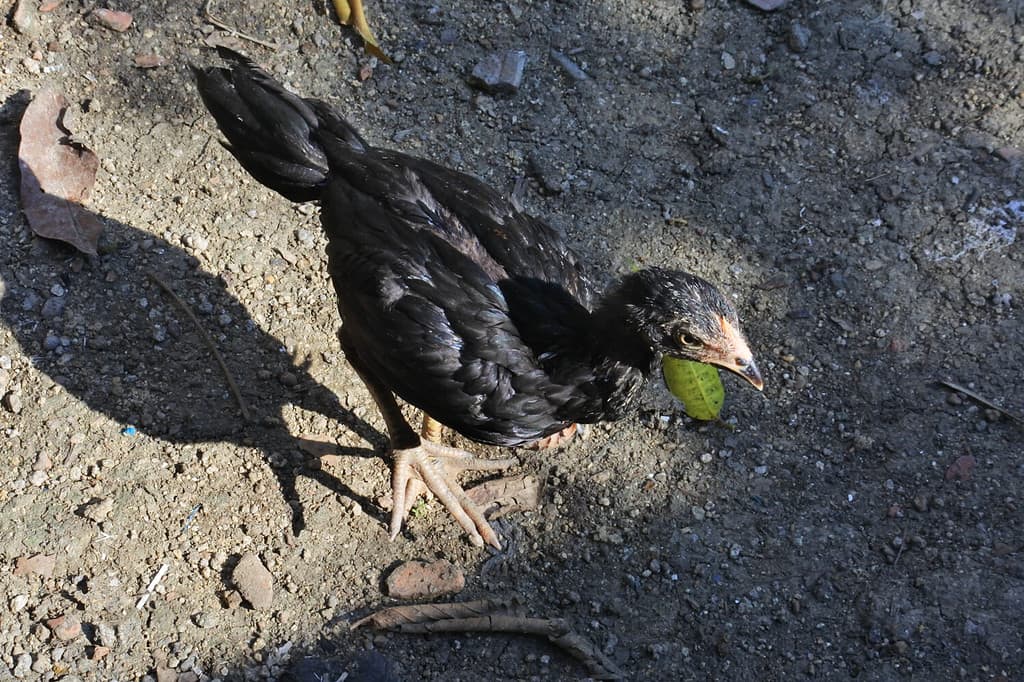
Many chickens were used for cockfighting, but four main breeds predominated throughout Asia. The Shamo was a prominent breed in the arena. It’s known for its forward stance, which easily intimidates opponents, as well as its resilience. This species has a high endurance level in the ring, making it a popular choice throughout Japan. In India, the Asil was the breed of choice for a top-tier fighting gamecock. This chicken was bred for power, featuring a strong bone structure, thick skull, and robust muscles and claws. Asil chickens were chosen for nearly 2,000 years in India, known for their natural propensity for combat.
The Malay Gamefowl is a very old bird species.
©Wirestock Creators/Shutterstock.com
Two other species bred for cockfighting were the Malay Gamefowl and Thai Game chickens. The Malay Gamefowl were tall, strong, and had sharp beaks capable of inflicting significant damage. These birds are also one of the oldest species in the world. Thai Game chickens stand in stark contrast to the strong build of the Shamo. These chickens were lighter on their feet, with tails that sit higher and are not easily grabbed or bitten. This makes them more agile and quicker than other breeds, giving them the advantage of speedy evasions.
Where Cockfighting Is Outlawed Today
Cockfighting is now seen as cruel and inhumane, especially in the U.S. A combination of state laws and federal statutes, and federal laws prohibiting activities related to animal fighting, make it illegal in all 50 U.S. states. This includes Puerto Rico and Guam, but local resistance to the ban varies. Since April 22, 1976, federal law has prohibited certain activities related to animal fighting. This includes transporting animals for fighting purposes, with prohibitions on animal fighting enforced by state laws. Anyone in violation faces a felony offense in 42 states and the District of Columbia. Some states, such as Kentucky, still classify cockfighting as a misdemeanor. Efforts to upgrade this conviction to a felony are still ongoing, though some related activities may be considered felonies.

Cockfighting is a form of animal cruelty.
©B Brown/Shutterstock.com
Unfortunately, this hasn’t kept illegal cockfighting rings from popping up. According to the ASPCA, the blood sport still persists throughout some communities. Tickets for these events are often sold like those for real sporting events, and betting on chickens is a popular activity. The ASPCA claims that cockfighting is common with other crimes, including drugs, gambling, and other acts of violence. These fights sometimes bring in thousands in bets, as gamecocks are torn to shreds by the end of a match. Handlers often equip their chickens with fake gaffs, which are long hooks attached to a bracelet the chicken wears on its legs. This weapon inflicts the maximum amount of damage in a fight, giving opponents an unfair advantage. Many of these fights take place in abandoned factories, warehouses, or basements, most lasting only minutes before a chicken is maimed.
Cockfighting Is Still Legal in Some Countries
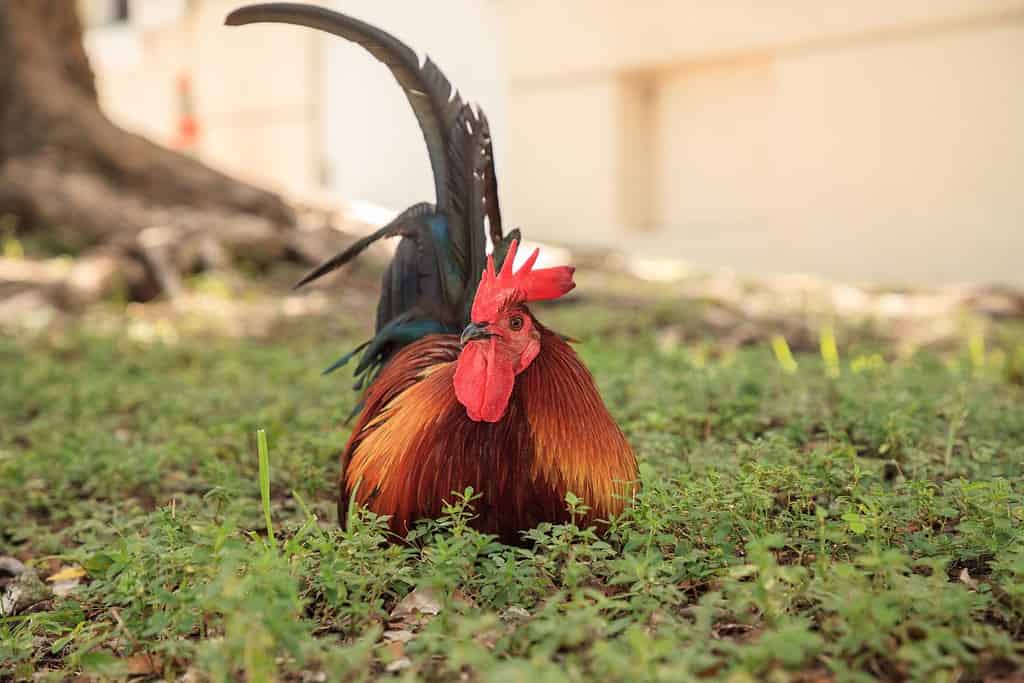
Despite how inhumane it is, cockfighting still thrives in some countries. In the Philippines, it remains a popular pastime, known as “sabong.” This refers to legal in-person cockfights, which are held in dedicated rings or arenas. As of June 2025, the Philippine House of Representatives passed a bill banning online e-sabong, but traditional in-person sabong remains legal. Illegal in-person sabong is known as tupada or tigbakay, and these activities are often conducted in secret. In many illegal cockfights, the chickens are found with knives or gaffs strapped to their legs. Those responsible hold them in remote regions, where fighting pits are difficult to find. This prevents the authorities from seeing them, and thus no one is persecuted. Bets are often taken in both fights, and one referee decides the final victory in both.
Some places still allow cockfighting despite the harm.
©SunflowerMomma/Shutterstock.com
Outside of the Philippines, cockfighting is still found throughout Latin America, Spain, and parts of Asia. The sport has even been found in parts of Australia, along with dog fighting, both of which remain illegal in the country. In Spain, cockfighting is only legal in the Canary Islands. Many of these regions host fights under the radar, out of the authorities’ sight. In Puerto Rico, cockfighting is illegal under federal law, but the tradition of cockfighting runs deep. Despite it being officially outlawed, it’s still done illegally by those who honor the culture. Federal courts have upheld the law, but local resistance results in illegal fights. According to NPR, authorities cracked down on cockfighting in 2019. Rather than surrender their gamecocks to local police, many took them to the Dominican Republic. Cockfighting is still legal there, despite growing social opposition rejecting the sport.