Quick Take
- One of the forces that drove heath hens to extinction wasn't hunting or development. It was a well-meaning conservation effort that had unintended consequences. See how conservation backfired →
- Heath hens were once so common that New Englanders complained about seeing them too often, which raises the question of what combination of events wiped them off the planet. Explore what drove them extinct →
- The last heath hen on Earth developed a local reputation for behavior that drew curious onlookers, and his final act would become one of the loneliest moments in American wildlife history. Meet Booming Ben →
Few people know about America’s long-extinct chicken species. While chickens are common on nearly every farm across the country, only one species—the heath hen—was famous enough to play a role in Martha’s Vineyard history. The once-beloved heath hens fell victim to several New England tragedies, and their populations declined until only one remained. Booming Ben was a simple reminder of what once was, and his heartbreaking death meant the end of an era and a species.
The Legacy of the New England Heath Hens
Heath hens once occupied territory from New Hampshire all the way down to Virginia. Their range was expansive, and their reputation preceded them. These chickens were full of personality; what some might call “spunk,” others might describe as “territorial behavior.” This spirited nature was displayed proudly during mating season. Males were famous for stomping the ground, flapping their wings, and rousing others into fights over territory and mates.
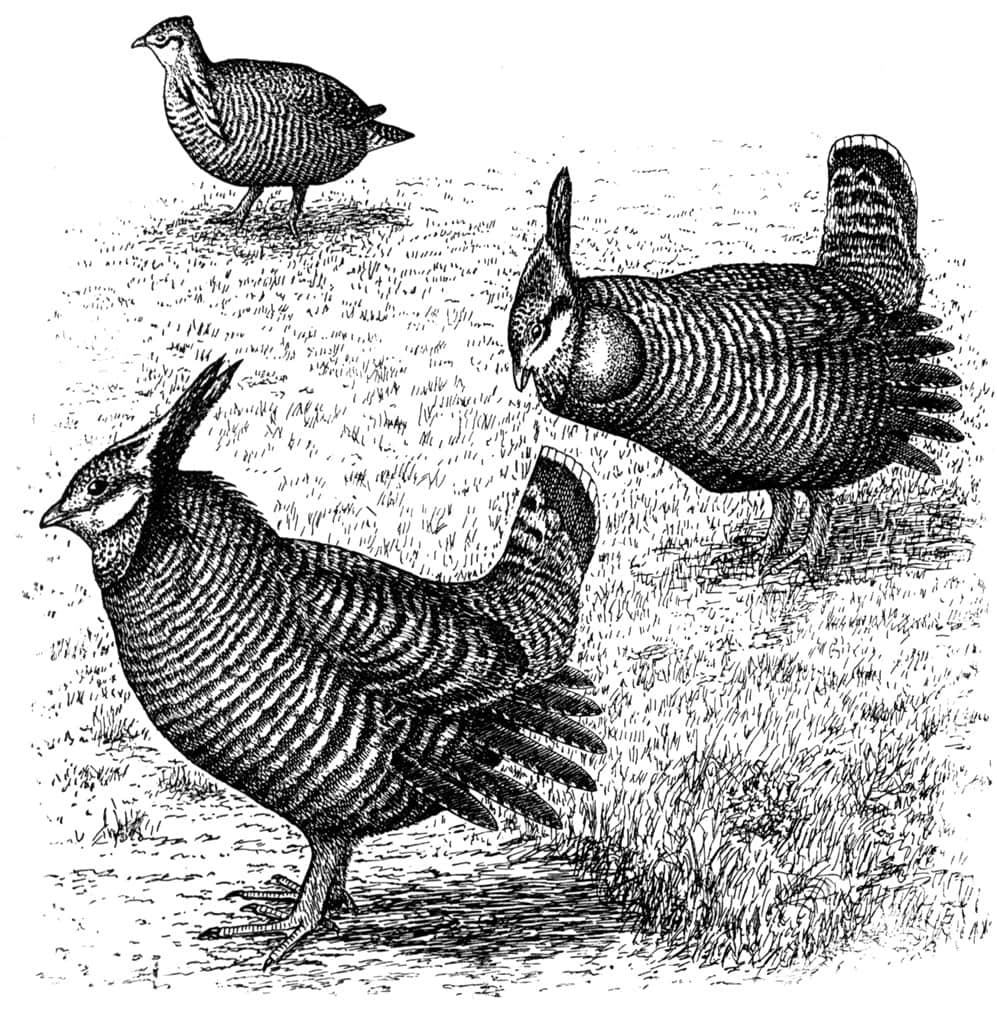
Heath hens were once abundant from New England down to the South, where they were popular at markets.
To attract females, males had another trick besides their flamboyant displays. Bright orange air sacs distinguished males from females and added to the birds’ vibrant plumage. When inflated, these air sacs allowed males to emit a low, rumbling “booming” sound. The stronger the call, the more likely a male was to attract a mate. When there were few females available, males would often fight for the opportunity to mate.
Outside of the mating season, the heath hens were fairly docile and skittish. They preferred to remain in groups and formed communities among their flocks. During the fall and winter, they were sociable and rarely displayed the territorial behavior seen during the spring mating season. Instead, they foraged peacefully together, living among others with few issues.
Triple Threat to the Heath Hens
Heath hens were so popular at dinner tables that New Englanders often complained about how often they were on the menu. So, how did these chickens, which were so prominent, die out? The answer isn’t so simple. A combination of events led to their downfall before one event left a single male heath hen standing.
The initial decrease in heath hen populations was due to overhunting. Although many complained about how often heath hens appeared on dinner plates, nothing was done to prevent their overhunting. With no laws or regulations limiting how many heath hens hunters could take, the population was left unprotected. They were an easy kill for many skilled hunters and were sold to European markets for a fancy price.
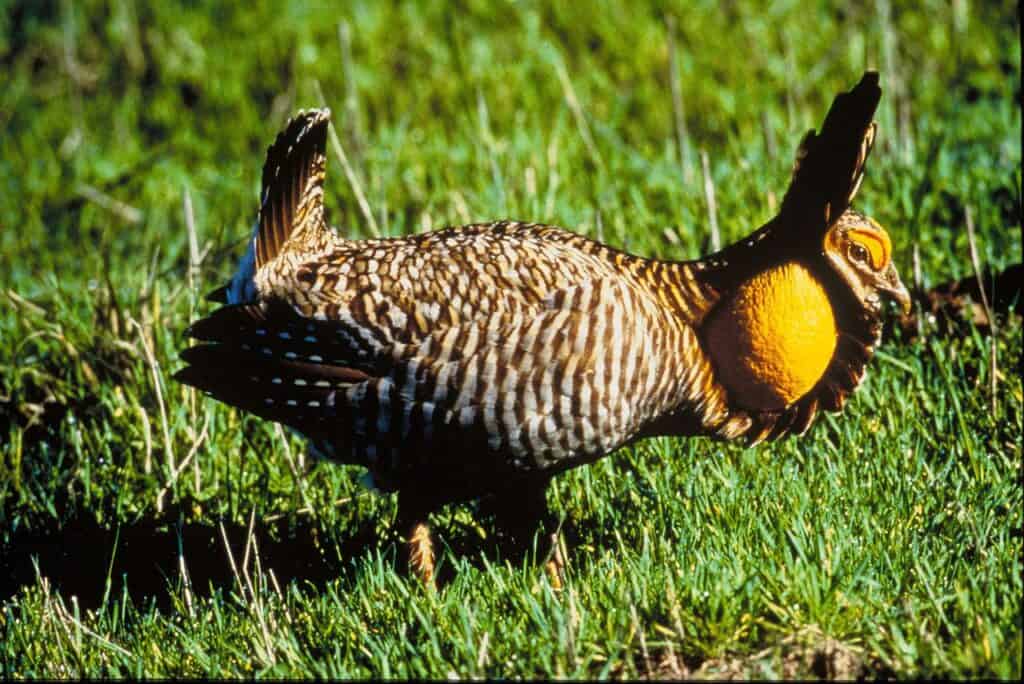
The Attwater’s prairie chicken is a close ancestor of the heath hen and has a similar air sac.
©Lavendowski, George; USFWS / public domain – Original / License
The second threat to heath hens was habitat loss. Like many other chicken species, they need open land. In New England, and specifically Martha’s Vineyard, they found this in fire-dependent plains. Unfortunately, in an effort to protect other vulnerable bird species, conservationists stopped the controlled burns that maintained these open plains. The fields that were previously free of overgrowth quickly became wooded and difficult for the heath hens to navigate. However, the final tragedy that befell the heath hens was one few could have predicted.
The Final Nail, and the Final Call of the Last Heath Hen
On May 12th, 1916, Martha’s Vineyard experienced the worst fire in its history. The blaze burned for nine miles and was five miles wide, destroying everything in its path for two days. Forests were set ablaze while cranberry bogs and other waterways became inaccessible. The fire was worsened by northwest winds that fed the flames, fanning them even higher. At times, the heat was so intense that chemical equipment and backfire trenches were needed to keep it from spreading.
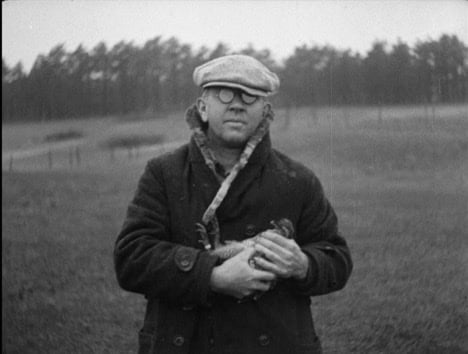
Alfred Otto Gross holds Booming Ben, the last known heath hen.
Ironically, the fire-dependent habitat that once benefited heath hens was devastated by a massive wildfire. The fire whipped across the plains they inhabited and sadly killed many newborn chicks. After this event, the population suffered a significant decline from which it would never recover.
The last remaining individual was a male affectionately named “Booming Ben.” Hollis Smith, a Martha’s Vineyard resident until his death in 1988, was interviewed about the heath hen in 1938. According to his interview, Booming Ben was a sight to behold as he wandered what was left of the scorched plains. His quirky behavior was typical of a heath hen, and locals often sought him out just to observe him in action. Sadly, Booming Ben spent his final days calling for a mate that would never come. It was confirmed that the heath hen died of natural causes in 1932, marking the species’ extinction.