








Quick Take
- The 'Springer' name isn't just a label. It describes a specific hunting trick these dogs mastered long before guns existed. Origin of the name →
- Feeding this breed the wrong ingredients doesn't just upset their stomach. The consequences run much deeper. Explore the right diet →
- Their affectionate, loyal personality comes with a behavioral trade-off most new owners don't see coming. See the trade-offs →
- There's an eye condition this breed is prone to that can quietly progress to permanent blindness if one warning sign is missed. Learn about eye disease risks →
The Welsh Springer Spaniel’s exact origins are unclear, but it is an ancient breed distinct from the English Cocker Spaniel, with both breeds sharing common spaniel ancestry, making this breed well known for its excellent blood sport traits. These dogs were bred to assist huntsmen in locating feathered game by using their incredible sense of smell and projecting bark.

The Different Types of Springer Spaniels
There are two types of springer spaniels, namely the:
- Welsh Springer Spaniel
- English Springer Spaniel
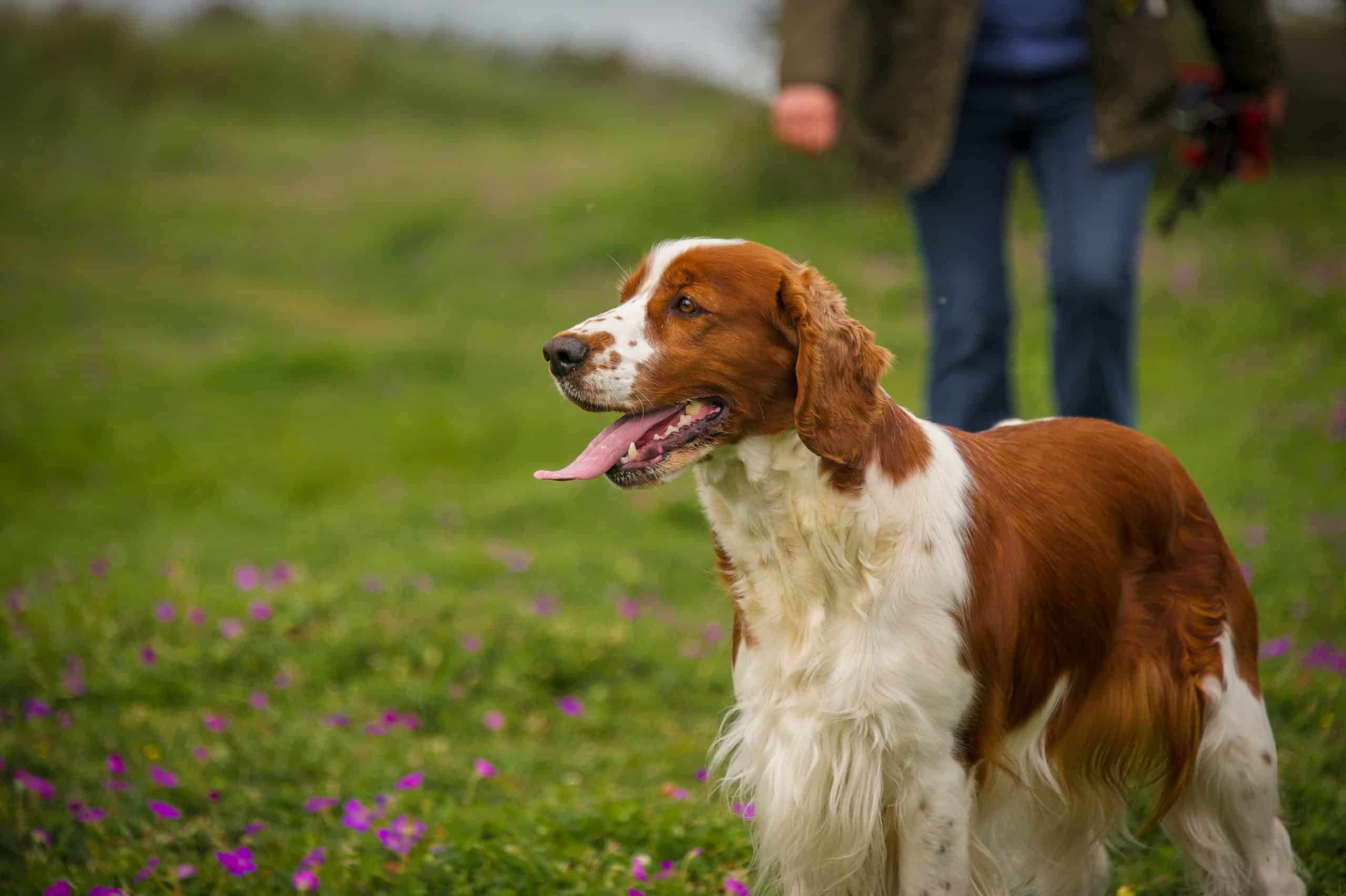
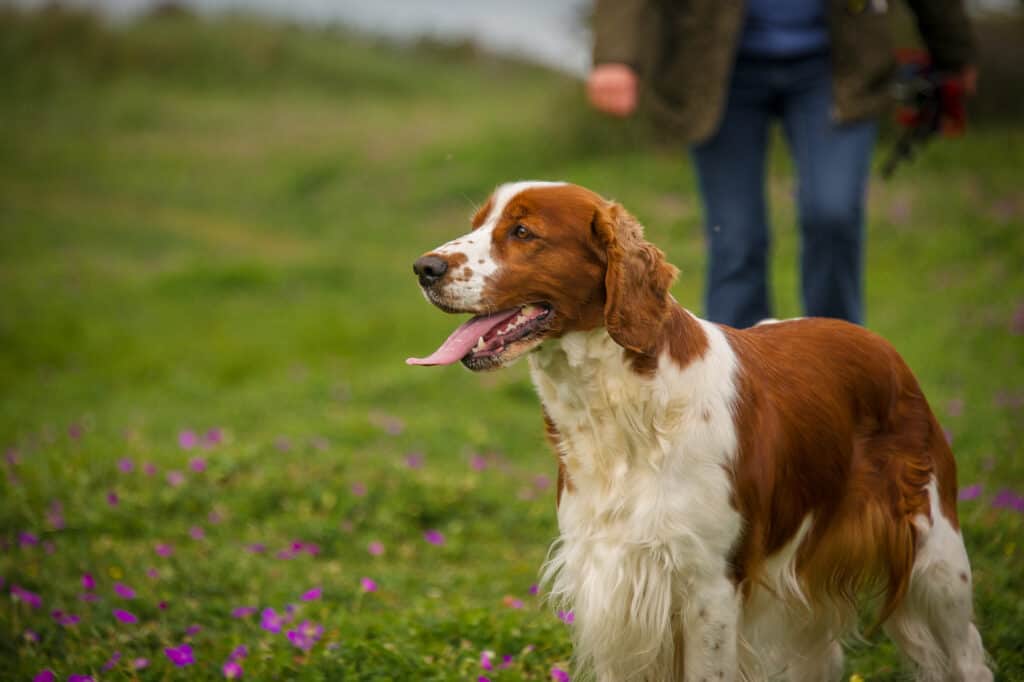
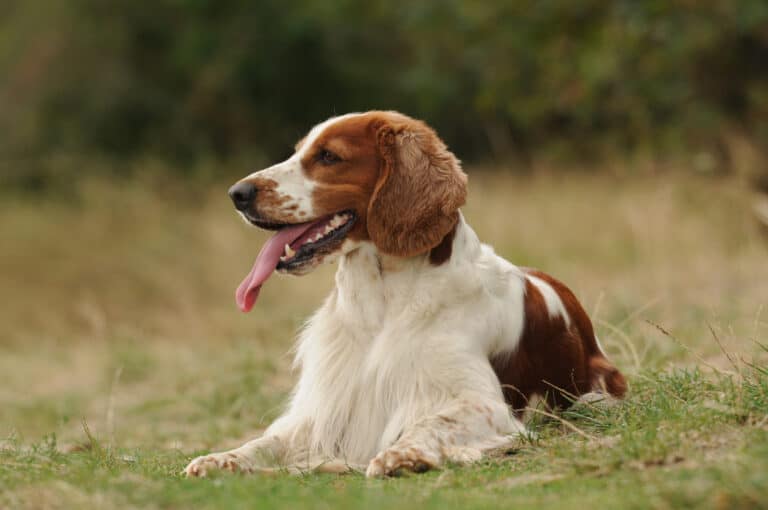
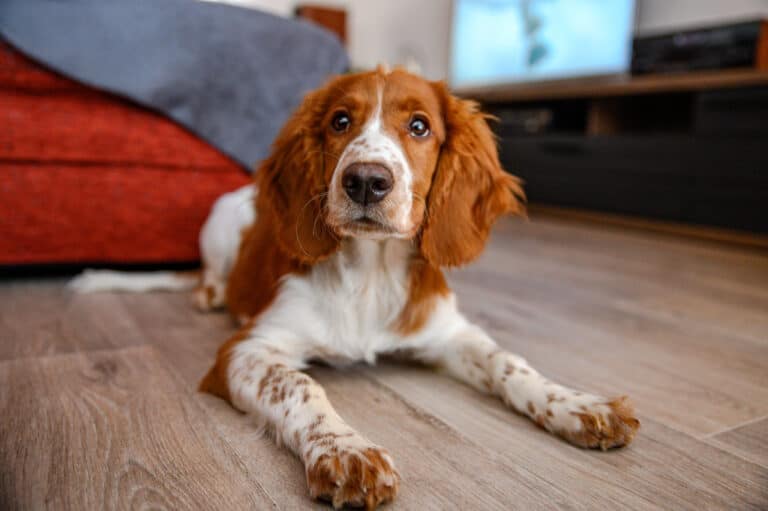
The main differences between these two spaniels include their fur color, head shape, ear set, and overall build. The Welsh Springer’s fur has two tones, containing white with a splash of reddish-brown color scattered on the white base of its coat.
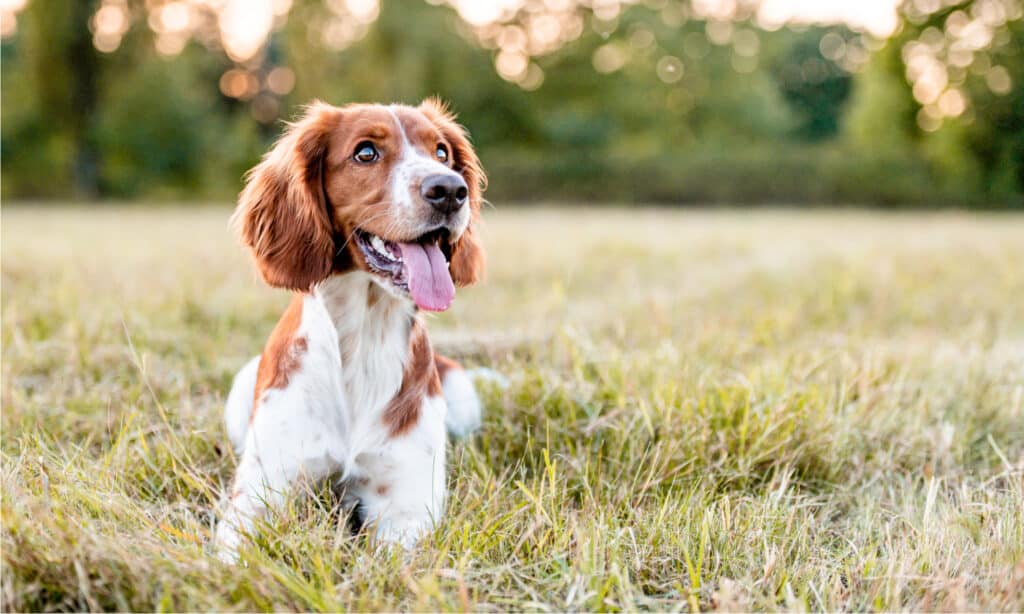
Welsh Springer Spaniels have two-toned fur, mostly white, with patches of reddish-brown.
©el-ka/Shutterstock.com
Compared to the English Springer’s coat, which consists of white fur with patches of black markings or liver-colored tones. These spaniels are similar in build, weight, and hunting skills, giving them the Springer name when they were hard at work searching for their game.
Fun Facts About the Welsh Springer Spaniel
- Before guns were invented, the Welsh Springer Spaniel was mainly bred for their skilled and resourceful hunting skills.
- The term Springer was added to their name because of the technique they used while hunting. They would leap upwards, which would scare the birds to fly towards the sky, making it easier for hunters to shoot them down, so the Springer Spaniel could gather their prized possession.
- The Welsh Springer mostly hunted pheasant and partridge but also specialized in capturing rabbits on the ground.
- The Welsh Springer is also known for taking part in dog shows.
Pros and Cons of Owning a Welsh Springer Spaniel
| Pros | Cons |
|---|---|
| Appealing temperament: They are fun-loving, intelligent, and devoted in everything they do. | Distracted easily: Due to a very strong sense of smell, they can quickly become absent-minded when hunting and will explore on their own. |
| Grooming is manageable: Their coats should be brushed every 3 days to avoid their wavy locks getting knotted. Their coat should get a good trim once a month to prevent the hair from becoming overgrown, especially on the ears and tail. When it comes to bath time, once a week or once a month, depending on how smelly they get. | Very active: Because this breed has a lot of energy and is always playful, they need a lot of exercise. Welsh Springer Spaniels need at least 2 hours of exercise per day. This can include walks, running, and dog training. They must exercise to maintain a healthy lifestyle and burn off their extra energy to prevent them from having behavioral issues. |
| Lifespan: they can live up to 12-15 years as long as they maintain a healthy diet and get enough exercise. | Separation anxiety: the Welsh Springer likes to be near their owners at all times. When they don’t get enough recognition, they become destructive and get up to mischief. |
The Best Dog Food for the Breed
The Welsh Springer Spaniel has a very sensitive stomach as its digestive system cannot absorb any flawed ingredients that include fermented carbohydrates, which is why raw food comes highly recommended for this breed. If the Springer Spaniel does ingest any of these inferior foods that contain starch, it can experience:
- Food allergies
- Skin disorders
- Digestive issues
- Obesity
- Diabetes
Because they have such a love for food and will eat anything that looks and smells inviting, it results in them gaining weight. This is why it is important to provide a healthy diet containing proteins, good fats, and vegetables, allowing their gut to absorb the important vitamins and minerals, keeping them healthy and free of health risks.
Weight and Size
A Welsh Springer Spaniel has a medium build. The male’s height is 17 to 19 inches tall, and its weight ranges from 40 to 45 pounds. The female’s height is 16 to 18 inches tall, and her weight ranges from 35 to 45 pounds.
Health Issues
Their breed is prone to certain health concerns, such as
- Autoimmune Thyroiditis
- Hip and elbow dysplasia
- Eye diseases
Autoimmune Thyroiditis means that the thyroid hormone is inactive and can cause a decline in metabolism. When managed correctly, this disorder prolongs the Springer’s lifespan, and they will continue to prosper.
Hip and elbow dysplasia is an incurable genetic joint disorder, but if you incorporate a proper diet to prevent weight gain, this will add less pressure on their joints. You can also add supplements to the Welsh Spring Spaniel’s diet, decreasing stiffness and pain.
The eye disease referred to as Glaucoma is when there is an increase of fluid inside the eye, causing inflammation and discomfort. This can become extremely painful because the eye connects to the optic nerve, and if there’s any added pressure, it can result in permanent blindness if left untreated.
Temperament
The Welsh Springer Spaniel is a very warm-hearted and energetic breed. They are always in search of love and attention, so they will make sure to stay close by as they are very protective of their family.
Due to being so attached to its owners, the Springer Spaniel does not like being left on its own and can experience separation anxiety.
Welsh Springer Spaniels get on well with other breeds, especially when they are socialized from a young age.
Maintenance and Grooming
Their fur coat is known to tangle easily as the hair strand is very fine, which results in knotting. Therefore, it is vital to incorporate regular brushing and bathing, as it will prolong shedding by keeping the coat shiny and knot-free.
Surprisingly, they really do enjoy the grooming process, and as long as there is a gentle approach, they will be cooperative.
This breed needs its nails trimmed at least every 3 to 4 weeks, but it’s best to have its nails professionally cut, as owners can often cut them too short, causing them to bleed, which is painful.
Their teeth require cleaning daily with a manual toothbrush with special dog toothpaste. Alternatively, they can go for professional cleaning once a year.
Training
When it comes to training the Springer, they need training from a young age, as this will teach them to respect the owner when it comes to demands and resolving any behavior problems. This breed will respond to commands if they get proper training, making training fun and less stressful for the dog and owner. Because these dogs are very intelligent, they learn very quickly, making them very trainable.
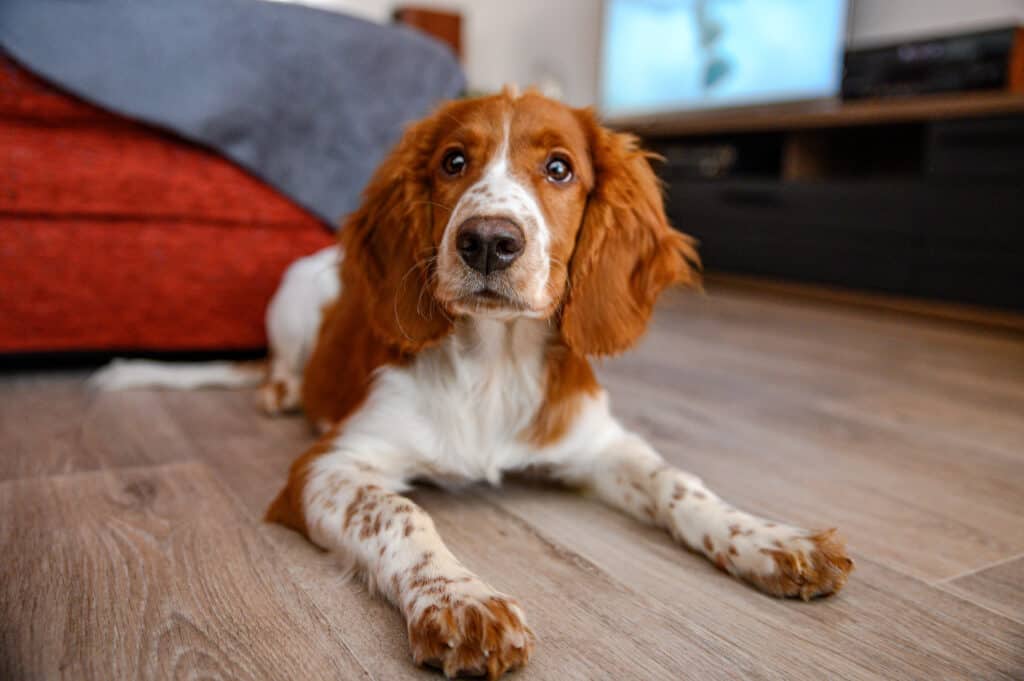
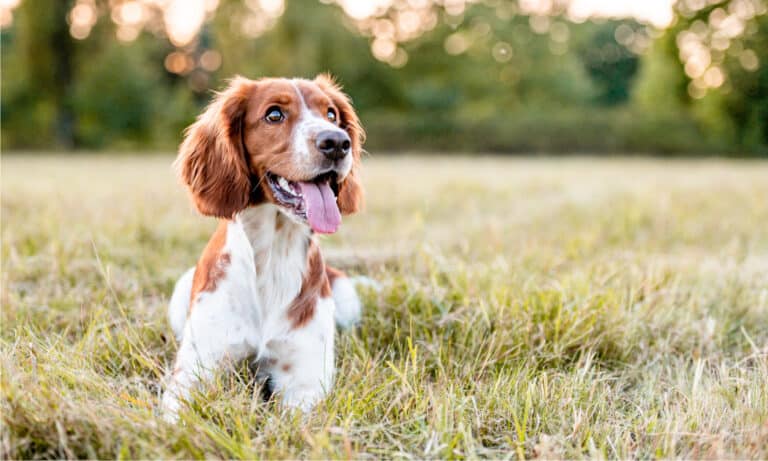
Welsh springer spaniels are very energetic dogs and need lots of exercise.
©el-ka/Shutterstock.com
Exercise
Their energetic nature makes them very busy dogs, which means that they require a lot of exercise, at least 2 to 3 hours a day. Their exercise can consist of running or playing fetch, which is a great way to keep your dog healthy and prevent them from becoming bored.
When taking your Springer out for a walk, keep a watchful eye on them as they can be very inquisitive and will go wherever a scent takes them.
Puppies
When these beautiful pups are born, their first 8 weeks of development begin. During this time, they are very dependent on their mother as they will drink milk from her to gain as many nutrients as possible, allowing them to grow and become healthy.
In the first week after birth, these pups will mostly sleep and feed; in the second week, their senses start developing, and they see and hear more clearly.
Once they learn how to start using their legs, they become more mobile, and their playful side starts to appear. Their loving personality and charming looks make this breed an all-time favorite.
Children
Because the Springer Spaniel likes to be close to their family, it is a wonderful breed to introduce to children. It’s best to raise a puppy when children are young, as this will allow the pup and child to have a better bonding experience by learning each other’s personalities and keeping each other occupied.
Dogs That are Similar to the Welsh Springer Spaniel
The one dog similar to the Welsh Springer Spaniel is the English Springer Spaniel. They are similar in height, weight, and hunting techniques. However, what sets them apart is their markings and different color tones on their fur.
Welsh Springer Spaniel Pictures
View all of our Welsh Springer Spaniel pictures in the gallery.

rebeccaashworth/Shutterstock.com
Sources
- Wikipedia / Accessed September 25, 2022
- Dogtime / Accessed September 25, 2022
- Hills Pet / Accessed September 25, 2022
- The Spruce Pets / Accessed September 25, 2022
- Wag Walking / Accessed September 25, 2022