
While you might assume spiders are invading your home during autumn, many are simply out searching for mates. Fall is known as spider mating season, increasing the boom in indoor sightings. However, these critters are typically hiding inside your home year-round without you even realizing it. During fall, they just come out to play—or mate. Interested in learning more about spider mating? Here’s why fall is prime time for spider love.
Why Is Fall Spider Mating Season?

Autumn is prime time for spider mating.
©maxbelchenko/Shutterstock.com
During autumn, you might notice more spider activity in and around your home. Most spiders search for mates during this time of the year, as this is when male spiders reach sexual maturity. As the weather cools, spiders also often search for warmer places to lay eggs.
“Spider mating season varies by species—some wolf spiders mate in the spring, many outdoor species mate in late summer or early fall, and some indoor species may reproduce all year round,” says Ian Williams, MS, Board Certified Entomologist, and Technical Services Manager at pest control company Rollins, Inc.
However, fall is widely recognized as the active mating season for many spider species, particularly in temperate climates. If you notice an increase in spiders throughout your home during autumn, don’t be alarmed: this is completely normal.
“Male spiders are much more active during the breeding period, often leaving their hidden shelters to visit female webs and habitats,” says Williams. “During this period, homeowners may see more spiders than usual. However, after the breeding season has concluded, male and female spiders will either go back into their hiding spots or locate new ones to wait out the colder seasons. Unfortunately, homes are the perfect toasty spot for spiders to hide out.”
How Do Male Spiders Seek Their Mates?
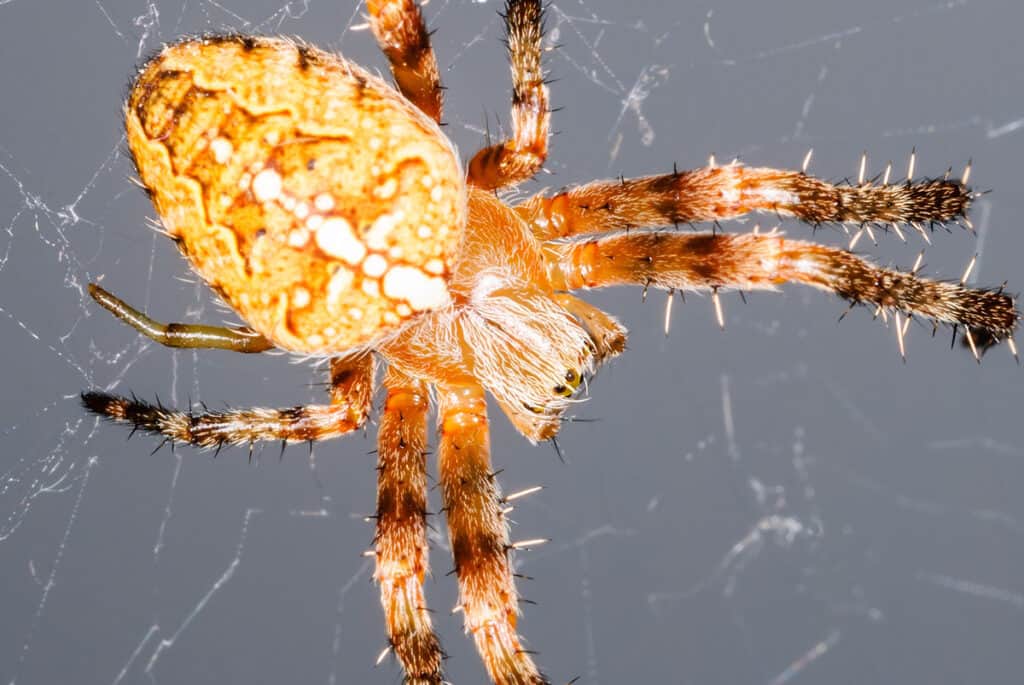
Fun fact: the female European garden spider sometimes eats males after mating.
©Imfoto/Shutterstock.com
Male spiders employ a range of strategies to locate and attract female mates. Two of the most common cues are chemical signals and silk threads, which let male spiders know when females are ready to mate.
“Recent studies have indicated [that] some species of male spiders have ‘scent’ detectors on some of their legs, similar to antennae in insects,” Williams explains. “The female spiders may release sex pheromones or place them on her web to indicate where she is for the males to find her.”
Additionally, many male spiders create vibrations by plucking their webs, which alerts females that they’re ready to mate. Essentially, the male spider will tug on the threads of a web to create these vibrations. It’s basically their way of saying, “I’m here! Pay attention to me!”
Spiders also use visual displays to attract mates, performing specific movements that can look like dances. These are considered courtship rituals, which spiders use to attract the attention of a potential mate.
Spider mating season varies by species—some wolf spiders mate in the spring, many outdoor species mate in late summer or early fall, and some indoor species may reproduce all year round.
Ian Williams, MS, Board Certified Entomologist
How Does Spider Mating Drive the Seasonal Boom In Sightings?
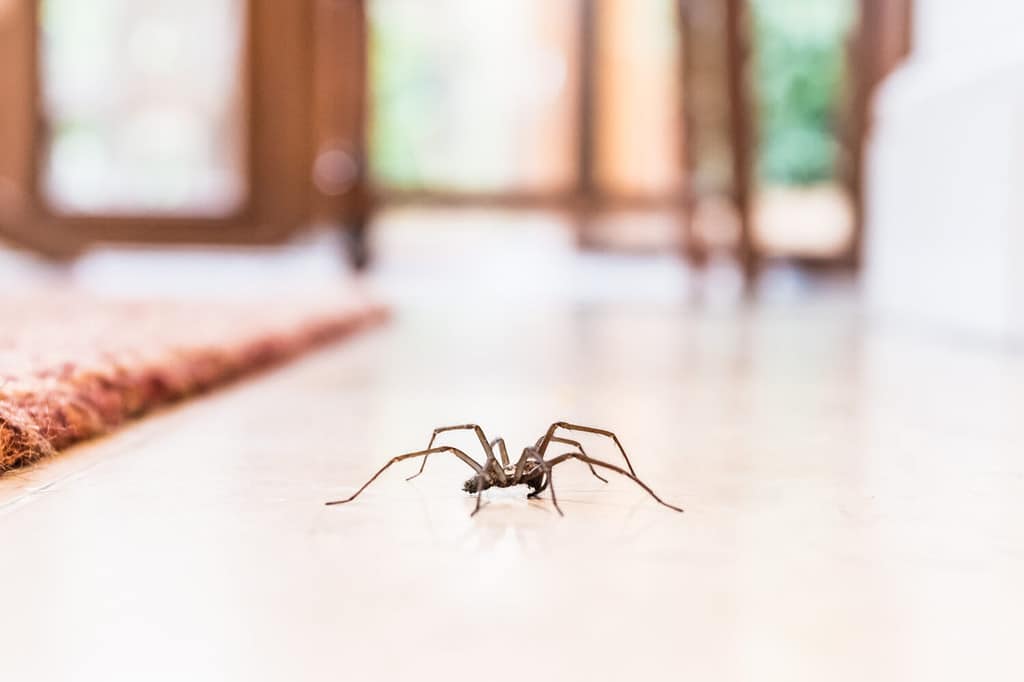
Due to their activity levels, spiders are commonly spotted indoors during autumn.
©Christine Bird/Shutterstock.com
As noted earlier, male spiders typically leave their solitary habitats to pursue female mates. Rather than hiding away as they do throughout the year, they venture out and about during autumn.
“As male spiders seek female mates, they typically travel outside of their shelters, leading to more spider sightings,” says Williams. “As young spiders hatch out, they may also migrate to new areas in search of food and shelter. Different species have different seasons, so spider management is a year-round endeavor.”
Many people wonder where spiders go during winter or other seasons, when they’re not as easily spotted. While it might seem like there are more spiders in your home during autumn, odds are, they’re present throughout the year—they’re just hiding out of sight.
Common Spiders Spotted Indoors During Mating Season
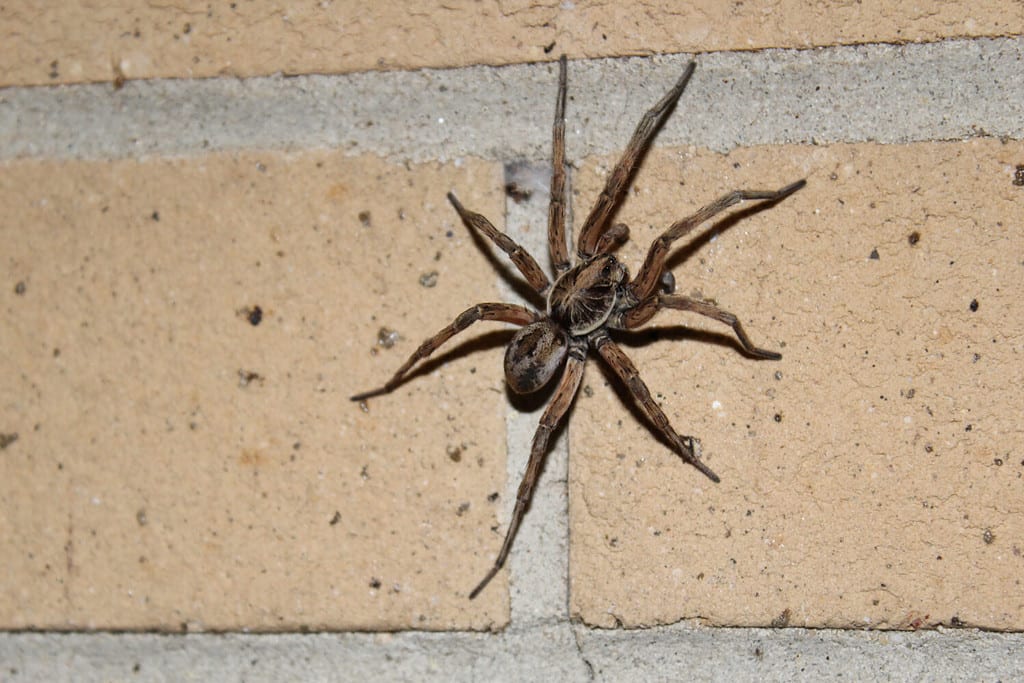
Wolf spiders often find their way indoors, and many homeowners panic at their large size.
©Clayton Nichols/Shutterstock.com
Wondering what type of spider might be crawling around your house? Here are some of the most common spiders you might spot in your home, according to Williams:
- Domestic house spiders: These are the more common spiders you notice in your home. They’re known as “frequent indoor web builders,” as Williams puts it.
- Cellar spiders (“daddy longlegs”): These lengthy arachnids typically hide in basements, crawl spaces, or garages, so you might not spot them out in the open.
- Wolf spiders: These spiders are particularly large, fast-moving hunters. During autumn, you might notice them wandering around indoors, which can be quite a scary scene. However, they’re ultimately harmless.
- Brown recluse spiders: This spider species is the more reclusive yet venomous type of spider. According to Williams, they’re often found in attics, closets, or undisturbed storage areas.
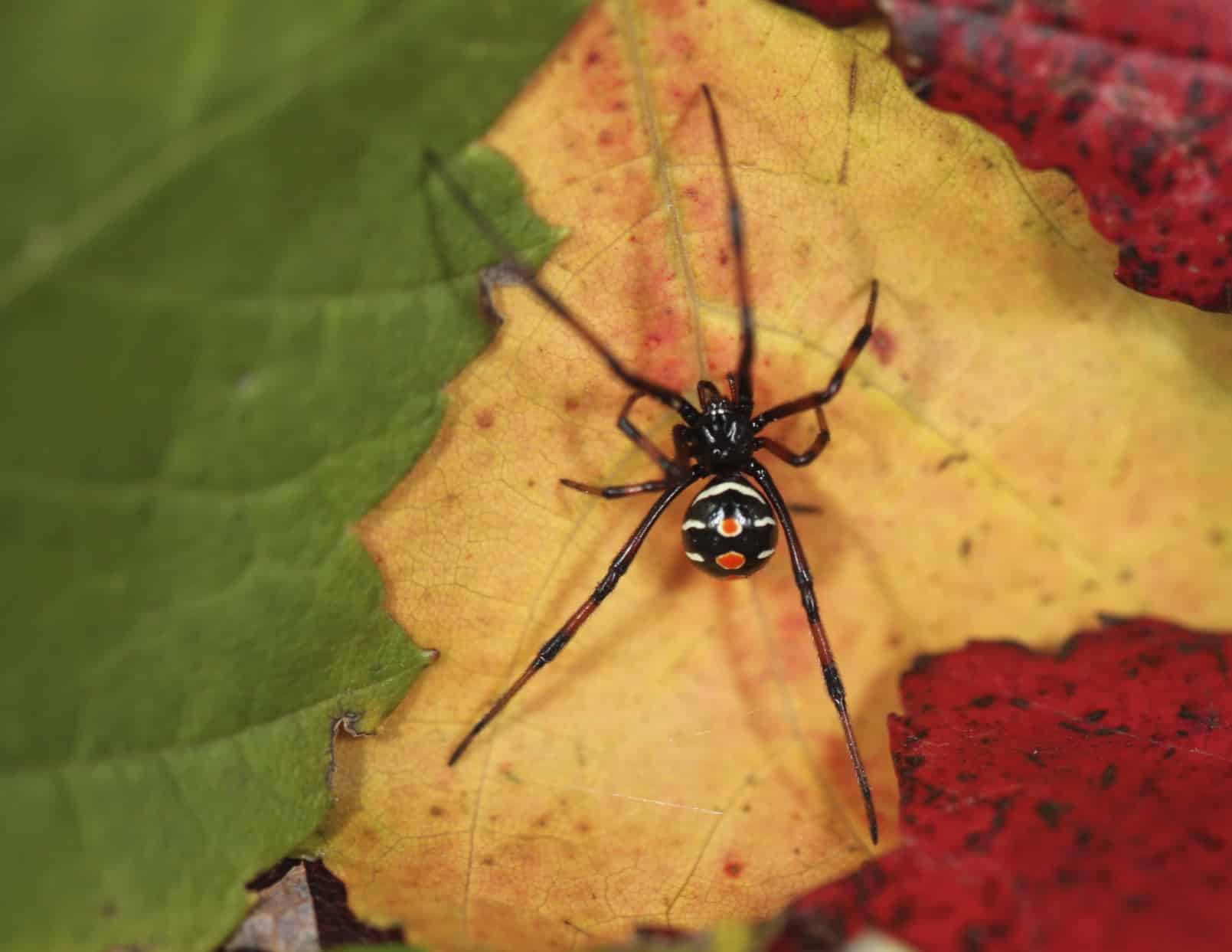
- Black widow spiders: Also found in dark spaces like garages, basements, or cluttered corners, black widow spiders are a dangerous species thanks to their strong venom.