
Quick Take
- Estivation is when animals enter a state of aerobic torpor.
- They use it to survive dry conditions, a lack of food, and high temperatures.
- It is seen in lungfish, snails, some amphibians, and some reptiles.
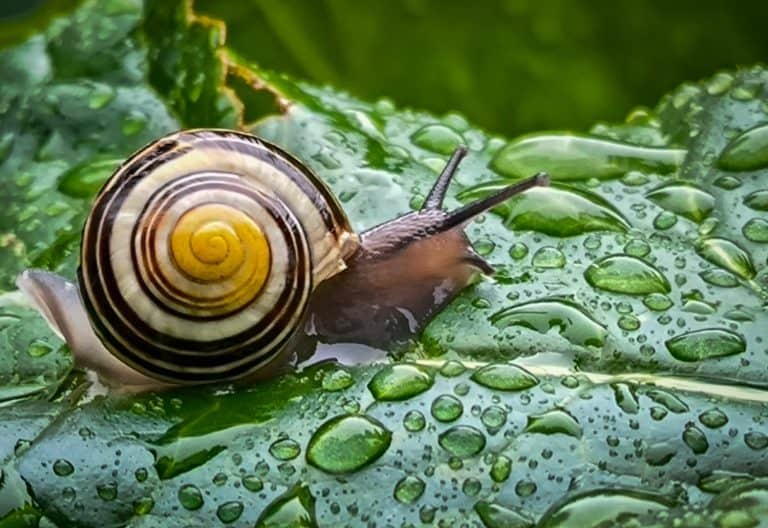
We all love an afternoon nap, but did you know that for some animals, it is literally a lifesaver? This is a very special type of nap called estivation, and several different types of animals, including some snails, can do it. It is similar to hibernation in that it’s a type of dormancy, but it takes place in the summer rather than in the winter. Read on to find out more about it.
Estivation – the Science
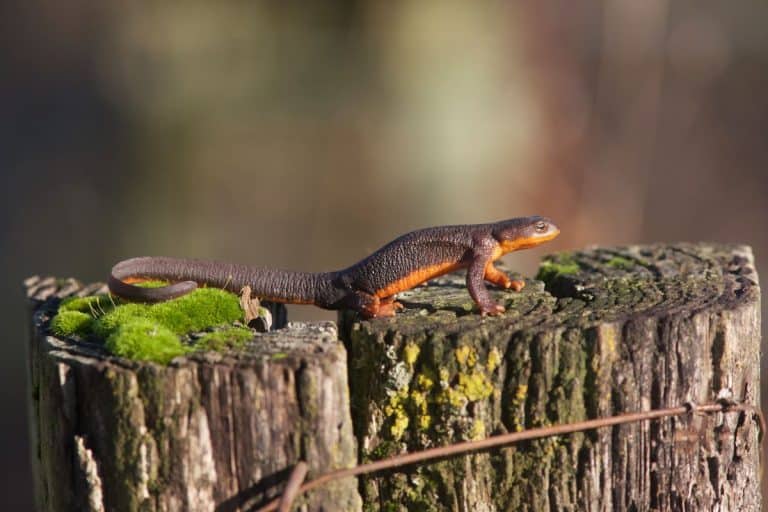
In scientific terms, estivation is a state of aerobic torpor. Aerobic means that the animals are still using oxygen, and torpor refers to a state of decreased physiological activity. Animals use it to cope with dry conditions, a lack of food, and high temperatures. It has been studied in some detail in pulmonated land snails. However, it has also been recorded in lungfish, some frogs, toads, and salamanders, and in some lizards, crocodilians, and turtles. It has even been reported in mammals such as the Malagasy fat-tailed dwarf lemur, though evidence for estivation in four-toed hedgehogs remains inconclusive.
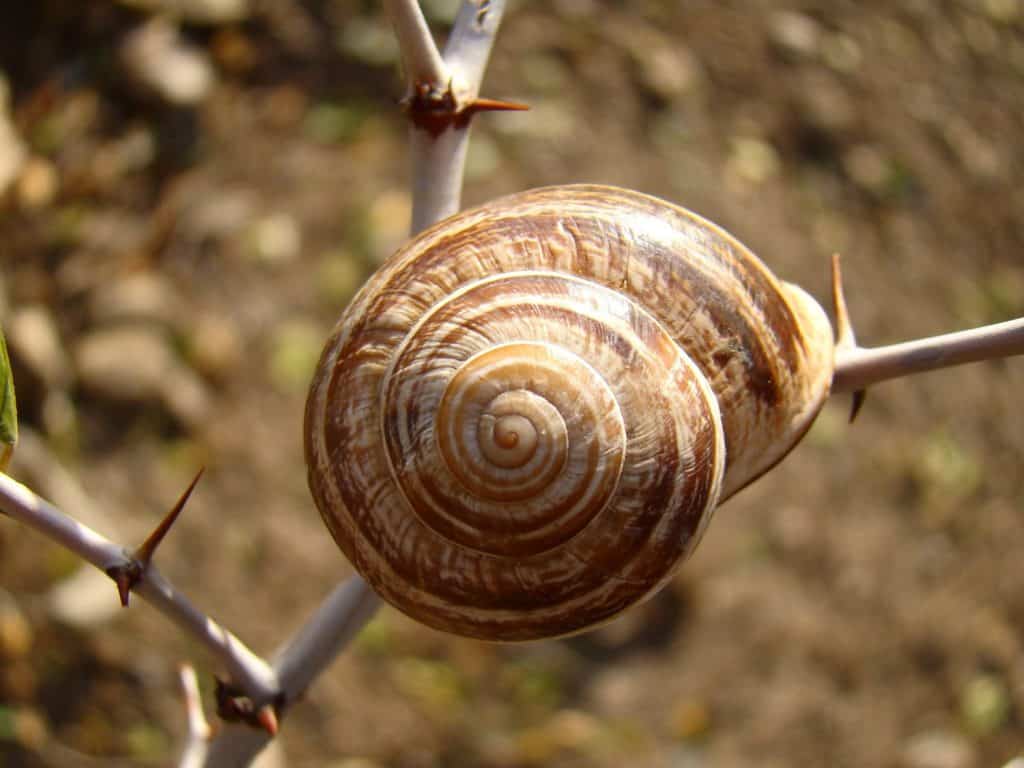
Some animals can estivate for years.
©Mohamed El Boushaki/Shutterstock.com
Sometimes, estivation is a short-term response, but more often, it allows animals to survive long, dry seasons. Typically, the snails spend 9–10 months of the year in estivation. However, in some cases, estivation can last for up to three years.
How Do Animals Survive Estivation?
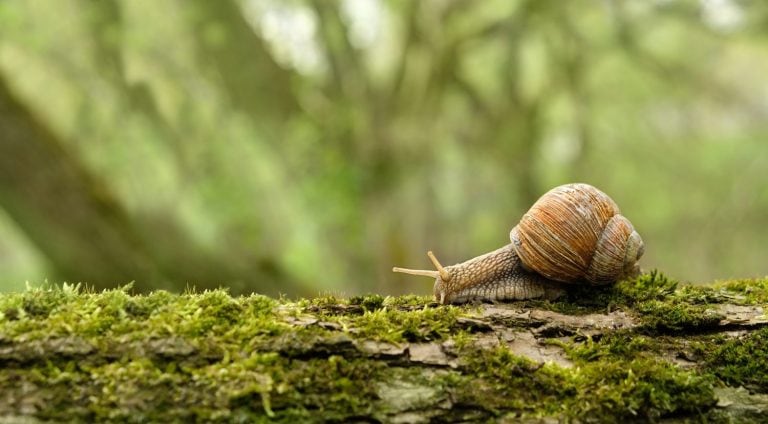
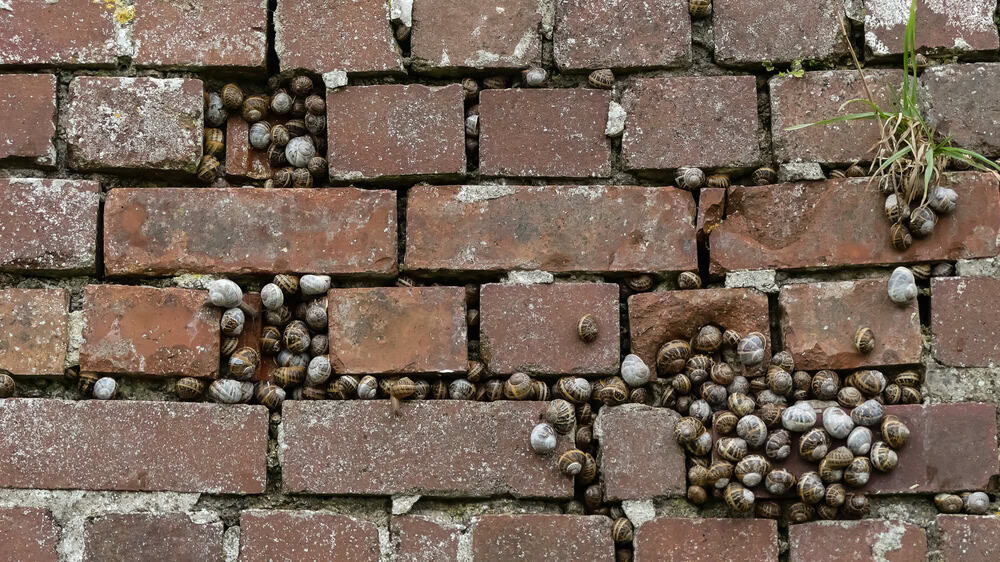
To survive estivation, animals must have enough water and fuel reserves in their bodies. A suitable location is vital; it must protect them from predators and provide limited exposure to the elements so they can conserve water. Typically, you will find estivating snails in crevices and under logs.
Water loss is a major problem, and during breathing, water leaves the body as vapor. Therefore, estivating snails may breathe only two or three times an hour. They also secrete a mucus epiphragm—a temporary membrane—to cover the opening of their shell. At the same time, they must conserve their fuel reserves, so their metabolic rate is lower, and they use far less energy. In this state, they can survive adverse conditions and will emerge when more water is available and the environment becomes cooler.