
Quick Take
- Two microscopic organisms were hiding inside these fish for who knows how long, and they were so well concealed that even a careful study under a microscope wouldn't have caught them. Discover the hidden species →
- Nearly half of one native fish species in the Sea of Galilee carries something scientists never knew existed, a finding experts believe is just the tip of the iceberg. See the infection rates →
- Parasites shape ecosystems far more than scientists account for, and the reason they keep getting left out of conservation plans reveals a blind spot in how biodiversity is studied. Understand the ecological blind spot →
The Sea of Galilee has long been known for its proximity to both geopolitical and religious history. It turns out that this body of water is also a significant location for biological activity. As researchers recently discovered, one of the lake’s native inhabitants, barb fish, hosts a hidden world of parasitic organisms inside their bodies. Not only does this finding provide a better understanding of silver barb fish, but it also transforms previous understandings of how evolutionary processes occur at a microscopic scale.
The Sea of Galilee
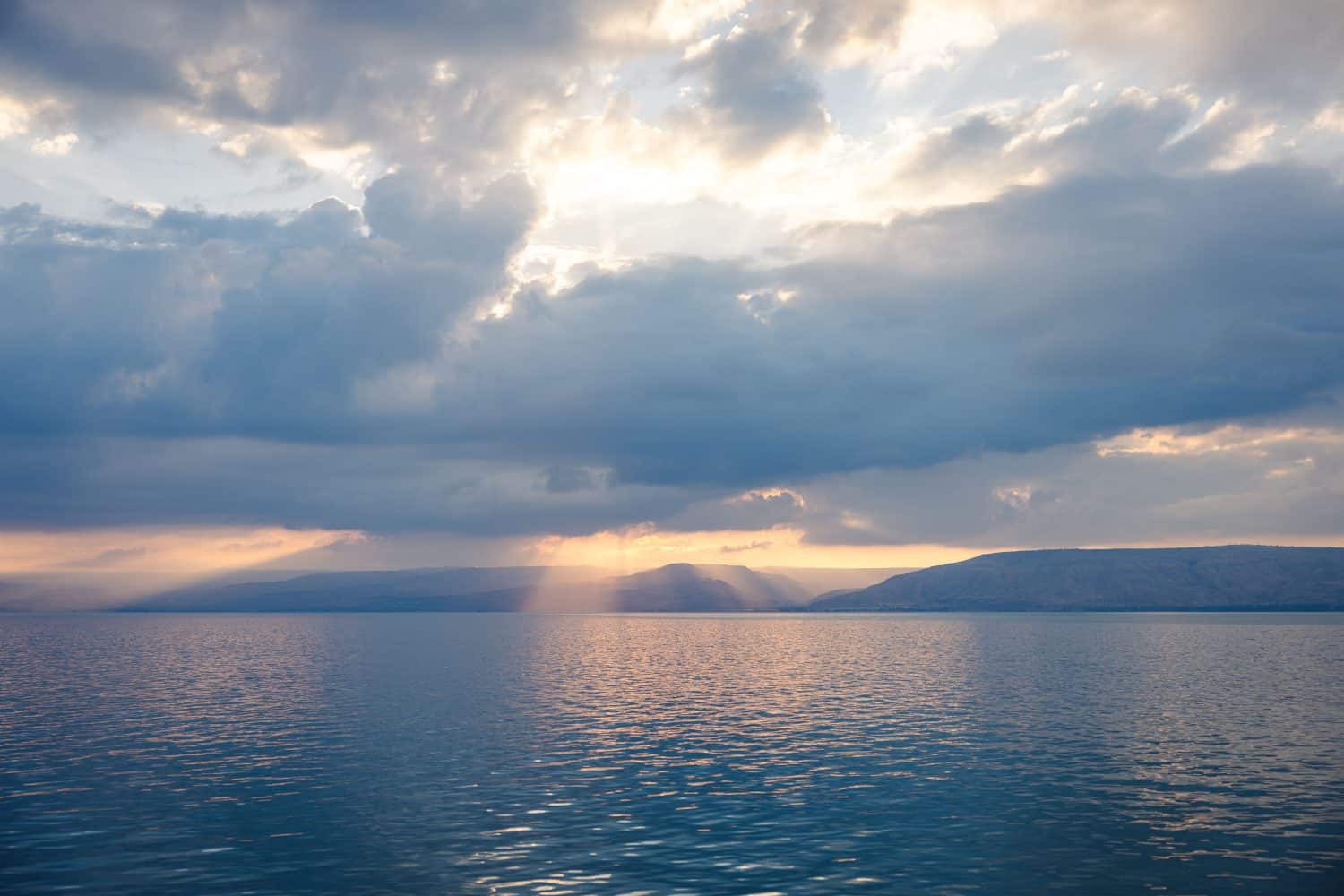
The Sea of Galilee is the lowest freshwater lake on Earth.
©Wirestock Creators/Shutterstock.com
Not many lakes in the world have the reputation and history of the Sea of Galilee. Its location, in the northeast corner of modern-day Israel, made it a relatively common landmark even during the Old Testament days. However, there is a lot about this lake that makes it different from others. For one, it’s the lowest freshwater lake on Earth, fluctuating between 705 and 686 feet below sea level depending on the time of year. It is also the second-lowest lake in the world overall.
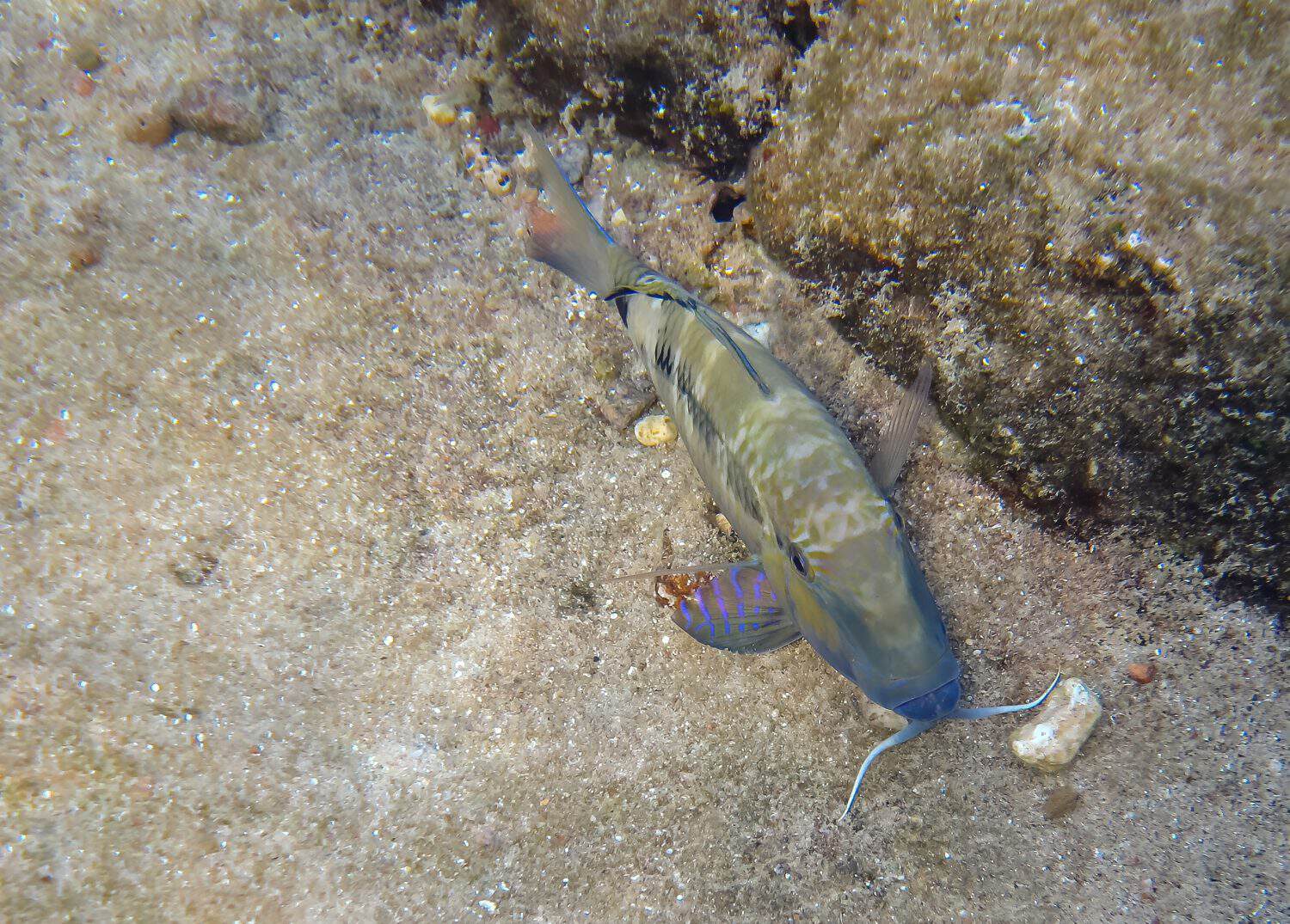
You would think that such a low elevation would make it basically inhospitable, but nothing could be further from the truth. The Sea of Galilee hosts an impressive variety of flora and fauna. Perhaps its most well-known creatures are the Jordan himri (Carasobarbus canis) and the Jordan barbel (Luciobarbus longiceps).
These fish are deeply connected to the lake, and scientists consider them to be integral components of the area’s ecosystem. The fascinating inner workings of these barb fish sheds new light on how the evolutionary process occurs on a microscopic level.
Bite-Sized Parasites
During the study, whose findings were , Dr. Aditya Gupta and colleagues found something unexpected in the gallbladders of the barb fish. A microscopic look revealed small, whitish plasmodia inside the organs. Due to their shape and structure, these plasmodia looked remarkably similar to Myxidium parasites. To be sure, the researchers invoked the powers of DNA sequencing.
After sequencing the 18S ribosomal RNA gene, the team found that these plasmodia — parasites
— were genetically distinct from previously documented Myxidium species. In fact, these findings revealed two brand new species: Myxidium grauri and Myxidium sharmai. They belong to a group of microscopic organisms within the Cnidaria and subphylum Myxozoa.
Despite their tiny size, these organisms are actually related to jellyfish and corals. Interestingly, these parasites evolved from free-living ancestors approximately 600 million years ago. Since then, they’ve managed to adapt to life inside fish hosts. One reason they likely went overlooked in the past is that they look almost identical to other myxozoan parasites. Even a careful study under a microscope won’t reveal any noticeable differences. Such identification requires the analysis of genetic data.
A Hidden Layer
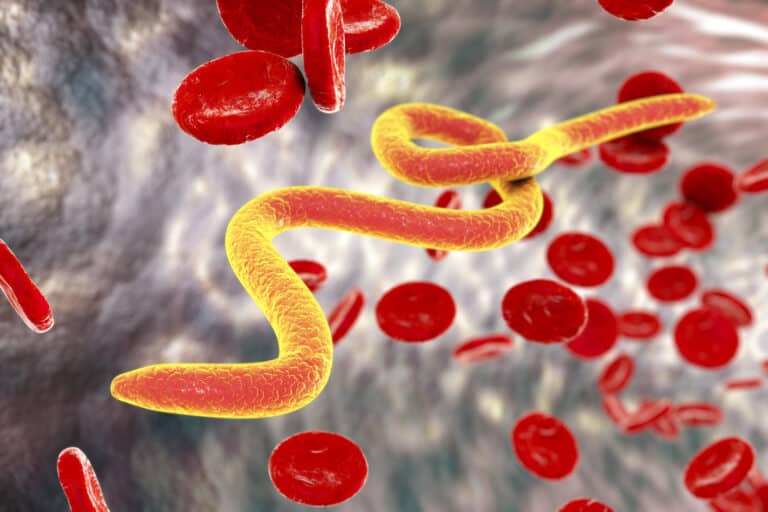
Despite being present in a considerable portion of creatures, parasites rarely come up in discussions about conservation or ecological management.
©Sergei25/Shutterstock.com
The beguiling appearance of Myxidium grauri and Myxidium sharmai suggests some interesting implications. For one, the researchers believe that this hidden layer of parasitic stowaways likely exists in . They believe the lack of combined scientific techniques — classical microscopy and modern molecular methods — has prevented other researchers from discovering this parasitic presence.
As part of the study, the researchers noted a high infection rate for both types of barb fish. While Myxidium sharmai infected approximately one-quarter of Jordan barbel specimens, nearly half of the examined Jordan himri fish featured Myxidium grauri. A chance discovery and a genetic follow-up helped researchers find a sort of ghost parasite, existing throughout the ecosystem without ever being noticed before.
Such discoveries are important because parasites often play a disproportionately large role in ecosystem health. The presence of parasites can affect food-web interactions and influence fish populations. They also provide valuable clues as to how environments change over time and how host species evolve in tandem. As the researchers emphasized, their findings show just how significant parasites are. These small, often invisible organisms represent a considerable portion of any ecosystem’s biodiversity. Despite this, experts rarely include them in discussions about conservation or ecological management.