
Quick Take
- Seals swimming toward a great white shark looks suicidal, but researchers have a name for it and the data behind it is hard to argue with. Understand the mobbing strategy →
- Great whites are ambush predators, and the moment a seal turns around, it starts dismantling the shark's single biggest weapon. See how surprise is neutralized →
- Where the encounter happens can shift the odds almost as much as what the seals actually do, and the reason why is far from obvious. See how location shifts the odds →
- The seals don't need to hurt the shark to win. They just need to change one thing about the situation. See why overpowering isn't the goal →
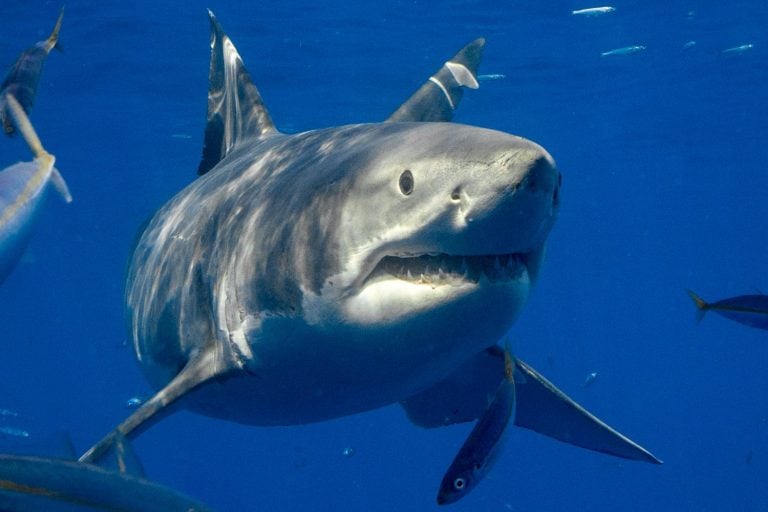
A great white shark is exactly the animal most seals should want to put as much distance between themselves and as possible. But when one closes in on a group of Cape fur seals off South Africa, the seals do something that seems completely backward.
Instead of scattering, they turn toward the shark. Then more seals join them. Within moments, the predator that had been stalking its next meal is surrounded by the very animals it was trying to hunt. It looks reckless, but researchers have a name for the behavior, and there is good evidence that it can actually work.
Quick Take
- The footage was filmed for Planet Earth III near South Africa’s Robberg Peninsula.
- The animals are Cape fur seals, which are regular prey for great white sharks along parts of the South African coast.
- The seals use an anti-predator behavior called mobbing, approaching and surrounding the shark rather than simply fleeing.
- Research in the same region found seals in mob groups were roughly three times less likely to be attacked than seals engaged in other behaviors.
The Seals Turn Around and Chase the Shark
The footage comes from BBC Earth’s Planet Earth III and was filmed near the Robberg Peninsula on South Africa’s southern coast. Cape fur seals leave the rocky shoreline to feed on fish offshore, putting them into the same water used by hunting great white sharks.
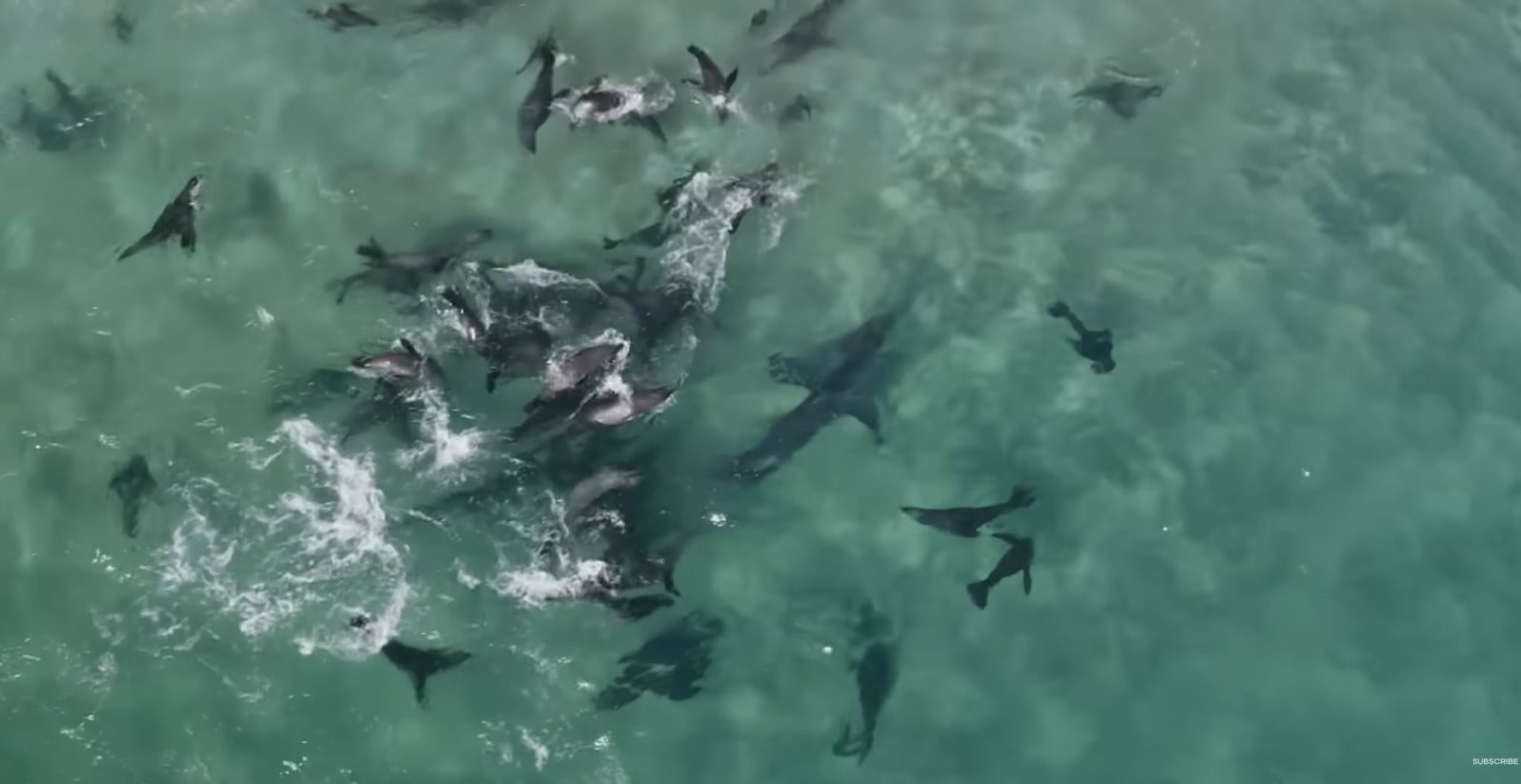
At first, the encounter unfolds exactly as you would expect. The sharks patrol close to shore and force the seals toward the rocks. Then one great white moves in and the situation suddenly reverses. Seals begin approaching from behind and from the sides. More join them until the shark is surrounded by a growing mob and eventually retreats toward deeper water.
Why Would Prey Swim Toward a Great White Shark?
The behavior is known as mobbing. Instead of relying entirely on escape, prey animals collectively confront or harass a predator until it moves away. Birds are famous for doing it to hawks and owls, but Cape fur seals have been documented using the same strategy against white sharks.
That does not mean the seals are trying to overpower or kill the shark. The goal may be much simpler: let the predator know it has been spotted, warn other seals where it is, keep multiple sets of eyes on it, and make hunting difficult enough that the shark decides the meal is no longer worth the trouble.
A study of Cape fur seals and white sharks in South African waters identified several possible benefits of mobbing, including alerting other seals, increasing vigilance, revealing the shark’s location, and potentially driving the predator away.
Strength in Numbers Really Can Change the Odds
The seals in the video are not simply acting tough. Research suggests the strategy can make a measurable difference.
A 2022 University of Miami study examined natural interactions between great white sharks and Cape fur seals around Plettenberg Bay, South Africa. Researchers found that white sharks had significantly lower probabilities of both attacking and successfully killing seals while they were being mobbed.
The difference for the seals was even easier to picture. Seals traveling in a mob group were about three times less likely to be attacked than seals engaged in other behaviors. That does not make approaching a great white shark safe, obviously, but it helps explain why a behavior that looks almost suicidal at first glance may actually improve an individual seal’s chances of surviving the encounter.
Mobbing Also Takes Away One of the Shark’s Biggest Advantages
Great whites are formidable predators, but they do not simply overpower every seal they see. Surprise matters. White sharks frequently approach pinnipeds from below or from angles that make it difficult for the prey to see them coming.
Once dozens of seals know exactly where a shark is, that advantage starts disappearing. A shark that has been spotted is now dealing with prey that can track its movements, change direction quickly, and warn the rest of the group simply by reacting to it.
The BBC crew that filmed the Robberg sequence noticed the same pattern. Associate producer Georgina Ward told Live Science that mobbing often began before a shark even launched an attack, meaning the seals had already taken away its element of surprise.
Shallow Water Can Tip the Balance Even Further
Where the encounter happens can matter almost as much as how many seals show up. Researchers studying Cape fur seals elsewhere in South Africa found that shallow water can make mobbing especially effective.
In deeper water, a white shark can use the vertical space below a seal to stay hidden and launch an ambush. In a shallow channel, that becomes much harder. Researchers studying seals between Geyser Rock and Dyer Island found that the limited depth forced sharks into more horizontal approaches, making them easier for seals to see and avoid.
In other words, a great white is still a great white, but a shark that has lost both surprise and room to maneuver is operating under a very different set of conditions.
These Are Cape Fur Seals, Not Harbor Seals
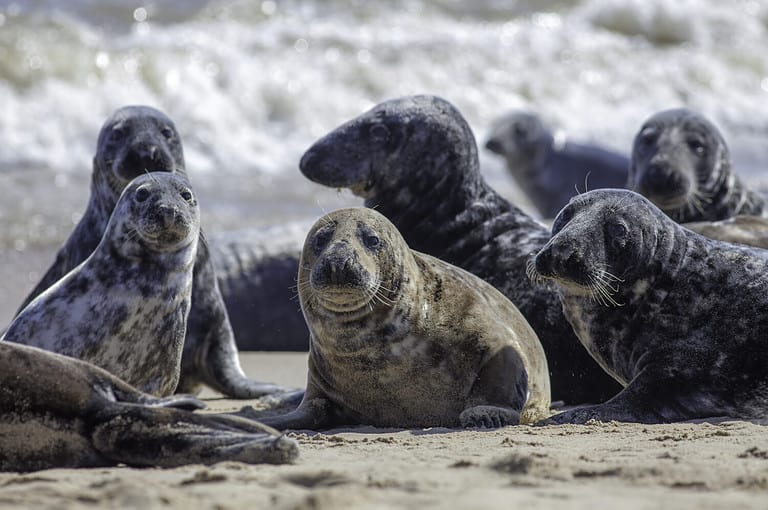
The animals in the footage are Cape fur seals, also called South African fur seals. Their scientific name is Arctocephalus pusillus pusillus, and despite the word “seal” in their name, they belong to the eared-seal family Otariidae, the same family that includes sea lions.
Cape fur seals live in colonies along the southern African coast and spend part of their time at sea feeding on fish and other marine prey. That daily search for food inevitably brings them into waters used by large predators, including great white sharks.
For most of the encounter, the shark still has the obvious advantages in size and weaponry. The seals have something else: numbers, agility, and the ability to ruin an ambush before it ever gets started.
The Seals Don’t Have to Defeat the Shark
That may be the most interesting part of the entire encounter. The seals do not have to injure the shark or somehow become stronger than it. They only have to make hunting them difficult enough that the predator decides to move on.
In the Planet Earth III footage, that is exactly what happens. More seals join, the mob grows, and the great white eventually leaves the shallows. The animals that would normally be prey have managed to change the terms of the hunt simply by refusing to behave like isolated prey.