Keystone species are those that exist in an ecosystem to keep it functioning at its healthiest levels possible. These animals may be predators or herbivores. They may be large or small. The commonality between them is that, were they to be taken out of the habitat in which they live, no other species could perform the tasks they do. Consequently, the habitat would cease to exist without them in it.
One species that plays a significant role in the river ecosystems is the freshwater river turtle. These turtles may be small, but they are keystone players in freshwater systems. This is why saving these turtles is crucial, because without them, the healthy aquatic and terrestrial river habitats will diminish until they eventually disappear, taking an untold number of flora and fauna with them.
Predator and Prey
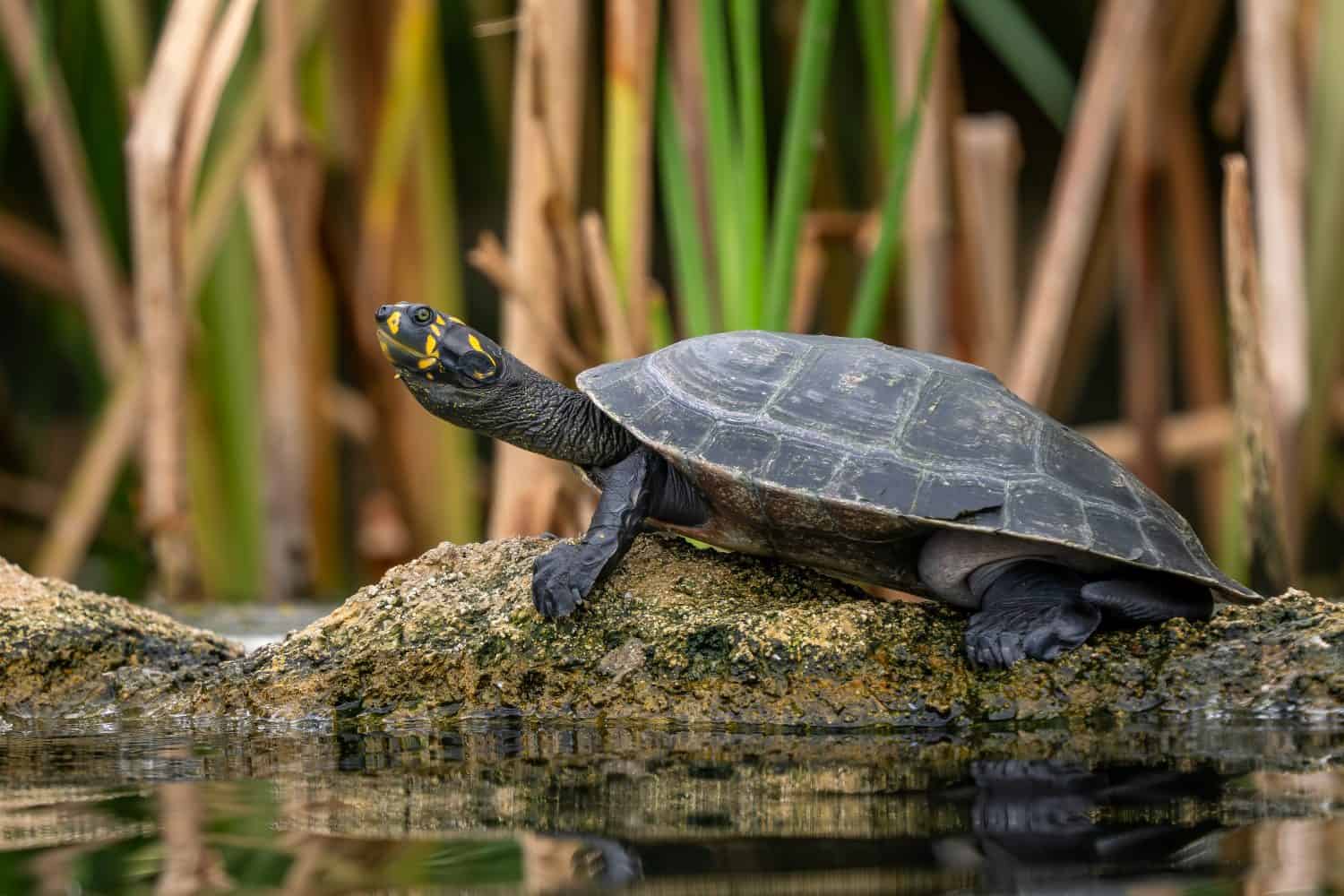
As eggs or hatchlings, river turtles are prey, but as they age, they become predators as well.
©David Havel/Shutterstock.com
It is a misnomer that keystone species are always at the top of the food chain. What makes a keystone species is that a habitat would collapse if it ceased to be a part of it. This is because no other species within the environment is capable of filling the shoes of the keystone species, given the number of roles they play to keep the habitat functioning.
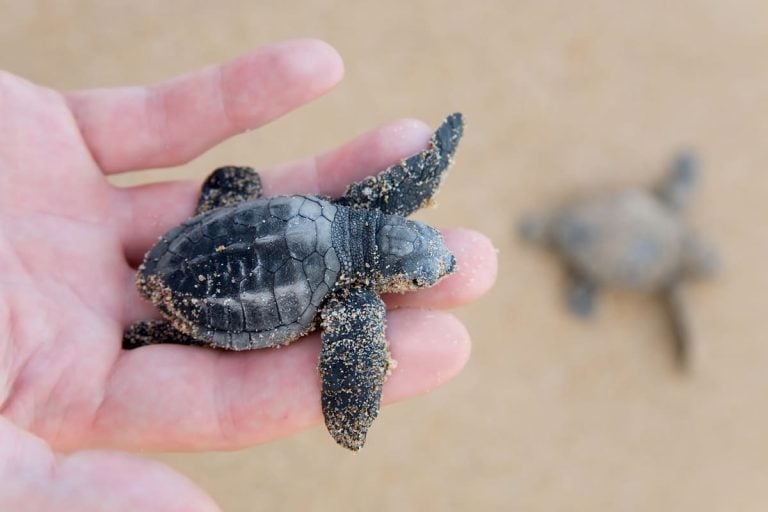
The freshwater river turtle is a keystone species that is both predator and prey. When freshwater turtles are eggs or hatchlings, they are very vulnerable, which is why fewer than 50% survive the first year. However, if these turtles can reach adulthood, they become vital in keeping populations of other species from growing out of control.
Some of the creatures that river turtles keep the population stable include:
- Small fish
- Mollusks
- Insects
However, freshwater river turtles are omnivores, not carnivores. This means they also help maintain plant life in and around the rivers they inhabit.
Mitigating Freshwater and Terrestrial Plant Growth
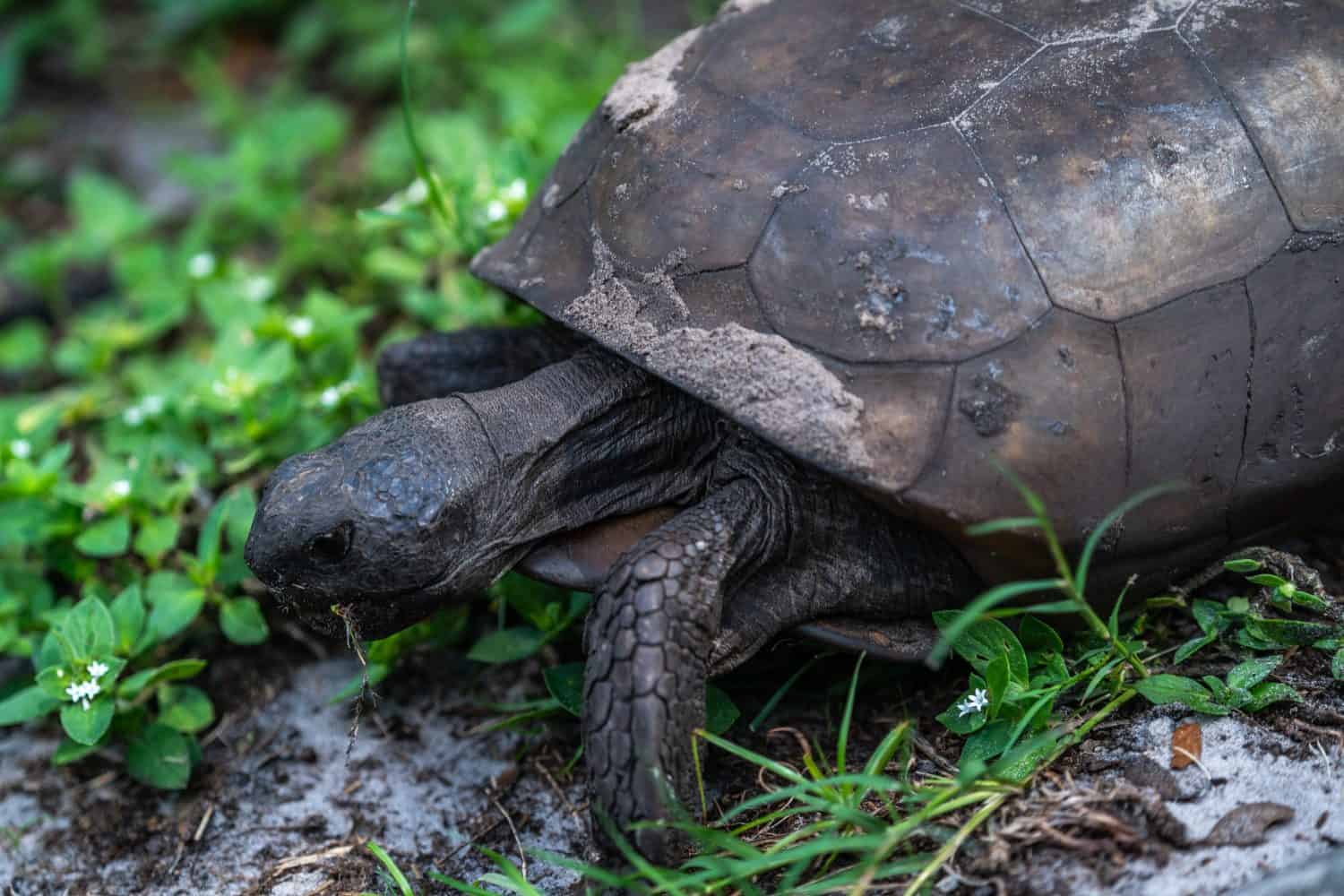
River turtles play a crucial role in controlling plants, grasses, and algae in river environments.
©Ric Schafer/Shutterstock.com
Keeping freshwater environments functioning properly means maintaining the plant life in and around the habitat. Freshwater turtles are responsible for this, which is just another important reason why they are a keystone species for river ecosystems.
It is very easy for freshwater environments to become overgrown with algae. This is also the case for rivers, specifically in areas where the water pools and flows slowly. An overgrowth can lead to oxygen depletion in the water, which kills species like fish that so many in the food chain rely on. It can also halt the growth of other river species that require more sunlight than an abundance of algae allows.
Fortunately, river turtles eat algae. They help prevent algae overgrowth issues, keeping their habitats well-oxygenated and clean for other species.
It is not only algae that can overrun an aquatic environment. Things like grasses and other plants that live both above and below the water are consumed by freshwater turtles. By keeping them clipped back, the sun can penetrate to deeper parts of the river, ensuring that all plant life that requires the sun to aid with photosynthesis gets the light necessary to continue to grow and be healthy.
An Environmental Sanitation Crew
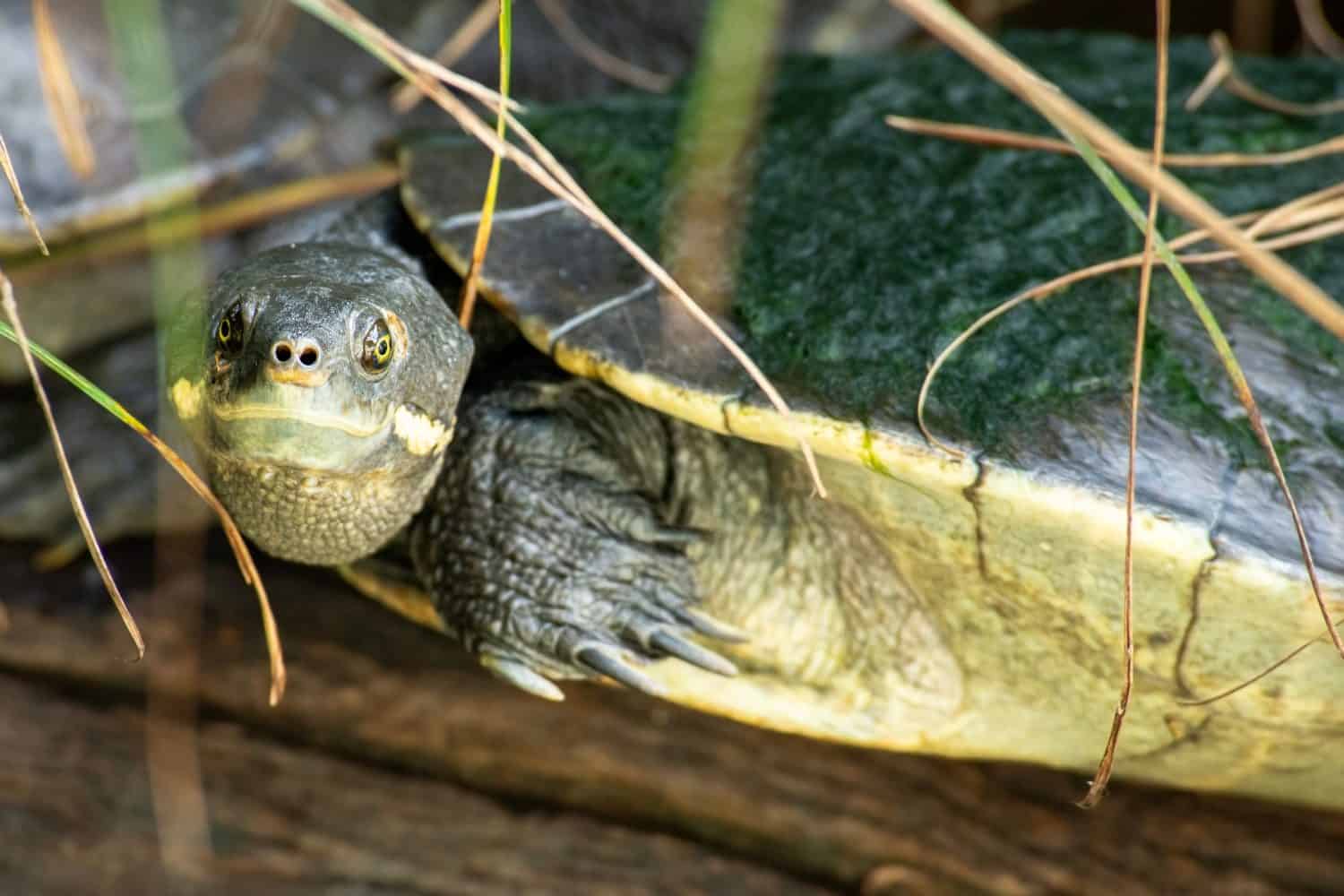
River turtles consume carrion to keep the water and the surrounding environment clean.
©Photography by Rob D/Shutterstock.com
River turtles are an interesting group. They are a keystone species in freshwater environments, not just because they are both prey and predator, but also because they help keep the habitat clean by acting as a freshwater sanitation crew.
Dead animals are common in river habitats. If these animals are allowed to sit in the freshwater for too long, the water can become contaminated. Thanks to river turtles, this does not occur. In addition to their varied omnivore diet, freshwater turtles eat carrion as well. This means that decay is kept to a minimum in river habitats, all because turtles work to keep the water and surrounding areas free of expired animals.
Plant and Fruit Seed Dispersal
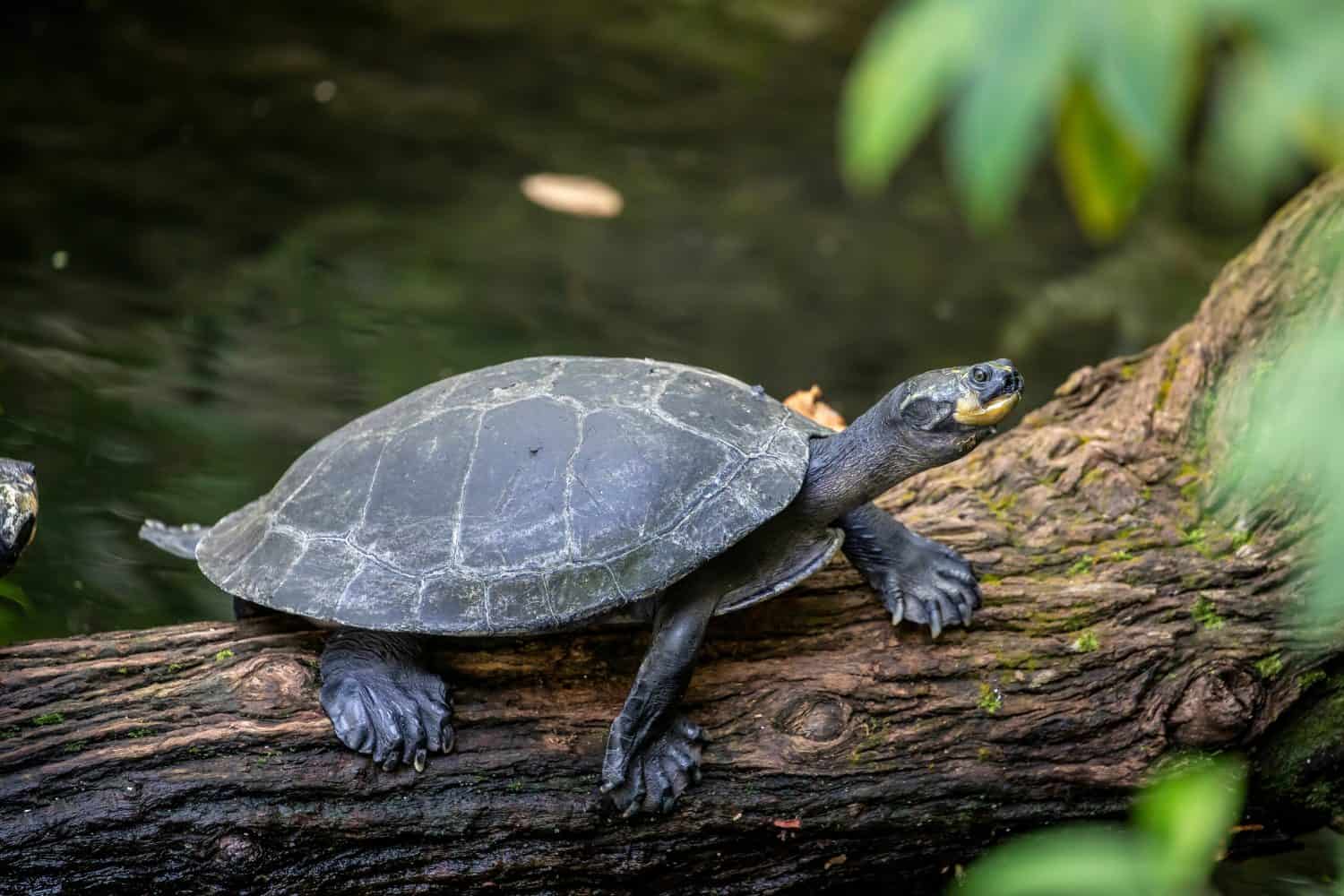
Freshwater river turtles eat plant and fruit seeds and disperse them when they relieve themselves on land.
©Danny Ye/Shutterstock.com
While freshwater river turtles spend a lot of time in the water, they do not spend all of their time in the aquatic environment. Freshwater turtles also come on land, and when wild fruits are in season, these hard-shelled animals help to disperse their seeds to multiple areas within their habitat.
When freshwater turtles consume fruits or even plants, they also consume the seeds. As they move along the land, they will stop to relieve themselves. When the feces break down over time, the seeds remain in what becomes a very fertile environment. This allows a new plant to grow, creating greater diversity within the ecosystem, which is beneficial not only for freshwater turtles but also for all other animals that live there.
Nutrient Cycling
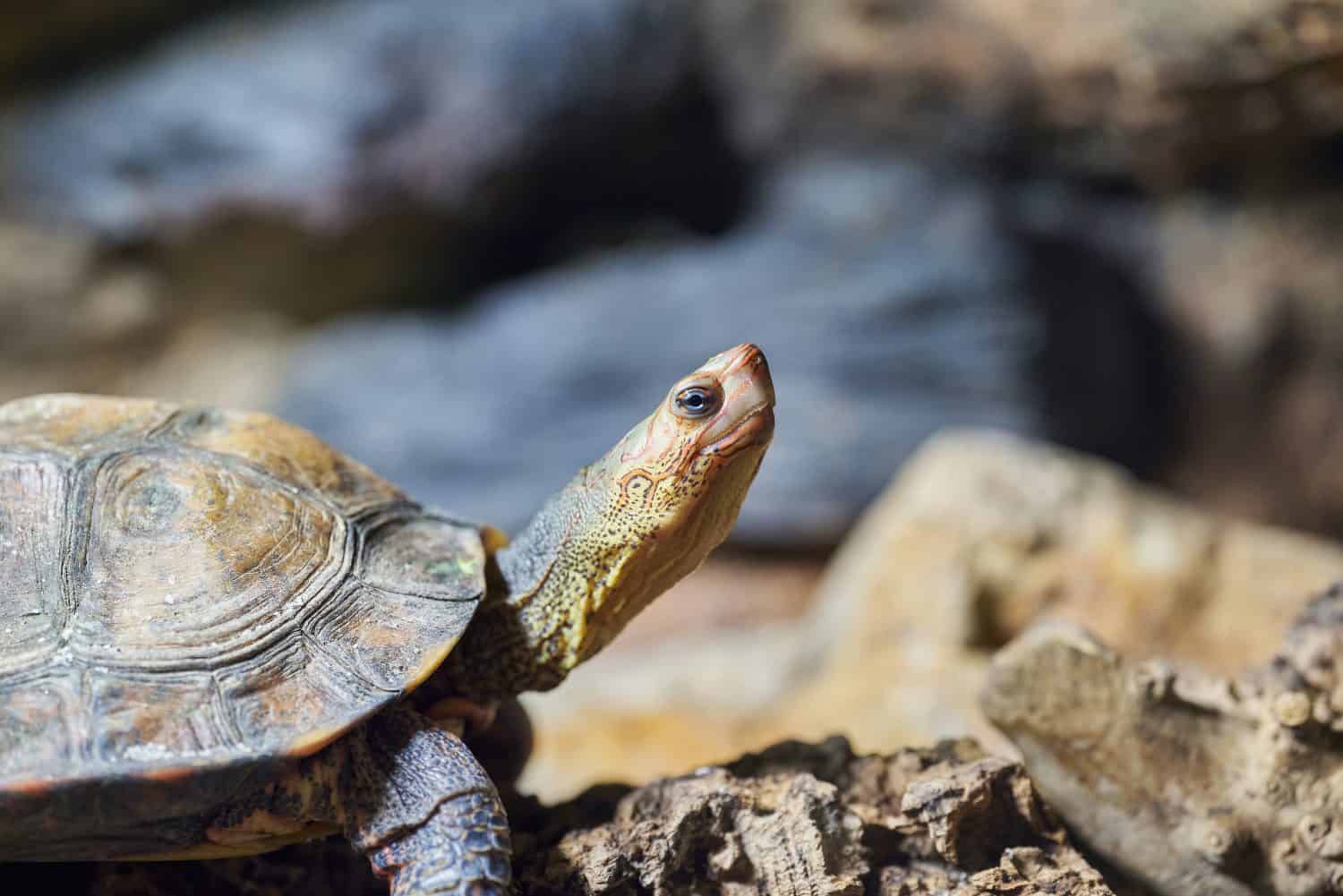
River turtles play an essential role in tilling up the soil near riverbeds and keeping it healthy.
©OvidiuGG/Shutterstock.com
As freshwater river turtles move through their habitats, they participate in nutrient cycling. While some of this is attributed to keeping the plant species trimmed and moving seeds to areas they would not reach without turtles, there is more to the nutrient cycling process than just these two things.
Simply put, freshwater turtles contribute to nutrient cycling by transferring nutrients between aquatic and terrestrial habitats as they move between water and land. By doing this, the life on land and in the water receives nutrients they may not otherwise receive without the freshwater turtles moving them.
Additionally, freshwater turtles participate in bioturbation. This is the process of mixing up the dirt or soil in a habitat, keeping it fertile and healthy. Freshwater turtles help make this happen by simply walking through the soil, relieving themselves in it, or when they build their nests. All of these actions enrich the soil, ensuring that both the creatures that live in it and the plants that grow out of it are as healthy as possible in their environment surrounding the river.
Unfortunately, with so many species of freshwater river turtles being threatened today, how long they will be capable of continuing with their role as a keystone species remains unclear.
Threats to Freshwater River Turtles
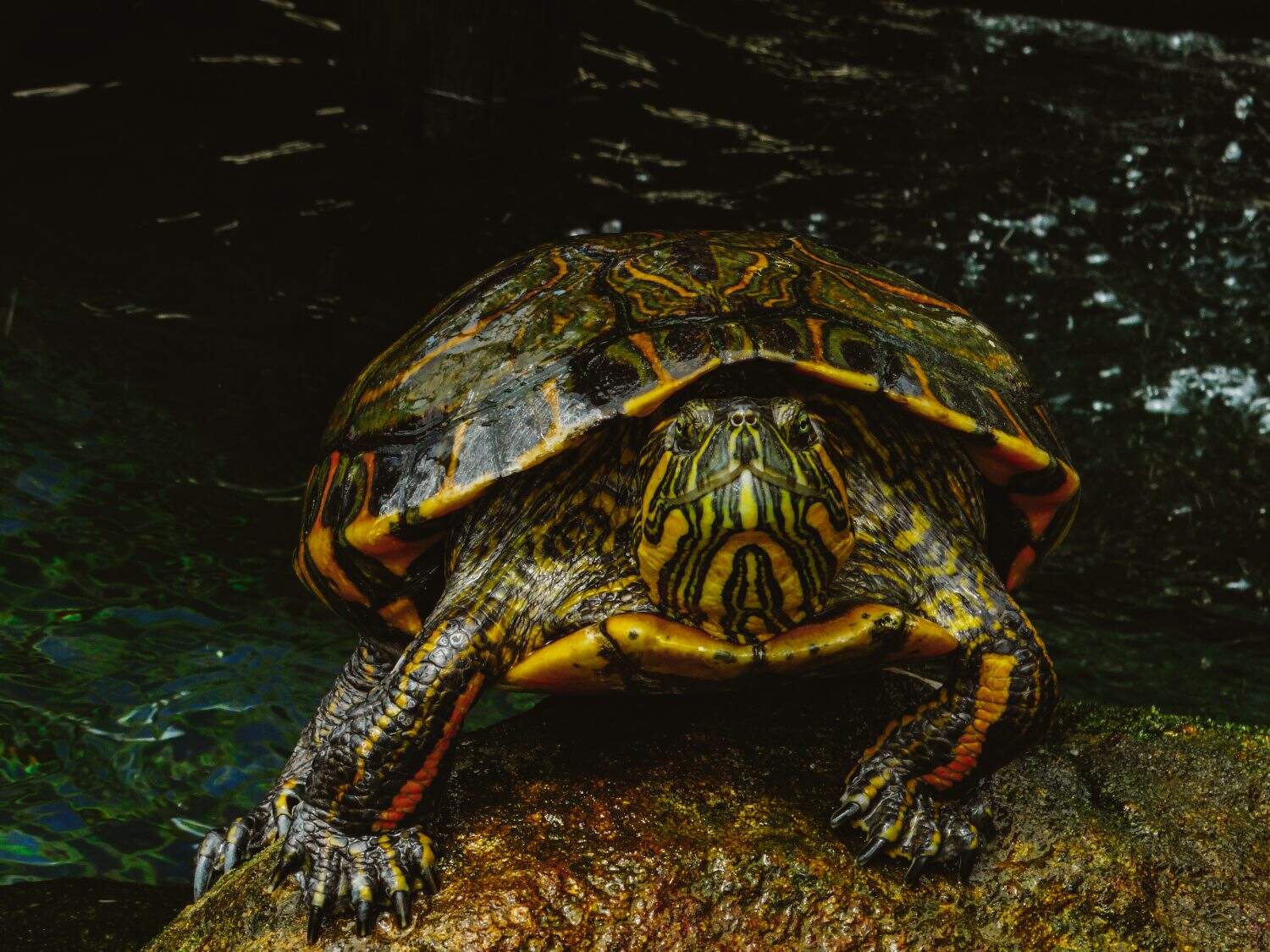
Many species of river and freshwater turtles are threatened or endangered.
©rafacoutinhos/Shutterstock.com
Turtles as a species are in trouble. The latest report, released in July 2025, shows that over half of the freshwater turtles and tortoises are threatened or endangered. If freshwater turtles went extinct, it would cause a massive shift in ecosystems that would lead to the demise of the habitat where turtles once existed.
Freshwater turtles face a number of challenges to survive. Some of the threats that freshwater turtles contend with include:
- Habitat loss for the expansion of farmland, roads, or urban growth
- Pollution from farm runoff
- Climate change causes changes in the flow of the river during drought, as well as a reduced male turtle population, given that warmer temperatures result in females being born from eggs rather than males
- Poaching is a very real problem caused by the use of turtles for medicinal purposes, as well as for rare pets
With some freshwater turtle populations on the brink, conservationists are sounding the alarm in hopes of preventing more of these ancient creatures from going extinct.
Conservation Efforts
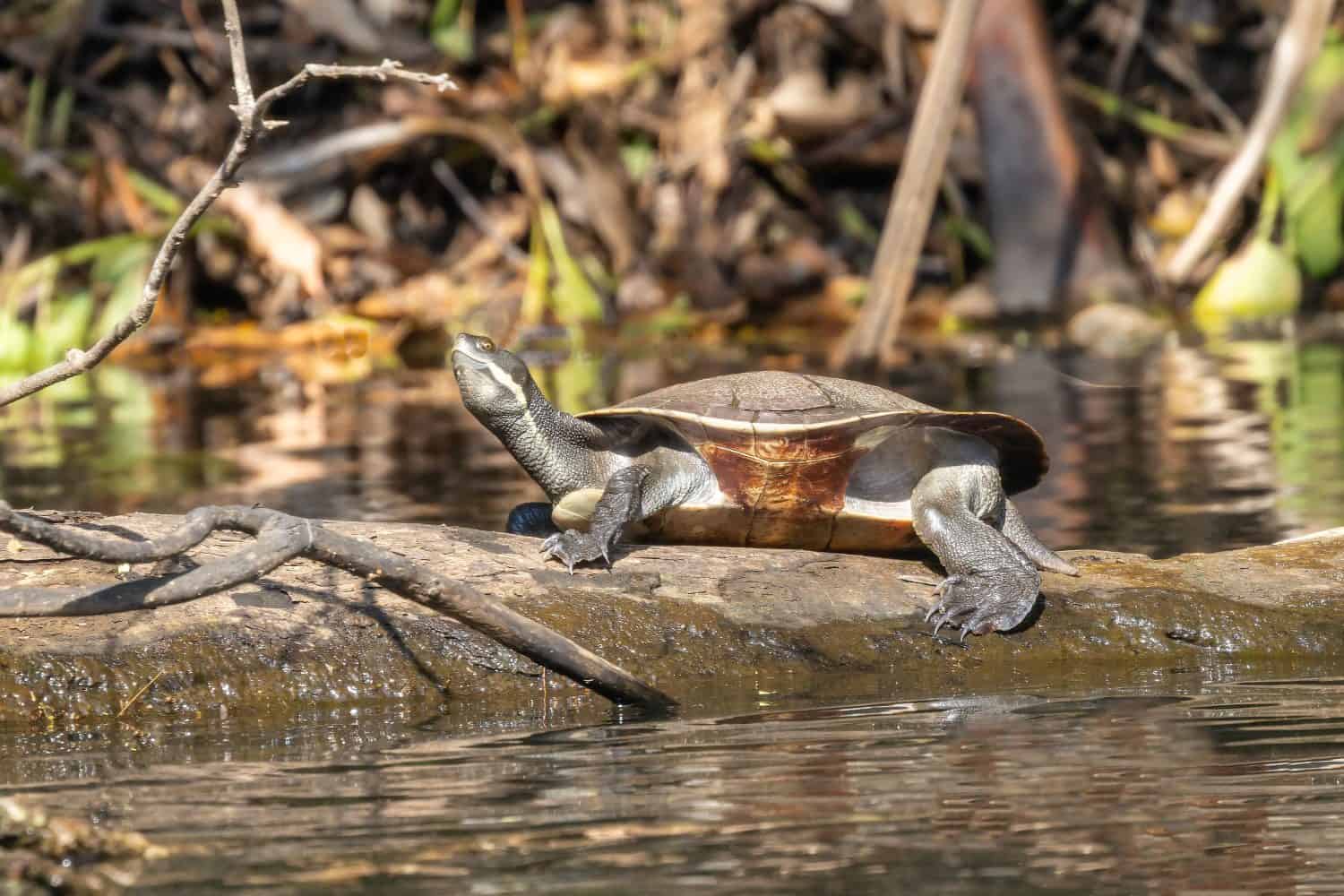
Conservation efforts around the planet are aimed at saving the lives of freshwater and river turtles.
©Ken Griffiths/Shutterstock.com
If action is not taken now, it will be too late for many species of freshwater turtles. They will be unable to survive the stressors they are being forced to live with. Because of this, conservationists around the world are working to not only identify species of turtles that are struggling but helping to help improve their habitats to give them a fighting chance to recover.
Some of the conservation efforts being made to save freshwater turtles include:
- Ensuring that key nesting sites are not only protected but monitored for signs of change
- Conserve habitats where river turtles live
- Work with farmers to educate on the cost of agricultural runoff to surrounding habitats
- Stopping the illegal turtle trade
Saving freshwater turtles is not something that will happen overnight. However, with so many species at risk of population decline or extinction, change is needed now. If action is not taken, the habitats that freshwater turtles inhabit will cease to exist without this major keystone species to help keep them healthy and functioning, as they have for generations.