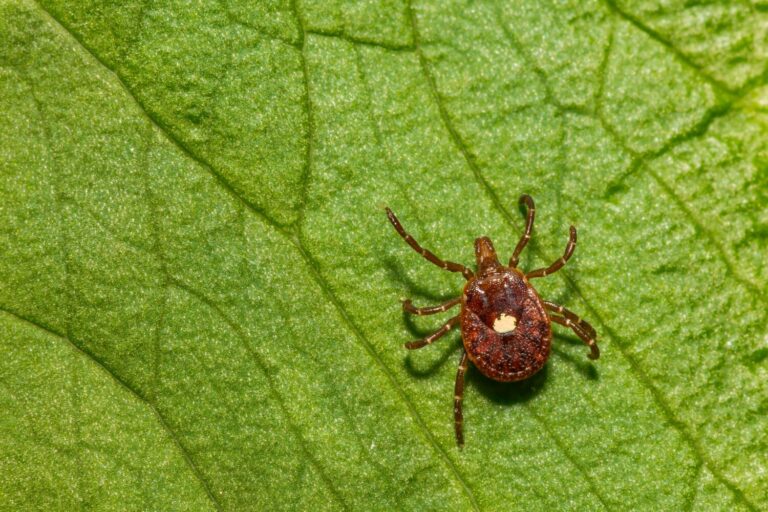
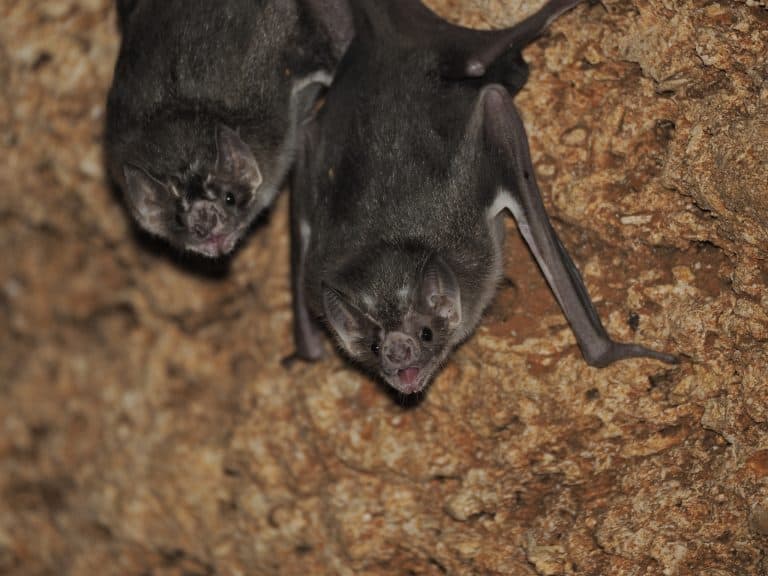
Ticks are feared because their bite can lead to Lyme disease. If Lyme disease were an easily treatable illness, there may not be such panic about being bitten. Unfortunately, horror stories abound about chronic Lyme disease conditions and how they can forever change the quality of life, leaving ticks as one of the most frightening arachnids to encounter.
To make matters worse, Lyme disease is on the rise, and tick season is now lasting longer than ever. Couple that with the infiltration of the ticks that can spread the bacteria that lead to Lyme disease in regions of states that have never dealt with Lyme disease, and it can feel like it is a losing battle trying to eradicate Lyme disease from North America and beyond.
What’s Prolonging Tick Season?
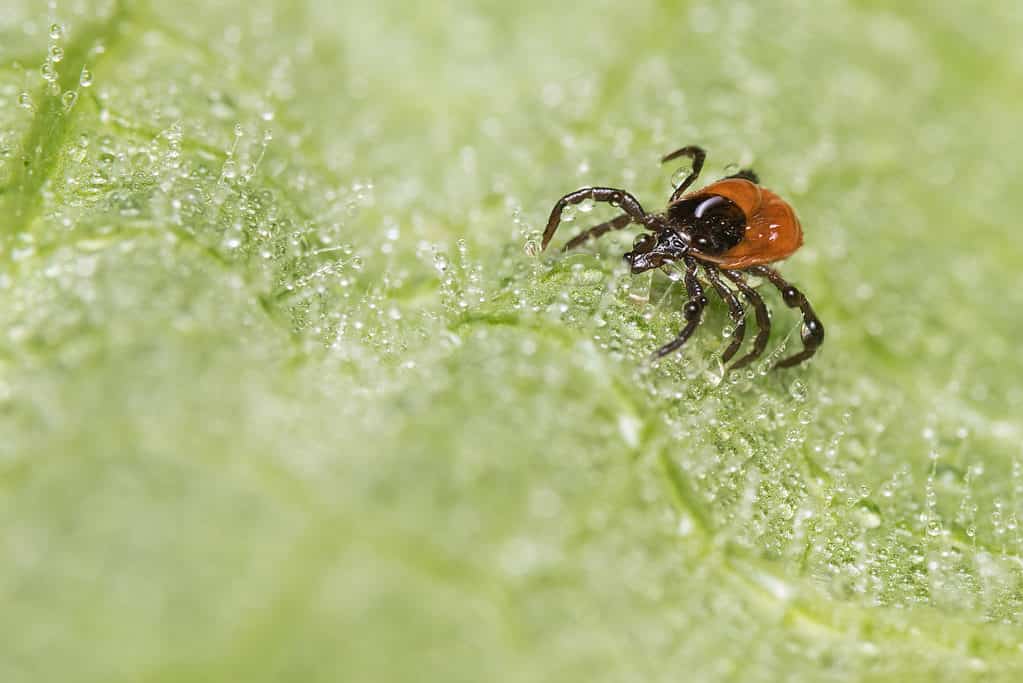
Warmer weather during what should be cooler months has more people outdoors, giving ticks more opportunity to bite.
©iStock.com/Ladislav Kubeš
Tick season has always been associated with the warmer months of the year. Consequently, when winter rolls around, it is believed that ticks go dormant. In very cold conditions, ticks can indeed go dormant. In many cases, however, ticks are active year-round. This allows them to lay more eggs, creating a larger tick population in regions around the world. It is also when temperatures are warmer that ticks are more often seen, because people tend to spend more time outdoors.
With global temperatures warming due to climate change, people are spending more time in the great outdoors than ever before. Places that are great to hike through and explore, such as forests and grasslands, with shrubbery and fallen leaves, are areas where ticks are most often found. It is here that ticks will hitchhike on the unexpected and if left undetected, will bite or burrow into the skin. Therefore, it is not the temperatures that are causing tick season to last longer. It is allowing people longer access to the outdoors and more opportunities to run into ticks in the process.
Additionally, places where large forests used to stand have become fragments instead. It is in these fragments that the white-footed mouse thrives. While this may not seem like a big deal to have an excess of white-footed mice running around in the forest, these are the mice that ticks bite that infect them with the bacteria that cause Lyme disease. Therefore, the more that forests are fragmented, the more white-footed mice are likely to be present, and the higher the risk of people contracting Lyme disease.
It used to be that even if white-footed mice were present in forests, according to the American Medical Association, there were enough predators to keep populations under control. However, the same fragmentation of forests that has led to a population boom for mice has also caused a decline in predators. Because of this, the white-footed mice have gone unregulated, and increased tick season in the process.
What Is Lyme Disease?
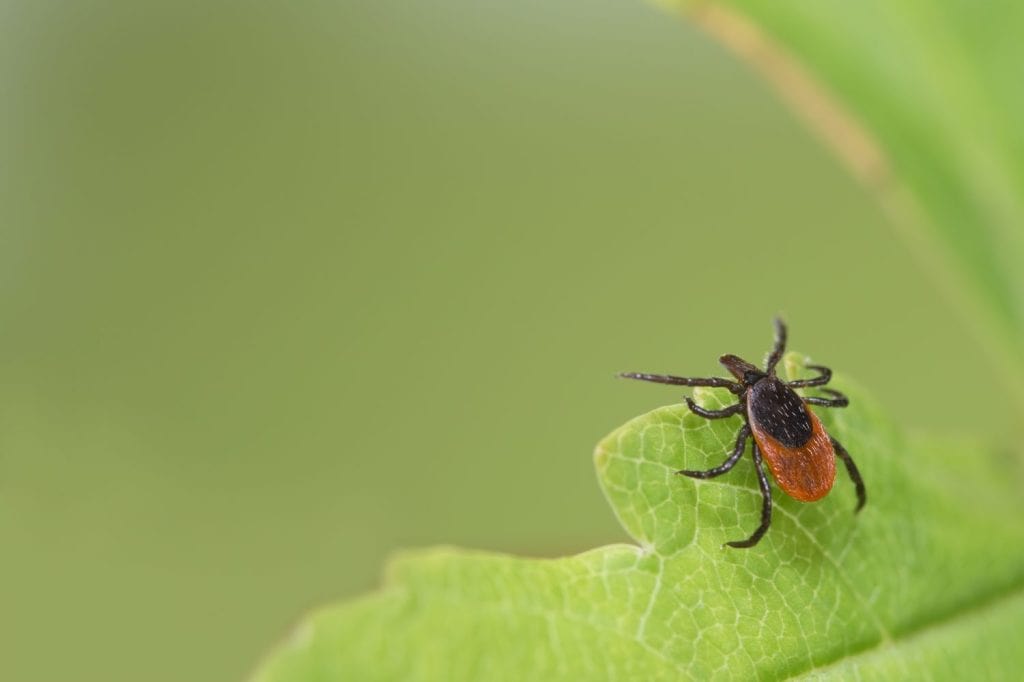
Lyme disease is caused by a bacterium that is spread by ticks to people.
©KPixMining/Shutterstock.com
Lyme disease is an illness that is caused by Borrelia bacteria. There is one way that people contract Lyme disease, and that is through being bitten by a tick.
There are over 700 species of hard ticks and 200 species of soft ticks found in the world. Fortunately, not all of these species of tick are capable of spreading Lyme disease. Instead, it is only two ticks. Those ticks are the blacklegged tick and the western blacklegged tick. When these two ticks bite, they must remain attached for at least 24 hours to infect a person with the Borrelia bacteria. If a tick bite is recognized early or one embeds itself, treatment will likely consist of antibiotics.
It is when tick bites are ignored or even the early symptoms of Lyme disease are ignored that chronic symptoms can result. This leads to debilitating issues that can be musculoskeletal, neurological, gastrointestinal, or cardiovascular in nature. Unfortunately, despite Lyme disease being discovered several decades ago in Connecticut, little has been accomplished to stop this vector-borne disease. Instead, the number of people Lyme disease infects annually continues to rise.
Lyme Disease Cases Have Doubled Over the Last Two Decades
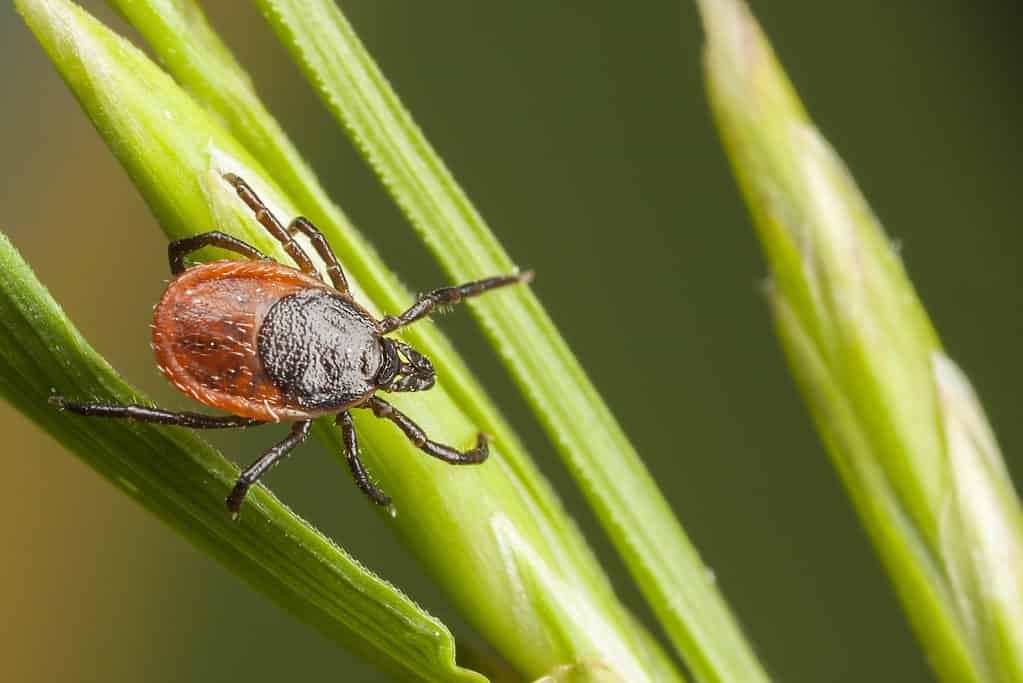
As blacklegged ticks bite more people, the number of Lyme disease cases is increasing, with 476,000 people infected each year.
©iStock.com/Risto0
The trajectory of Lyme disease is that it is continuing to spread rather than decline. From 2011 to 2021, the number of worldwide Lyme disease cases doubled. The reason for this is that there is a lack of “disease-prevention strategies” that have been developed since the disease was first given a name more than 50 years ago.
According to a 2022 study published in BMJ Global Health, 14.5% of the world’s population has had Lyme disease in their lifetimes. This makes Lyme disease the most common vector-borne disease in North America and Europe.
“[Lyme disease] has become the most common tick-borne zoonotic disease worldwide,” the study says. “There is a need for preventive measures, which necessitates understanding the dynamics of tick-borne disease transmission and the lack of effective disease-prevention strategies.”
Unfortunately, to date, no “prevention strategies” have been discovered. In fact, so little is known about the bacteria that what is considered the standard treatment for curing Lyme disease does not do so in a “significant number of patients each year.” When this happens, chronic Lyme disease symptoms develop that may never be cured. This is problematic given that Lyme disease is spreading to states where the disease was never seen before, increasing the number of people contracting Lyme disease each year.
New Lyme Disease “Hot Spots” Are Popping Up Across the Country
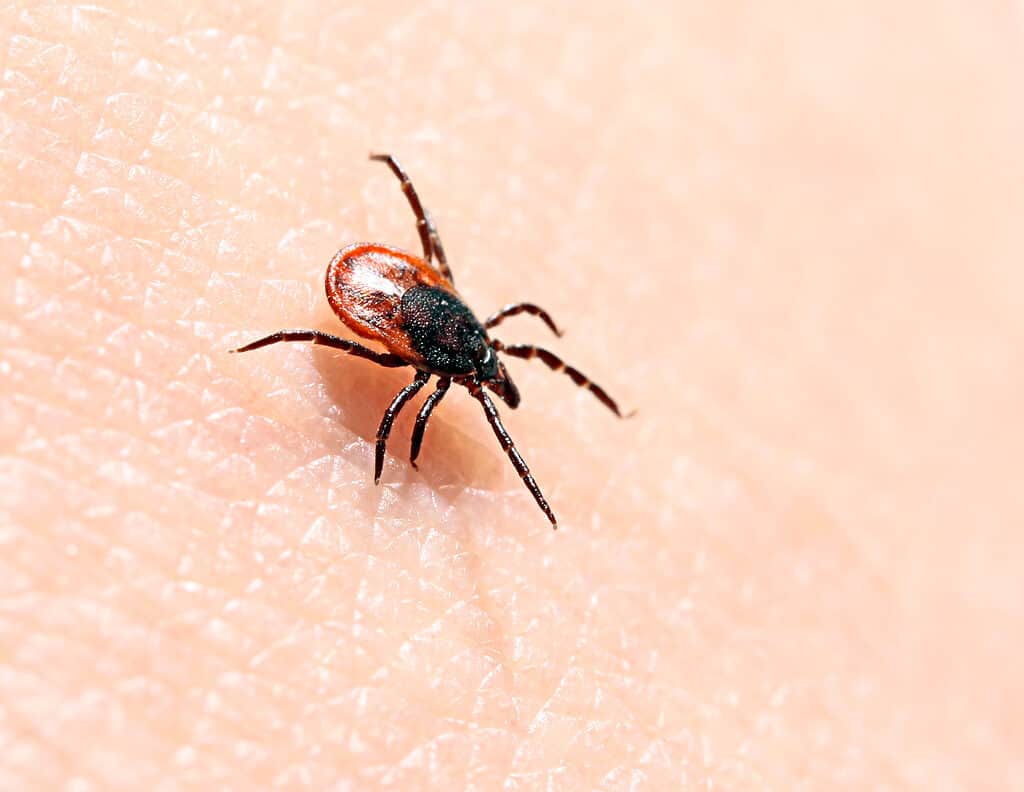
Blacklegged ticks are being spotted in regions of the United States never before seen, spreading Lyme disease in their wake.
©daksel/Shutterstock.com
Lyme disease was first discovered in Lyme, Connecticut, in the mid-1970s. After more than a decade of skin rashes and debilitating arthritic-like symptoms, a scientist by the name of Willy Burgdorfer found the connection between the symptoms, and in 1981, it was announced that ticks were the root cause of Lyme disease.
For a while, Lyme disease was an East Coast-only health issue. The ticks that carried Lyme disease were only found in places like Connecticut, New York, Maine, Maryland, and similar areas for a time. However, by the 2000s, Lyme disease had spread to every state in the nation, excluding Hawaii and Alaska.
Today, there are new Lyme disease “hot spots” popping up. The two most prevalent are North Carolina and Kentucky. These two states are added to those that are underreporting Lyme disease, such as Northern California and Oregon, as well as states that have Lyme disease spreading, including Pennsylvania, Ohio, Michigan, Illinois, and Iowa. None of these states had any substantial number of cases in the past. But thanks to the spread of the ticks that carry the disease, no state is immune to Lyme disease any longer.
Symptoms Of Lyme Disease
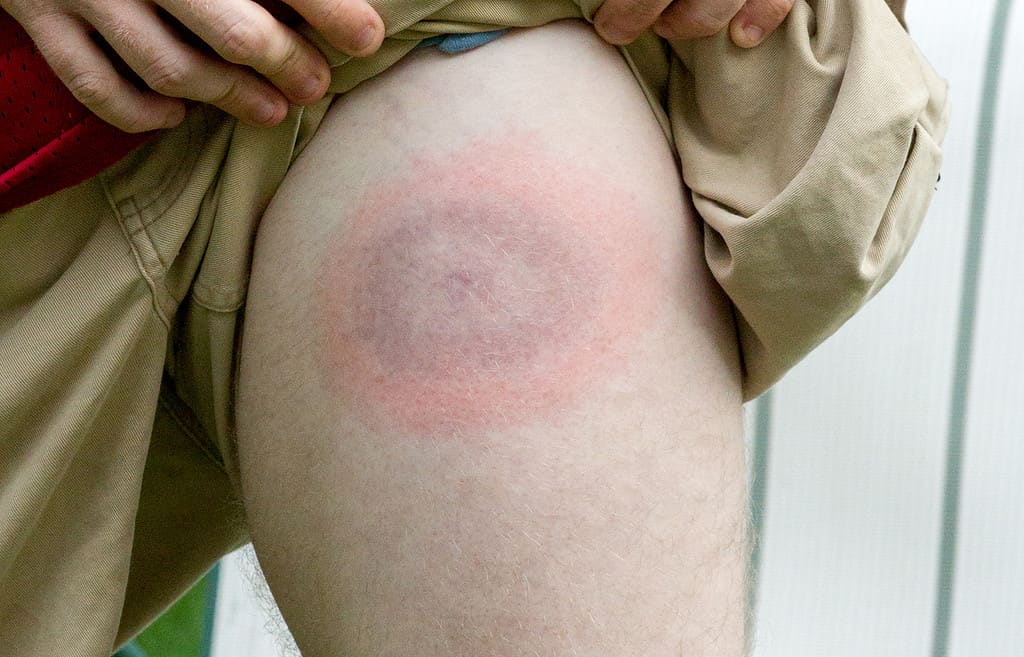
A bullseye-like mark may show up after a tick bite, indicating Lyme disease may be present.
©iStock.com/JerryCallaghan
It is important for those who believe a tick has bitten them to seek treatment immediately. Waiting for signs or symptoms of Lyme disease to present means the window of opportunity has been missed to stop Lyme disease from being transmitted in the first place. This is especially true if a tick has started to embed itself, as it takes at least 24 hours before transmission can occur.
Not all ticks are capable of transmitting Lyme disease. However, for those bitten by ticks that carry Lyme disease, specifically the blacklegged tick and the western blacklegged tick, symptoms typically appear within three days to 30 days after the tick bite.
The most common symptoms of Lyme disease include:
- Fever
- Chills
- Headache
- Fatigue
- Muscle and joint aches
- Swollen lymph nodes
- Body rash
- Facial palsy
While these are common symptoms of Lyme disease, there have been other symptoms that present that are not as well known. The lesser-known symptoms of Lyme disease include:
- Extreme fatigue
- Migraines that refuse to go away
- Brain fog
- Forgetfulness
- Irregular heartbeat
- Chest discomfort
If you experience any of these symptoms after spending time outdoors, you may have been bitten by a tick and should seek medical attention.
Preventing Lyme Disease

Hiking with long pants and long sleeves, in conjunction with spraying tick repellent, is a great way to prevent getting bitten and getting Lyme disease.
©encierro/Shutterstock.com
Protecting against Lyme disease does not mean people have to say goodbye to all outdoor activities. Instead, people have to plan ahead so that a day of adventure does not turn into a potential lifetime of a debilitating illness.
The best ways to protect against contracting Lyme disease include:
- Wear protective clothing
- Treat skin with DEET or a tick repellent
- Avoid going off-trail and stick to paved trails instead
- Check clothes and body for ticks after spending time outdoors
- Immediately put clothes into the wash and wash on a temperature greater than 130°F to kill ticks
- If a tick is discovered, remove it properly by using fine-tipped tweezers and pulling upward in a steady motion
By following these recommendations, the chances of getting bitten by a tick and subsequently getting Lyme disease are significantly decreased. With 476,000 new cases of Lyme disease each year, the bacteria causing it are no closer to being eradicated from states across the nation than it was at the beginning of the 2000s. That is why it is so important to do everything possible to keep from being bitten by a tick, so that those who spend time outdoors do not become another Lyme disease statistic.