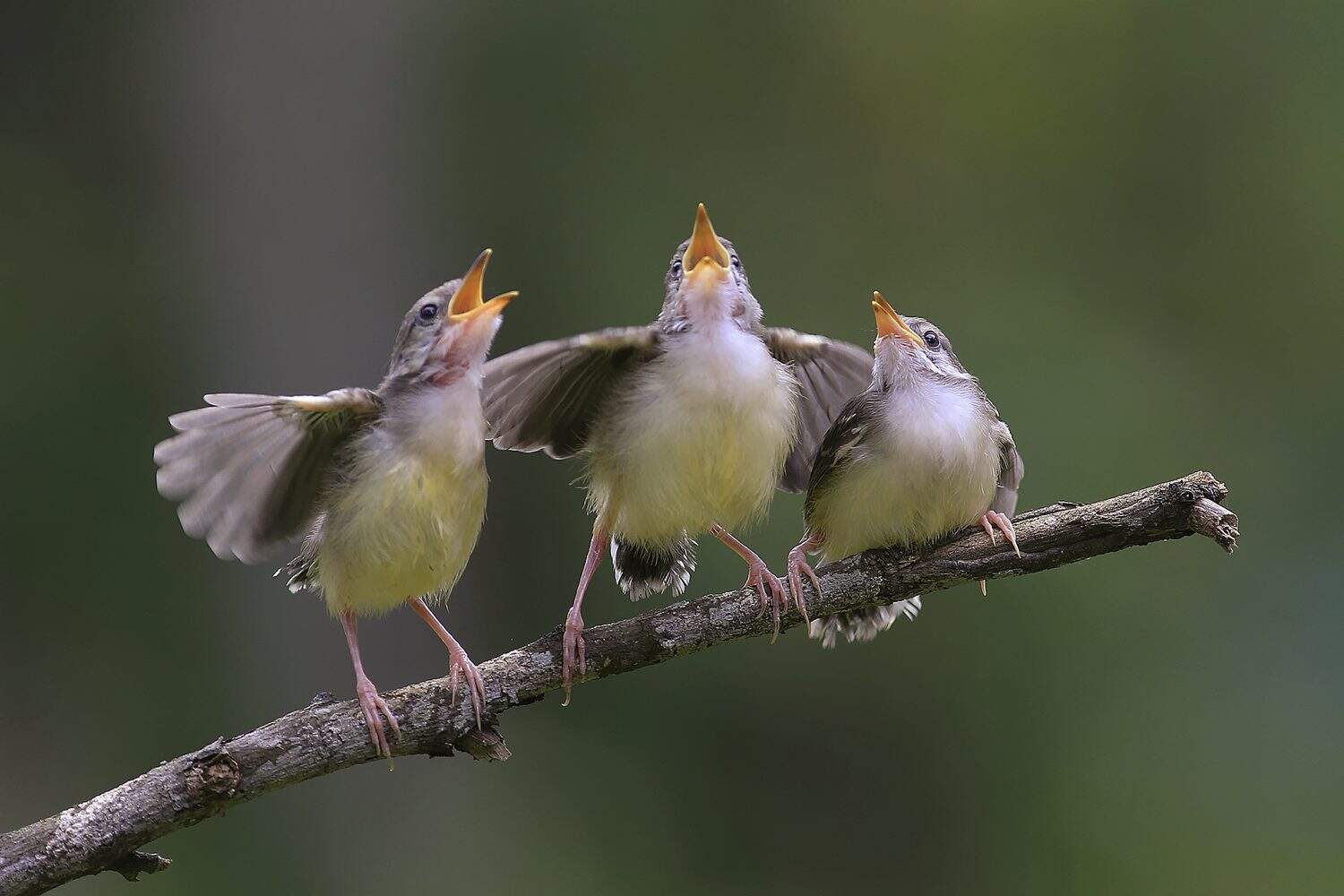

Stand in a habitat filled with birds, and there will be a variety of cries and songs filling the air. While each species has its own language, there are times when species communicate with one another. Some may have even heard this global warning cry. But what is fascinating about it is that birds that have never come in contact with one another speak the same language when it comes to danger. Crying out when danger is present was something that was thought to be an innate response. Now, however, the belief is that the cry is both an innate response and a learned one.
“Innate and Learned” Cries
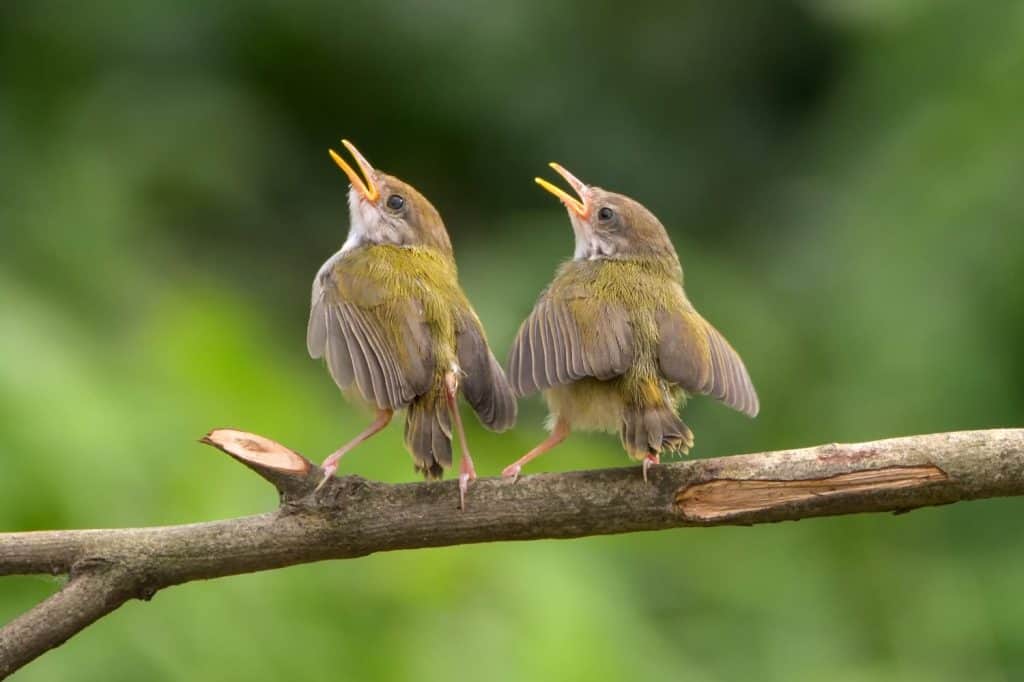
Whining cries produced by birds have been found to be an innate part of their language as well as a learned one.
©DSlight_photography/Shutterstock.com
It is no news to learn that birds produce warning cries. Each bird has its own language and uses vocalizations to let others within the habitat know about food, the weather, and even danger. But in an evolutionary twist, multiple species have developed an identical cry to communicate, with many not even living on the same continent as the other.
According to a new study published in Nature Ecology & Evolution, birds can use vocalizations that are both “innate and learned.” This was discovered after scientists watched how 21 different species of birds spread across three continents and “separated by 53 million years of evolution” responded when there were brood parasites in the environment.
Within habitats where there are large communities of brood parasites and hosts, the host birds will let out a “whining” cry when a brood parasite is near. When the cry is let out, birds of other species respond equally as they would when their own species alerts them to the parasitic birds. Birds take to the skies and begin an investigation as to where the brood parasite may be.
According to James Kennerley, co-lead author of the study, by following the lead of others in the species and using clues from the environment, birds who may never have heard the cry before quickly learn what the vocalization means.
“It’s then, when birds are absorbing the clues around them,” Kennedy explains to Earth.com, that the bird learns when to produce the sound in the future.”
By learning what the cry means, younger birds are then able to vocalize when a brood parasite is near. What this shows is that young birds are not only able to recognize a cry that means danger, but also learn what that danger is by being taught by older birds.
According to William Feeney, co-lead author on the study and an evolutionary ecologist at Donana Biological Station, the realization that birds possess the ability to use language that is both innate and learned shines a light on how human vocalization may have evolved over time.
“For the first time, we’ve documented a vocalization that has both learned and innate components, potentially showing how learned signals may have evolved from innate calls in a way first suggested by Charles Darwin,” Feeney tells Earth.com. “It’s like seeing how evolution can enable species to give learned meanings to sounds.”
“This is important,” as the authors tell Conversation, “because it appears to represent a midpoint between the types of vocalizations that are common in animal communication systems and human language.”
Therefore, it may very well be that Darwin was correct that humans did not simply evolve to have language. Instead, language evolved from innate cries that eventually became learned language.
What Are Brood Parasites?
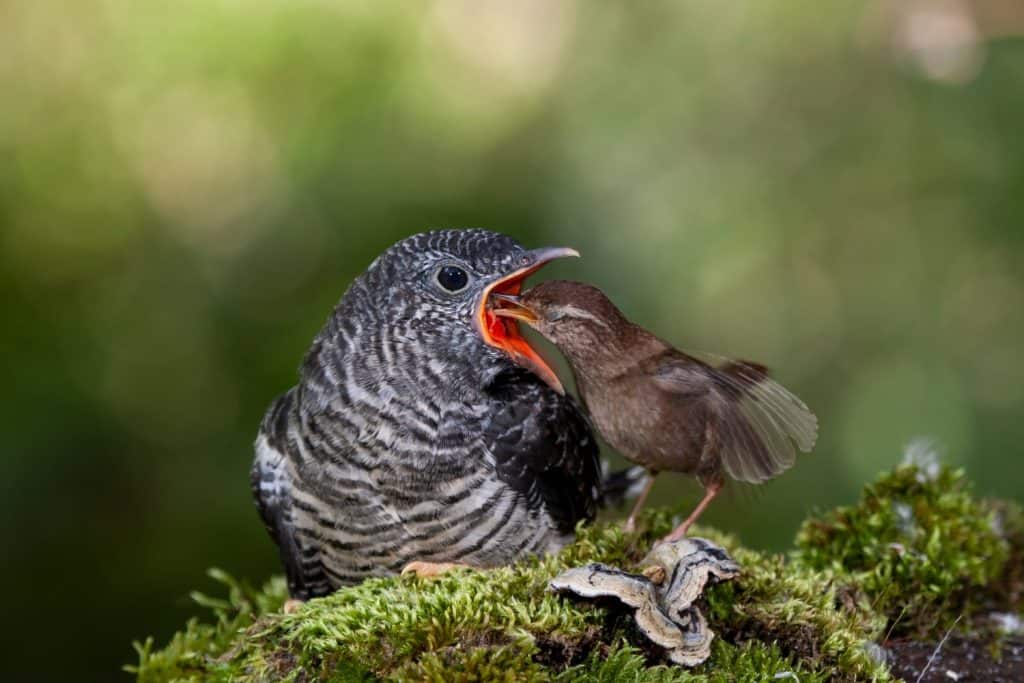
Brood parasites will lay eggs with the host’s eggs, leaving the host bird to raise not only their young, but young from another species as well.
©John Navajo/Shutterstock.com
Not all animals that lay eggs will stay to hatch and raise them. In some instances, as the hatchlings emerge from their eggs, they are on their own when it comes to survival. But for brood parasites, the eggs of the parasitic animal are laid in the nest of a similar or even completely different species. When the eggs hatch, it is not their parents who care for them, but the species to which the nest belongs.
In the case of birds, brood parasites, such as the cuckoo, will lay their eggs in other species of birds’ nests. The cuckoos tend to hatch earlier than the eggs of the birds whose nest they are in. By the time the other eggs hatch, the cuckoo is much larger than the other hatchlings. Consequently, the parasitic cuckoo can take all the nutrition from the host’s hatchlings or even force them from the nest.
While this does make for a diverse habitat, it can also cause species of birds to become endangered. Because of this, it is essential for the whining calls that the host birds make to be understood by other birds so that parasitic birds have fewer opportunities to lay eggs in nests that do not belong to them.
Birds Who Make “Whining” Calls Live In Areas With Multiple Brood Parasites
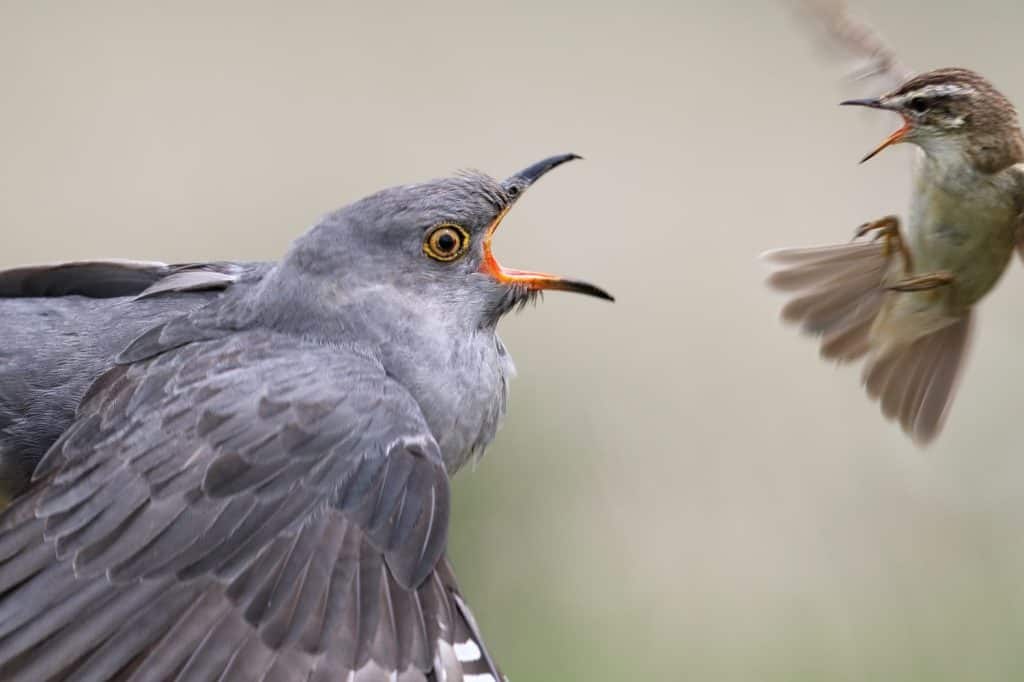
Cuckoos, like this one being attacked by a warbler, are brood parasites.
©Mark Caunt/Shutterstock.com
The birds that make whining calls are not found in all habitats. But the habitats they are found in all have one thing in common. That commonality is that the birds making the whining sounds live in communities where brood parasites are present.
Whining calls are very specific warning calls. Birds have learned over the years to warn others in their habitats of the presence of brood parasites. This is not only beneficial to the bird that spotted the parasitic bird but also to other species the brood parasite targets. Therefore, it makes sense in a community of birds that have multiple brood parasites to warn one another so that the overall survival rates of host birds increase.
If there was no warning cry within an environment where several brood parasites lived, the parasitic birds could easily take over multiple nests without the host species being any wiser. This would lead to the demise of host bird species, all because there was no form of defense against birds working to increase their populations at the expense of other bird species.
Birds Evolved to Give Meaning to Sounds
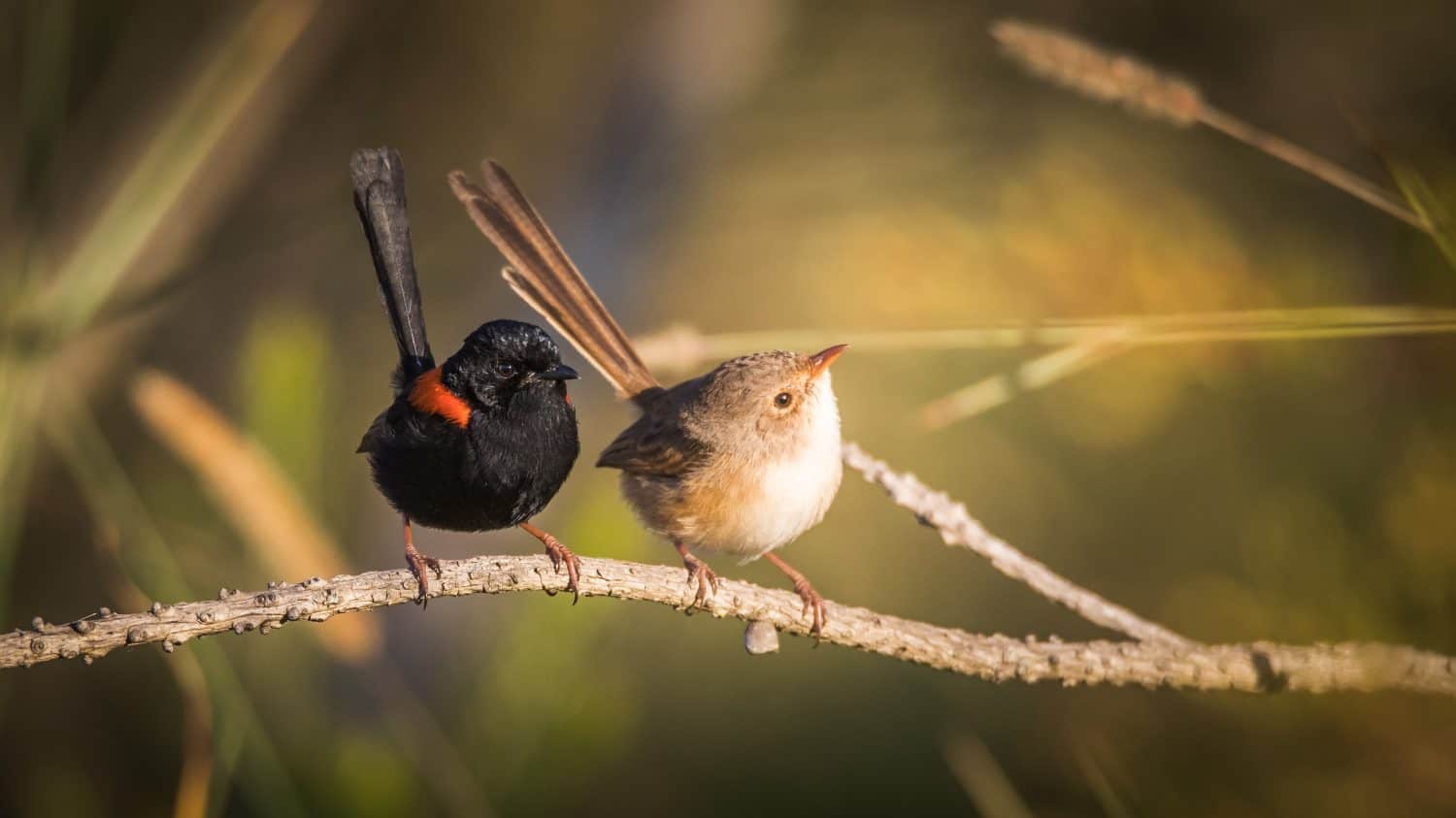
Birds not only chatter, but they also have assigned different meanings to the sounds they make.
©Pete Evans/Shutterstock.com
Since birds were first on the planet, it is believed they have communicated via sound. However, despite it being theorized by Charles Darwin that birds could give meaning to sounds and learn what those sounds mean, this theory was dismissed. Instead, it was believed that birds only mimicked sound. But over the years, it was determined that birds do have a capacity for language. This study proves they have also evolved to give meanings to those sounds.
In the context of this study, birds have evolved to use the whining call when there is a brood parasite within the habitat. By watching other birds respond to the call, those who may never have heard it follow others to investigate. By piecing together the clues during the investigation, birds deduce that the call means a brood parasite (in many cases, a cuckoo) is near. They learn what the whining call means and how to react when the call is made.
This is not the only call that birds have learned over time. In fact, there are several alone that are danger calls. The difference is that the whining call is applicable to multiple species within a habitat; some danger call sounds may be species-specific.
Other Sounds Birds Use to Communicate
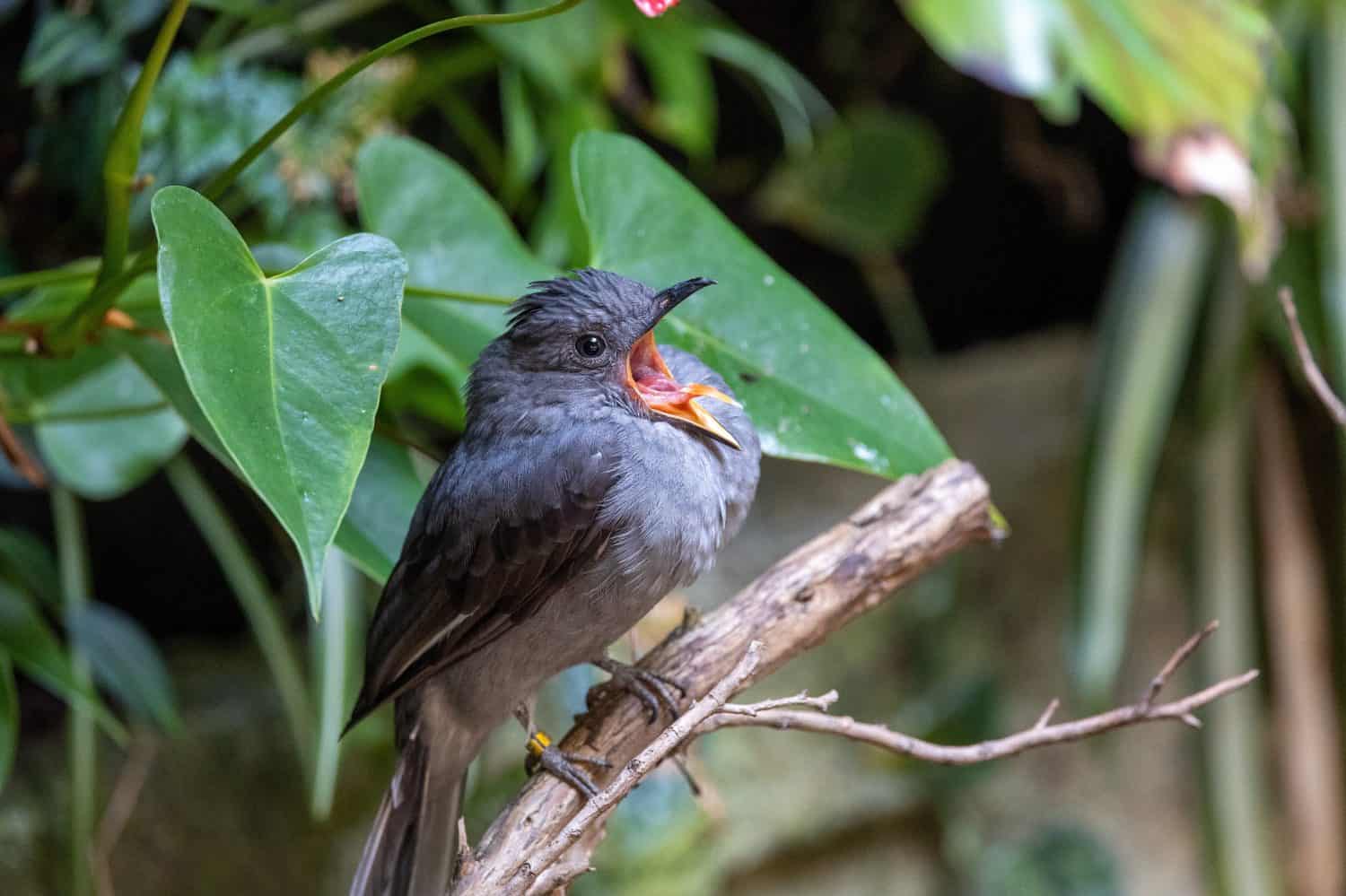
Multiple species have their own danger calls, some of which sound familiar to one another.
©Jim_Brown_Photography/Shutterstock.com
With 21 different species of birds identified as making the whining calls in the study, it should be noted that these types of calls are not the only ones that have been identified by scientists over the years. There are other calls that birds make that signal danger. Whether these are innate or learned calls, however, is not clear.
Common types of danger calls birds make include:
| Type Of Danger Call | What The Danger Call Sounds Like |
| Alarm call | Short and loud |
| Sentry call | Loud and urgent |
| Flocking call | Quick, short, and quiet |
| Mobbing call | Loud screams |
| Distress call | Loud, intense screams |
| Weather call | Agitated calls or twittering |
In addition to these calls, there are also food calls, duetting, and mimicry calls that birds use to communicate with one another.
Bird communication has evolved over the years to become quite sophisticated. As birds have adapted to their habitats, they have not only developed but also learned what danger calls mean, even if they have never come into contact with the species capable of harming them. This shows that birds can continue to learn and evolve their communication skills, as initially suggested by Charles Darwin well over a century ago. What this means for birds as the world changes is that their communication will continue to become more advanced. This may allow species that are targeted by brood parasites to thwart the parasitic birds from laying eggs in their nests, to the point where parasitic bird success will no longer be the rule but the exception.