
Quick Take
- Researchers expected bird diversity to drop the moment development began, but what actually happened during the early years of construction challenged a core assumption. See how diversity shifted →
- Scientists sorted Seattle's birds into three groups, and one of those groups responded to dense urban development in a way nobody predicted. Explore the three groups →
- Thirty years of data suggest the real threat to bird populations isn't development itself, but something developers rarely think about during the planning stage. See what actually threatens birds →
- Seattle's bird counts have quietly fallen over 20% since the 1990s, a trend that makes the timing of this research uniquely urgent. View the decline data →
The Seattle metropolitan area may not be the most populous in the United States, but it has experienced incredible growth. Between 2010 and 2020, Seattle’s growth rate was 21.1%, making it one of the fastest-growing large cities in the country. In turn, wide swaths of undeveloped wilderness were transformed into housing developments and urban infrastructure. Such rapid conversions can have a profound effect on the wildlife that call these regions home.
Anticipating further growth, researchers at the University of Washington started studying birds in the Puget Sound lowlands almost thirty years ago. They had a specific goal: to track how land conversion was affecting the movement and activity of birds in the region. It turns out land development affected the native bird species significantly, especially more sensitive species that preferred to avoid human contact. Let’s explore this research, which has been in the making for several decades, and the researchers’ surprising insights regarding the notion that all development is bad for habitats.
Study Parameters
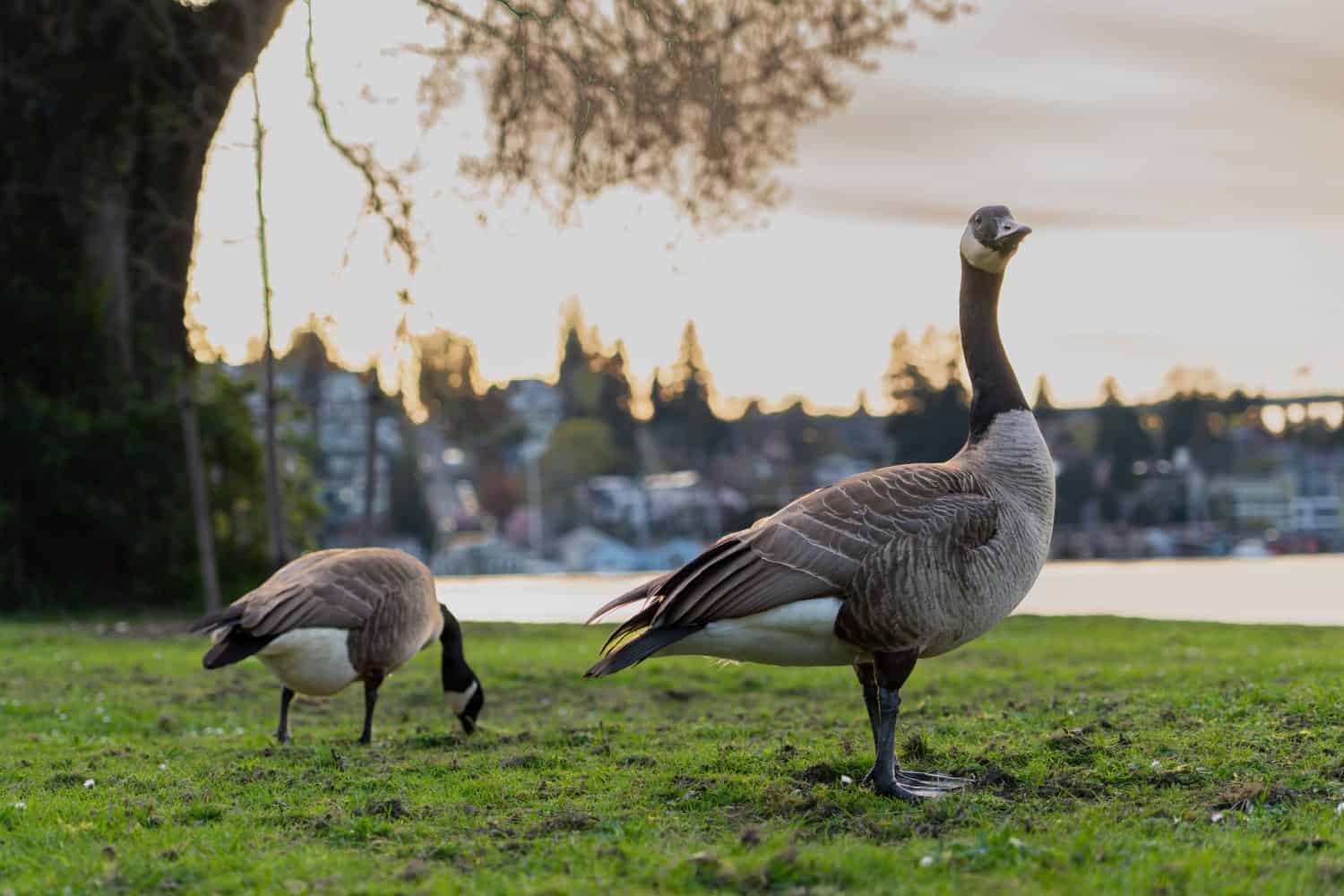
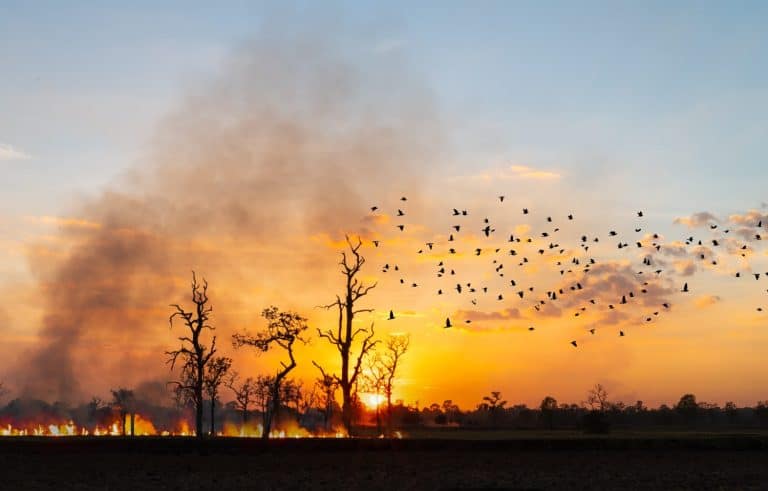
Bird activity increased when land was cleared in Seattle, but typically declined once construction began.
©HimCP/Shutterstock.com
All research studies require explicit classifications. When researchers from the University of Washington began this ambitious project, they organized birds living in the Puget Sound lowlands into three groups: avoiders (such as chickadees, wrens, and woodpeckers), which preferred to live away from human activity and noise; adapters (like sparrows and robins), which learned to live with increasing changes; and exploiters (such as crows, pigeons, and hummingbirds), which were best equipped to handle human activity because they benefited from bird feeders and foraging for scraps.
Several times a year, often during the spring and summer breeding season, researchers would visit lowland sites and birdwatch. To ensure a wide scope, they used both visual and acoustic signals to conduct a sort of bird census.
The first several years of observation coincided with changing land use habits, but not much construction. This increased species diversity at all the study sites. In time, however, increased disturbances prompted the decline of many native species. This effect became undeniable as housing density increased. With more construction, the presence of avoider and adapter species decreased. Avoiders, true to their name, showed a consistently negative response. Adapter species, however, showed mixed results, as some declined while others persisted. Exploiters, however, were present in both human-focused developments and those that preserved native vegetation—contrary to the researchers’ expectations.
Findings and Implications
The study, published in the journal Scientific Reports, showed just how important conservation-focused land development is for Puget Sound bird species. Surprisingly, it also showed that some species thrived in both undeveloped areas and high-density developments.
Certain species, as expected, steeply declined in high-density developments. Most bird species classified as avoiders showed negative reactions to human density. Neighborhoods that emphasized the preservation of native trees and open natural space retained higher proportions of avoider and adapter species.
The most surprising finding of the study, however, had to do with exploiter species. Crows and pigeons, perhaps long accustomed to heavy human activity, did equally well in both high-density developments and those that emphasized native vegetation. This was likely because exploiter species survive well on scattered resources. They could thrive in natural environments but also exploited food from bird feeders, gardens, and food waste.
Transformative Conditions
As the study’s lead author, Jack DeLap, explained to Phys.org, diversity of habitat drives diversity of bird species.. He said, “The greatest species diversity was right in the middle years of development, likely due to an increase in habitat heterogeneity. Our Pacific Northwest forests aren’t terribly diverse as forests go, but when you start to mix that up by clearing trees, it opens the canopy to another suite of species.”
The study was published at an opportune time, as the declining diversity and abundance of bird species in Seattle are drawing attention. In May 2026, Birds Connect Seattle published a report illustrating declines in bird species across the city and its metropolitan area. According to the report, “average bird counts are down 21% since the 1990s, and species richness has dropped 18%.”
Mindful Development
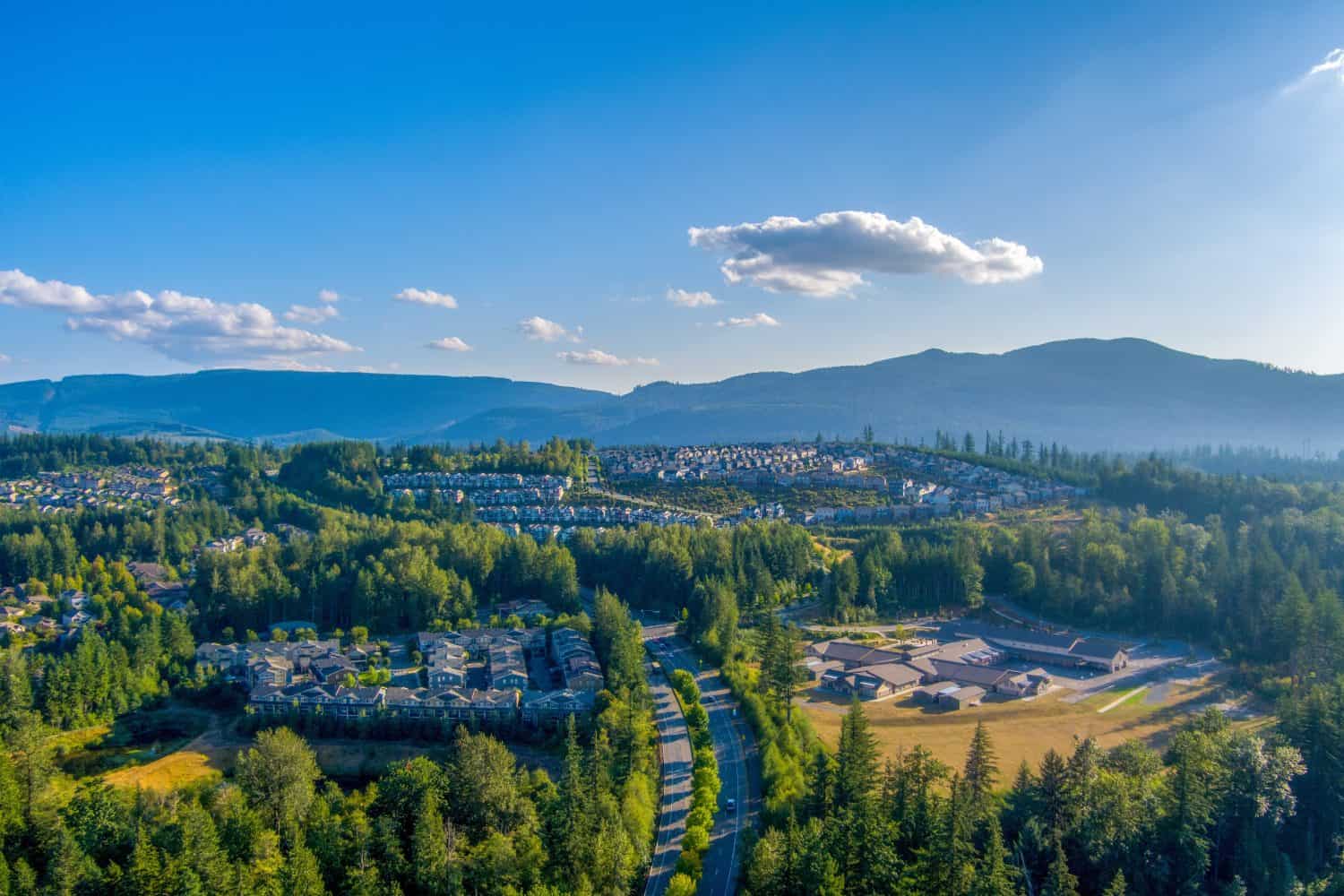
Washington’s Snoqualmie Valley is the latest area around Seattle to see forest bought for human development.
©Cavan-Images/Shutterstock.com
Timber may be profitable, but its revenue is much less than that generated by home development. Last week, over seven square miles of forest in the Snoqualmie Valley were put up for auction, with bids due August 5. Given Seattle’s ongoing growth, this land will likely be developed for new homes.
Yet the study’s findings suggest that the viability of bird species depends on habitat quality. Exploiter species can thrive, and adapter species can adjust. However, taking sensitive avoider species into account during development could improve overall ecosystem health. The study shows that not all bird species respond to landscape changes in the same way.
As senior author John Marzluff explained to Phys.org, “This work shows that birds care how land is developed, which gives developers a choice during the planning process. There are trade-offs between developments designed for humans and those designed with the ecosystem in mind, but balancing the two can benefit both.”