
Quick Take
- Dogs detect acute human stress via scent changes in sweat and breath with about 93.75% accuracy in a controlled study.
- Stress-related scents can influence how dogs feel and behave, leading to more pessimistic decisions.
- Calm reassurance and predictable routines help buffer stress scent exposure for both dog and owner.
Dogs can reliably smell when people experience acute stress. They do this by detecting subtle chemical changes in human sweat and breath. Those stress-related scents can also influence how dogs feel and behave. For pet owners, this means a dog that seems clingy, restless, or withdrawn may respond to the smell of an owner’s stress rather than reacting only to body language or tone of voice.
This ability explains why dogs often act differently around stressed people, sometimes before stress becomes outwardly visible. Researchers over the past several years have shown that dogs can detect short-term emotional changes through scent alone. These results provide scientific backing for long-held observations from pet owners, trainers, and handlers who report that dogs sense emotional shifts early and respond in noticeable ways.
The Study Behind the Viral Claim
A widely shared 2022 study from Queen’s University Belfast tested whether dogs could distinguish a person’s baseline scent from scent collected after a stressful mental task. Researchers designed a controlled odor discrimination test that isolated smell from all other cues. The results showed that trained dogs detected acute human stress via scent changes in sweat and breath with a combined accuracy of 93.75% in a 2022 controlled study, with individual dog performance ranging from 90% to 96.88%.
The researchers focused on short-term psychological stress rather than chronic anxiety or long-term emotional states. This distinction matters because it shows that dogs can detect rapid chemical shifts rather than relying on familiar personal odors.
The research team published the study in the journal PLOS ONE. The project involved 36 human participants and four pet dogs that included purebred and mixed-breed animals. The researchers designed the experiment to ensure that smell alone drove the dogs’ decisions, which strengthened the reliability of the findings.
How Researchers Designed the Belfast Experiment
Researchers carefully controlled the testing conditions to isolate stress-related scent changes. All participants were non-smokers and avoided eating or drinking shortly before sample collection. These steps helped limit outside factors that could alter breath or sweat chemistry.
Each participant provided breath and sweat samples before and after completing a fast-paced arithmetic task designed to induce psychological stress. The task required focused mental effort under time pressure, which reliably triggered short-term stress responses.
To confirm that the task caused stress, researchers recorded self-reported stress levels, heart rate, and blood pressure. They included only sample pairs in which all three indicators increased. Trainers taught the dogs to perform odor discrimination using positive reinforcement. During testing, the dogs selected the stress sample from several options that included the same person’s baseline scent. The dogs never saw or heard the participants during the process.
Accuracy and Reliability of Dog Detection
Despite minor differences in percentages reported by different summaries, the overall message remains consistent. Dogs performed at a high level throughout the study. Their success did not depend on familiarity with individual participants.
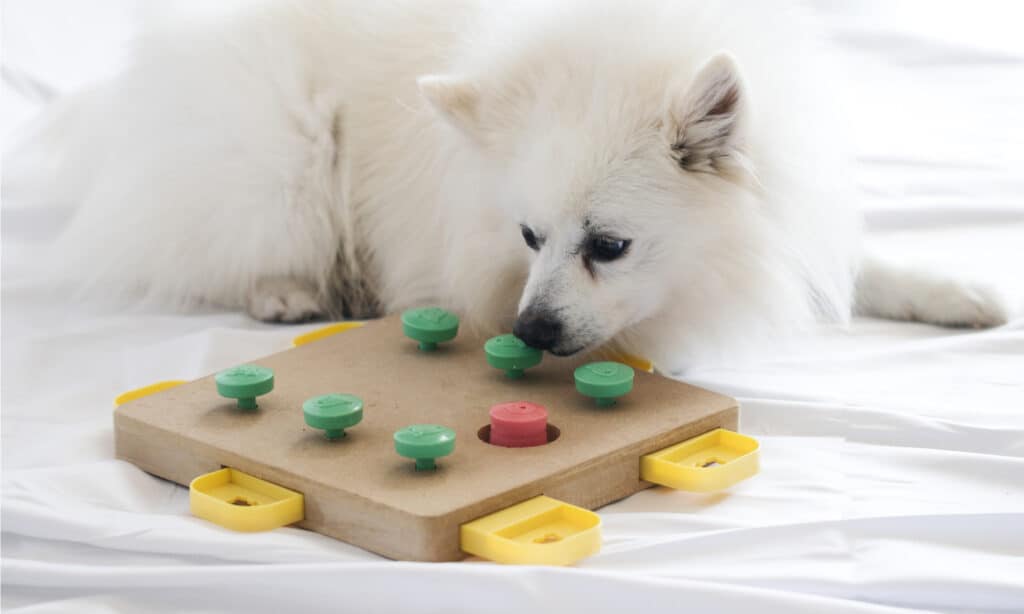
Testing has consistently expanded our knowledge of the capabilities of a dog’s sense of smell.
©Lenti Hill/Shutterstock.com
Researchers collected stressed and relaxed samples only minutes apart from the same person. This design controlled for natural differences in personal odor and focused on chemical changes caused by stress itself. The results show that acute psychological stress produces a distinct odor profile that trained dogs can detect with strong reliability.
What Changes in Human Scent During Stress
When people experience acute stress, the sympathetic nervous system and the HPA axis activate. These systems regulate hormone release and prepare the body for rapid response. As hormone levels shift, the body produces changes in sweat and breath chemistry.
These changes alter the mix of volatile organic compounds, often called VOCs, released through the skin and respiratory system. The altered VOC profile creates a chemical signal associated with stress rather than calm states. Humans cannot consciously detect these subtle changes, but dogs can.
Dogs possess an advanced olfactory system with hundreds of millions of scent receptors. Their brains devote significant processing capacity to smell. This biological equipment allows dogs to detect small changes in VOC profiles that humans miss entirely. In the Belfast study, dogs relied only on these scent cues to identify stress.
Evidence That Stress Odors Affect Dogs Emotionally
More recent research suggests that stress scents do more than convey information. They can also influence how dogs feel and make decisions. A 2024 study from the University of Bristol examined this effect using a judgment-bias test commonly used to assess emotional state in animals.

Over thousands of years of selective breeding, dogs have become virtually a symbiotic species with humans, able to detect and adjust to subtle changes in tone, body language, and emotional states.
©MVolodymyr/Shutterstock.com
Researchers exposed dogs to odors that humans produced during stressed and relaxed conditions. After exposure, the dogs completed tasks that researchers designed to measure whether the dogs made optimistic or pessimistic choices when faced with uncertainty.
A 2024 University of Bristol study using a judgment-bias test found that dogs that smelled human stress odors showed a higher tendency toward pessimistic decisions, while those exposed to relaxed odors made more optimistic choices. These patterns suggest that stress scents can shift a dog’s emotional state rather than merely inform the dog about a human’s condition.
Emotional Contagion Through Smell
The Bristol study shows that chemical cues can transmit emotional states between humans and dogs. In this context, emotional contagion means that one individual’s emotional state influences another’s through sensory signals. For dogs, scent plays a central role in this process.
Importantly, the dogs in the study did not rely on changes in voice, posture, or facial expression. Smell alone influenced their decision-making patterns. This result reinforces the idea that dogs process emotional information through scent in ways humans often overlook.
Chemical signals may carry emotional weight for dogs. Repeated exposure to stress-related scents could shape how dogs interpret their environment over time. While scientists continue research in this area, current evidence shows that smell can transmit emotional information directly from humans to dogs.
Behavior Changes Owners Often Notice
These findings help explain behaviors that dog owners commonly notice during stressful periods. When a person experiences acute stress, their dog may detect the altered scent profile and respond accordingly. The response may reflect concern, vigilance, or stress within the dog itself.
Owners frequently describe increased proximity seeking, such as dogs following them closely or lying nearby. Other reported behaviors include restlessness, pacing, or heightened alertness when no obvious external trigger appears.
Some dogs show hesitation or reduced confidence during training or problem-solving tasks after their owner experiences stress. This pattern aligns with the judgment-bias findings from recent research. This behavior is not a sign of misbehavior; rather, it reflects the dog’s emotional response to stress-related chemical cues.
What These Findings Mean for Dogs
From a scientific standpoint, the research confirms that dogs use chemical information from humans to track short-term emotional states. This ability supports long-standing observations from pet owners and assistance dog handlers who report early responses to anxiety spikes or panic episodes.
The findings also raise questions about long-term exposure to human stress odors. Chronic exposure could contribute to ongoing anxiety or negative expectations in dogs. While researchers continue to study this possibility, the concern remains relevant for working dogs and household pets alike.
When trainers understand how stress odors influence emotional state, they can design better schedules and recovery periods. Protecting emotional well-being supports performance, health, and long-term resilience.
What These Findings Mean for Humans
For people who live with dogs, the research highlights how closely dogs monitor internal human states. Dogs do not rely only on visible cues like voice or movement. They also track subtle chemical shifts that may occur before people consciously recognize stress. This ability explains why dogs often seem to anticipate emotional needs. It also explains why dogs excel in roles such as anxiety-alert or PTSD support animals. They respond to signals that humans cannot detect on their own.
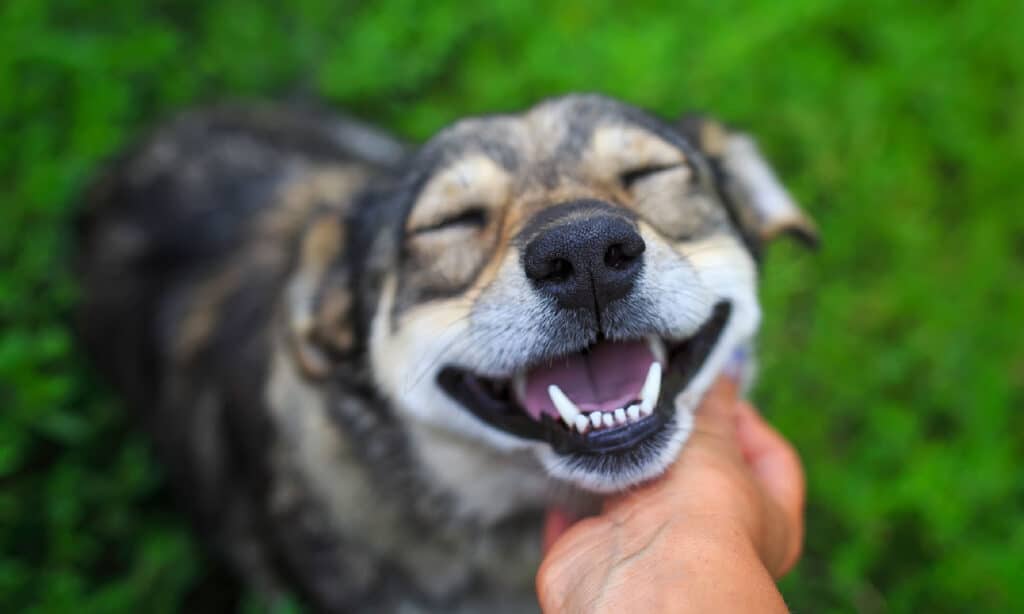
Knowing that your stress affects your dog might help provide motivation to practice healthy stress-relieving activities.
©iStock.com/Nataba
At the same time, the research suggests that human stress can affect dogs in meaningful ways. Supporting personal mental health, therefore, contributes to responsible dog ownership. Caring for emotional well-being helps the dog as well as the person.
Practical Implications for Daily Life
Understanding how dogs respond to stress scents can shift how owners interpret behavior. A dog that acts clingy or unsettled during difficult days may respond to chemical cues rather than seeking attention. When owners recognize this, they can prevent unnecessary correction or frustration.
Calm reassurance and predictable routines can help buffer the impact of stress-related scent exposure. Regular walks, gentle play, and short training sessions offer structure and emotional stability. These activities support dogs while also helping owners regulate stress.
For people living with chronic stress, anxiety, or trauma, professional support can help both humans and dogs. Mental health providers can address stress sources, while qualified behavior professionals can assess whether a dog shows signs of emotional strain that need attention.

Dogs can help relieve our stress if we let them.
©Evrymmnt/iStock via Getty Images
Looking Ahead in Research
Researchers continue to study how long the emotional effects of stress scent last in dogs. Future work may examine whether different types of stress, such as fear or anger, produce distinct chemical profiles. Scientists also aim to understand how breed, training history, and relationship quality influence sensitivity to stress odors. These factors may shape how strongly individual dogs respond to human emotional cues.
Current evidence leads researchers to a clear conclusion. Dogs can smell acute human stress with high accuracy, and those scents can influence how dogs feel and behave. Recognizing this connection encourages people to respond with empathy and thoughtful care when dogs react to stress in unfamiliar ways.