
Quick Take
- Swatting at a wasp does not scare it off. Instead, it triggers something that makes your situation dramatically worse. Why swatting backfires →
- One common outdoor habit is responsible for a surprising number of stings to the mouth and throat, something most people do without a second thought. Habits that invite stings →
- Removing a bee stinger the way most people instinctively do actually pumps more venom into your skin. Proper stinger removal →
- Late-summer wasps aren't just more numerous. There's a biological reason they're also more desperate, and it changes how you should act around them. The biology behind aggression →
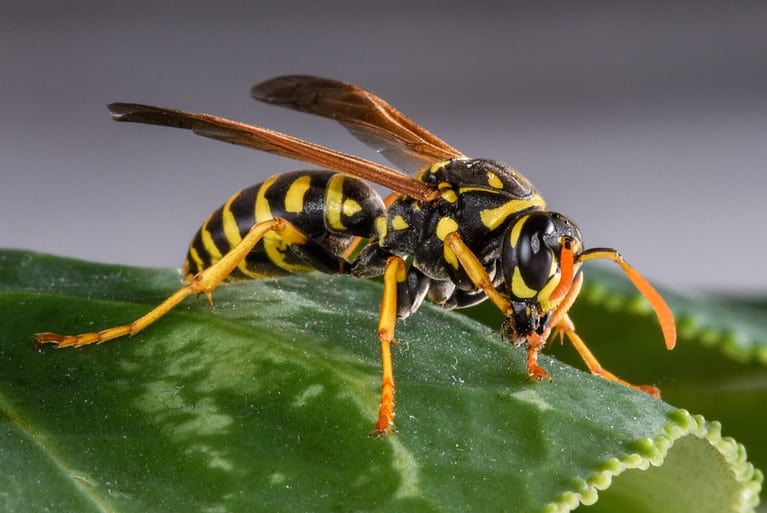
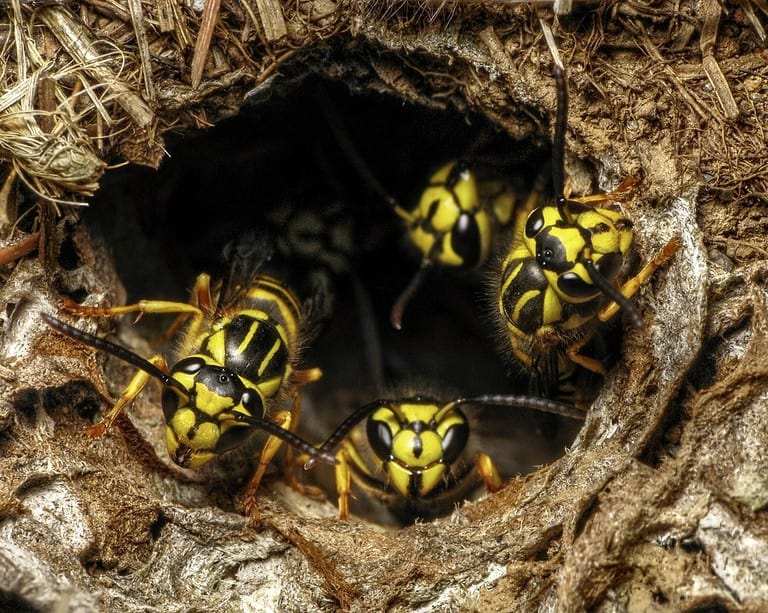
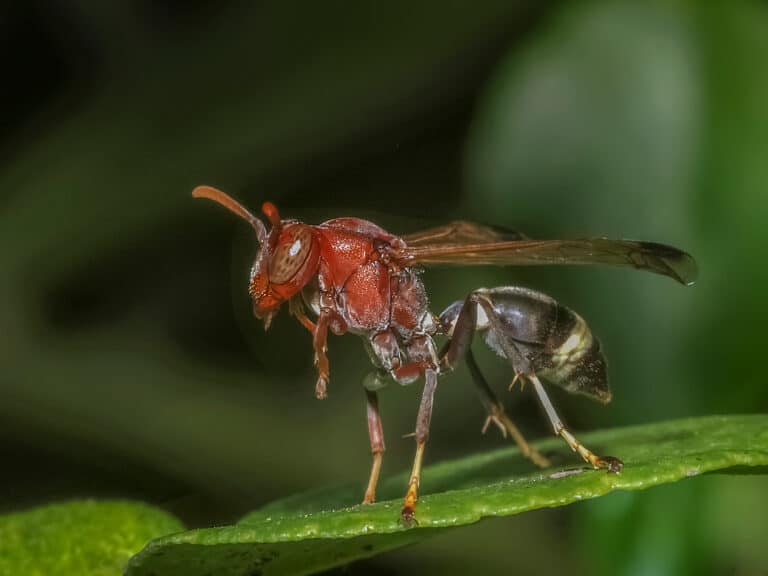
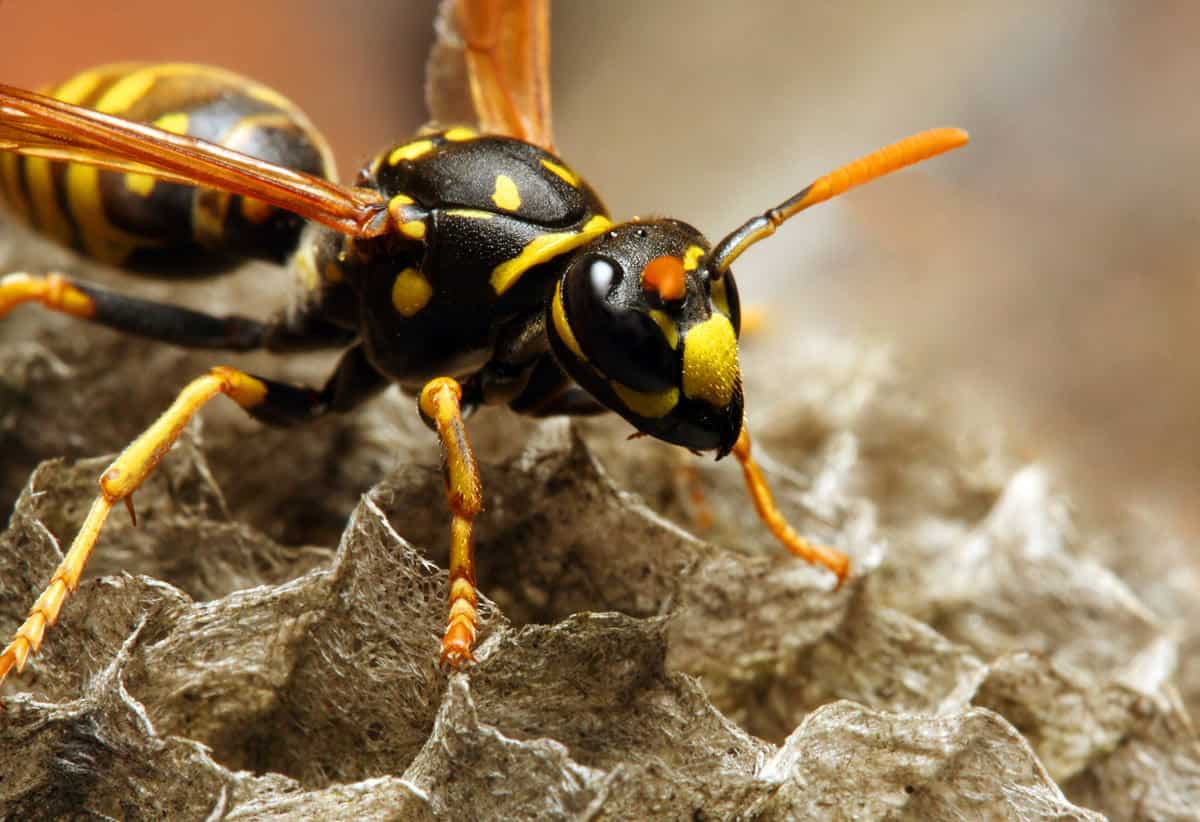
As summer winds down in the Pacific Northwest, the region’s residents are noticing more than just the changing leaves. Yellowjackets and wasps are appearing in greater numbers, gathering wherever people congregate, around backyard grills, trash cans, and patios. Many homeowners are discovering that these stinging insects are not just a passing nuisance; their presence marks the peak of what experts call “sting season.”
Continue reading
Why Late Summer Draws Yellowjackets in Droves
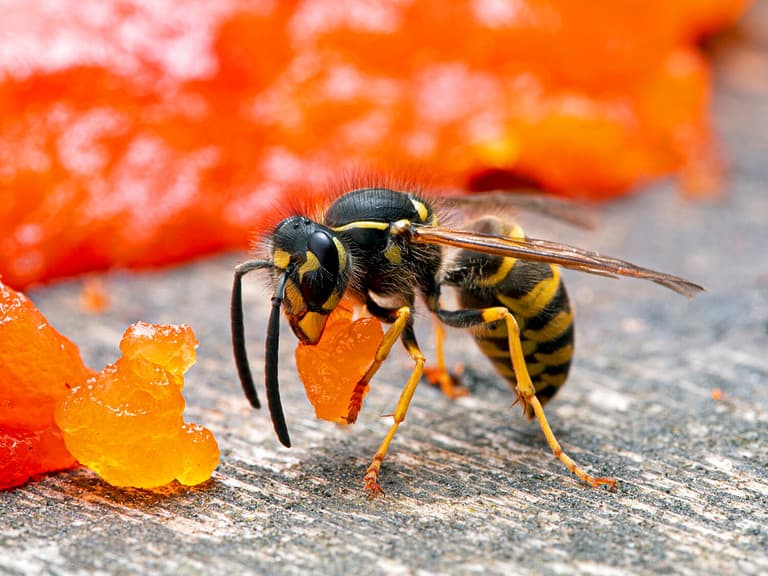
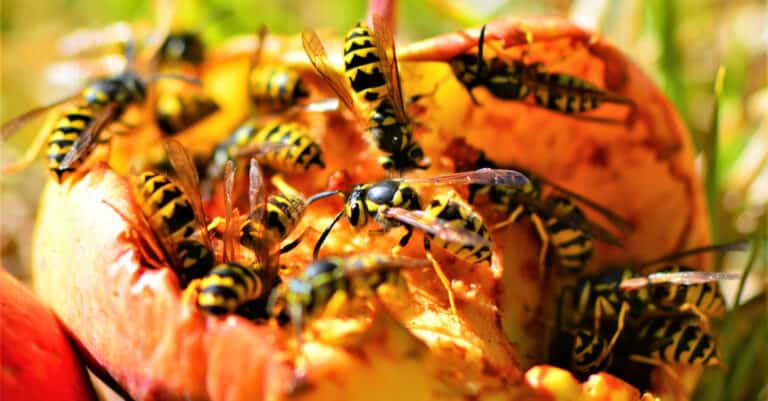
Each yellowjacket nest begins innocently enough in spring with a single queen. By August, however, a thriving nest can contain thousands of workers. As summer fades, their natural food sources dwindle. The colony, having stopped raising young, pushes its workers to scavenge, often aggressively, in search of protein and sugar wherever they can find it. That usually means human food and drinks become prime targets.
At the same time, these colonies are on edge. Researchers, including pest management professionals with decades of experience in the Pacific Northwest, note that as the colony’s end approaches, its members grow more defensive. The combination of sheer numbers and increased agitation makes late summer the most dangerous time of year for stings.
“Yellowjackets and wasps aren’t out to get you,” experts point out. Their role in eating other insects benefits the whole ecosystem. But their intense defense of the nest and the real risks of their stings, especially for those with allergies, are not to be taken lightly. Nationally, stings from hornets, wasps, and bees send more than half a million people to the ER and cause about 72 deaths every year.
Backyard Habits That Attract and Prevent Stings
When yellowjackets get hungry, almost anything outside can lure them. Uncovered food and especially sweet drinks serve as magnets, leaving a soda can unattended is one of the most common ways people get stung in the mouth or throat. Open trash or recycling bins? Another favorite haunt for scavenging wasps.
But the experts say that most stings are entirely preventable. The simple act of covering food and drinks outdoors, glancing into open cans before sipping, and keeping trash lids closed goes a long way. Watching for insects flying in and out of the same spot can reveal a nest’s location. If you spot this, leave nests alone and certainly don’t try sealing or spraying them yourself; disturbing the colony can result in multiple stings and increased danger.
Another key point: swatting at wasps is a mistake. Doing so releases an alarm scent that can summon even more wasps. Instead, calmly walking away reduces the chance of escalating the situation.
What To Do When Someone Gets Stung
For most people, a wasp or yellowjacket sting is painful but not life-threatening. Experts advise washing the area with soap and water, applying a cold pack to reduce swelling, and taking an over-the-counter antihistamine as needed. It’s important to avoid scratching, which could lead to infection.
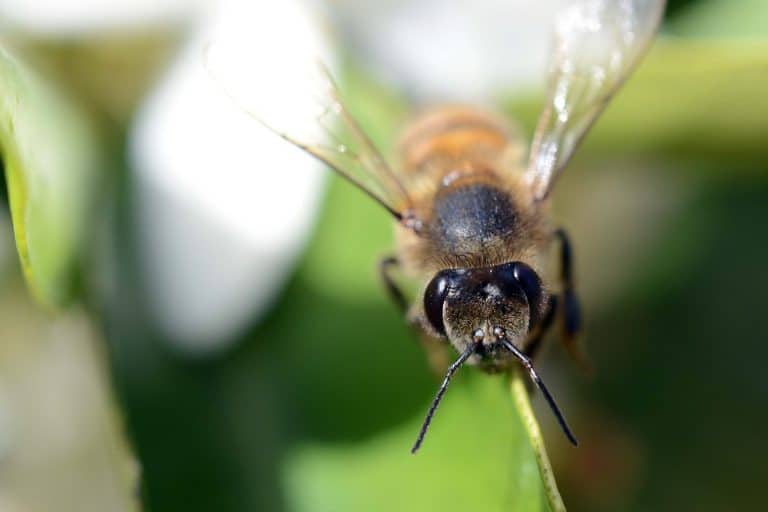
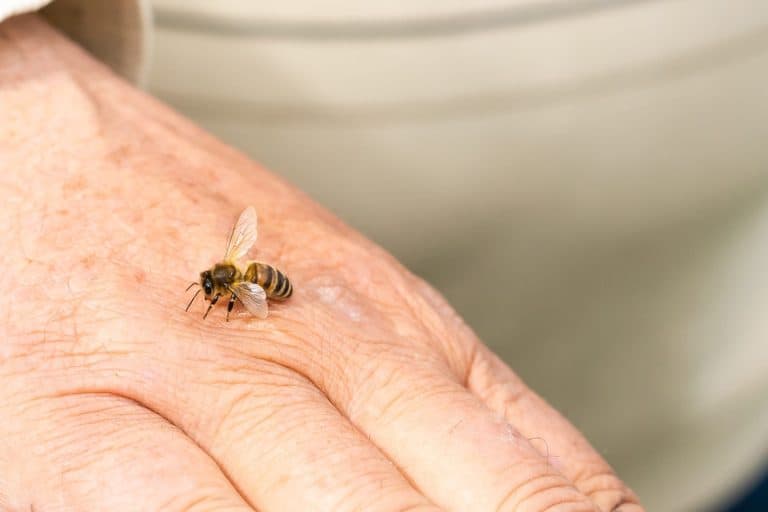
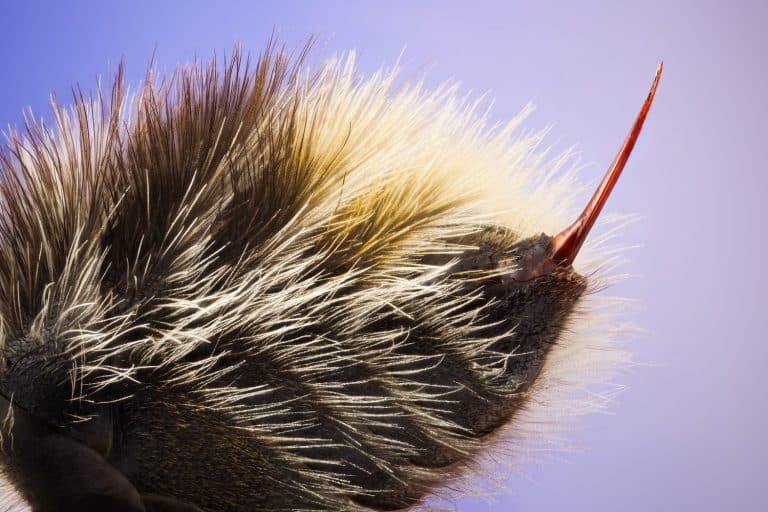
If stung by a honey bee, unlike wasps, they leave their stinger behind, avoid pinching the stinger with your fingers or tweezers, which squeezes more venom into the skin. Instead, gently scrape it out sideways using a fingernail or a credit card.
While most reactions are mild, some people experience severe allergic responses. Symptoms like difficulty breathing, swelling of the face or throat, dizziness, rapidly spreading hives, or a racing heartbeat indicate a medical emergency. In these cases, call 911 immediately and use a prescribed epinephrine auto-injector if available. Quick action can be lifesaving.
Families with anyone allergic to stinging insects are urged to keep epinephrine accessible during all outdoor activities, and to make hosts or coaches aware of the allergy in advance.
When Professional Help Becomes Necessary
Certain nests demand expert removal. Any nest discovered near high-traffic areas, by entryways, walkways, patios, children’s play spaces, or hidden within walls, poses a greater risk. Specialists recommend calling in professionals for ground nests in lawns, large aerial nests in trees or eaves, and especially any nest that can’t be safely accessed.
Not every nest needs immediate removal. Small ones tucked away from daily activities can often be left alone, but when nests start growing where families move through daily, it’s best to act early. Delaying until the height of summer can mean a larger, more defensive colony to deal with and often a costlier intervention.
Determining whether you’re dealing with aggressive yellowjackets or beneficial honey bees isn’t always easy. Pest experts invite residents to send photos for identification, reminding everyone that honey bees and bumble bees are pollinators, not pests, and should ideally be relocated by beekeepers rather than exterminated.
Lessons in Living with Nature
In this region, yellowjackets and wasps will always arrive with the August heat, but a few informed habits can keep them from taking over summer plans. Knowing when prevention is enough, and when to bring in professional help, makes all the difference. For people sharing space with buzzing neighbors, understanding their seasonal rhythms turns a stressful encounter into a manageable part of life outdoors.