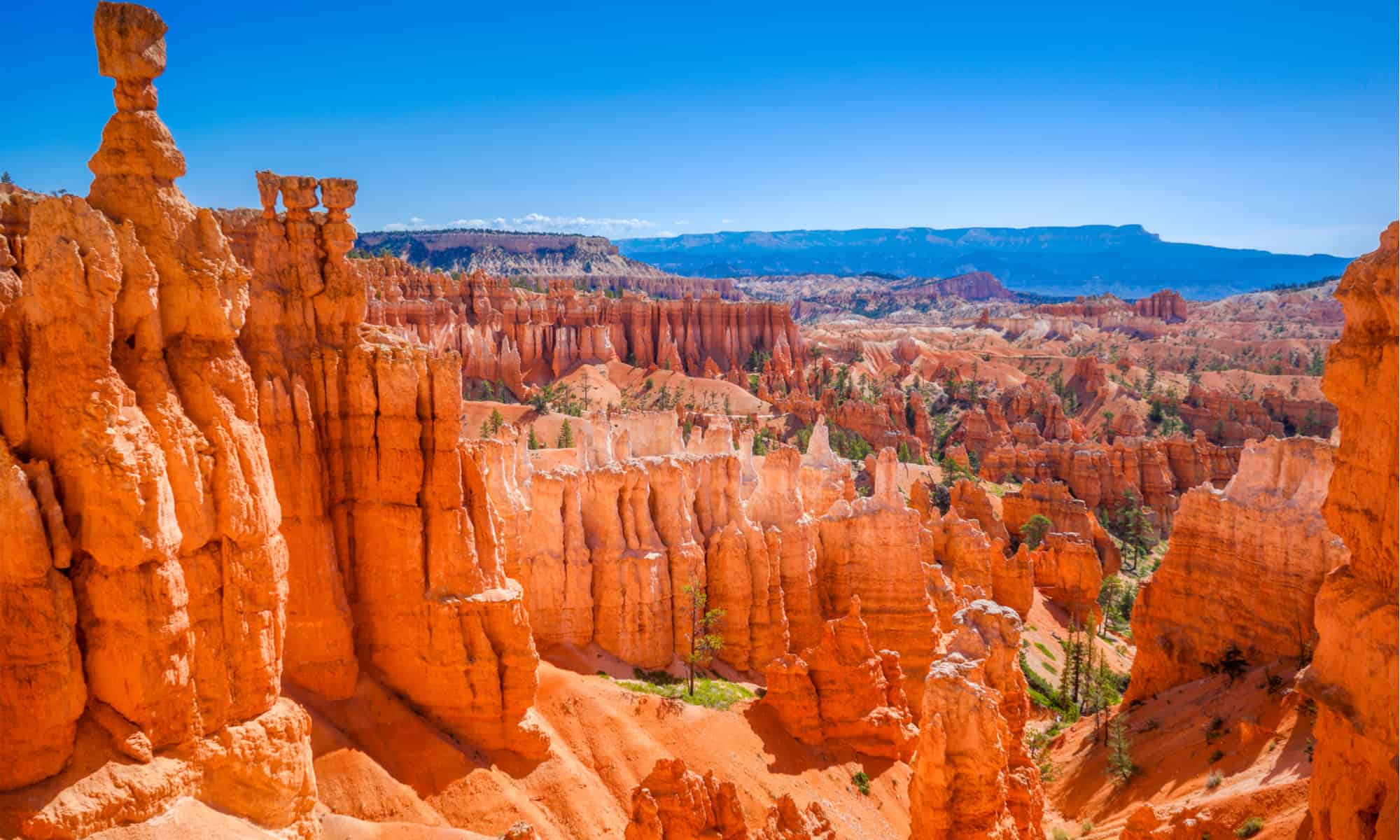

Bryce Canyon National Park is famous for its landscape. Iconic hoodoo formations, deep canyons, and bright red rocks carve out its terrain. It might seem like a desolate landscape to those unfamiliar, but more than 200 animal species call this Utah park home. Visitors lucky enough to experience its wildlife know how diverse it can be, with native species of mammals, birds, reptiles, and even amphibians. The dramatic views of Bryce Canyon National Park are enough to take your breath away, but observing the animals that traverse it is even more exciting.
What Makes Bryce Canyon National Park So Unique
The semi-arid environment of Bryce Canyon National Park means not every animal can survive its conditions. Combined with Utah’s high elevations, the landscape results in a diverse array of wildlife. At its lower levels, woodlands are abundant, while snow-covered ponderosa pines thrive at higher levels around 8,000 feet. Therefore, hikers will encounter different types of wildlife depending on which ecosystem habitat they visit. The park attracts 2.7 million visitors annually, and there are numerous ways to experience all that the park has to offer.
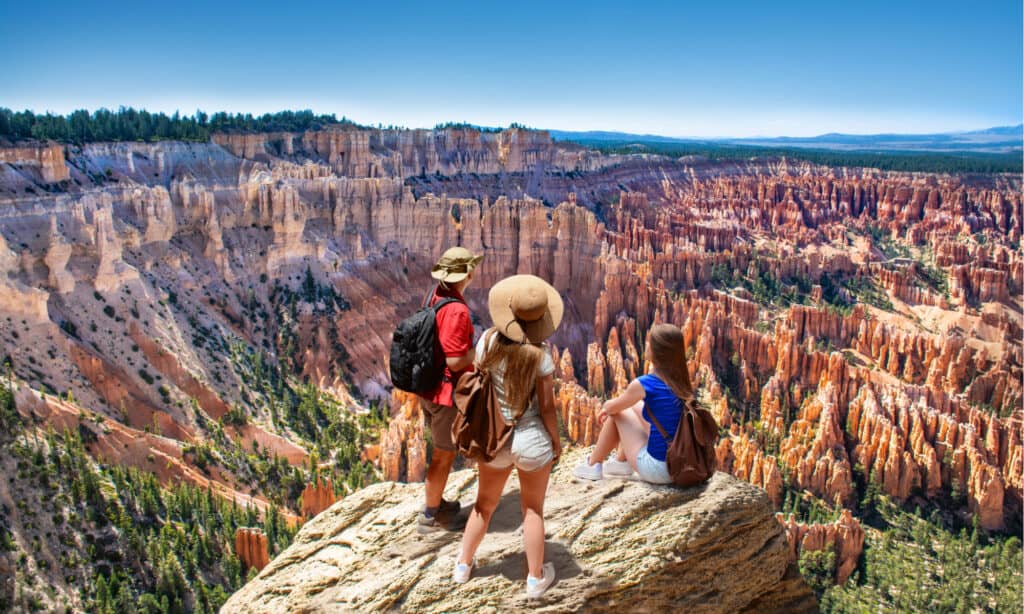
Hikers at Inspiration Point in Bryce Canyon National Park
©Margaret.Wiktor/Shutterstock.com
While hiking is the most popular activity in Bryce Canyon National Park, it’s not the only way to experience its diverse flora and fauna. The park features numerous walking trails for an easier trek, as well as multiple scenic overlooks from which to take in the scenery. The Scenic Southern Drive includes two popular overlooks, Rainbow Point and the Natural Bridge. Both of these are excellent places to take in the views, but also watch for local wildlife. Various sections of the park are also open to horseback riding, offering a slow and scenic way to spot wildlife. Those interested in stargazing can also observe some of Bryce Canyon National Park’s nocturnal inhabitants.
Birds in Bryce Canyon National Park
Many visitors are surprised to learn that Bryce Canyon National Park is home to 175 confirmed bird species. This makes them the most prevalent animals within the park, and also the most likely to be observed by wildlife watchers. It’s also great news for birders visiting Utah! The park’s most common birds are divided into 12 groups, and this is what visitors can expect to see.
Hawks, Eagles, and Falcons
Bryce Canyon National Park is home to several falcon, hawk, and eagle species. These include:
- Peregrine falcon (Falco peregrinus)
- Northern harrier hawk (Circus hudsonius)
- Sharp-shinned hawk (Accipiter striatus)
- Red-tailed hawk (Buteo jamaicensis)
- Golden eagle (Aquila chrysaetos)
Peregrine falcons are often called the fastest birds in the world, and visitors are lucky to see them soaring through the sky. They prefer high elevations and are typically found near rivers or cliff sides, with nests located around 9,100 feet. They prey on other, smaller birds, and are recognizable by their gray and white feathers.

A golden eagle on the hunt for prey
©alberto clemares exposito/Shutterstock.com
Bryce Canyon National Park’s hawks inhabit a range of territories. Their diet primarily consists of rodents and small mammals, so they can be seen hunting prey in various parts of the park. While not as fast as falcons, they’re easily recognizable by their downturned beaks, small heads, and vibrant red, brown, or cream-colored feathers.
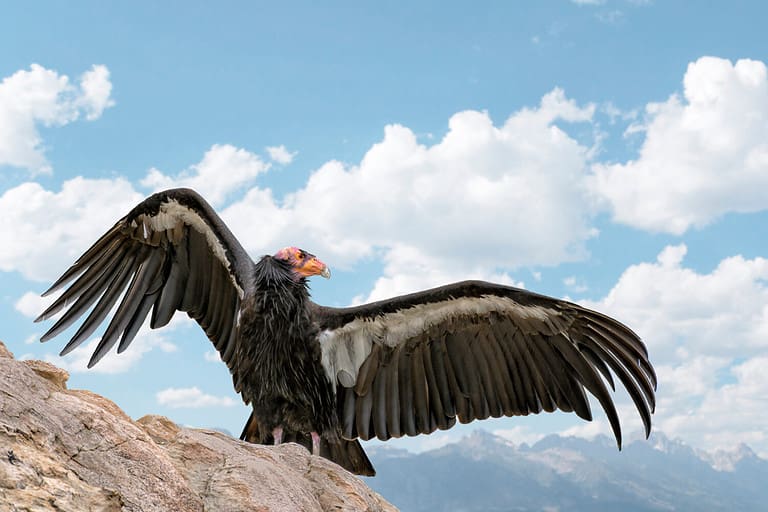
The golden eagle is rarely seen, but lucky visitors can attest to this raptor’s majestic flight. They are the second-largest eagle in North America, with a wingspan of 80 to 88 inches. Aside from their large stature, they’re identifiable by their tri-coloring that includes dark brown, tan, and cream-colored feathers. These eagles prefer the open country, where they can soar over meadows, cliffs, and waterways.
Owls
Several owl species live in Bryce Canyon National Park, including the Great Horned Owl (Bubo virginianus) and the Northern Pygmy-Owl (Glaucidium gnoma). Both species prefer the wooded parts of the park. Visitors are more likely to see the Northern Pygmy-Owl due to its daytime hunting habits. The Great Horned Owl is active at night, and is typically heard before it’s seen.
Crows and Jays
Crows and jays are common throughout North America, but Bryce Canyon National Park is home to unique birds within these species. The common raven (Corvus corax) can be seen throughout the park, and typically nests on cliffsides. However, they can also be found in meadows and other open terrain. Clark’s Nutcracker (Nucifraga columbiana) and Steller’s jay (Cyanocitta stelleri) are two other jay species that inhabit the park.
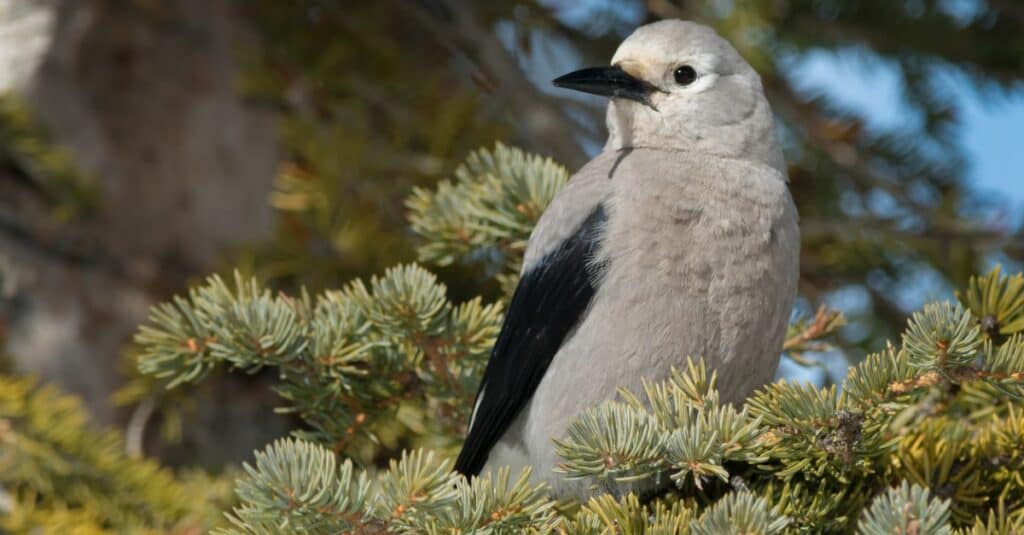
The Clark’s nutcracker stores as many as 30,000 pine seeds in one season
©iStock.com/PaulReevesPhotography
Clark’s Nutcrackers have pale gray bodies with black wings and tail, and sharp-looking beaks. They prefer high elevations, so are more commonly seen by hikers passing through on nearby woodland trails. Steller’s jay birds also inhabit higher-elevation woodlands, but can be seen at lower elevations during the winter months. These birds have blackish heads and upper bodies with bright blue wings and underparts, and a distinctive crest. Steller’s jays can also mimic the calls of other animals, making them a challenge to spot and identify.
Swallows and Sparrows
The violet-green swallow is one of several swallow species in Bryce Canyon National Park. It’s a small bird, measuring less than five inches by the time it reaches full maturity. They prefer deciduous and evergreen woodlands, and can sometimes be seen perched in tall trees. They’re easily distinguished from other birds because of their coloring, which includes a mix of green, violet, white, and brown feathers.
However, fans of sparrows will be happy to know there are four native species in Bryce Canyon National Park:
- Green-tailed towhee (Pipilo chlorurus)
- Spotted towhee (Pipilo maculatus)
- Dark-eyed Junco (Junco hyemalis)
- Chipping sparrow (Spizella passerina)
All of these birds share a love of dense foliage, which aids in shelter and serves as a food source. Many can also be found near waterways, especially if there are shrublands nearby.
Bluebirds and Cardinals
Bryce Canyon National Park is home to two species of bluebirds and several distinct songbirds:
- Western bluebird (Sialia Mexicana)
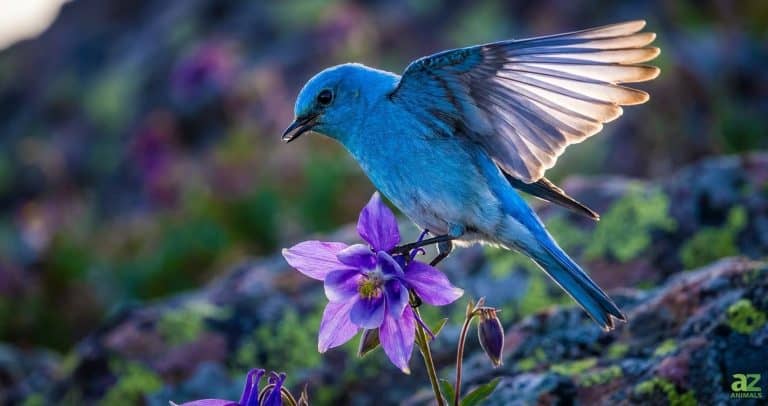
- Mountain bluebird (Sialia currucoides)
- Western tanager (Piranga Ludoviciana)
- Black-headed grosbeak (Pheucticus melanocephalus)
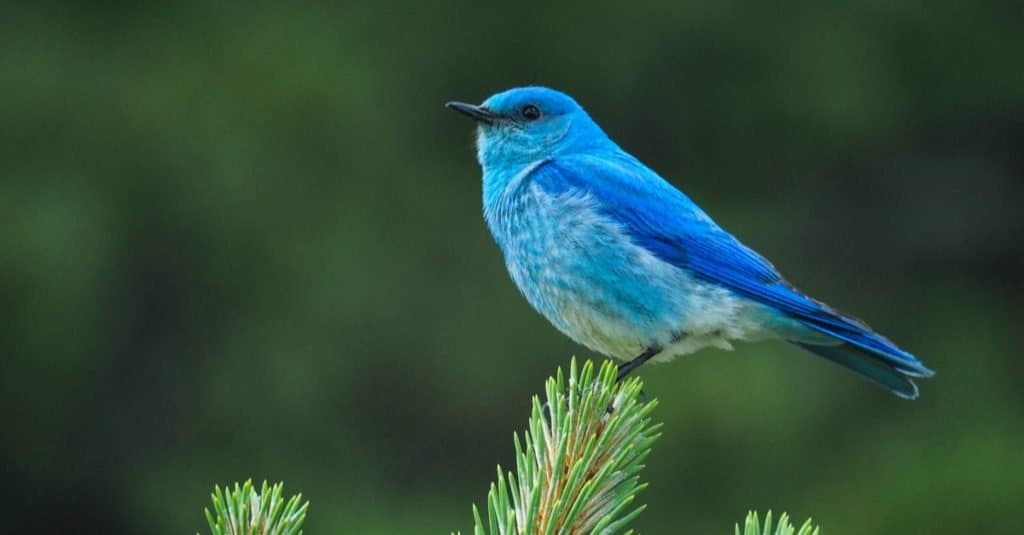
The mountain bluebird is a medium-sized bird with a light underbelly and black eyes
©MTKhaled mahmud/Shutterstock.com
The western bluebird prefers arid farmlands with plenty of space between trees, but the mountain bluebird thrives in open country at higher elevations. Both yellow songbirds prefer the opposite, remaining hidden in the park’s tree canopies and mountainous forests.
Finches
Cassin’s Finch (Haemorhous cassinii), pine siskin (Spinus pinus), and the red crossbill (Loxia curvirostra) all appear in the coniferous forests of Bryce Canyon National Park. While these birds prefer higher elevations, they can sometimes be found foraging lower during the winter. Mountain trees are essential to the diet of these birds, as they provide seeds that are necessary for their nutrition.
Wood Warblers, Nuthatchers, and Treecreepers
Bryce Canyon National Park is home to many warbler species and several distinct nuthatchers and treecreepers. These include:
- Yellow-rumped warbler (Setophaga coronata)
- Grace’s warbler (Setophaga graciae)
- Black-throated gray warbler (Setophaga nigrescens)
- White-breasted nuthatch (Sitta carolinensis)
- Red-breasted nuthatch (Sitta canadensis)
- Pygmy nuthatch (Sitta pygmaea)
- Brown creeper (Certhia americana)
Yellow-rumped warblers prefer coniferous trees, while Grace’s warblers can be found among the famed ponderosa pines. Black-throated gray warblers prefer hillsides and canyons with underbrush, which helps them perfectly camouflage with their surroundings.
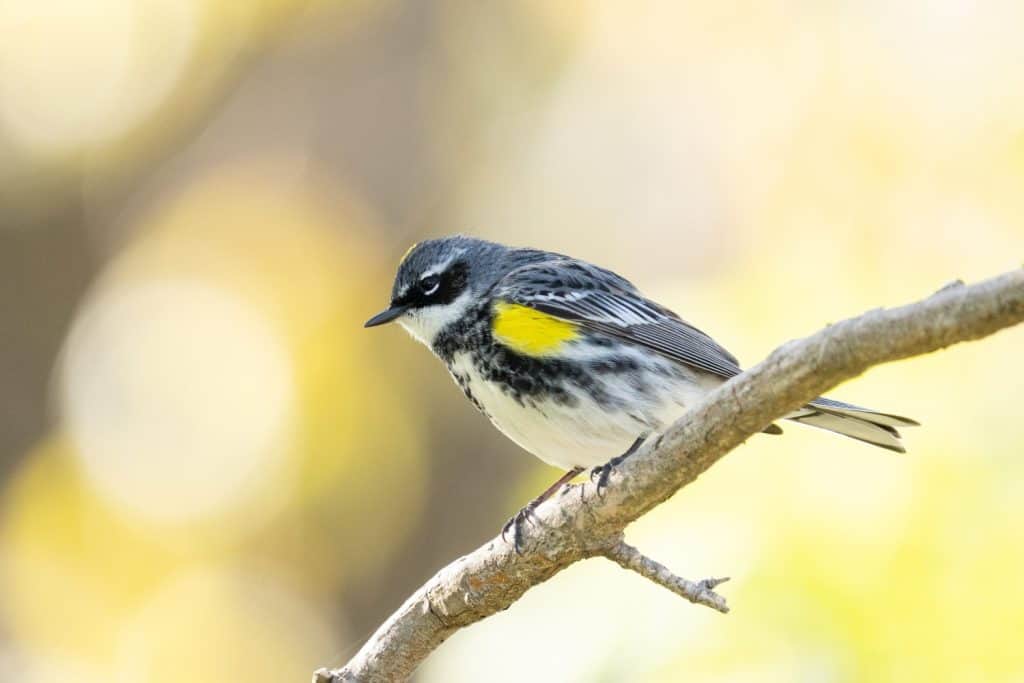
A yellow-rumped warbler is a common Utah native
©Griffin Gillespie/Shutterstock.com
As their name implies, the nuthatchers and treecreepers can be found throughout Bryce Canyon National Park’s forests. They inhabit the groves of ponderosa pines, conifers, spruce, hemlock, larch, western red cedar, and other mature forests at higher elevations.
Woodpeckers and Flickers
Hikers often hear woodpeckers and flickers before they see them. Bryce Canyon National Park is home to several native species, including:
- Northern flicker (Colaptes auratus)
- Hairy woodpecker (Dryobates villosus)
- Downy woodpecker (Dryobates pubescens)
These birds aren’t too picky and only require terrain with plenty of trees. They can be found throughout the park’s forests and are common in groves with tall trees.
Mammals in Bryce Canyon National Park
Some mammal species in Bryce Canyon National Park are rare, while others are seen routinely by visitors. These can be divided into large, medium, and small mammals. Sightings of these animals depend on which part of the park you visit, and for some, even the season makes a difference.
Small Mammals
Most of the small mammals in Bryce Canyon National Park are rodents. Some, like the Utah prairie dog, can be found in meadows and open spaces throughout the park. These are common throughout Utah, but are especially prevalent in the national park.
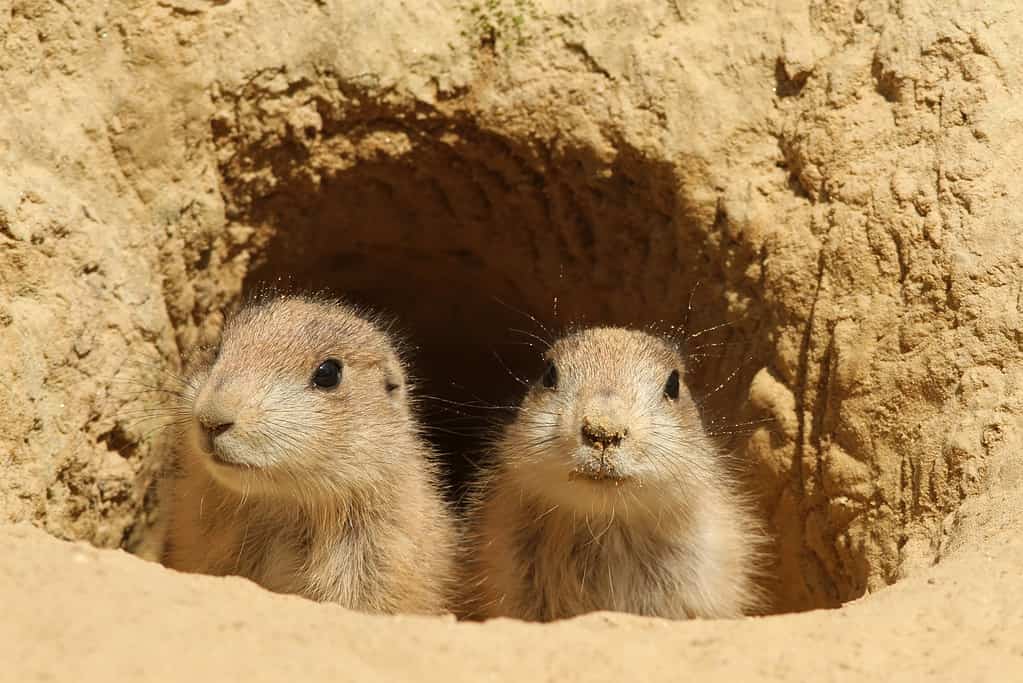
Prairie dogs are found throughout Utah
©Henk Bentlage/iStock via Getty Images
Others, such as the golden-mantled ground squirrel (Callospermophilus lateralis) and the Uintah chipmunk (Neotamias umbrinus), are common depending on the elevation. The golden-mantled squirrel prefers higher elevations, while the Uintah chipmunk prefers fields and meadows at lower elevations.
Medium Mammals
Other non-rodent mammals include the mountain cottontail (Sylvilagus nuttallii), desert cottontail (Sylvilagus audubonii), long-tailed weasel (Mustela frenata), gray fox (Urocyon cinereoargenteus), and red fox (Vulpes vulpes). All of these animals typically stay to themselves, with some, like both foxes, appearing at dawn or dusk. They are elusive, but can be spotted on mountain slopes, low-lying brush, and open fields and meadows.
Bryce Canyon National Park also has a healthy population of native bat species. These include:
- Hoary bat (Lasiurus cinereus)
- Big brown bat (Eptesicus fuscus)
- Little brown bat (Myotis lucifugus)
- Townsend’s big-eared bat (Corynorhinus townsendii)
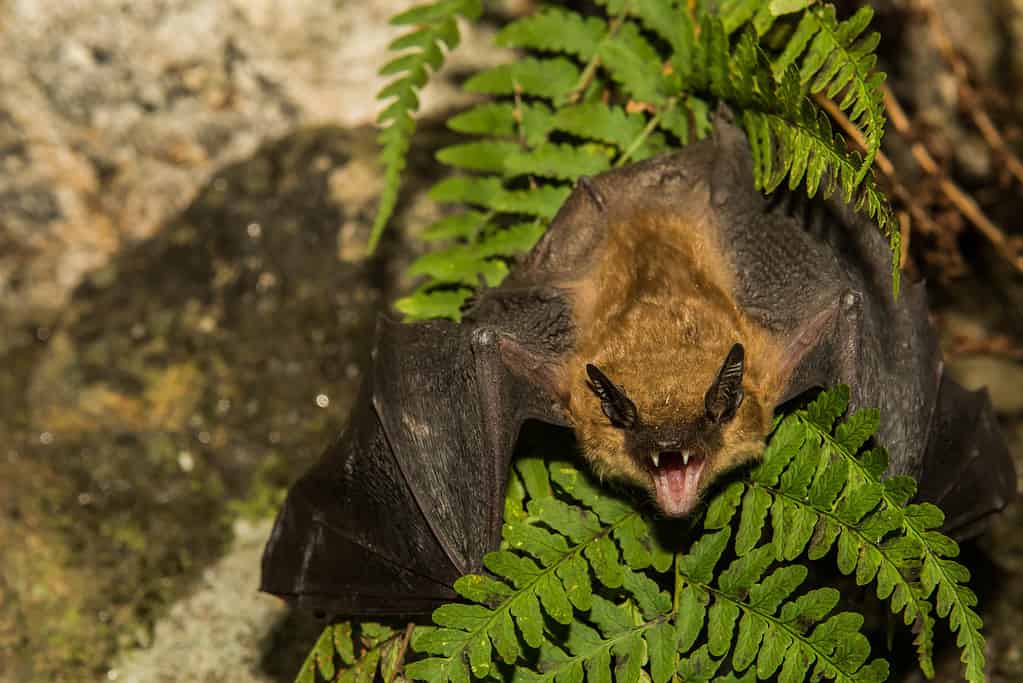
A big brown bat on a fern growing on a cave wall
©JasonOndreicka/iStock via Getty Images
These four are only the most common of a total of 14 bat species found throughout the park. They’re primarily active at night, which means campers, nighttime hikers, and stargazers are the only ones to observe them.
Large Mammals
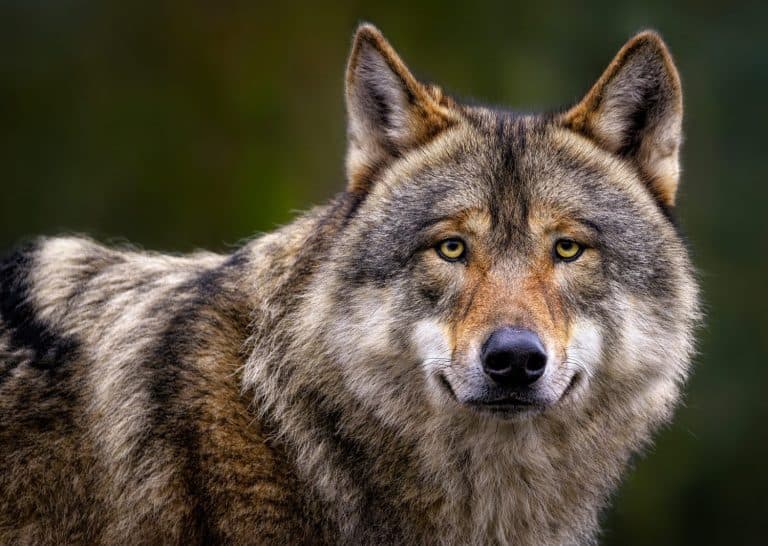
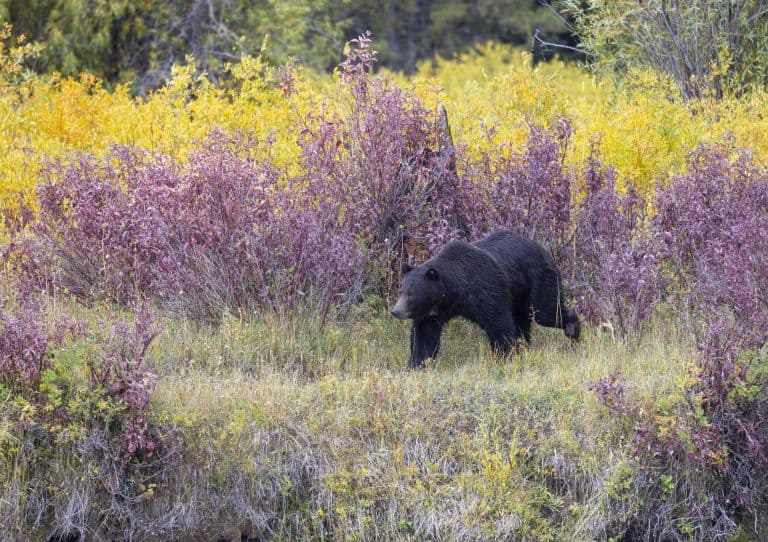
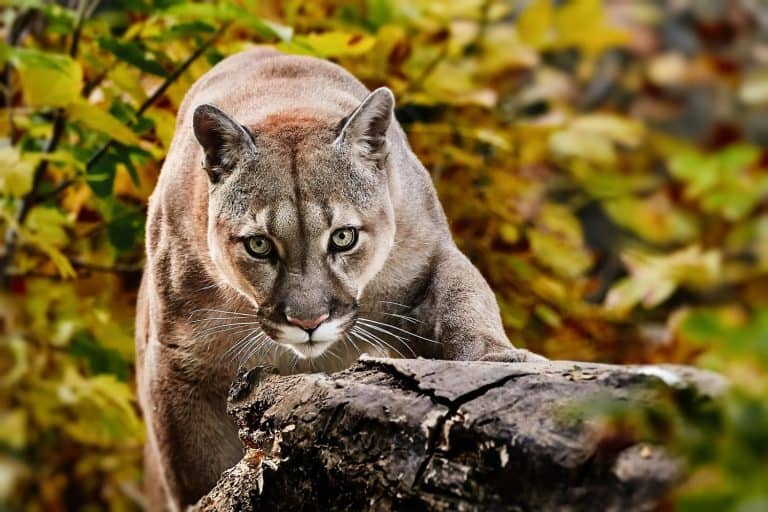
Utah is home to several apex predators, as well as their prey. This includes mountain lions, American black bears, coyotes, and bobcats. While also elusive, visitors have seen these animals at specific locations within the park. Mountain lions typically avoid people but have occasionally been seen along the side of park roads. The same is true of bobcats, which are also normally active at night. Coyotes have been seen hunting prey during the day and sometimes follow badgers or crows to find carrion. American black bear sightings are also extremely rare, but they can sometimes be found climbing trees or in remote areas of the park.
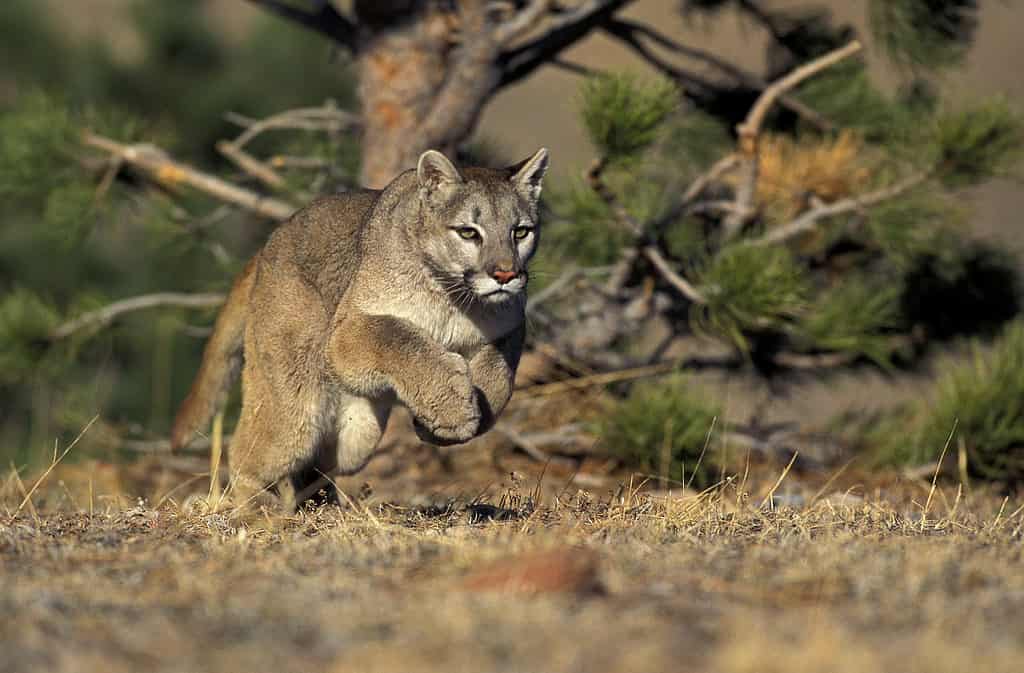
Mountain lions can reach 50 mph in short bursts
©iStock.com/slowmotiongli
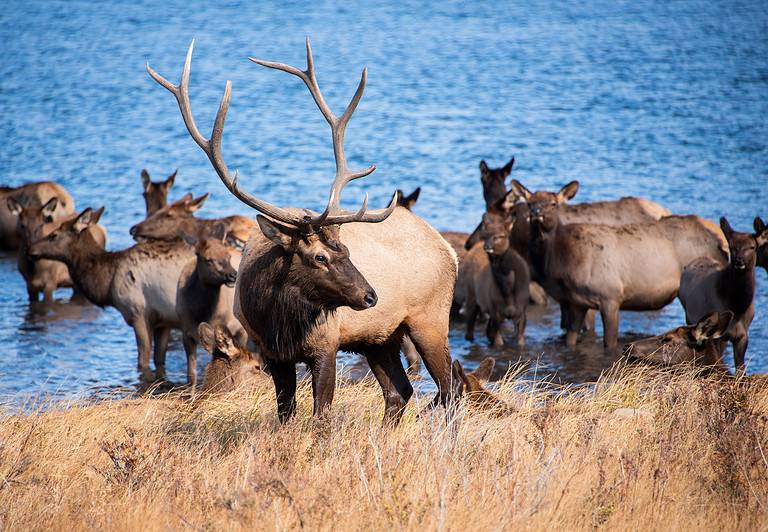
As for their prey, Bryce Canyon National Park is also home to pronghorns, Rocky Mountain elk, and mule deer. Pronghorns are typically seen in the park’s prairielands, where they often forage in groups. Rocky Mountain elk are native to the park’s mountains, where they’re found at higher elevations. In the winter, they venture to lower elevations in search of food. Mule deer are common throughout the park and the state of Utah. As is the case with many deer, they’re typically seen gathered at the sides of the park roads.
Reptiles in Bryce Canyon National Park
While the park is home to several species of snakes and other reptiles, they are elusive. Hikers typically cross paths with them accidentally, which is why knowing the native species is essential. One of these is venomous, and identifying them is a crucial part of visiting Bryce Canyon National Park.
Snakes
Bryce Canyon National Park is home to several snake species, including:
- Great Basin rattlesnake (Crotalus viridis lutosus)
- Great Basin gopher snake (Pituophis catenifer deserticola)
- Striped whipsnake (Masticophis taeniatus)
- Western terrestrial garter snake (Thamnophis elegans)
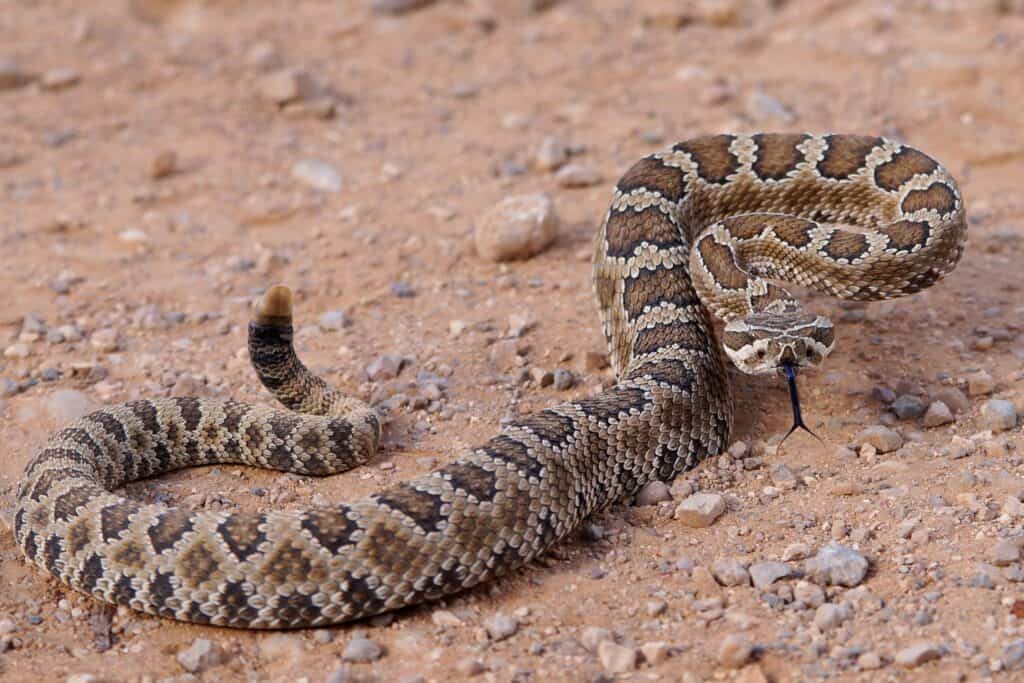
Great Basin Rattlesnakes are only between two and four feet long, so they aren’t that large, but they blend into the surroundings extremely well
©Matt Jeppson/Shutterstock.com
The Great Basin rattlesnake is highly venomous, although hikers rarely encounter it. It thrives in exceptionally hot weather, which is often when people stumble upon it. At night and in cold weather, these rattlesnakes prefer lower elevations. They’ve been spotted at Under-the-Rim Trail, Riggs Springs Loop, and the Fairyland Loop.
Lizards and Salamanders
The park is also home to some speedy and elusive lizards and salamanders. These include:
- Short-horned lizard (Phrynosoma hernandesi)
- Side-blotched lizard (Uta stansburiana)
- Tiger salamander (Ambystoma tigrinum)
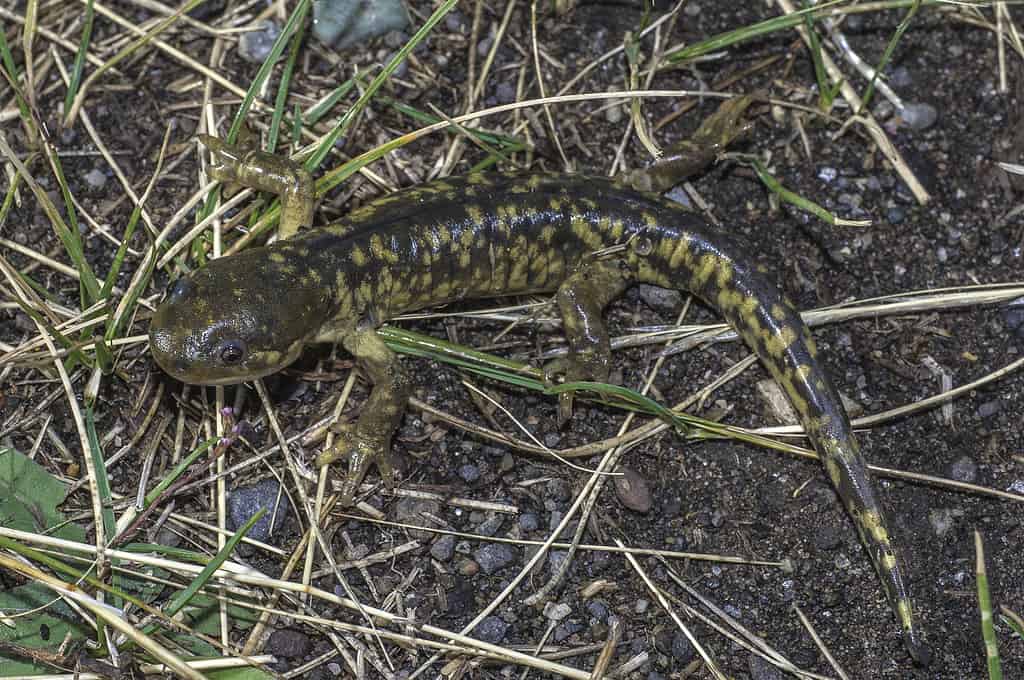
The barred tiger salamander or western tiger salamander (Ambystoma mavortium) is a species of mole salamander
©Gerald Corsi/iStock via Getty Images
The side-blotched lizard is typically found below elevations of 9,000 feet, while the short-horned lizard is found above and below the canyon rim. Both are masters of camouflage, making them incredibly difficult to see in the wild. The tiger salamander is one of the largest land-dwelling salamanders, making it a unique animal to observe. They are exceptionally rare, but the National Park Service recommends looking for them after a heavy rain, particularly in Swamp Canyon.