
Quick Take
- An insect vanished for four decades, then a casual snapshot exposed it. Who spotted it first?
- Dozens of firefly species have gone missing, yet the experts aren't panicking. Why?
- One photo angle and a few flash details can make or break an identification.
- A simple switch at home could quietly protect fireflies. Do you know which one?
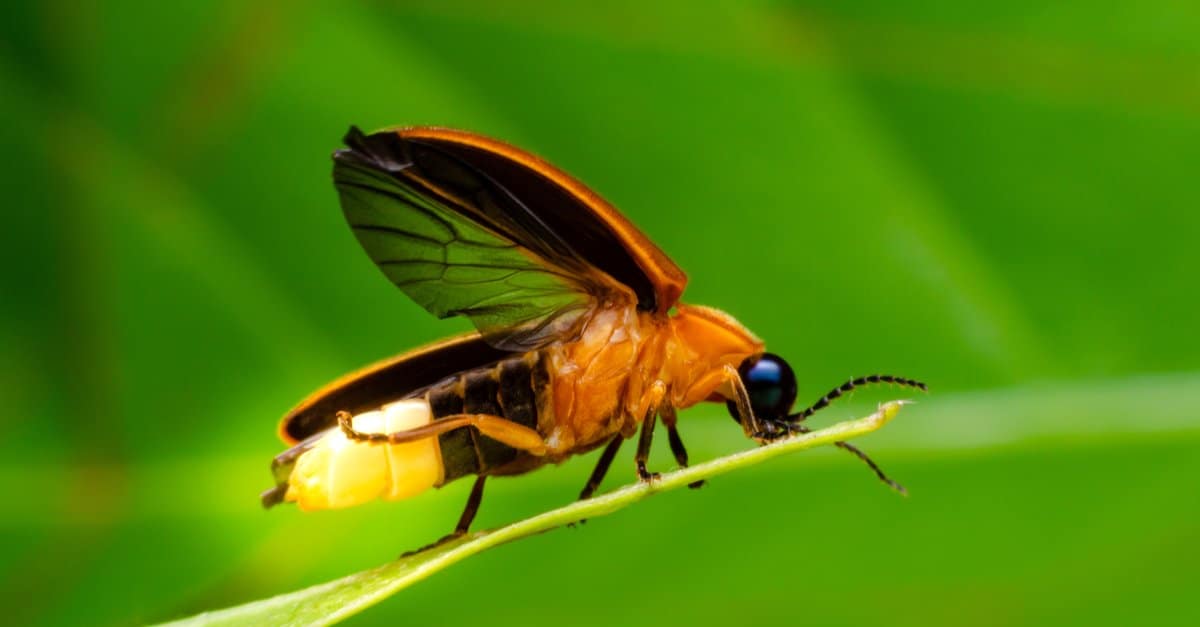
Thanks to its unique amber color and unusual flash pattern, researchers recently confirmed sightings of the rare similar firefly (Pyractomena similis) after no one had confirmed its existence in the wild since 1983. Re: wild’s Top 25 Most Wanted Lost Species previously listed the similar firefly on its lost species list, but researchers have now recorded sightings in Virginia and Delaware. The U.S. and Canada are home to around 178 native species of fireflies. However, scientists haven’t been able to confirm at least 28 firefly species in the wild in over a decade. Researchers label these species “lost” to science.
Fireflies, also known as lightning bugs, are one of America’s most iconic and beloved insects. We spoke to Candace Fallon, Senior Endangered Species Conservation Biologist at Xerces Society for Invertebrate Conservation, to learn more about the rediscovery of the similar firefly and how anyone can help in the hunt for other lost species.
What Led to the Rediscovery of the Similar Firefly?
You don’t have to be an entomologist to help in the search for lost species. Fallon tells us, “In May, an iNaturalist user reported the species from a site in Virginia near the Potomac River—an observation that was found by firefly researchers looking through iNaturalist observations and later confirmed to be valid.
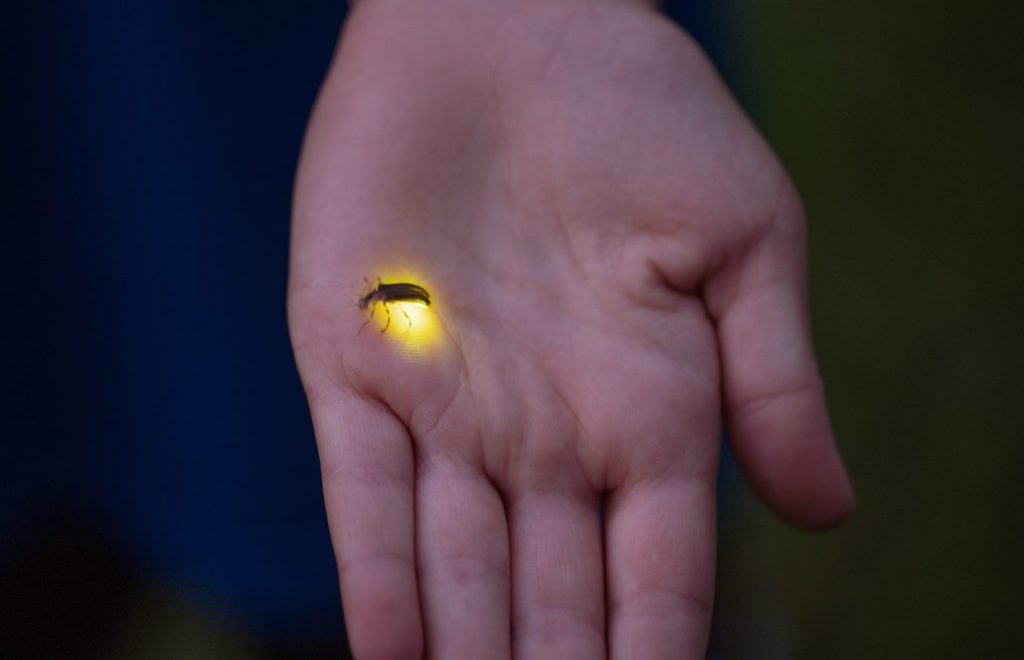
Fireflies are actually beetles and belong to the beetle family Lampyridae.
©Cavan-Images/Shutterstock.com
“This represented the first known observation of the species in 43 years, and the same person found several other nearby populations. Then in June, a firefly researcher conducting targeted surveys for the species, supported by Re: wild, discovered a new population in Delaware—the first record for the state.”
Why Are So Many Firefly Species Missing?
28
firefly species in the U.S. and Canada not confirmed in the wild in over a decade, around 16% of the native species
In a recent paper in the Journal of Lost Species, researchers highlight the rediscovery of the similar firefly. Researchers also detail the search for the 28 missing firefly species in the U.S. and Canada. These missing species make up around 16% of native firefly species in the U.S. and Canada. Scientists consider a species lost if no one has confirmed its existence in the wild for a decade or longer
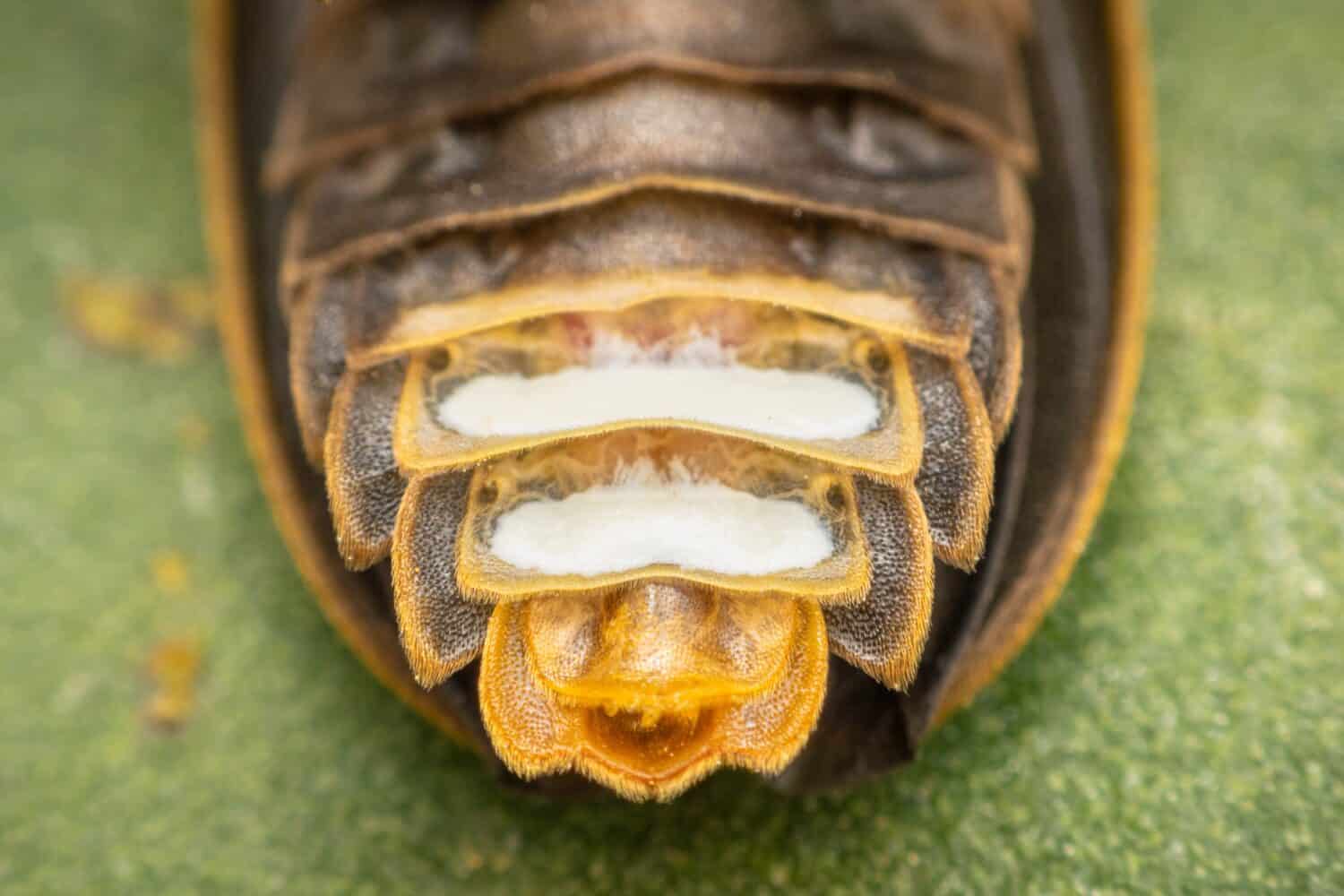
A firefly’s glow comes from a specialized organ called the lantern located on the underside of its abdomen.
©khlungcenter/Shutterstock.com
Many factors threaten fireflies, including climate change, light pollution, pesticides, and habitat loss. However, when a species is missing, it doesn’t necessarily mean it is extinct. Scientists need to conduct further research to better understand the many different species and confirm their conservation status.
Fallon tells us, “There are many factors that go into which species are prioritized for searching, but in general the species that have the most specific historic locality data and the best chance of being positively identified from photos, flash pattern descriptions, and habitat association tend to rise to the top.”
Some species have poorly understood ranges or seasonal activity periods. Others may have limited historical records, while some can only be identified by flash pattern differences or subtle physical characteristics. Fallon says, “Just because a species is lost doesn’t mean it’s gone forever. In fact, the majority of lost fireflies in the US and Canada are likely still out there.”
Just because a species is lost doesn’t mean it’s gone forever. In fact, the majority of lost fireflies in the US and Canada are likely still out there.
Why Rediscovering Missing Populations Matters
Scientists can’t protect a species without knowing where it lives, what it needs to survive, and whether it still exists. Fallon says, “Rediscovering lost species helps us understand where these populations occur, what condition their habitats are in, and what protections might be needed. Lost species tend to be rather data deficient, and finding them would give us an opportunity to learn more about their distributions, habitat associations, and seasonal activity periods.
“As we note in our paper, we cannot protect what we have not found. We suspect some of these species may be threatened with extinction, but until we determine if they still occur, and where, it’s difficult to assess their conservation status.”
Citizen Scientists Play a Vital Role in New Discoveries
Researchers use observations and images submitted by the public to identify missing species. Fallon explains, “Community scientists have already helped us fill data gaps for lost and data deficient firefly species by reporting their observations on iNaturalist and conducting surveys for Xerces’ Firefly Atlas, and we hope they will continue to do so!
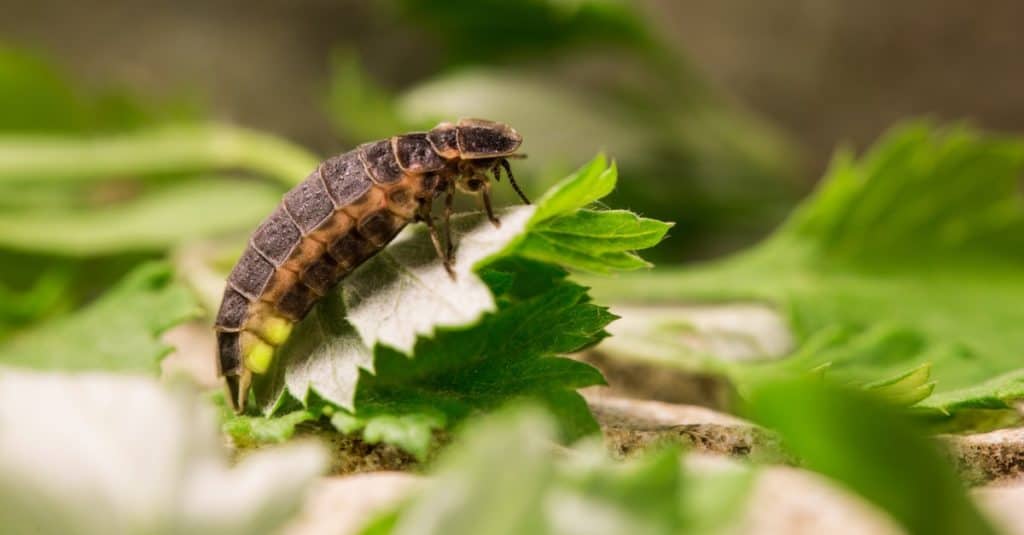
Firefly larvae are commonly called glow worms.
©Karelian/Shutterstock.com
“For those wanting a deeper dive and some more options, I encourage them to take a look at our paper, which is open access and includes more details about previous records, search efforts to date, and rediscovery techniques.”
Tips from the Experts on Joining the Firefly Hunt
Would you like to join the hunt for missing firefly species? Fallon offers some practical tips to help community scientists. “Getting clear, close-up photos of both the upper side and underside of the firefly is helpful for species identification. Most phones and cameras have a macro setting, which I would recommend using. We have more detailed information about photographing fireflies on Firefly Atlas.”
It doesn’t take a professional to be able to identify firefly species by their flash patterns. However, it does require research and some patience. “Identifying species by their flash patterns requires a lot of patience, and my advice to new fireflyers is that they take their time and have fun with it,” says Fallon.
“Careful observation and use of narrative descriptions can go a long way in helping you discern differences in flash patterns,” she continues. “Whenever possible, note the color, location, frequency, and duration of a firefly’s flash—coupled with photos, location, timing, and habitat, these are clues that you can use to figure out the species identification.”
How Turning Off Outdoor Lights Helps Local Fireflies
Helping your local firefly population can start with some simple steps. Fallon tells us, “Paying attention to the natural world and sharing what you see on community science platforms is really helpful for researchers trying to learn more about these lost and other data deficient species. This isn’t the only way you can help fireflies, though.
“Simple actions like turning out your outdoor lights at night (so their bioluminescent courtship signals aren’t interrupted), refraining from pesticide use, and leaving intact, undisturbed habitat for fireflies and their soft-bodied invertebrate prey can all go a long way towards helping these incredible animals.”