
Quick Take
- A single blurry camera-trap photo can carry more conservation weight than years of fieldwork. Here is the specific reason why this one matters so much. See why one photo matters →
- Jaguars are officially labeled 'Near Threatened,' but that classification conceals a far grimmer reality hiding beneath the surface. Uncover the grimmer reality →
- Over 40 researchers spent years GPS-tracking jaguars across 11 countries, and what they found about where the species can actually move upends assumptions about jaguar survival. Explore the GPS-tracking findings →
- The forest this jaguar crossed does something for humans that has nothing to do with wildlife, and losing it would affect hundreds of thousands of people. Discover the human stakes →
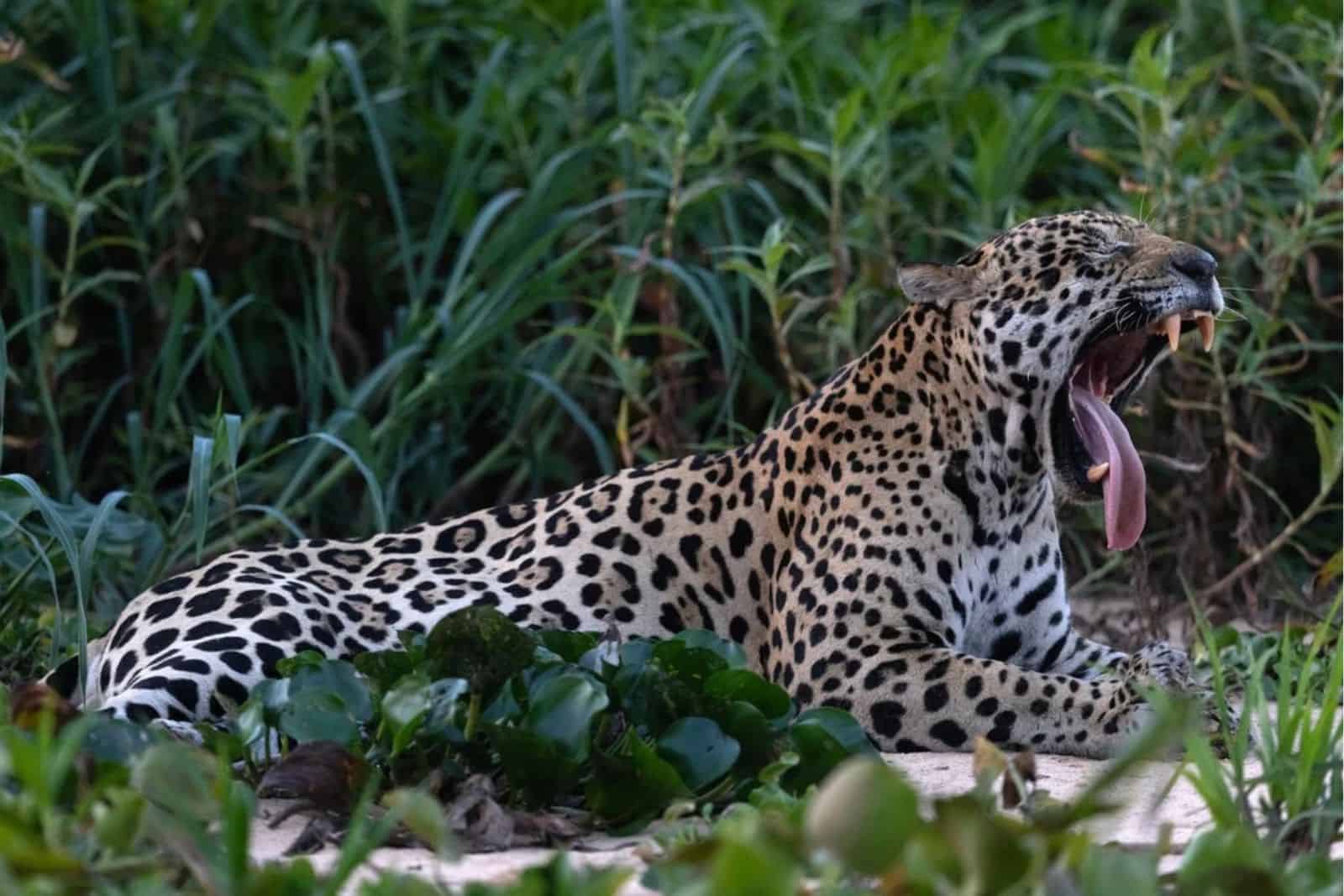
A camera trap hidden in the forest along the Guatemala-Honduras border recently caught something researchers had not confirmed there in years: a male jaguar, walking through the Bi-National Corridor that links jaguar populations in Mexico, Belize and Guatemala with those in central and eastern Honduras. The conservation group Panthera, which runs the camera network, is calling it a once-in-a-decade find.
For an animal built to avoid being seen, a single clear photo can carry an outsized amount of proof.
Why One Photo Means So Much
Jaguars are famously hard to photograph on purpose. They are solitary, mostly active at night, and cover large stretches of forest while rarely crossing the same spot twice in a way a fixed camera can catch. A confirmed image from this particular corridor tells researchers something they could not simply assume: that the narrow strip of forest connecting Guatemala and Honduras is still intact enough, and still quiet enough, for a jaguar to actually use it.
Panthera directors Allison Devlin and Franklin Castañeda said the images from both the Honduran and Guatemalan sides “give us hope,” adding that “every action taken to protect this corridor has been worth it.” The area matters well beyond jaguars. It is a water source for more than 200,000 people and shelters species found nowhere else, some of them listed as Critically Endangered.
A Species Running Out of Room
Jaguars are classified as Near Threatened overall, but that label hides a wide gap between regions. The Amazon holds roughly 89% of the world’s jaguars and is considered a population of least concern, while most of the other 33 known jaguar populations across the Americas are Endangered or Critically Endangered, including the ones in Honduras and Guatemala. The sighting adds urgency to Guatemala’s National Jaguar Conservation Strategy, the country’s framework for keeping corridors like this one open.
Mapping the Bigger Picture
The Guatemala sighting lands alongside a separate, much larger project: the first range-wide map of jaguar movement built from real GPS tracking data. An international team of more than 40 researchers used location data from 172 collared jaguars to trace how the species moves from Mexico to Argentina, publishing their findings in the journal Global Change Biology, the University of Southern Denmark reported.
The map found jaguars still roam freely across about 6.5 million square kilometers spanning 11 countries, anchored by 307 core living areas and linked by 176 corridors, with hundreds more potential corridors identified as candidates for protection. The Amazon came out as the strongest connected stretch, where jaguars still move at a continental scale. Populations in Mexico and Central America, the same region as the new Guatemala photo, showed up as fragmented, split by gaps in the corridors between them. Jaguars in Brazil’s Atlantic Forest appeared almost entirely cut off from the rest.
Researcher Żaneta Kaszta said the ranking of corridors is meant to help conservation money go where it will do the most good, while co-author Sam Cushman put the stakes plainly: without landscape corridors, isolated populations slowly disappear. Jaguars have already lost about half of their historical range, which is what makes one photo from a working corridor worth celebrating.