
Quick Take
- A tiny beetle found in the Dominican Republic cloud forests may rewrite what scientists thought they knew about how species colonized the Caribbean islands. Explore the colonisation findings →
- Researchers think they've barely scratched the surface, and the number of undiscovered beetle species still hiding in this small island will surprise you. See how many species remain →
- A Caribbean island most people assume is fully mapped is quietly running out of time to document species that don't yet have names. See the survey initiative →
The islands in the Caribbean are comparatively small countries. These nations may be covered in lush jungles, but they’re so tiny that one would think all of their land animals have already been discovered. Nothing could be further from the truth, it seems, as scientists find new species in the region constantly. Just recently, a new beetle was found in the wilds of the Dominican Republic.
The newly discovered species, named Lissomus arawak, lives in the cloud forests that dot the mountains of the Dominican Republic. One wonders how the striking beetle had gone unnoticed for so long. It has a glassy black body and pale-yellow antennal segments. Let’s learn more about this newest species of click beetle, how scientists found it, why they gave it a name steeped in tradition, and why it represents the next step in documenting the Dominican Republic’s still-incomplete insect diversity.
Dominican Republic Insects
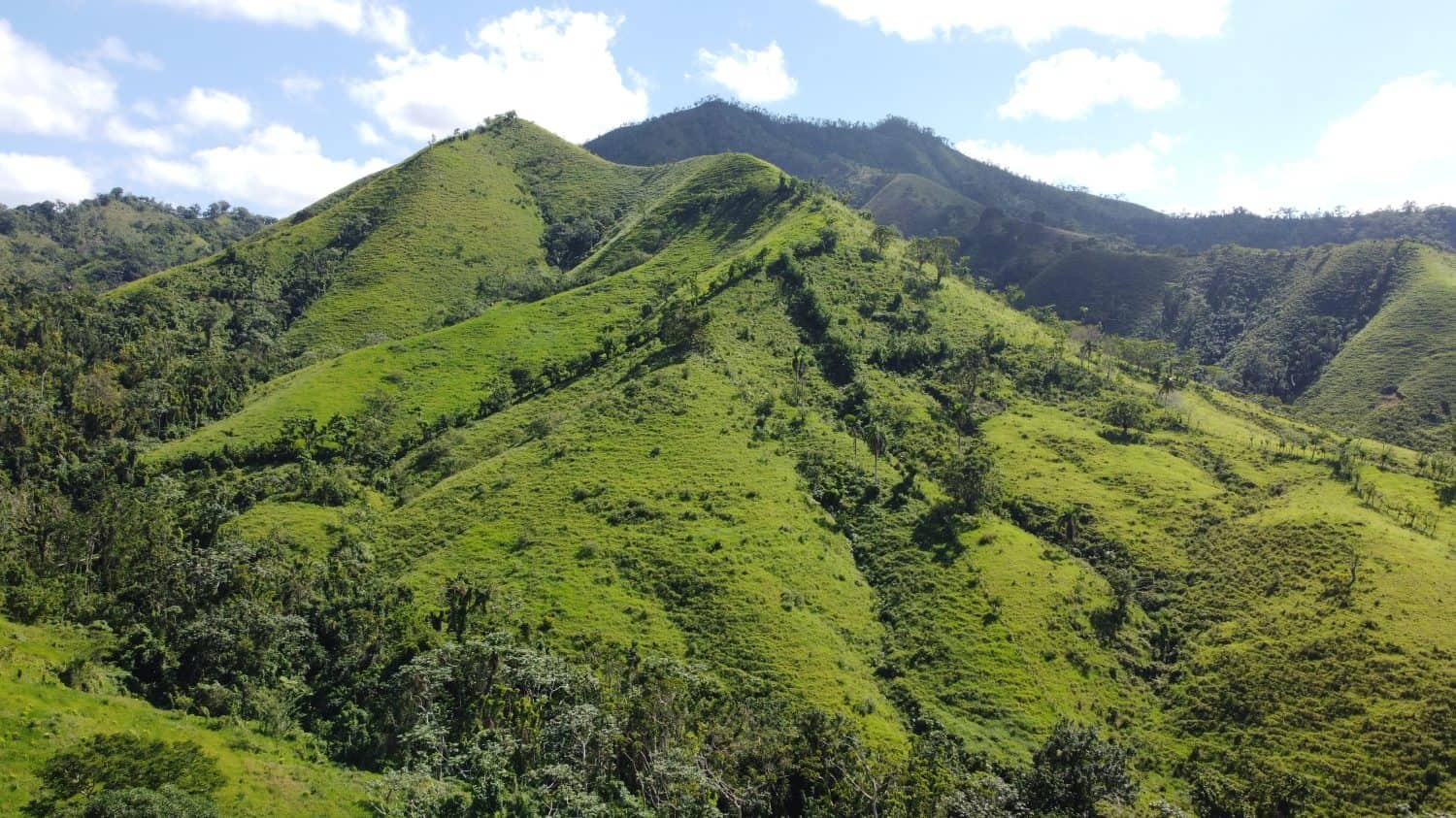
The cloud forests of the Dominican Republic feature considerable insect biodiversity, including the newly discovered click beetle species Lissomus arawak.
©Ramon D. Cruz/Shutterstock.com
Countries in the Caribbean like the Dominican Republic have remarkable insect biodiversity. These creatures, however, remain understudied. This lack of knowledge regarding the Dominican Republic’s insects prompted the targeted initiative: Distribución y Biodiversidad de Grupos de Insectos Seleccionados de la República Dominicana. Started in 2021, this project seeks to catalogue as many of the country’s insects as possible. Field expeditions led by researchers like Jiri Hodecek and Jiri Pirkl have netted some surprising and extensive finds across nature reserves and montane mesic forests.
Despite such biodiversity, the Dominican Republic (Hispaniola) features increasing habitat modification and land-use changes. Quick thinking and study, however, have resulted in the discovery of nearly 20 new species across multiple orders. Such discoveries include new species of dermestids, longhorned beetles, wasps, and ichneumonid wasps. This initiative highlights the growing need to catalogue Caribbean insect life before species unknown to science go extinct.
The newest addition to the species catalogue is a type of click beetle. It has unique features, a small size, and now a name that honors local traditions. Let’s learn more about it and how researchers found it in the cloud forests that define the higher altitudes of the Dominican Republic.
Regional Relations
As part of the aforementioned survey of Dominican Republic insects, Paul J. Johnson of South Dakota State University and Jiri Hodecek of SHIFT (CURML) in Lausanne discovered a new species of click beetle. They found specimens of this species at three sites in cloud forest and montane broadleaf habitats between 600 and 700 meters in altitude. More specifically, they found the specimens near the Sierra de Bahoruco and in the Cordillera Septentrional.
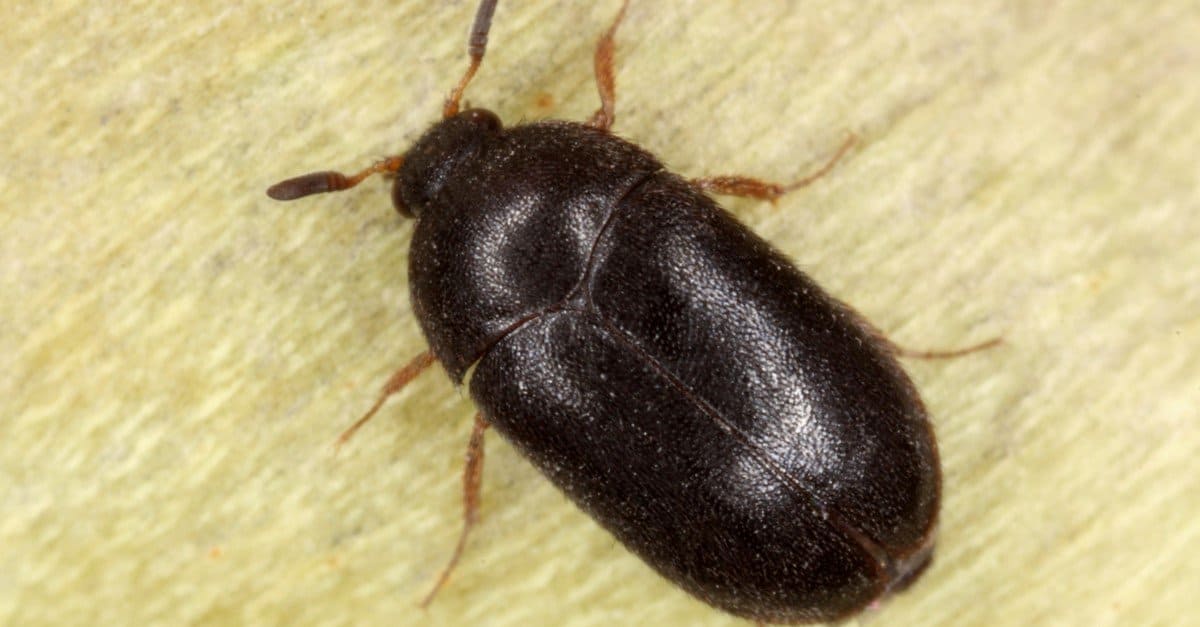
The click beetle stands out thanks to its glossy black, nearly hairless body, and contrasting pale-yellow antennal segments. This discovery marks the third species of the genus Lissomus found in Hispaniola. It is also the third species of Lissomus recorded anywhere in the Greater Antilles. Interestingly, this new species is structurally closer to species from Central and northern South America. This suggests that the new species did not entirely descend from a single colonisation event. While the researchers caution this notion is only a hypothesis, it is possible that ancestors of this newly discovered species reached the Greater Antilles on at least two separate occasions.
All five specimens, collected between 1985 and 2024, are female. As the researchers explained, “With such a small sample, chance and the opportunistic nature of the collecting are probably the simplest explanation [and do] not seriously weaken our confidence that L. arawak is distinct. All five females share a consistent and unique combination of morphological characters.”
Lissomus Arawak
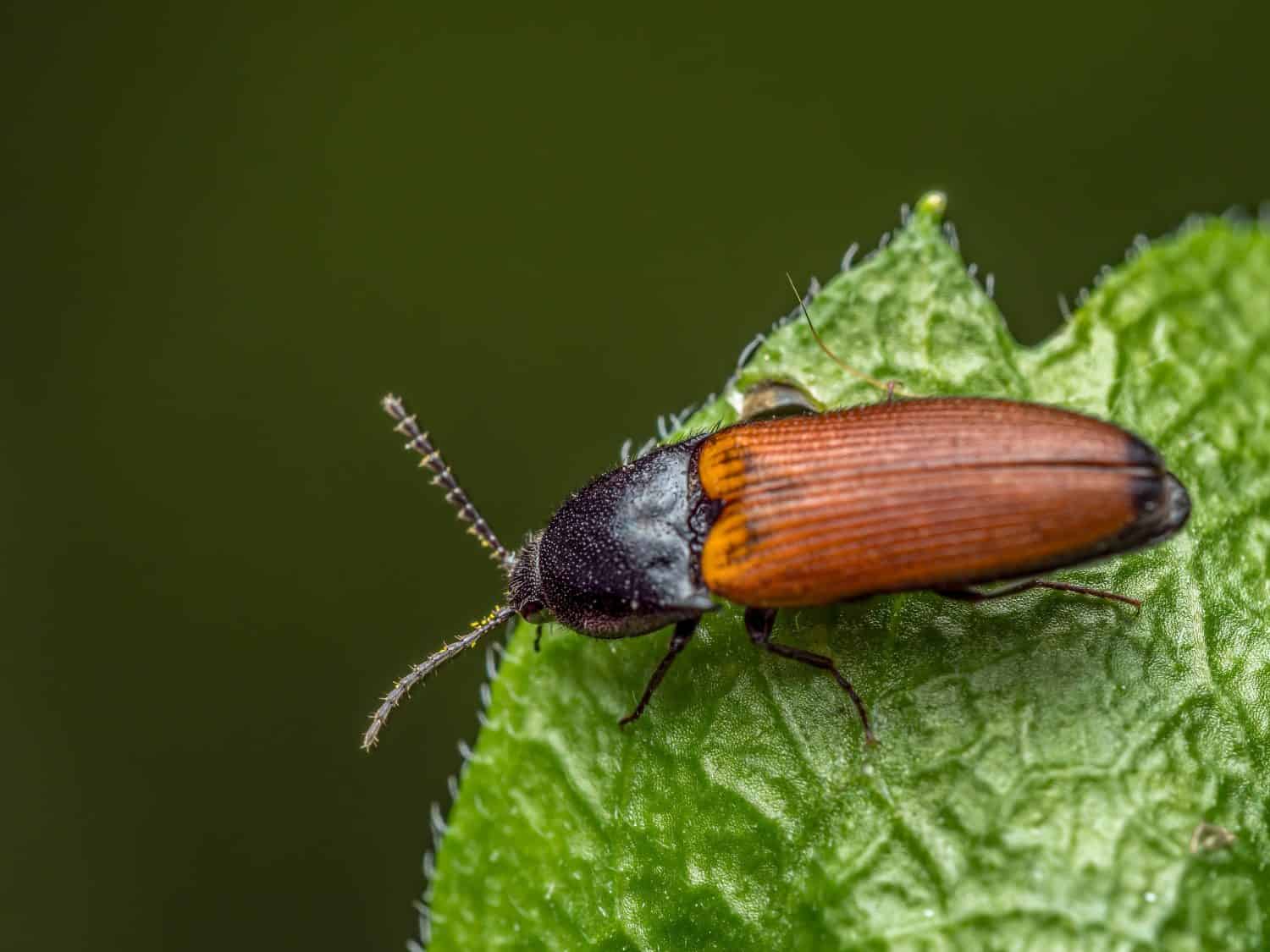
Researchers believe that at least 15 click beetle species await discovery in the Dominican Republic alone.
©pryzmat/Shutterstock.com
Scientists named this newly discovered click beetle, which is under a centimeter long, in honor of the Dominican Republic’s first inhabitants. As the researchers explained, “We chose the name Arawak to recognize the Indigenous history and continuing cultural heritage of the Antilles. We wanted the name of this distinctive endemic species to connect the biological history of the island with its human history.”
This discovery serves as further proof of the estimated species waiting to be discovered in the high-altitude forests of the island. In fact, researchers believe that at least 15 further click beetle species await discovery and description in the Dominican Republic alone.
While habitats are changing on the island at an increasing rate, initiatives like the one that uncovered this new species are helping to catalogue all of the island’s insects before it’s too late.