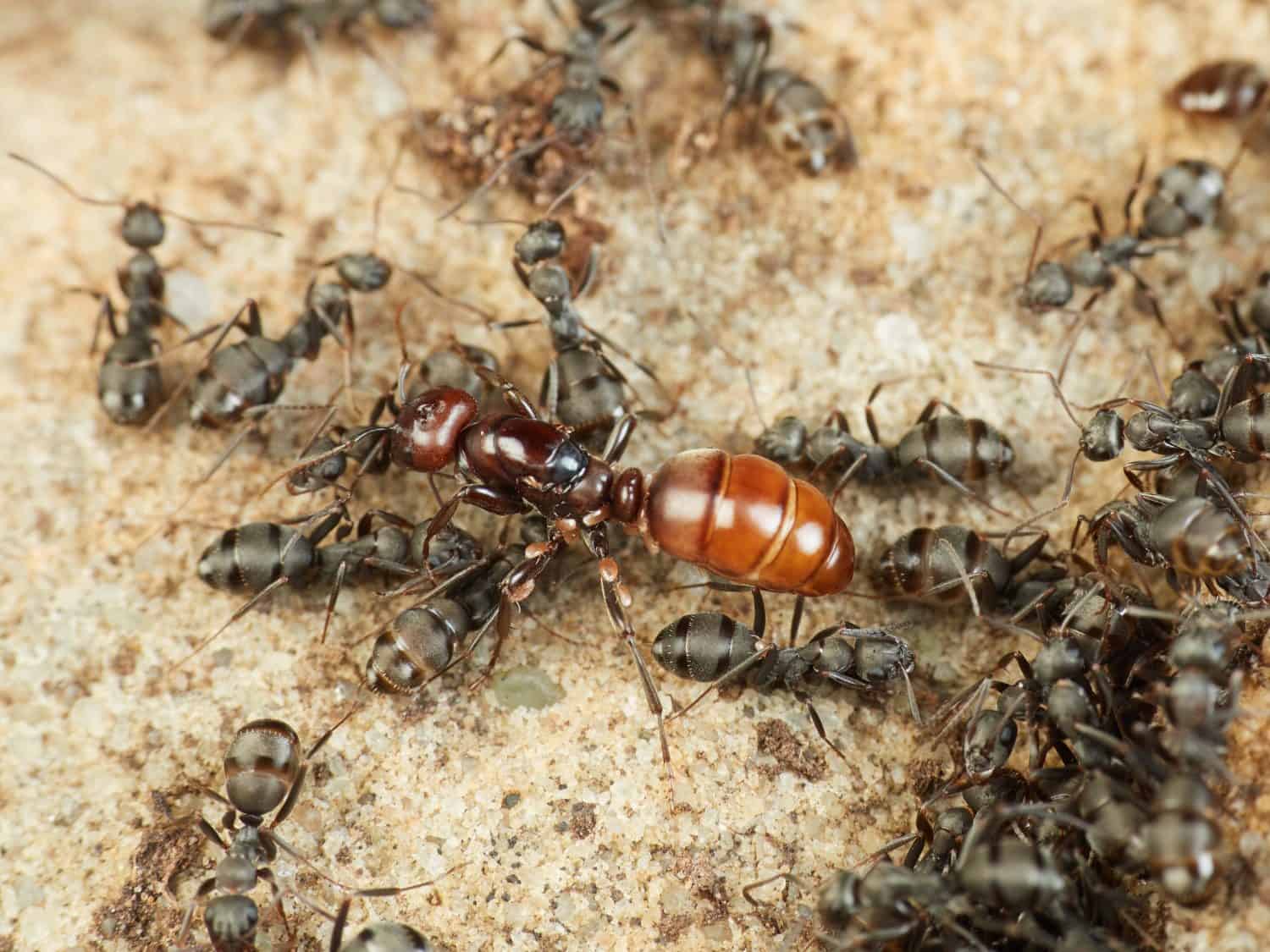

Quick Take
- An ant species evolved so specialized for warfare that it literally lost the ability to feed itself, and its survival strategy turns out to be stranger than you would expect. Meet the obligate raider →
- Kidnapped ant larvae grow up serving a completely different species, never knowing they're prisoners. The mechanism behind this is eerily effective. See how raids work →
- A virgin queen's takeover of a rival colony involves deception, assassination, and chemical trickery. The whole process only works because of one critical vulnerability. Follow the queen's takeover →
- The line between captor and captive in this species is far blurrier than it sounds, a reality that challenges the whole notion of who's really in control. Explore the blurred lines →
The Ancient Spartans focused so much on their military that they outright banned their citizens from farming. For sustenance, they relied on the helots — a subjugated local population from Laconia and Messenia — to work the land as a permanent serf class under Spartan control. Remarkably, there are parallels to these ancient communities in the animal kingdom. Polyergus breviceps is a species of ant that raids the nests of other ants to steal their pupae, which eventually become a slave-worker class for the Polyergus.
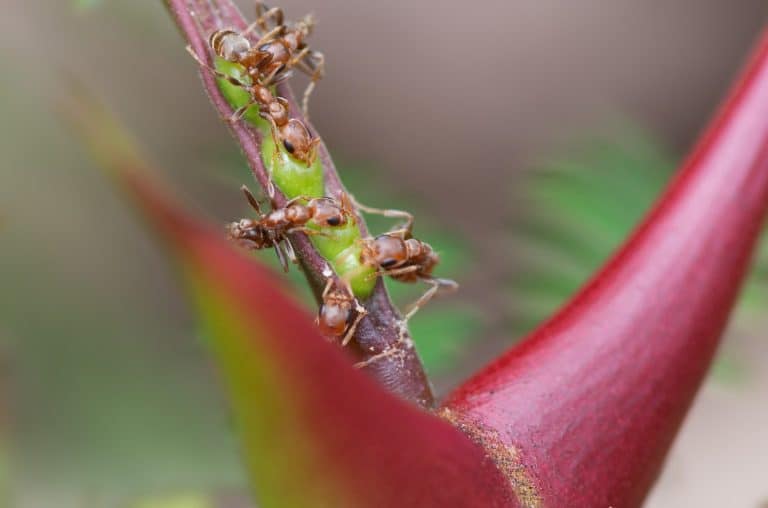
This means that Polyergus breviceps outsources virtually all work, including foraging for food, cleaning their nests, and even feeding their young. Yet this behavior is not unique to Polyergus breviceps. At least 681 plant species and 113 ant species are known to form symbiotic relationships with one another. Polyergus, however, is one of the only social parasite ant species with queens that can take over other nests and start brand new colonies. Let’s learn more about this unique species and how it evolved.
Polyergus Breviceps
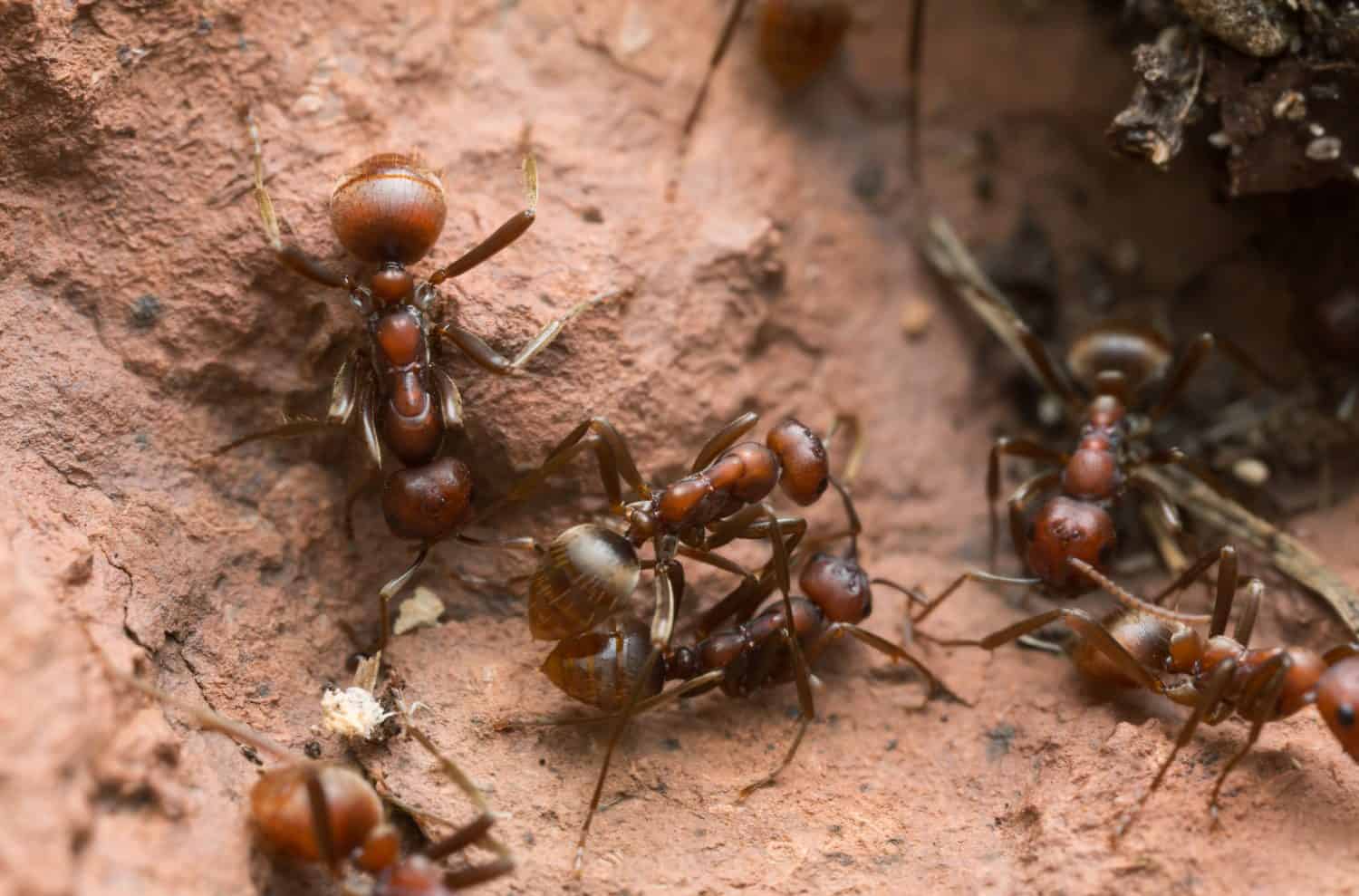
This species of ant can’t forage for its own food, so it stages raids on other nests to steal their young and turn them into a workforce.
©Henrik Larsson/Shutterstock.com
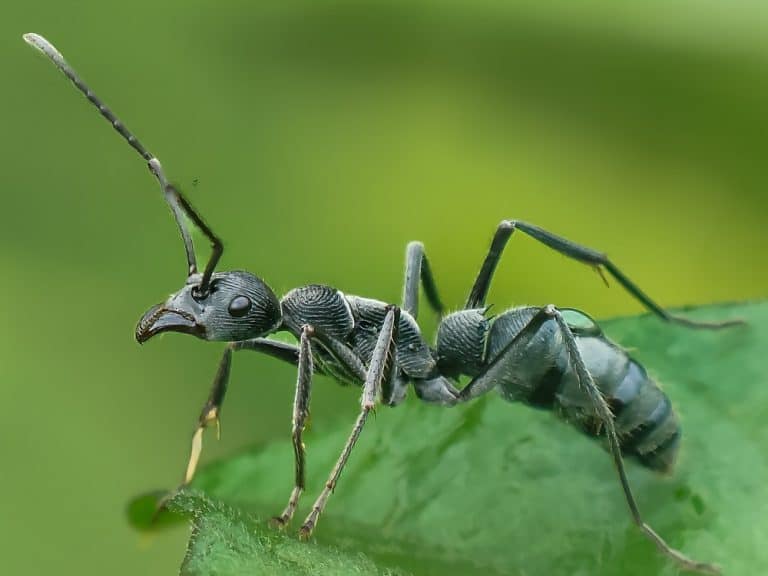
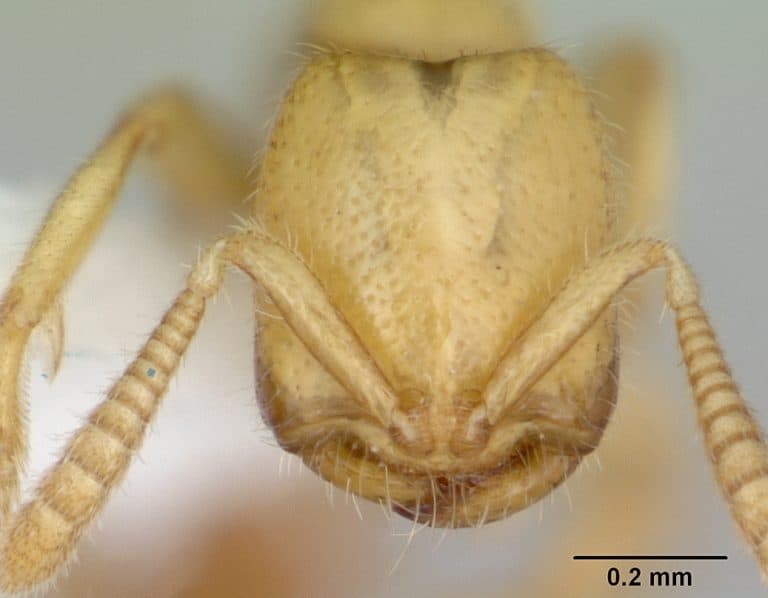
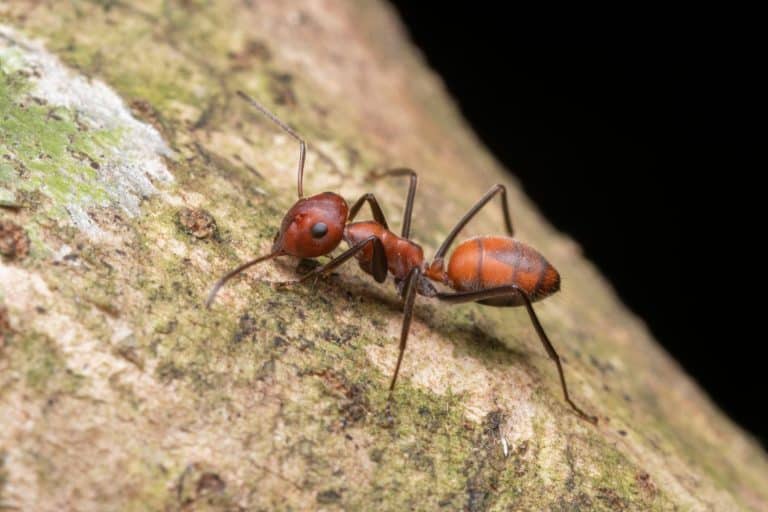
Polyergus breviceps is a species of ant endemic to the United States. Typically, they are found in different woodland and grassland habitats. They have a vivid orange coloration and unique physical attributes. It seems that this species evolved particularly for fighting, as they have sickle-shaped mandibles that excel at combat.
The problem with this adaptation, however, is that it took precedence over practically everything else. While Polyergus breviceps can fight, they can’t do much of anything else. They are sedentary most of the time, filling their days with grooming and resting. They outsource all their work to other species by force.
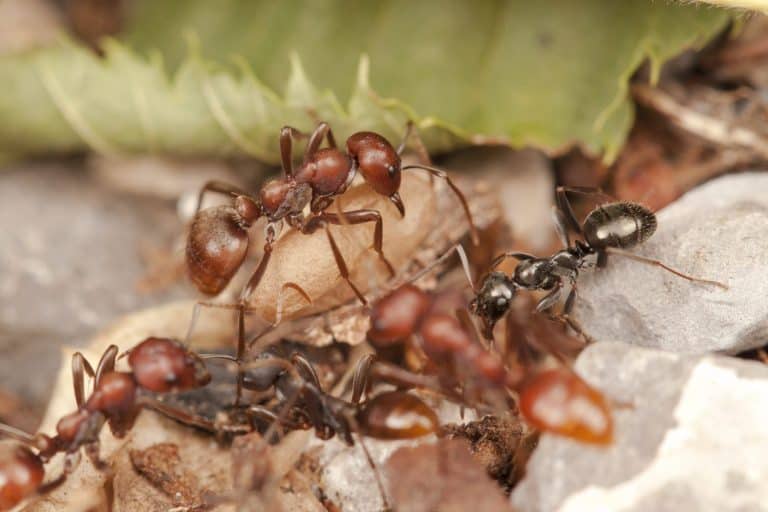
This species engages in dulosis, a specific type of brood parasitism. At well-chosen times, these ants stage raids on the nests of other ant species like Formica gnava. They effectively kidnap larvae and pupae and bring them back to their own nest.
Staging the Raids
Usually during the late afternoon, Polyergus breviceps ants follow workers from the Formica species back to their colony. If they find a suitable nest, they release pheromones that direct thousands of raiders toward the target. While some Polyergus ants fight off defenders, others specifically seek out larvae and pupae. They grab them, sometimes thousands at a time, and make a mad dash back to their own nests.
Almost like changelings from folklore, these larvae grow up unaware that they are actually prisoners and an entirely different species. The kidnapped ants become imprinted with the pheromones of their new nest and assume roles within the community. Upon maturity, the Formica slaves truly become their captors’ workforce. While Polyergus breviceps rest, the slaves execute all essential tasks: they feed the adults, care for the young, clean the nest, and even feed the queen.
Queen’s Gambit
The queen engages in trickery of her own. She locates an isolated worker, follows it back to its nest, and kills its queen. Either through chemical mimicry or attack, she acquires the new colony’s scent and takes over, enforcing her mandate through pheromones.
Soon enough, the resident workers accept the imposter queen as their own. They start feeding her, unaware that they are also feeding a new generation of Polyergus breviceps. They go on to raise the Polyergus young. Thus, the cycle begins again; Polyergus workers stage another raid to restock the colony with workers.
Human Concepts, Natural Necessity
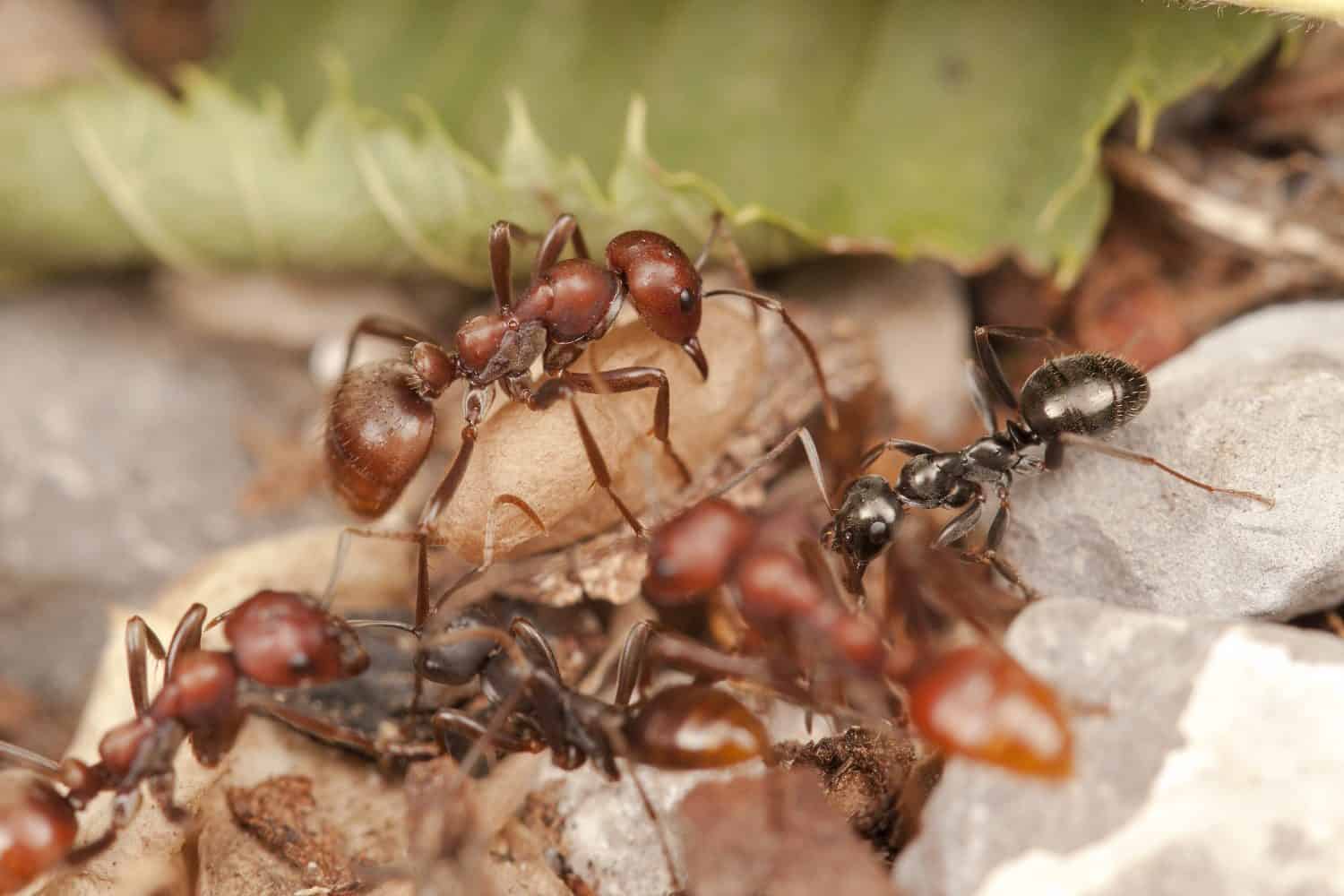
This species of ant raids other colonies and uses them for workers because they lost the ability to feed or forage for themselves.
©Pavel Krasensky/Shutterstock.com
While we’ve used human terms like slaves and raiding to describe the behavior of Polyergus breviceps, this species doesn’t have much choice. They evolved over millions of years to function this way; they have large mandibles for fighting but literally cannot forage or feed themselves.