
Quick Take
- Vaccinating wild animals is considered 'usually impractical and likely impossible,' so what makes officials believe they can pull it off with these penguins? See why this species works →
- The entire operation runs under cover of darkness, built around one predictable penguin habit. That habit is the only reason 5,000 vaccinations are even possible. See the nightly operation →
- One penguin on Phillip Island has already died from H5N1, a single death that may signal the entire program launched too late. Read the timing concerns →
- Even a fully successful vaccination campaign won't do what most people assume, and officials have been unusually candid in explaining why. See what vaccination can't prevent →
The world’s smallest penguin is under a big threat. For little penguins, Eudyptula minor, who call Phillip Island off the southeast coast of Australia home, an invasion of highly contagious bird flu is putting their colonies in danger.
Australia is fighting back to protect the small birds. Wildlife officials plan to catch and vaccinate more than 5,000 wild penguins by hand – twice each.
How Do You Vaccinate Thousands of Wild Penguins?
Wildlife officials from the state of Victoria are planning the world’s largest vaccination program targeting wild birds. With the introduction of the dangerous H5N1 strain of bird flu now present in little penguin colonies on both Phillip Island and St. Kilda, time is running out.
Each little penguin will require two separate doses to be fully protected, meaning each penguin will need to be captured twice. Each bird will also be microchipped so officials can keep track of which penguin received which injection.
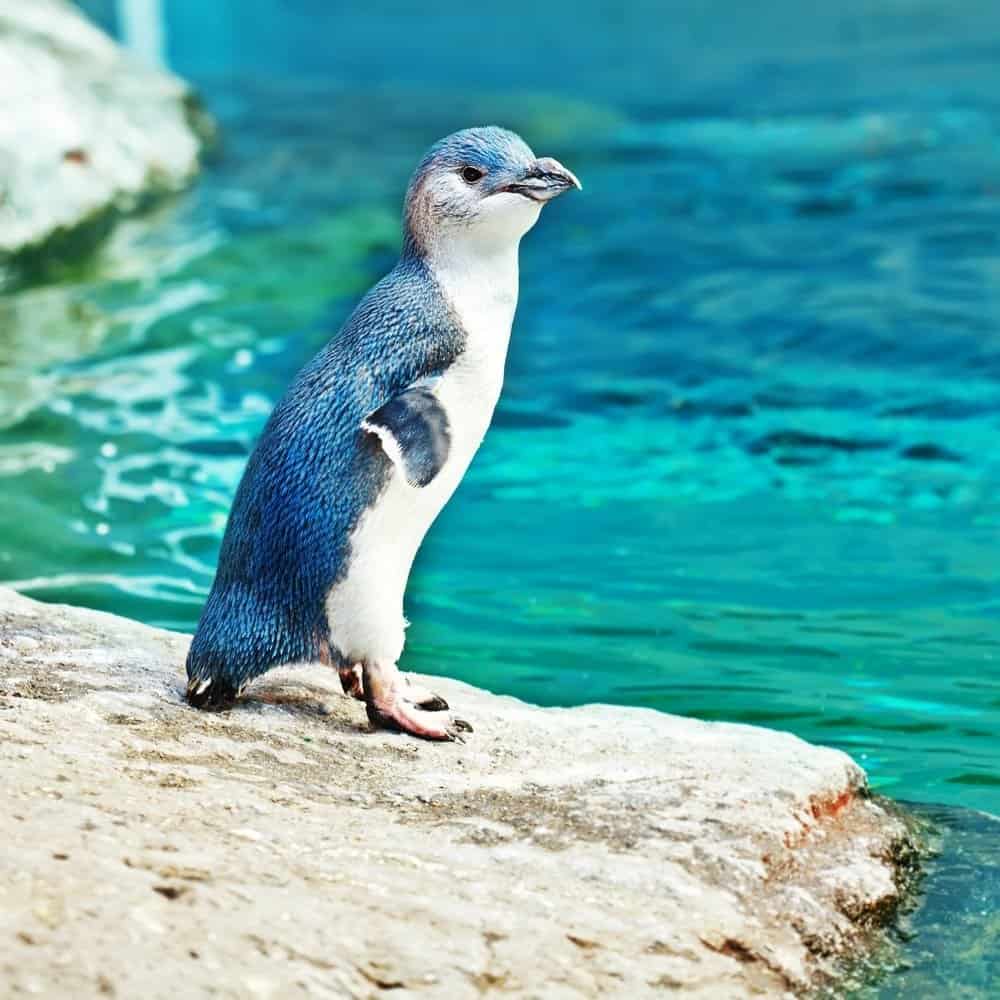
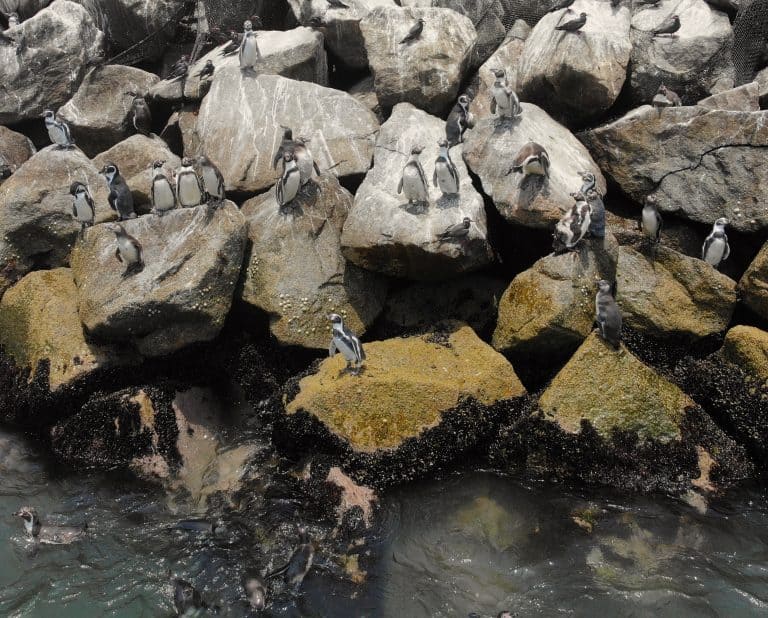
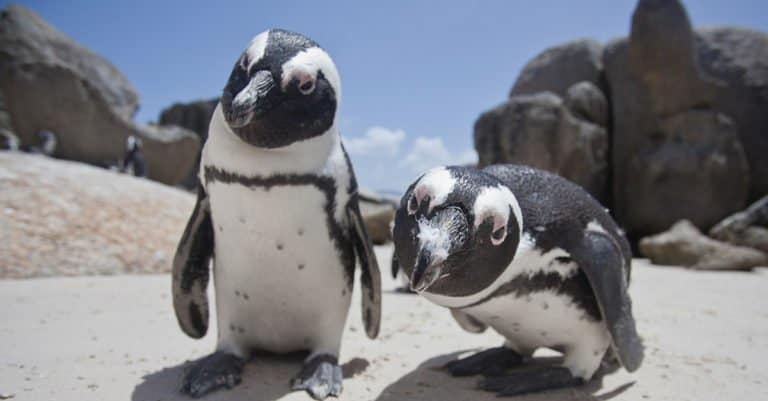
Little penguins are the target of a mass vaccination effort in Australia.
©Khoroshunova Olga/Shutterstock.com
So far, the Australian government has secured about 1,500 doses of the needed medication, and more are expected. The rollout is expected to take several weeks.
Once the program goes live, it will be a night operation. Officials will need to round up the penguins as the small animals return from their daily hunting trips at sea. They come back each day around sunset. Once they’re in the designated holding area, each penguin will be given a shot, chipped, and released to their burrows.
Discover Little Penguins
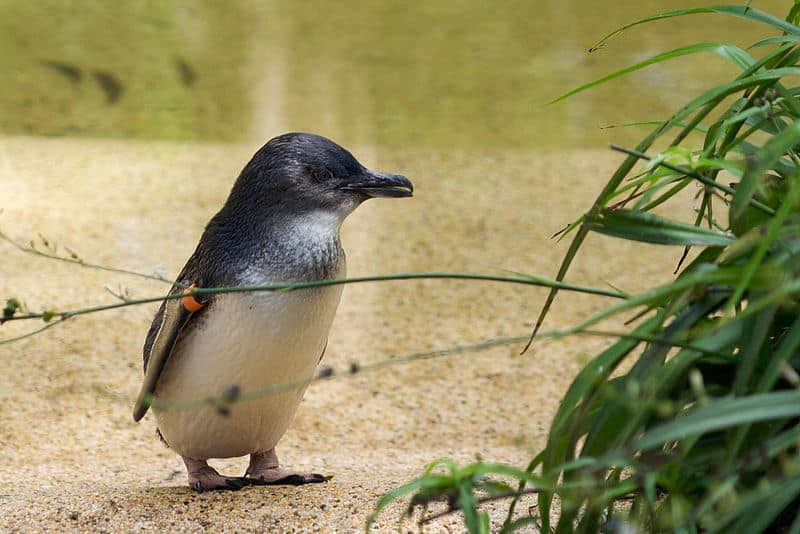
Little penguins are about 30 cm tall and weigh around 1.5 kg. They are often called “fairy penguins” because of their diminutive size and appearance.
They typically live along the southern coast of Western Australia, South Australia, Victoria, and New South Wales. They are also found in New Zealand and the Australian island of Tasmania.
Populations are under threat due to invasive predators like foxes and cats. They also face dangers like roads and overfishing. Bird flu is the latest threat for these tiny penguins.
Why Little Penguins Are the Right Species for This Effort
Vaccinating wild animals is usually a very hard task. Chief biodiversity officer James Todd told ABC News, this approach is “usually impractical and likely impossible for wild animals.” However, little penguins are different.
They live in close colonies and reliably return to their burrows each evening. They also can’t fly. This makes catching the same penguins easier than it would be with other species.
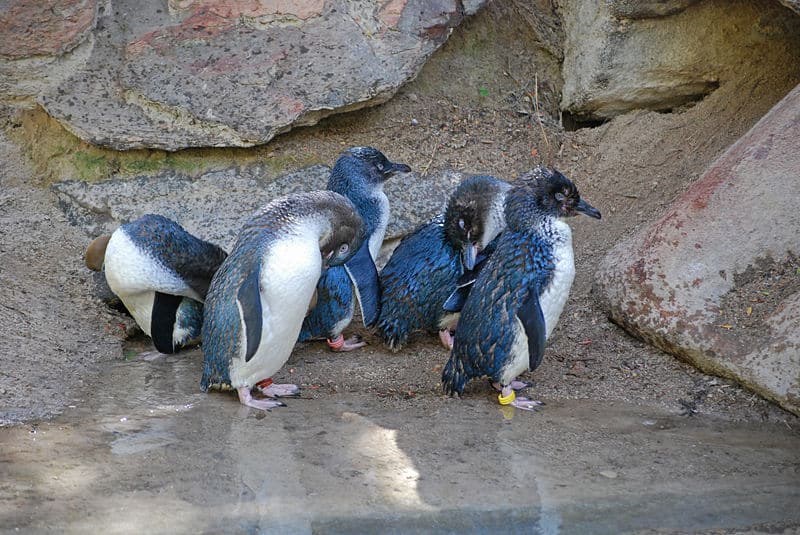
Little penguins return to the same burrows every evening at sunset.
©Tanya Dropbear / Creative Commons – Original
It also helps that Phillip Island is a haven for penguin watching. Each year hundreds of thousands of people flock to the island to watch the nightly return of little penguins to their burrows. Wildlife officials call it the “penguin parade,” when the birds follow predictable movement patterns and pay little attention to humans.
This allows the wildlife officials to work with the birds quickly, causing minimal stress. That would not be the case with other species.
Why Vaccination Matters
Phillip Island alone is home to around 40,000 little penguins, while the St. Kilda colony numbers approximately 1,400. The Phillip Island birds form the largest little penguin colony in the world.
In May 2025, the Australian government released a modeling report that showed what an H5N1 infection could do to the large colonies. The report estimated that a “worst-case scenario” would be that between 8,000 and 16,000 little penguins could die from the virus on Phillips Island alone.
Beyond the conservation impact, there are also significant tourism considerations. The colony supports large numbers of tourists each year who visit the island specifically to watch the “penguin parade.” One local tour operator told ABC News that about 40 percent of his business came from penguin tourism. A loss of the colony could result in a significant loss of tourism revenue.
But officials are quick to point out that vaccinated all the little penguins isn’t a guarantee they won’t get sick. At most, it is a tool to reduce the impact of H5N1. It will not eliminate the risk entirely.
Is It Already Too Late?
So far, one little penguin on Phillip Island has already died from H5N1. That happened just days before the vaccine program began. The May 2025 modeling report noted that if the birds are vaccinated after the infection is already present in the colony, it would “likely be too late to prevent major deaths.”
Jack Gough of the Invasive Species Council, an Australian non-profit advocacy group that focuses on preventing and managing invasive plants, animals, and pathogens, believes that Phillip Island is probably the most prepared place in Australia, but also cautions that the rollout should have started sooner.
“Really, this is something we should’ve been doing a year ago,” he told ABC NewsT.
The Impact on Other Wildlife
Across Australia, other states are expected to pursue bird flu vaccines for their own important species in the future. Victoria State is already considering whether to add other vulnerable bird species already in captivity to the vaccination program.
Wildlife officials note that the H5N1 virus has already adversely impacted large numbers of seabirds and seals in other areas, like Argentina. They caution that Australia may face similar outcomes if the virus is allowed to spread unchecked.