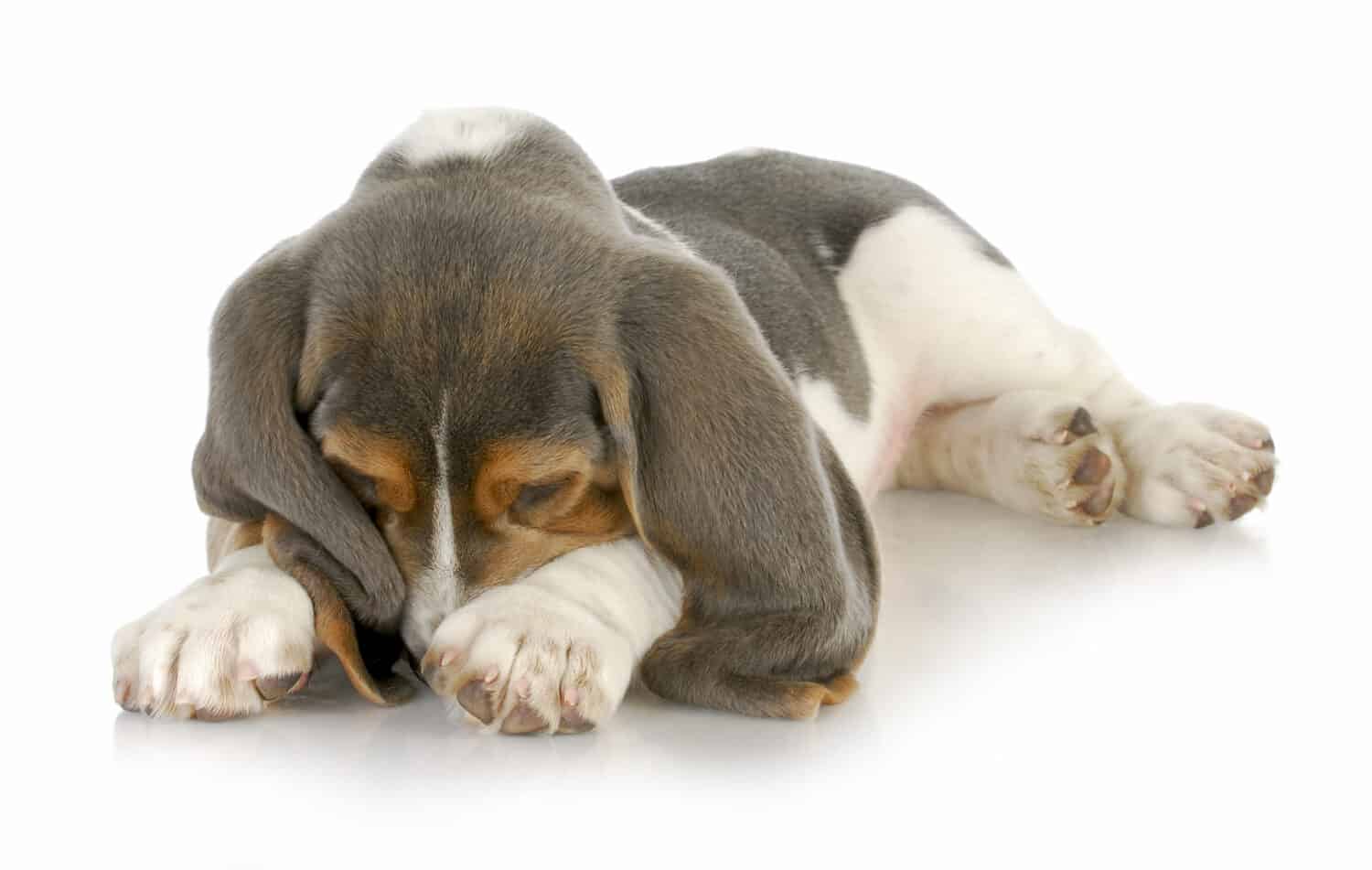

Basset hounds are best known for their adorably short legs and long ears. While originally bred as hunting dogs, most owners of basset hounds keep them as pets. They are a relatively inactive breed, making them a good choice for laidback families.
That said, owning a basset hound puppy is still a huge commitment. It’s important you know exactly what to expect before you purchase a puppy and arm yourself with the appropriate knowledge to raise your puppy correctly.
In this article, we’ll look at everything you need to know about these adorable canines and how to care for them.
Cost of a Basset Hound Puppy
Basset hounds are not one of the more expensive breeds out there. However, they can still cost a lot over time. Budgeting properly for their needs and understanding exactly how much you can expect to pay is important.
The cost of the basset hound puppy itself typically ranges between $600 to $1,200. Some dogs may cost even more than this if they come from exceptional bloodlines. While this cost may seem high, professional breeders provide a lot of services, such as getting the puppy their first round of shots and beginning house training. Furthermore, they often do health testing on the parents before breeding to ensure the puppies are as healthy as possible.
Therefore, purchasing from a quality breeder may be more expensive, but it is worth it.
You also have to consider other costs associated with owning a basset hound. These puppies will need quite a few things right off the bat, such as a crate, bed, and food bowl. You’ll also need to purchase dog food for the rest of your puppy’s life. All of this can add up to a few hundred dollars in immediate expenses and thousands over the dog’s lifetime.
Veterinary care is also incredibly expensive, but it is absolutely necessary for your dog to thrive. Puppies need to visit the vet several times within the first year to get their vaccinations and check on their growth. After that, yearly checkups are needed, at the very least. Emergency care for illnesses and injuries can be incredibly expensive, as well. Plus, you never know when they are going to happen.
Finding a Reputable Basset Hound Breeder
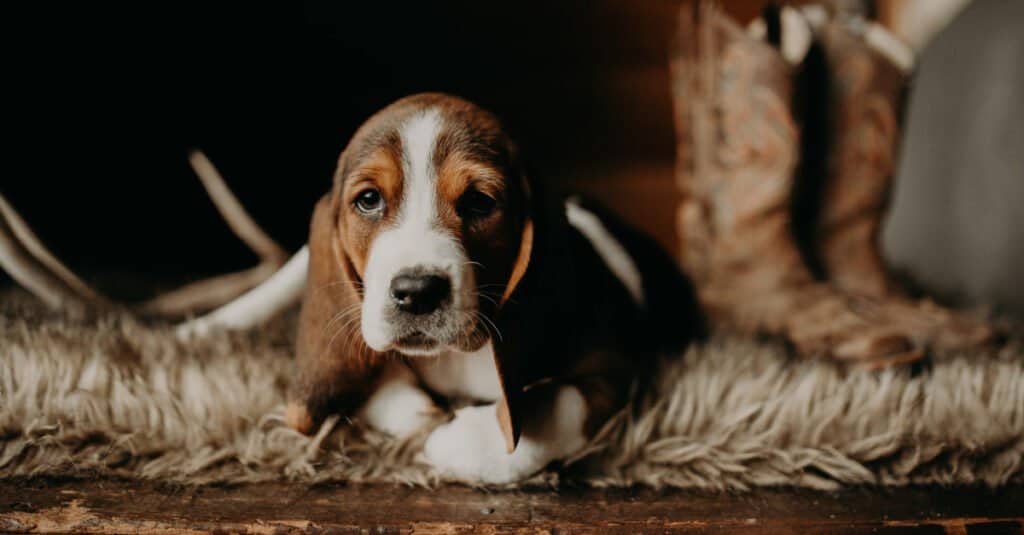
Bassett hounds make for a great family pet because of their demeanor with children.
©iStock.com/Jessica Nystrom
If you’ve decided to take on the financial commitment of a basset hound puppy, it’s time to find a reputable breeder.
Your first step should be to find any breeders in your area. You can do a quick Google search for this information and head over to the AKC marketplace, where breeders advertise their puppies. You can also look for basset hound clubs, which often have a list of recommended breeders on their website.
As you look at each breeder, take the time to determine if the breeder has any obvious warning signs. You should be able to find out about the breeders’ practices pretty easily, including the health tests they run on their dogs and what’s included in a puppy’s purchase. Most breeders will have a form for you to fill out and may ask you questions about where you live and what want in a dog. If a breeder doesn’t ask these questions, it may be a warning sign.
Questions to Ask a Basset Hound Breeder
You can then contact the breeders you’re interested in and ask questions about their puppies. Be sure to ask about health information, including the tests they do before breeding and the health care they give to the puppy. Ask if you’ll get a copy of the puppy’s vet records upon purchase (if you don’t, that’s a huge red flag).
Also, ask about living conditions. Are the puppies in a home or somewhere else? How many dogs does the breeder have, and how many litters do they have at a time? Many breeders specialize in two or three breeds. If a breeder does more than that, it may be a red flag. Puppy mills tend to produce many different kinds of dogs.
You should absolutely travel to a breeder’s place of operation and meet the puppy’s parents, if at all possible. See where the parents spend time and what their temperament is like. This meeting does give you some idea of how your puppy might grow up. The most important reason is to ensure the dogs are being taken care of.
Preparing for a Basset Hound Puppy
Before your puppy even walks in the door, there are many things you need to do to prepare for your puppy’s arrival.
You should start by puppy-proofing your home. Puppies tend to get into everything, so it’s important not to eliminate anything that may hurt them, like chemicals and electrical cords. Small objects can also be a choking hazard. Create a safe place where you can leave your dog unattended confidently. You don’t necessarily need to puppy-proof your whole house, but you do need to puppy-proof the area where your dog will spend most of their time.
You’ll also need to stock up on everything your canine needs before you bring home your puppy. Quality food and something to eat that food out of is essential. You should also purchase a small bed and a crate, which can be very helpful for house training. All puppies benefit from toys, including chew toys, to help with teething. Don’t forget a collar and leash, as well.
Consider how you’ll house-train your dog and when feeding times will be. Have some basic routine in mind before picking up your dog so that you can get started on the right foot. You may have to change it to meet the needs of your particular puppy, but that’s much better than if you start from scratch. Take a look at local training opportunities, too. Puppy classes are highly recommended, as they can help with socialization and basic training.
You’ll also want to pick out a vet and possibly even make your puppy’s first appointment. In many cases, your puppy will need a check-up a few days after you adopt them.
Basset Hound Puppy Growth and Milestones
©MirasWonderland/Shutterstock.com
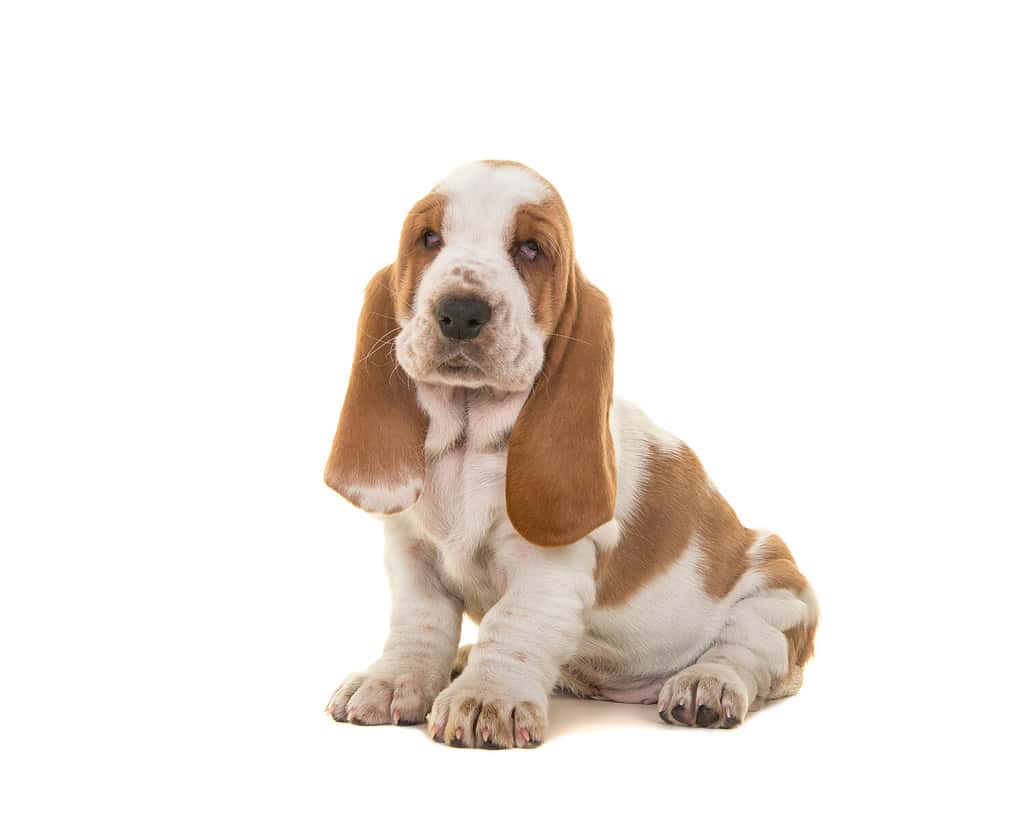
While these dogs start out very cute and adorable, they don’t stay that way for long. It doesn’t take much time for these puppies to grow and start becoming more independent.
Basset hound puppies remain firmly in the puppy stage until after six months. During this time, your dog will benefit from socialization and basic training. They will also lose their baby teeth.
However, basset hounds reach adolescence at around six months old. They may become more energetic and go through an independent streak. Training and socialization should continue to be emphasized, though many dogs are slow in their progress around this period.
Around a year, basset hounds will begin calming down somewhat. They’re already rather calm dogs, but you may find they’re more willing to listen at this point, opening the door for more advanced training.
Feed your dog puppy food until they stop growing, which can vary a bit. Because these dogs are smaller, they don’t take as long to grow as some bigger breeds, and they don’t have to eat puppy food for quite as long, either.
Provide several small, frequent meals when your dog is younger. Because they are so small as puppies, they may have a harder time regulating their blood sugar. Frequent meals can help. Once your dog has reached adulthood, you can lower their meals to only twice a day.
Of course, your dog’s weight should be monitored to ensure proper growth. You don’t want your dog gaining weight too quickly, as this may lead to a range of health issues.
Basset Hound Puppy Health
Basset hound puppies are generally pretty healthy. However, there are some health issues that can occur when they’re puppies or that may be caused by things that occur in puppyhood. Don’t assume your dog is safe just because they are younger.
Like many dogs with long backs, basset hounds are prone to back issues. These problems are made worse by overexercising, jumping, using stairs, and being overweight. All of these things can be adjusted in puppyhood to ensure your dog’s back and joint health lasts for many years to come.
Due to the extremely long ears, basset hounds are also prone to ear infections. These infections can occur at any time, including when they are a puppy. Therefore, it’s important to regularly clean and inspect your dog’s ears, even when they are very young.
As we’ve mentioned, these dogs tend to gain weight. Therefore, we also recommend watching their weight carefully, even when they are puppies. They tend to be very food-driven and may eat more than they need to.
Even if your puppy isn’t sick, regular veterinary exams are necessary. These ensure your dog is growing properly and typically involve a series of vaccinations to protect them from some of the more serious canine diseases out there. Your dog will continue needing vaccinations throughout their life, but starting when they are puppies helps ensure they have protection as early as possible.
Your vet may also recommend deworming your puppy, as parasites are very common in smaller puppies. Flea and tick protection is also important at this stage, even if your puppy isn’t having any obvious problems with either.
Grooming
Basset hounds do have some grooming needs, though they are often considered minor compared to other dogs. The biggest requirement is to regularly clean their ears, as they are prone to ear infections. Dirt and debris that get stuck in their ears can lead to infections, so you must clean them out regularly. Never shove anything into your dog’s ear canal, though. Only clean the outside with a larger cotton ball. You can use water or a specialized ear-cleaning solution as necessary.
Stay on the lookout for redness and swelling, too. These may indicate an underlying infection.
Basset hound puppies can also have a lot of skin folds. Moisture and dirt can get stuck in these folds, leading to bacteria growth. In severe cases, your dog may even develop a skin infection. To prevent these issues, we recommend regularly cleaning their skin folds with a dry towel and doing your best to keep them dry.
Like with all dogs, you’ll also need to trim your puppy’s nails regularly. You can either do this at home or have your groomer do it. It’s an easy task to learn how to do it, but it’s important not to cut them too short.
Training and Socializing Your Basset Hound Puppy
If you want your canine to grow into a well-adjusted dog, it’s important that you train and socialize them properly.
You should start with basic commands as soon as you bring your dog home. Eight weeks is not too early to start obedience training. You should start with simple commands like “sit” and “stay.” Puppies may progress slower than an adult dog would. However, it’s important to introduce them to training at an early age so that they can get used to the concept.
You should also start house training right away. Develop a routine before your dog even comes home so that you have a solid plan in place. Praise your dog whenever they go outside properly, and supervise them carefully when outside.
In many cases, you can start leash training at this age, too. At first, this simply involves getting your dog used to the leash. However, with time, you can start actually walking your dog on a leash. Teaching commands like “heel” can prevent your dog from pulling on a leash.
Socialization
Socialization is also extremely important at this age. You want to introduce your dog to as many people and places as you can. This process prevents the dog from becoming fearful later on, which can cause aggression and other issues.
We highly recommend puppy classes, as these can help with both training and socialization. Group classes provide a safe place for your dog to interact with others. However, you shouldn’t rely on them solely for socialization.
When training and socialization, be sure to provide your dog with plenty of praise and treats. Positive reinforcement training is the best way to train your basset hound puppy. Start with providing treats any time your dog completes a hard task, and then slowly wean your dog off of the treats by providing them less and less. Be consistent and patient, as basset hounds aren’t the easiest dogs to train.
Common Challenges
Basset hounds are absolutely adorable. However, it isn’t all rainbows. There are some common challenges that basset hound owners report.
Separation Anxiety
Basset hounds are naturally social dogs. They thrive on human interaction, which can make them great family dogs. However, this can also cause separation anxiety, especially if these dogs aren’t taught to be alone from a young age. Crate training can help with this, as well as simply providing your puppy with time to be alone.
If your dog already has a bit of separation anxiety, you need to slowly build up their tolerance to being alone. You can start with just two minutes and work up from there.
Barking
These puppies can be pretty loud. Basset hounds have a very loud baying bark, which can easily travel through walls and be heard by neighbors. Sadly, it’s also very hard to train these dogs not to be loud. Therefore, despite being small and not terribly energetic, these dogs aren’t always the best for apartment living.
Early training can help with these barking tendencies a bit, though. We highly recommend teaching the “quiet” command as early as possible.
Stubborn
While these dogs are human-oriented and friendly, they can also be very stubborn – like most hounds. Therefore, training is a challenge. Often, these dogs know what you want them to do, but that doesn’t mean that they’re going to do it.
It’s important to start training early and continue to train your dog throughout their life. Consistency and patience are key, especially when you’re training a basset hound puppy.