Quick Take
- Millions of animals were moved out of bulldozers' way, and nobody checked what happened next. See the missing follow-up →
- Researchers built a four-step scorecard for relocation success. Few animals made it far up the ladder. View the four-tier scorecard →
- Even relocations done purely to save a species stumbled. Two factors seemed to separate the better efforts. See how conservation moves fared →
- One scientist says a popular conservation fix may be the wrong tool. What does she propose instead? Read Winand's alternative →
Humanity’s relationship to the natural world and the wildlife it contains is one of contradiction. We seek to protect the natural world, but we also seek to expand, evolve, and develop our civilization to its maximum extent. For centuries, even well into the modern era, many people simply didn’t know or care how human activity affected the environment. However, in recent decades, we have started to grasp just how much of an effect we have on our world.
In the past, construction projects simply mowed over creatures. Now, at least, people attempt to relocate animals in the crossfire to safer regions. The latest research, however, suggests that animal relocation away from construction sites has little benefit for the animals in question. A review of relevant projects, recently published in Conservation Biology, shows that a mere six percent of amphibian and reptile relocations tied to development could be considered successful. That is a striking blow to an increasingly popular conservation strategy. Let’s learn what this means for future attempts to protect wildlife overwhelmed by human momentum.
New Monitoring
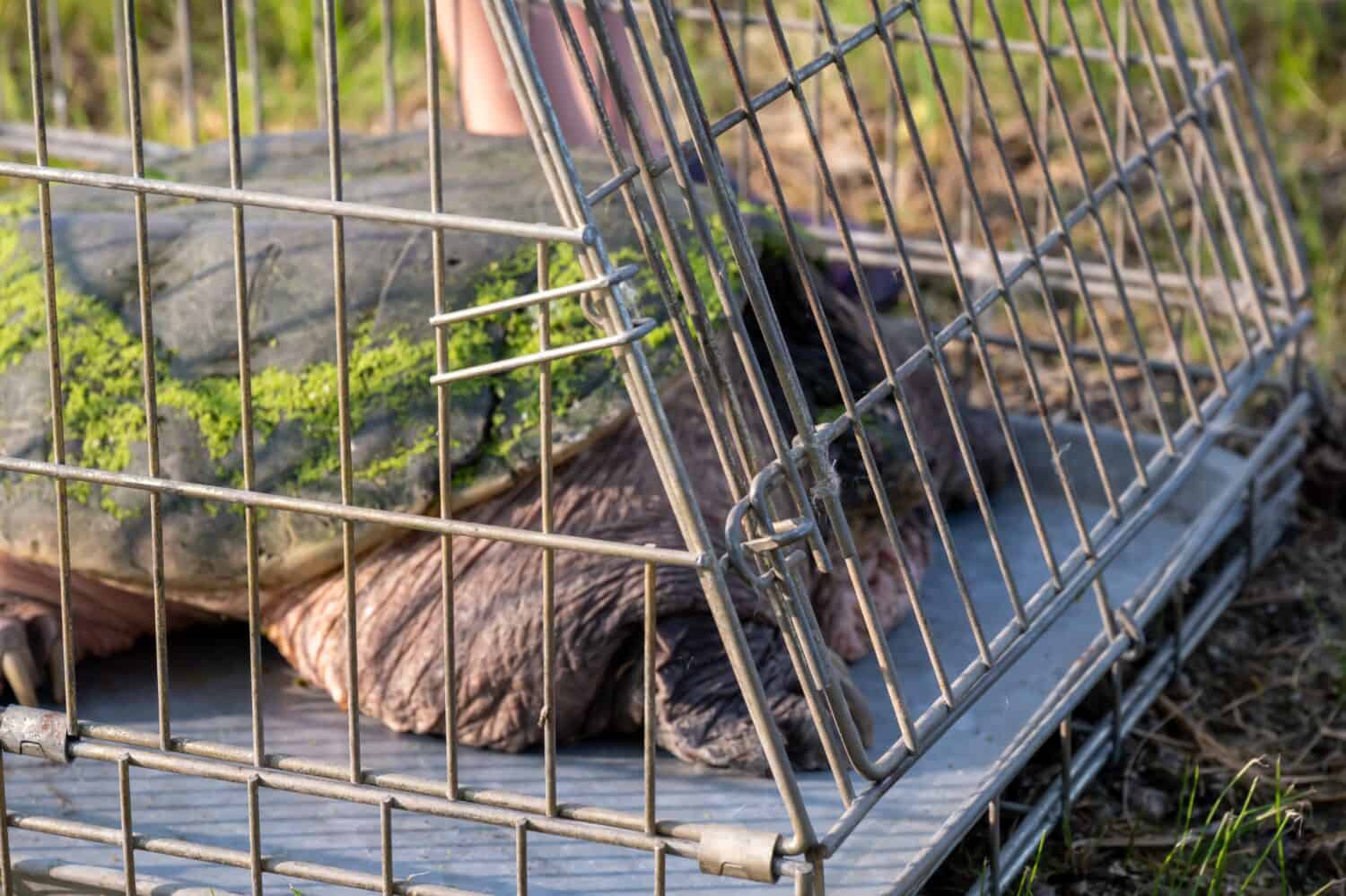
At least 5.1 million amphibians and reptiles were relocated in British Columbia between 2019 and 2022.
©Lost_in_the_Midwest/Shutterstock.com
The beauty of science is that it’s constantly evolving. When new data or information comes to light, previously accepted ideas about how the world works can change. As the human population grows, so does the need for new developments and the construction required to bring them to fruition. An eye towards species protection has made animal relocation an increasingly common strategy for supporting animal welfare during construction.
A 2026 study by several authors investigated the amount of animal relocation happening in the Pacific Northwest. In British Columbia alone, they found that at least 5.1 million amphibians and reptiles faced relocation away from burgeoning developments between 2019 and 2022. The province, however, did not require further monitoring. This meant the fate of those relocated creatures was unknown.
5.1
million
amphibians and reptiles faced relocation in British Columbia between 2019 and 2022, with no required monitoring of their fate
Curious about the actual benefit of these relocation strategies, the same authors responsible for the 2026 study began a new one. Their new study investigated the actual fate of animals once they had been relocated. The results, which were detailed in their paper “Reevaluating the suitability of amphibians and reptiles for translocation,” were surprising, and frankly, sobering.
The Research
The team of scientists looked at different cases from around the world that featured data on the fate of the animals involved. To do so, they scanned 256 separate cases between 2007 and 2023, with most cases concentrated in North America, Europe, Australia, and New Zealand. Almost 70% of these cases involved strict conservation aims, while the rest involved relocating animals away from development and construction sites.
With all these cases in hand, the researchers graded each relocation on a four-tiered performance system. Specifically, the first level featured animals that survived transplant. Level two featured surviving transplants that reproduced after being moved. The third level featured growing populations. The fourth and final level featured cases where transplanted populations achieved long-term survival and viability.
The results, however, were less than ideal. The researchers found that the majority of studied cases failed to reach the higher performance levels. Only 6% of development-related cases managed to reach the third performance level, and none reached the fourth. Furthermore, almost half of all relocation cases failed to reach the first level, meaning that the transplanted animals did not survive the journey.
Unfortunate Findings
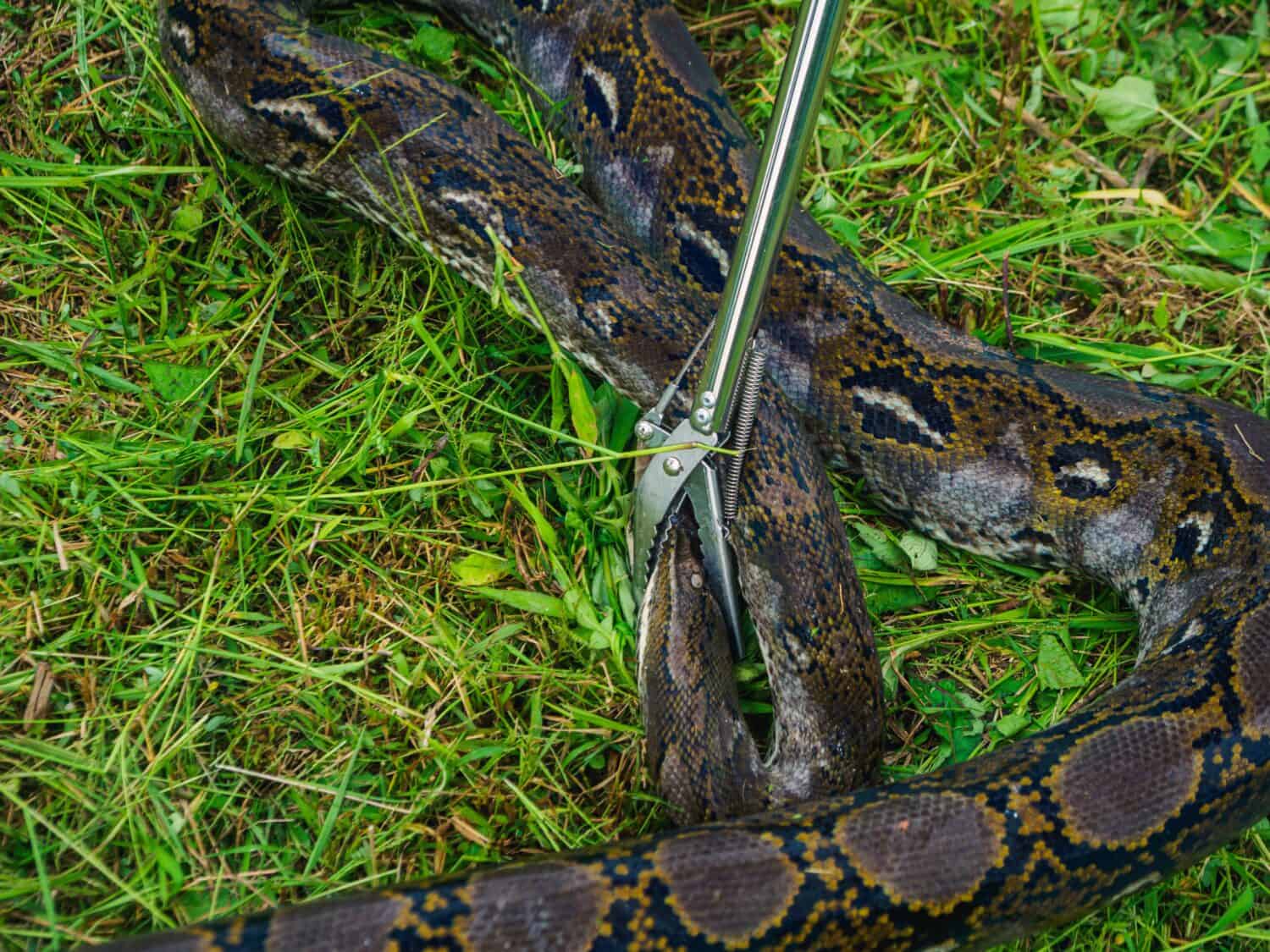
Even conservation-related relocation efforts faced total failure a quarter of the time.
©Abzuraimi/Shutterstock.com
The researchers found that conservation-prompted transplants fared better, but they reached the top two performance levels only 19% of the time. A quarter of these cases faced total failure. According to the researchers, two factors explained the higher success rate. One involved people attempting to remove threats to an animal in its new location. The other involved long-term monitoring of transplanted creatures after they reached their new location.
Lead author and University of British Columbia biologist Megan Winand explained the problem to Anthropocene Magazine. She said, “Without adequate follow-up, we won’t know whether animals survive in their new location, reproduce, or establish a population that can survive over time. Relocated animals may also leave the release sites, encounter new threats, or face difficult habitat conditions.”
That said, the researchers were quick to emphasize that high failure rates of even conservation-related relocations shouldn’t be blamed entirely on the people involved. Instead, the failure rates show just how difficult it is to safely transplant a species and ensure it can survive in a new location long-term. This holds especially true for longer-living species that take considerable time to reproduce. There are ways to improve relocation performance, but it’s often better to avoid destroying a creature’s native habitat in the first place.
We need to prioritize protecting habitat and explore alternatives to current mitigation practices, which this review shows are often failing to achieve meaningful conservation outcomes.
As Winand explained, “We need to prioritize protecting habitat and explore alternatives to current mitigation practices, which this review shows are often failing to achieve meaningful conservation outcomes.”