Quick Take
- The animal responsible for roughly 200 American deaths every year isn't the one people fear, while a predator ends up getting the blame instead. See the death toll comparison →
- A solution that costs absolutely nothing already outperforms wildlife fencing and expensive highway structures, yet 30 states are actively dismantling it. See the zero-cost solution →
- Mountain lions don't chase deer off roads. Instead, they change something far more subtle about deer behavior that drivers never notice. See how behavior shifts →
- There's a specific time of year when your odds of hitting a deer spike dramatically, and most drivers have no idea it's coming. Learn the danger season →
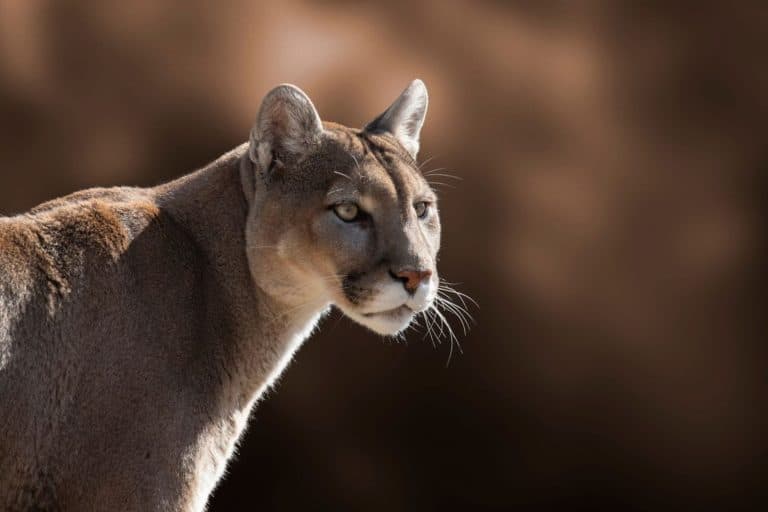
Mountain lions are a necessary part of the ecosystem. They not only control prey populations but also influence their behavior. This has proven beneficial for drivers, as a new study finds that mountain lions are linked to safer roads in California.
Mountain Lions Keep Roads Safer for Drivers
Mountain lions are typically not associated with safety. However, they do not get the credit they deserve, as their mere presence alone saves drivers’ lives.
According to a new study published in Current Biology, mountain lions living in the same habitat as deer deter the deer from entering roadways. This equates to fewer collisions and fewer lives lost.
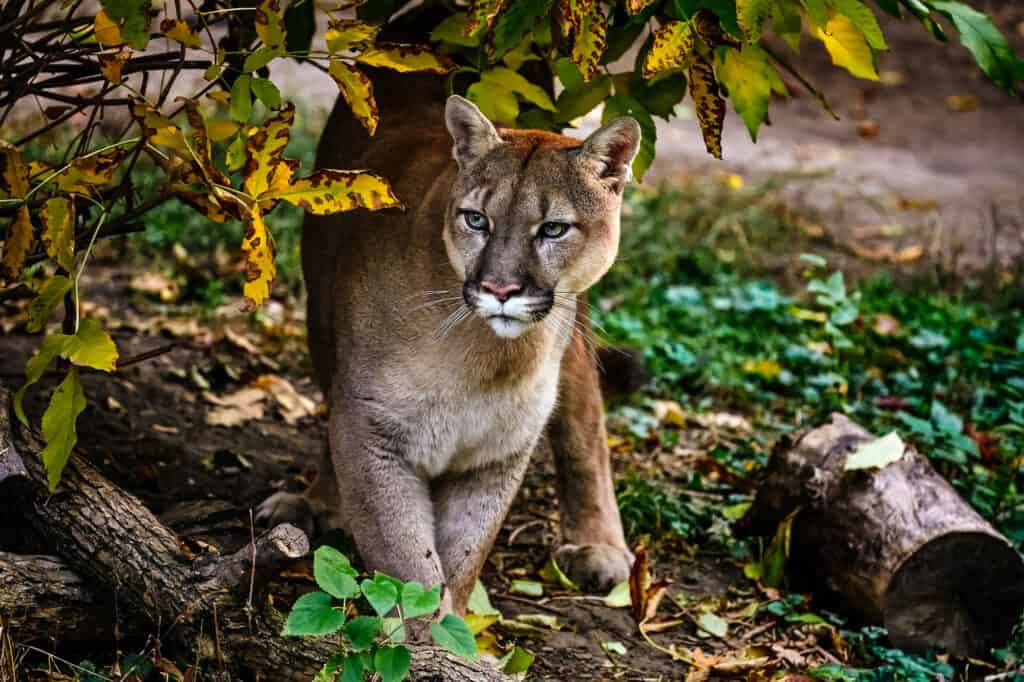
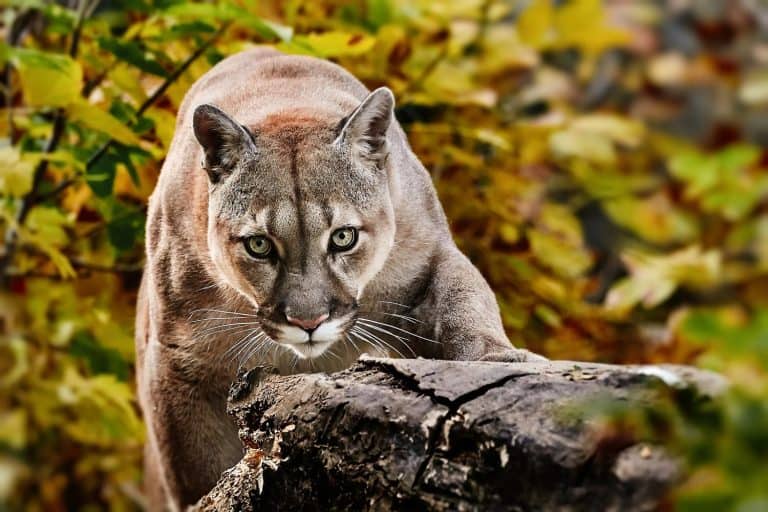
When mountain lions share a habitat with deer, the number of vehicle-deer collisions decreases significantly.
©Evgeniyqw/Shutterstock.com
To determine how mountain lions affected deer behavior, researchers at Conservation Science Partners in Truckee, California, used camera-trap data from 503 cameras and GPS collar data from mountain lions in Washington’s Olympic Peninsula to understand how mountain lions “influenced road safety.” They found that mountain lions completely altered the behavior of deer living in the same habitat.
By altering deer behavior, fewer went toward the roadway. Those that did were more visible. As a result, deer-vehicle collisions decreased by 67%, with an estimated 76% reduction over five years. In places like California, where there are an estimated 100,000 deer-vehicle collisions annually, having mountain lions present could be hugely beneficial.
How Mountain Lion Presence Changes Deer Behavior
It may seem strange that mountain lions sharing a habitat with deer would keep them from running into a roadway. However, to better protect themselves, this is precisely what deer do.
According to the study, deer retreat into the depths of the forest to camouflage themselves from mountain lions. They avoid running out into the roadway, where they have nowhere to hide. This leads to further behavior changes regarding how deer interact with their habitat.

Deer will not only run into deeper regions of the forest when mountain lions are present, but they will also alter their behavior and cross roads during daylight hours rather than at dusk and dawn.
©RedStarImaging/Shutterstock.com
Because mountain lions tend to be more active at dawn and dusk, and in some regions even into the evening, deer shift their activity to daylight hours. This allows drivers more opportunity to see deer and react accordingly, preventing an accident before it starts.
Price of Keeping Mountain Lions Alive Versus Hunting Them
There are currently 30 states that allow mountain lions to be shot or are looking to expand regulations on hunting them. When it comes to saving drivers’ lives, this is both a foolish and costly mistake.

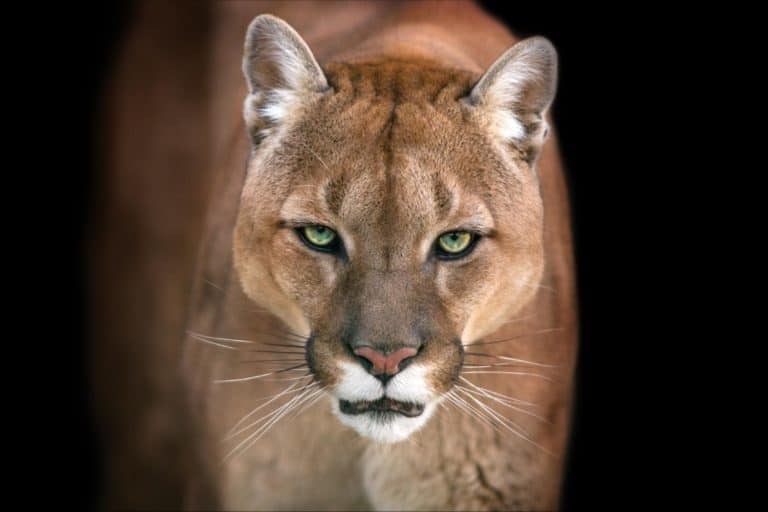
Vehicle collisions with deer decline by 67% when mountain lions share the habitat, and it costs nothing to keep mountain lions alive.
©Evgeniyqw/Shutterstock.com
Each year, insurance companies pay out $10 billion for claims for deer-related car accidents. To help reduce these costs, protections are in place across the United States to keep drivers from colliding with deer. Those protections include:
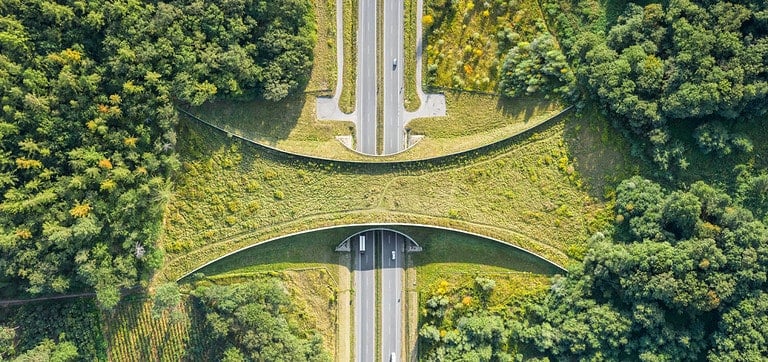
- Deer fencing: Costs $10,000 per mile and reduces collisions by 87%, but only on roadways where the fencing is constructed.
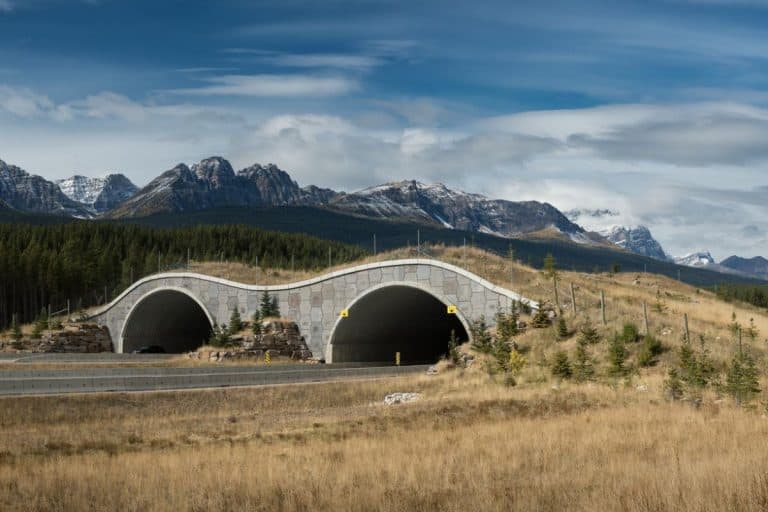
- Wildlife structure: Costs between $150,000 to $600,000 per structure and reduces collisions by 85% to 95% at the crossing juncture.
- Speed reduction campaigns: Unknown cost that reduces collisions by 40% on roads where the campaigns take place
While these protections work, collisions drop by 67% when mountain lions are left alone in their habitat. The price for this reduction? Simply not killing mountain lions.
Why Are Deer Drawn to Roadways?
Deer are drawn to roadways for many reasons. In some locations, deer have become so acclimated to roadway noise that they are oblivious to vehicles. So, what attracts them to roadways?
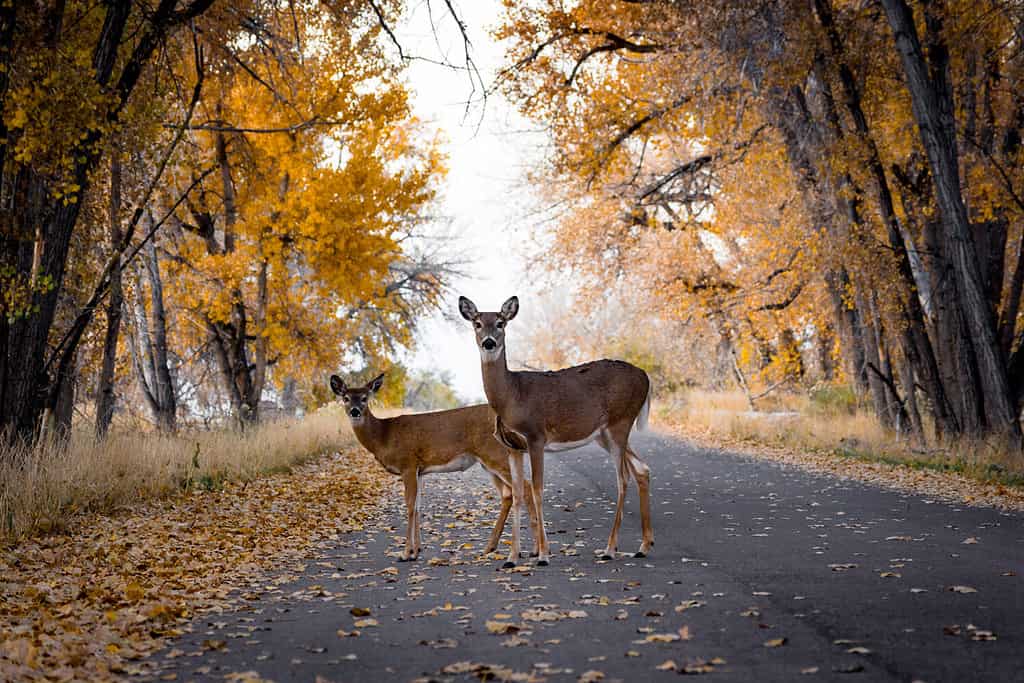
Deer are attracted to roadways because of food availability, habitat fragmentation, access to agricultural land, and salt.
©Sean Thomforde/Shutterstock.com
Roadways are attractive to deer year-round. The reasons why are as follows:
- Food availability: Grasses and shrubs line roadways to prevent erosion. This becomes an easy meal for deer and requires no foraging.
- Habitat fragmentation: As more roadways are built, deer have no choice but to cross roads to move from one side of their habitat to the other. Consequently, deer come into contact with vehicles at a higher rate to the detriment of themselves and drivers.
- Agricultural lands: Roadways often wind directly through agricultural regions. Deer will roam through these areas in search of grains, corn, and soybeans.
- Mineral needs: During winter, when salt is thrown on roadways to melt snow, deer are attracted to it. The salt provides them with missing minerals, but it also puts them directly in the line of traffic.
While deer never seek out cars, things like food, salt, and the need to move through a fragmented habitat bring them to roadways. This is why mountain lions are a necessity, not only to help keep deer populations in control but to keep them as far from roadways as possible.
Human Fatalities Suffered from Deer Versus Mountain Lions
People fear encounters with mountain lions far more than with deer. While mountain lions are seen as vicious predators, deer are seen as harmless. However, deer are far more deadly to humans than mountain lions.
Each year, there are roughly 200 deaths attributed to deer in the United States alone. Nearly all of these deaths are due to motor vehicle collisions. Compare that statistic with mountain lion attacks: there have been fewer than 30 in North America over the last century. This is less than one fatality per year, with some statistics stating it is one fatality every five years.
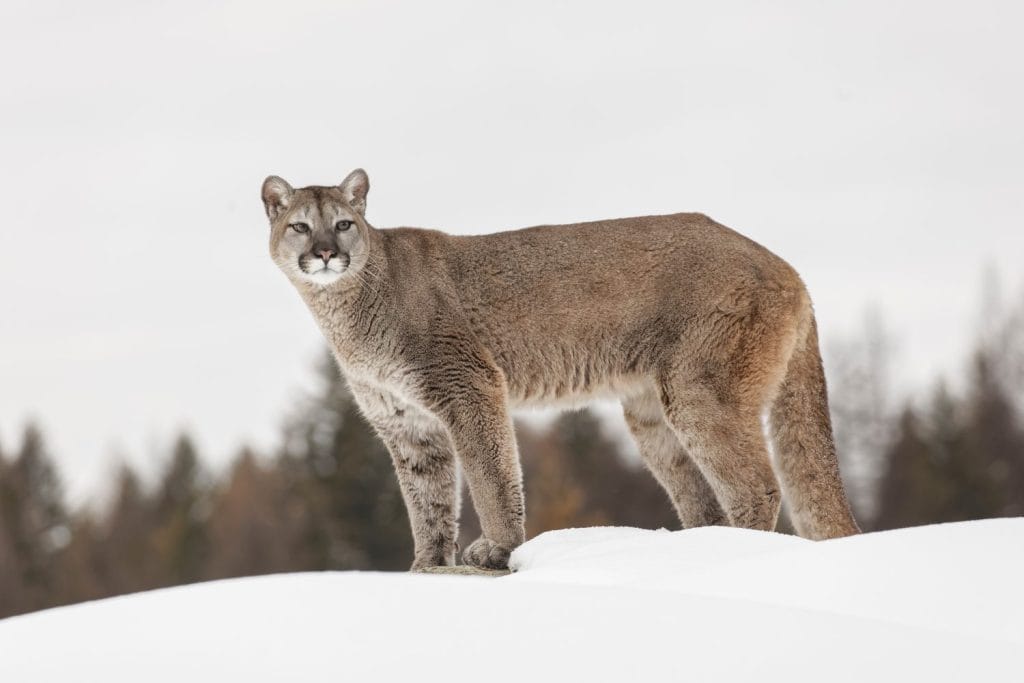
There are 200 vehicle-deer related deaths annually, versus less than one death per year due to mountain lion attacks.
©Danita Delimont/Shutterstock.com
While being face-to-face with a mountain lion is significantly more frightening than coming across a deer, the innocent, doe-eyed animals are far more likely to lead to fatal interactions with humans. Perhaps this means that mountain lions should be more appreciated for the service their presence provides.
How to Reduce Deer Motor Vehicle Collisions
Even if mountain lions share the same habitat as deer, a car crash involving one of these majestic, horned animals is still possible. Fortunately, there are ways to reduce the odds and keep both deer and people safe.
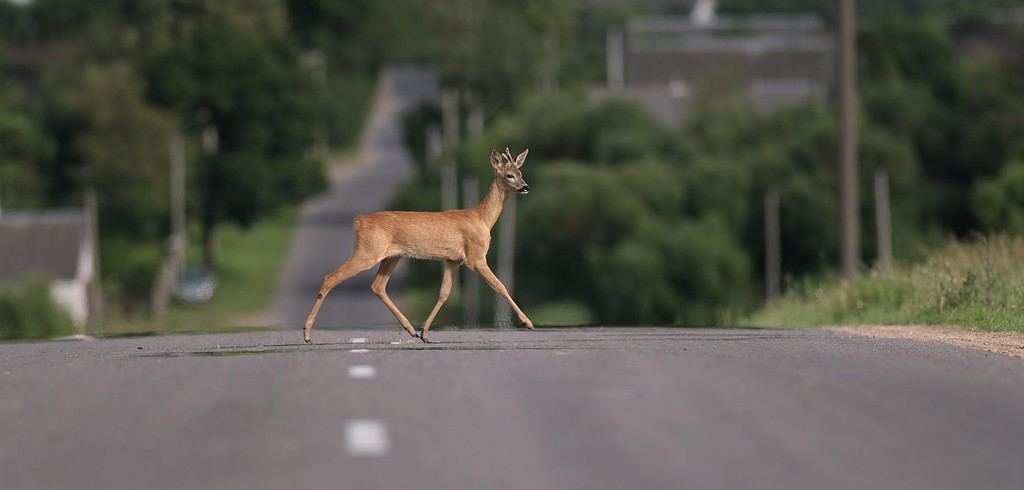
By staying aware, scanning both sides of the road, using high beams, and avoiding distractions, drivers can further reduce vehicle-deer collisions.
©gorid photo/Shutterstock.com
The ways to prevent motor vehicle collisions with deer include:
- Remain especially aware of deer between dawn and dusk, when they tend to be most active
- Pay extra attention on roadways with less traffic, such as in rural areas, farmlands, or roads near water, that have more deer activity
- Consistently scan both sides of the roadway
- Use high beams when driving to better spot deer in the roadway
- Do not drive distracted
- If more than one lane is available, drive in the center-most lane to allow for more reaction time
Between October and December, deer are in their mating season. This means they tend to be more active near roadways. Use extra caution while driving during these months to help prevent collisions. A little extra awareness could save the life of the deer and those behind the wheel.