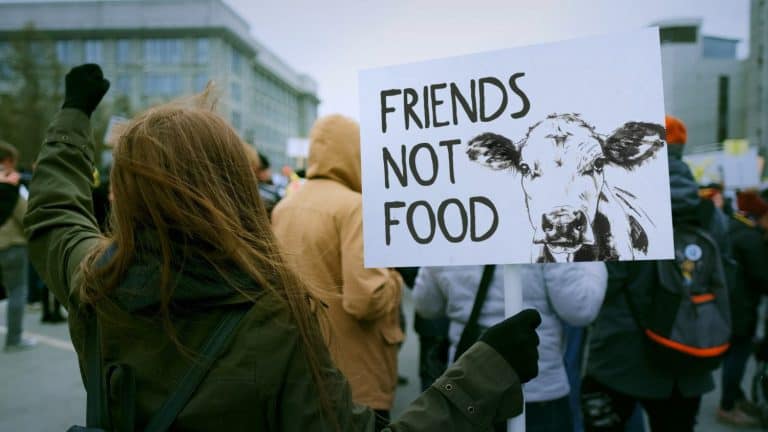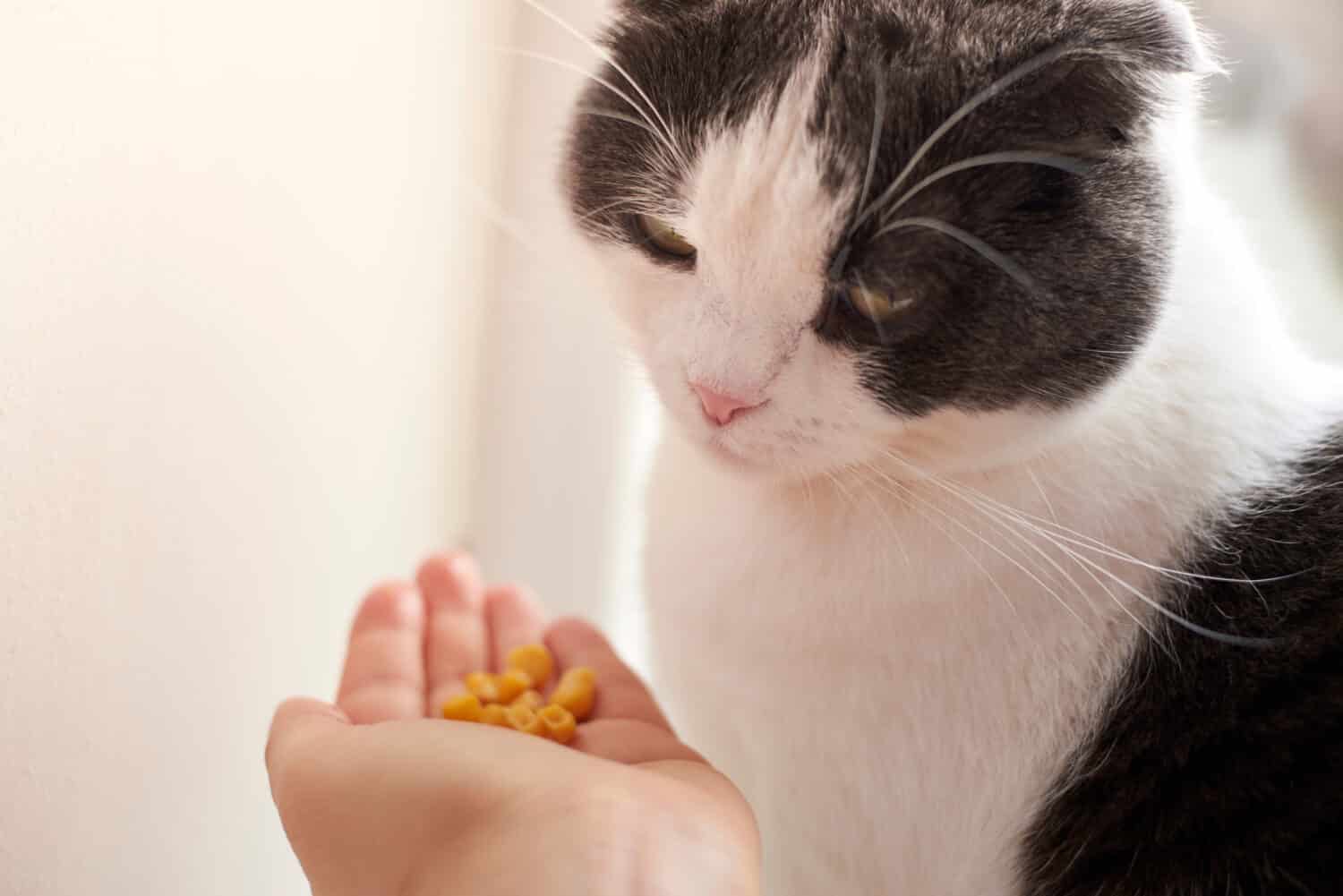

In a recent poll of eating habits, one percent of Americans stated that they were vegans. Plant-based meat substitute food products are more widely available than ever and this together with environmental and ethical concerns is likely to result in the number of vegans increasing. Vegan pet owners are starting to think about their four-legged friend’s diet and some are exploring whether dogs and cats can stay healthy if they don’t eat animal products. The consensus is currently that dogs can thrive on a vegan diet if great care is taken to balance their nutrition. So, can cats be vegan? There is no such consensus on this issue and opinion is divided. Here we look at the current evidence and opinion on whether cats can be vegan. However, you must speak to a qualified vet before you make any significant changes to your cat’s diet.
What Is a Vegan Diet?
A vegan diet is sometimes described as an extension of vegetarianism. Whilst vegetarians do not eat animal flesh, they are often willing to eat animal products such as cheese and butter. A vegan, on the other hand, eats an entirely plant-based diet and does not eat any animal products at all.
What Is a Carnivore?

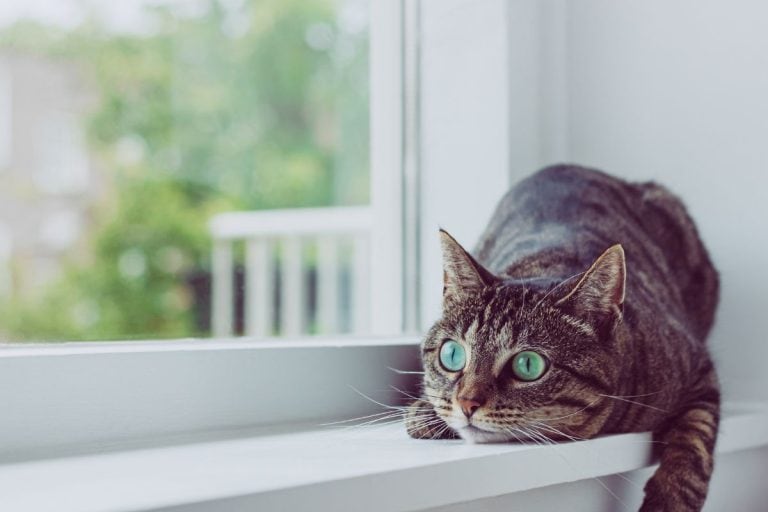
Cats have been considered as obligate carnivores.
©Astrid Gast/Shutterstock.com
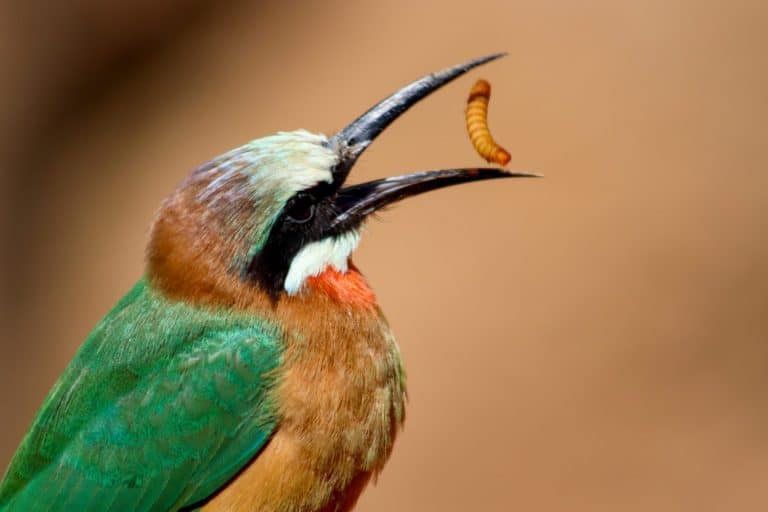
An animal that eats meat is called a carnivore. However, things are a little more complicated than that! A facultative carnivore is an animal that also eats non-animal food. Dogs are considered facultative carnivores. Omnivores are animals that can consume both plants and meat – humans and bears fall into this category. Obligate carnivores have a diet consisting of mainly meat. Lions and tigers are obligate carnivores. Herbivores are animals that eat only plants.
Why Do Cats Need Meat?
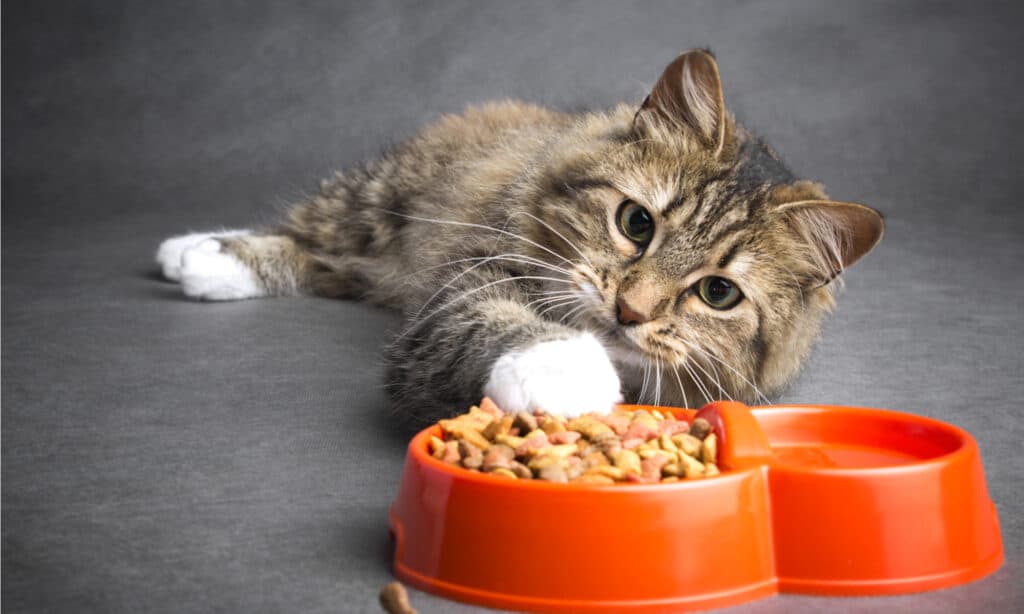
Cat’s bodies have evolved to eat meat.
©fantom_rd/Shutterstock.com
Cats have been considered as obligate carnivores – their bodies have evolved to obtain nutrition from the bodies of other animals. This means that their teeth, gastrointestinal tract, metabolism, and even their sense of taste are all set up to eat meat. Here are some of the main reasons why cats need to eat meat.
Cats Have a Shorter Intestine
A cat’s intestine-to-body length ratio is 4:1 whereas in dogs it is 6:1 so basically dogs have longer intestines. Animals that eat a lot of plants containing fiber have longer intestines because fiber is harder to break down. A cat’s intestine is simply too short to extract nutrients from plants.
Cats Have Pointy Teeth
Herbivores, and to a certain extent omnivores and facultative carnivores, have teeth that can mash up tough plant material. If you have ever looked closely at a dog’s teeth, you will see that their molars (teeth at the back of the mouth) are flatter than a cat’s and they have more of them. A cat’s teeth are pointed and have evolved to sheer pieces of meat, not chew plants.
Cats Can’t Preserve Nitrogen
A cat’s body cannot conserve nitrogen on a low-protein diet like a dog’s can. This is because of how their bodies metabolize urea (molecule containing nitrogen) which is completely different from that seen in dogs.
Cats Do Not Produce Much Amylase
Dogs and cats also have a completely different enzyme profile. These are the special chemicals that the body uses to break down nutrients. For example, a dog’s pancreas can make an enzyme called amylase. This is essential for breaking down the starches found in plants. A cat’s body makes it in much smaller quantities. This is why cats can get diarrhea if they have too much starch in their diet.
Could a Vegan Diet Be Dangerous for Cats?
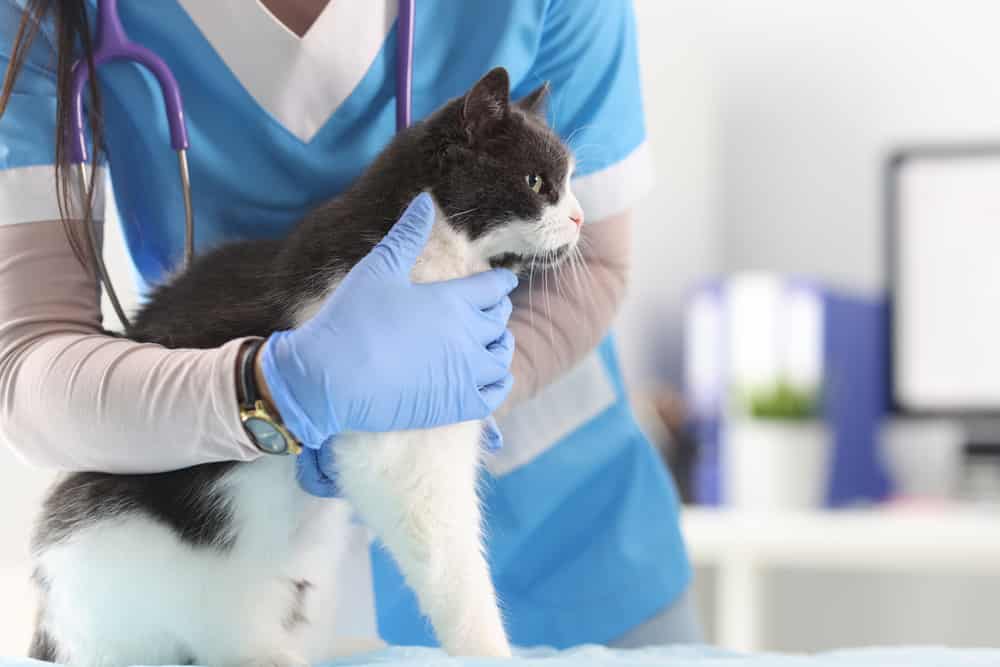
Nutritional deficiencies can make cats ill.
©H_Ko/Shutterstock.com
The bottom line is that if you exclude meat from your cat’s diet you could cause them to suffer from a nutritional deficiency. Cats need twice as much protein as dogs and that is challenging to provide in a vegan diet.
Proteins are made up of smaller building blocks called amino acids. One important example is taurine. A dog’s body can make taurine from other amino acids but cats need it in their diet. Meat contains higher concentrations of taurine than any plant.
There are also concerns that cats fed a vegan diet could suffer from deficiencies in vitamins A, B1, B2, B3, and B12. Deficiencies in cats can cause anything from neurologic problems to weight loss and poor growth.
How Do You Feed a Cat a Vegan Diet?
There are several commercial vegan cat foods available. However, one scientific analysis of a sample of these found that they did not meet the Association of American Feed Control Officials (AAFCO) Cat Food Nutrient Profile for adult maintenance. The overall protein levels did not meet the recognized standards neither did levels of some specific amino acids, vitamins, and minerals. A further study conducted in Brazil reached the same conclusion. On the other hand, this does not prove that all commercial products are deficient.
Are Any Cats Currently Vegan?
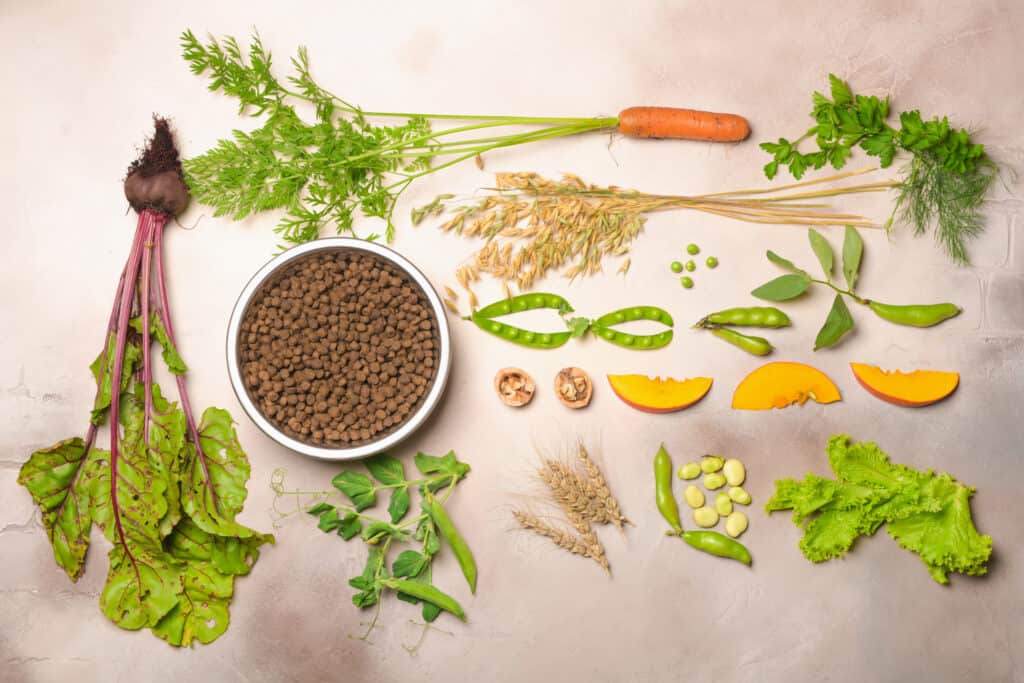
A survey has shown that some healthy cats are already vegan.
©Glenkar/Shutterstock.com
A study from 2023 has concluded that some cats are successfully vegan. The survey of 1418 cat guardians found that 127 (9 percent) were on a vegan diet. What’s more, the findings indicated that cats fed a vegan diet were healthier! This debate is likely to go on for some time.
Final Word on Cats Being Vegan
Cats have traditionally been described as obligate carnivores which means that they have to eat meat to stay healthy. Their bodies are not adapted to derive nutrition from plants and feeding a cat a vegan diet risks them suffering from deficiencies. Vegan cat food is commercially available but does not always meet the minimum recommended requirements. At the same time, surveys suggest that many owners are already successfully feeding their cats a vegan diet and these cats are healthy. Further research will be needed before definitive advice can be issued but you should always check with your vet before making significant changes to your cat’s diet.