Quick Take
- One common form of corn is a hidden dental and choking hazard for cats, yet most owners have no idea they're offering it as a snack. See the popcorn risks →
- Corn husks aren't toxic to cats, but letting them near one could land your cat in emergency surgery. Understand the blockage danger →
- The trendy grain-free diet movement may actually backfire for cats in a way most owners don't expect. Check the grain-free evidence →
- There's a precise weekly corn limit for cats, and exceeding it risks triggering serious long-term health problems. See the safe weekly limit →
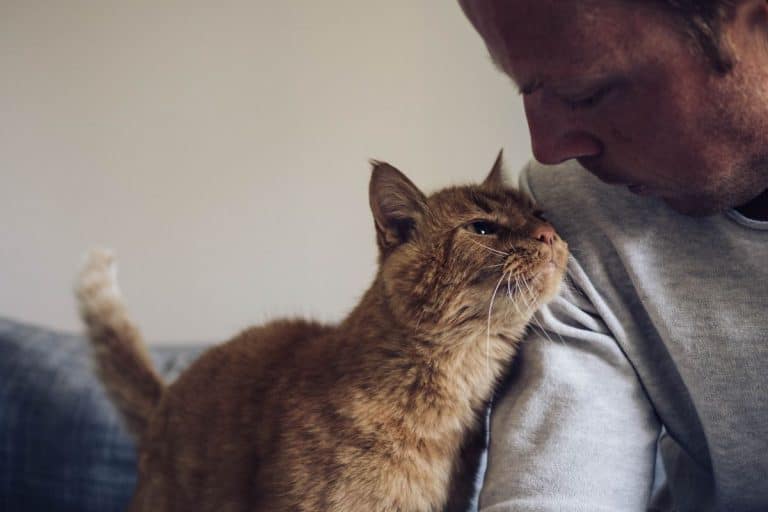
Cats are obligate carnivores that must derive essential nutrients such as taurine, arachidonic acid, and vitamin A directly from meat. Their bodies lack the enzymes and short digestive tracts needed to process plant-based diets properly. Cats can digest properly cooked and ground grains, but only in moderation. Because a cat’s metabolism is poorly adapted to process high volumes of carbohydrates, excessive grain intake can lead to obesity and diabetes. So, while cats can eat corn, they should do so in moderation. Continue reading to learn more about why cats can eat corn and how much is safe for them to eat.
Can I Feed My Cat Corn?
Cats can eat corn. Corn is a common ingredient in many commercial cat foods, particularly in lower-cost brands, but many premium cat foods do not contain corn. It is used as an inexpensive way to provide your cat with fiber, essential vitamins and nutrients, and a sense of fullness. Corn contains protein, fiber, vitamin C, magnesium, and other important nutrients for your cat’s health. Unseasoned sweet corn is fine for cats to eat in moderation. However, cats shouldn’t eat seasoned corn, creamed corn, or corn on the cob.
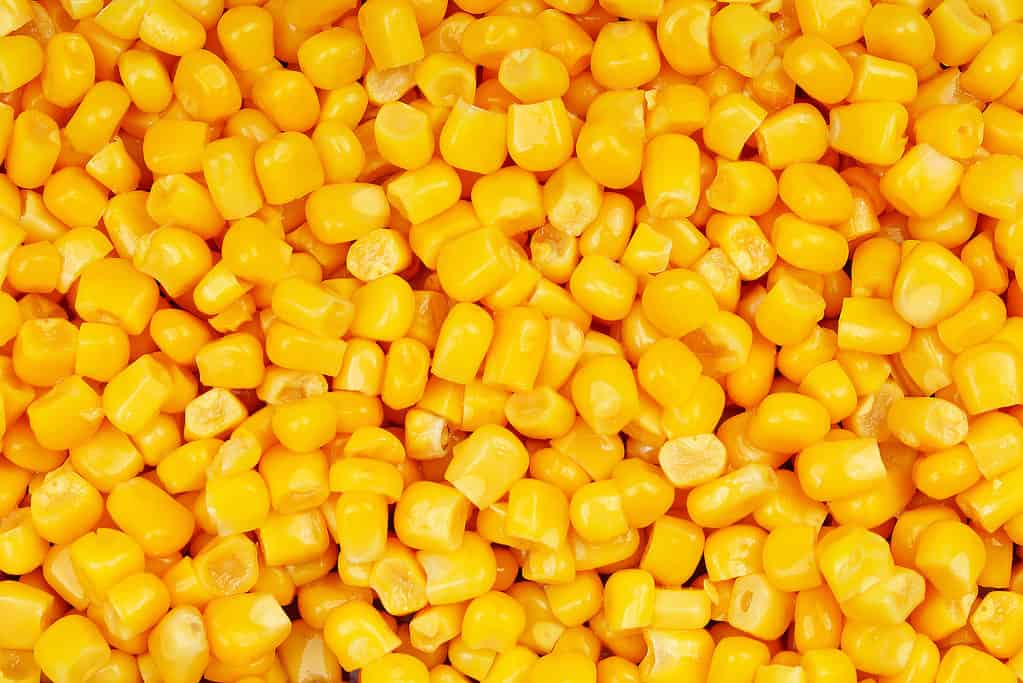
While cats can eat grains, they have no dietary need for carbohydrates. A diet rich in quality, meat-based protein is biologically optimal for cats.
©Nalaphotos/Shutterstock.com
Cats should never be allowed to eat corn on the cob. While a few plain kernels of cooked corn are not toxic and can be a safe occasional treat, the fibrous cob is indigestible and a severe choking hazard or cause of intestinal blockages.
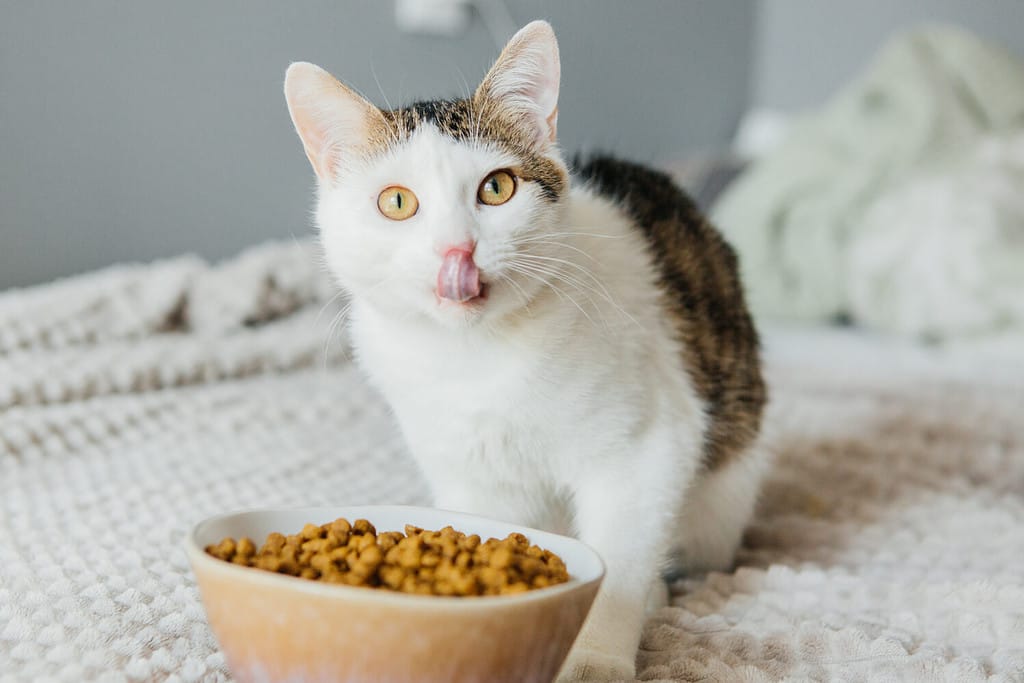
While occasional grains in a balanced commercial diet will not harm most healthy cats, they should not be a dietary focus.
©AlexanderDubrovsky/Shutterstock.com
Processed foods containing corn should not be fed to cats, as they often include ingredients that are highly toxic to felines, such as onions and garlic.
How Much Corn Can I Feed My Cat?
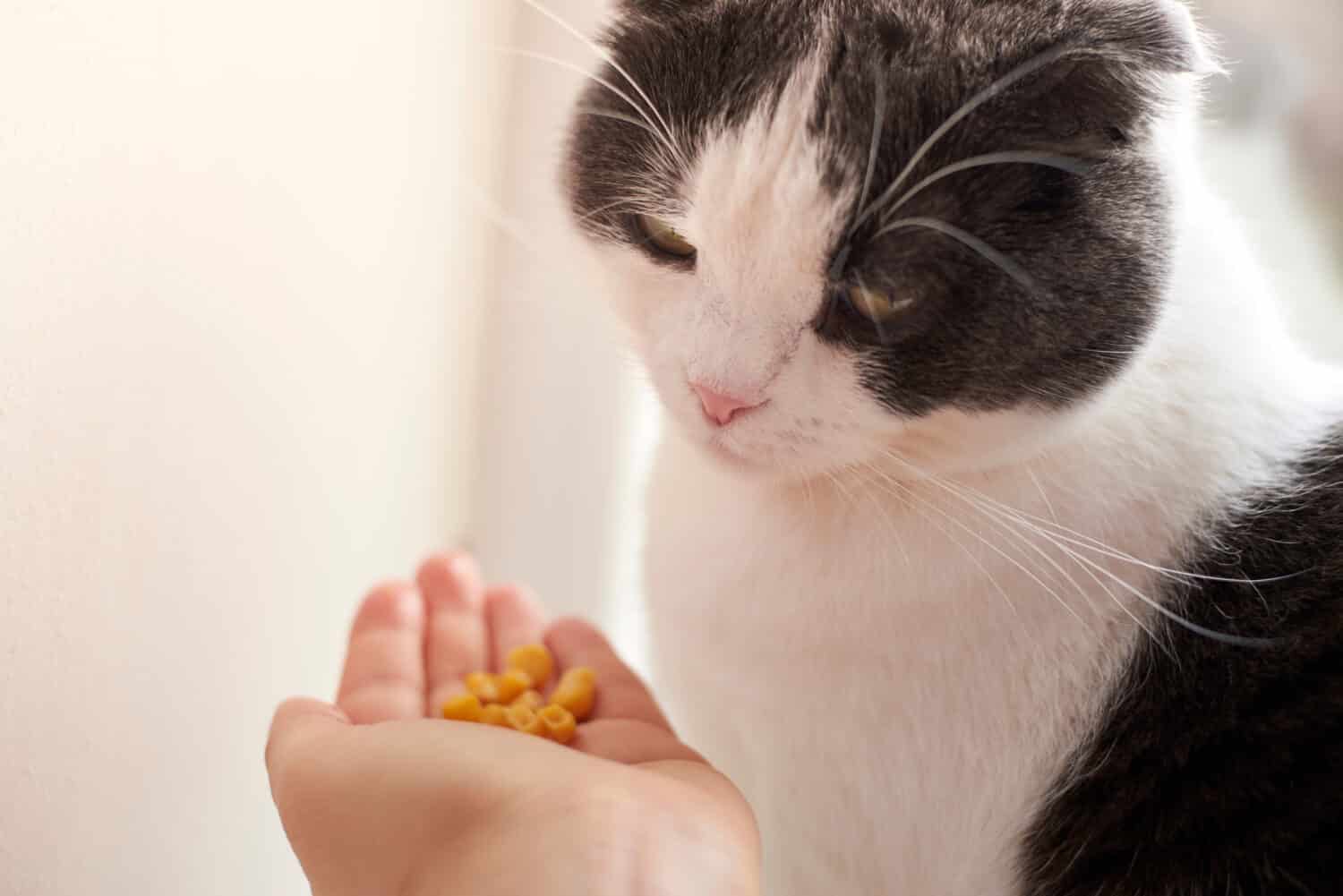
Cats should eat no more than one teaspoon (8 to 12 kernels) of plain sweet corn once or twice per week. Corn should never be fed to cats daily. Because cats are strict carnivores, their bodies are designed to process meat, not plant-based carbohydrates. Feeding them too much corn can lead to nutrient deficiencies, digestive distress, and weight gain.
Can Cats Eat Corn Husks?
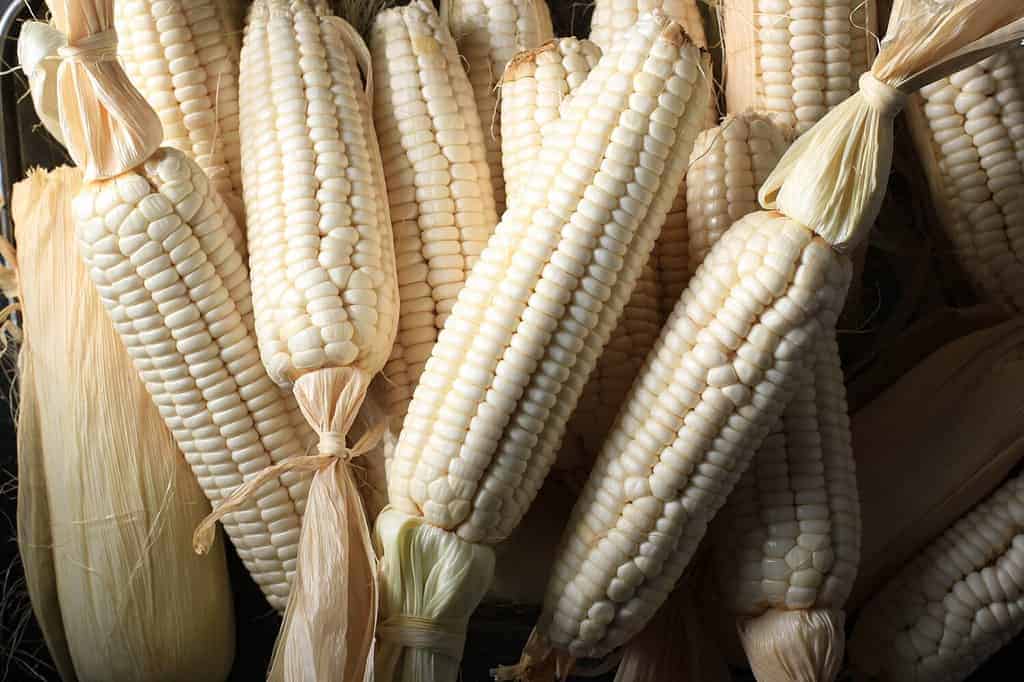
Cats cannot eat corn husks because they are completely indigestible and present a serious risk of intestinal blockage. Although corn husks are not toxic to felines, their tough, stringy, and fibrous texture makes them extremely dangerous if swallowed. Many cats are naturally drawn to chewing on husks because they mimic the texture of outdoor grasses or leaves. Therefore, it is important to keep them entirely out of your cat’s reach.
Can Cats Eat Popcorn?
Cats can technically eat popcorn, but only if it is completely plain and air-popped. Adult cats can safely eat one or two pieces of plain, fluffy popcorn that have been hulled (with the hard brown shell and remaining kernel removed).
A cat’s airway is very small, and a hard kernel or sharp piece of hull can easily become lodged in their throat, causing them to gag or worse.
The sharp edges of the brown hull can get stuck between a cat’s teeth, potentially leading to infection. Biting into an unpopped kernel can easily chip or fracture a cat’s tooth.

Can Cats Eat Corn Chips and Tortillas?
Cats should not eat corn chips or tortillas. Avoid feeding your cat processed corn products like tortilla chips and tortillas, as they are difficult to digest, offer no nutritional value, and often contain ingredients that are harmful to felines.
While a tiny crumb of a plain chip won’t harm your cat, you should never intentionally feed these snacks to them.
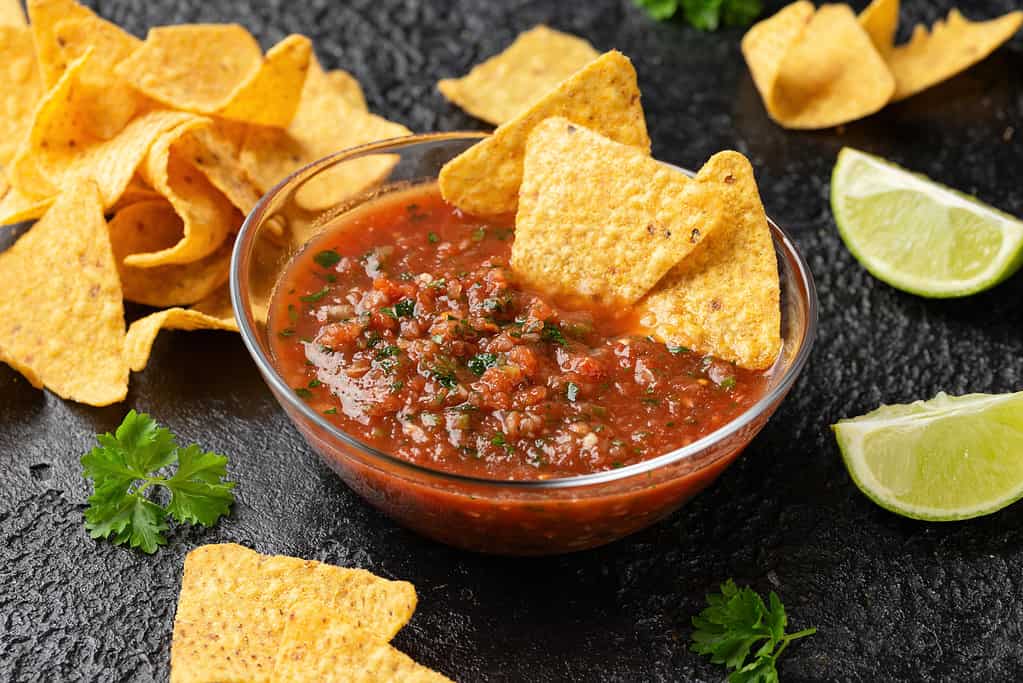
Corn chips and tortillas are packed with sodium, and eating two salted chips can easily exceed a cat’s safe daily limit, risking electrolyte imbalances or dehydration. Corn chips and tortillas are sharp and rigid. When a cat bites down, the jagged edges can cut their gums, scratch their throat, or pose a choking hazard.
Can Cats Be Allergic To Corn?
Some cats are allergic to corn and other grains, but this is fairly uncommon.
Unless your cat shows symptoms of a grain allergy, you shouldn’t be concerned. If your cat is allergic to their everyday cat food, the protein ingredient is more likely to be the culprit.
Consult your veterinarian to determine what your cat is allergic to and how you can help.
If your cat is allergic to corn, you should stop feeding it to them and find alternative foods and treats.
Cats and Grain-Free Food
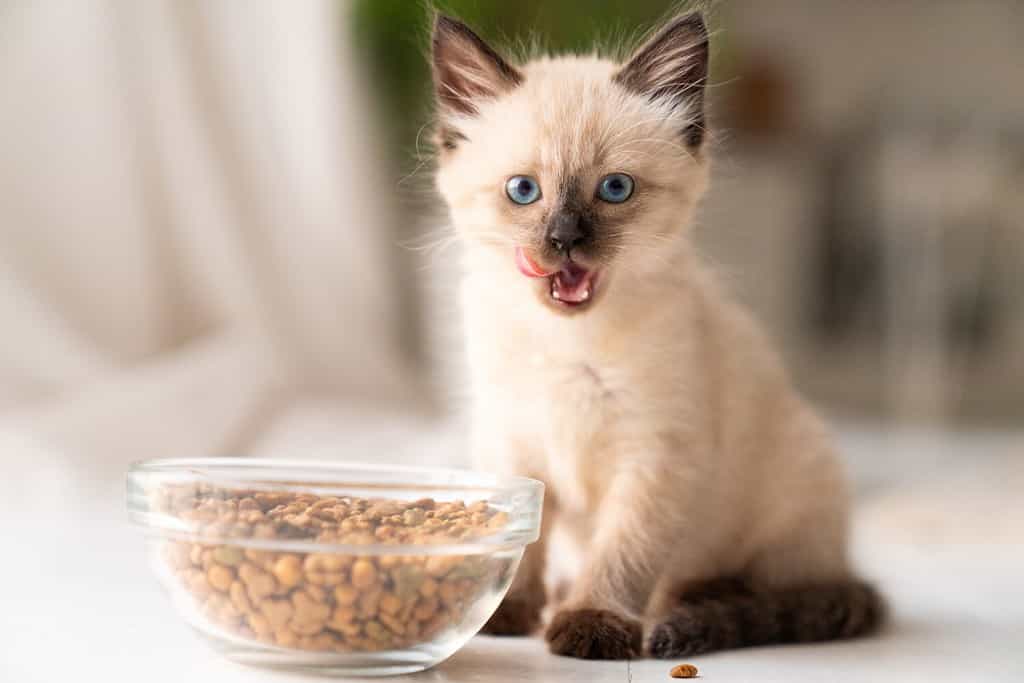
Although cats are obligate carnivores, there is no evidence that corn or other grains harm them in any way. Although grain-free diets have grown in popularity, you may want to avoid this trend for dogs due to the established link between grain-free diets and heart disease in dogs. However, there is currently no evidence that grain-free diets cause heart disease in cats.
VCA Animal Hospital notes that replacements for grains in cat food can contain less fiber and cause digestive issues. Grains like corn also contain essential nutrients for cats, and without them, your cat may develop nutritional deficiencies.