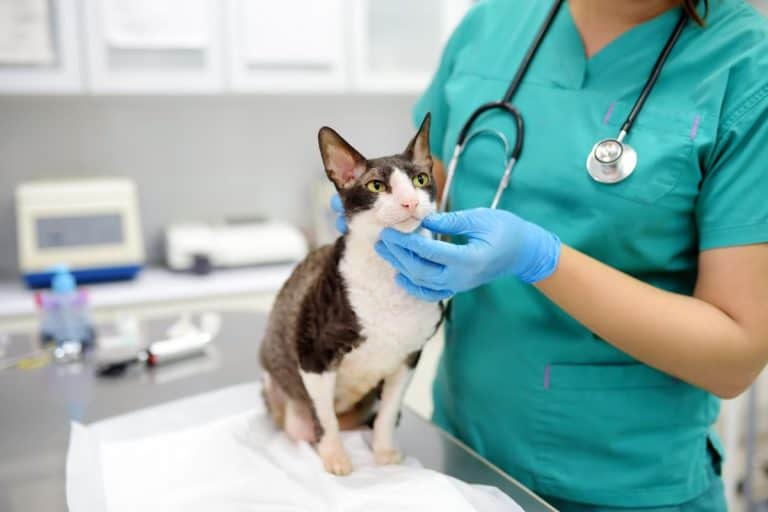

As the owner of a new cat or an existing owner of a beloved, long-time feline, you likely want to ensure your cat is as healthy as it can be. When new symptoms arise in our feline loved ones, it’s common to worry about their well-being. For example, if your cat has been experiencing more flatulence recently, you’ll probably want to get to the bottom of it.
While flatulence in cats isn’t usually a sign of a more serious disease or health concern, it can be a symptom of digestive distress or possible food intolerances that should be addressed. Here are the eight of the most common causes of flatulence in cats.
1. Intestinal Infections
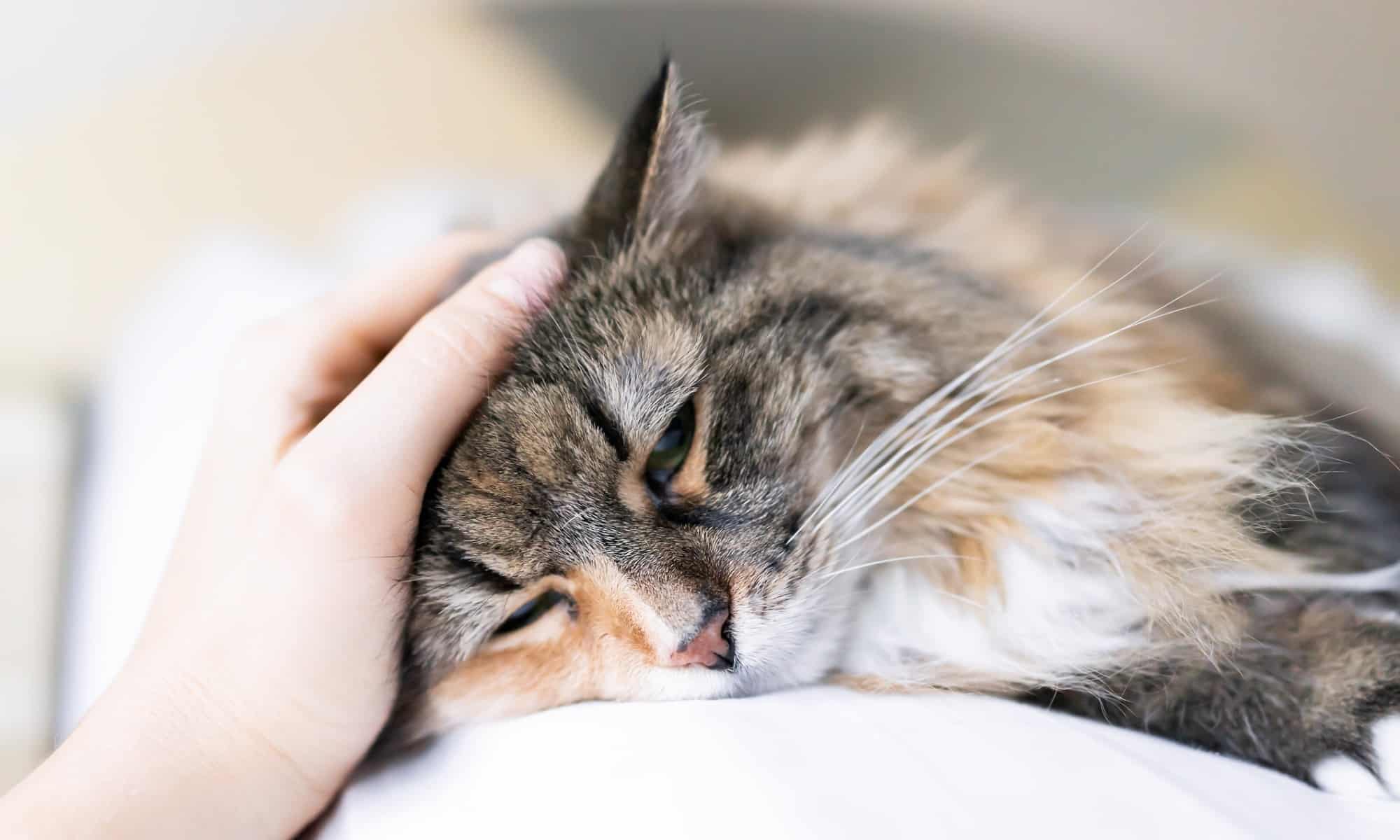
Just like humans, cats can experience gastroenteritis and intestinal infections.
©iStock.com/krblokhin
Often, a cat will experience more flatulence when it has an intestinal infection. For example, gastroenteritis, or inflammation of the gastrointestinal tract, can be caused by bacteria or viruses. Similar to how it presents itself in humans, such intestinal infections can lead to abdominal pain, diarrhea, vomiting, and gas in cats. Cats can contract intestinal infections through infected food, animals, or even water contamination.
2. Intestinal Parasites
Intestinal parasites are common in cats.
©iStock.com/Kateryna Kukota
Another common cause of flatulence in cats is intestinal parasites. When a cat contracts a parasite, it might have the same symptoms listed above, such as cramping, flatulence, vomiting, diarrhea, and overall loss of appetite. Oftentimes, you will notice more than just flatulence in your cat, such as a change in eating habits, loose stools, vomiting, and even a potbellied appearance.
3. Food Allergies and Intolerances
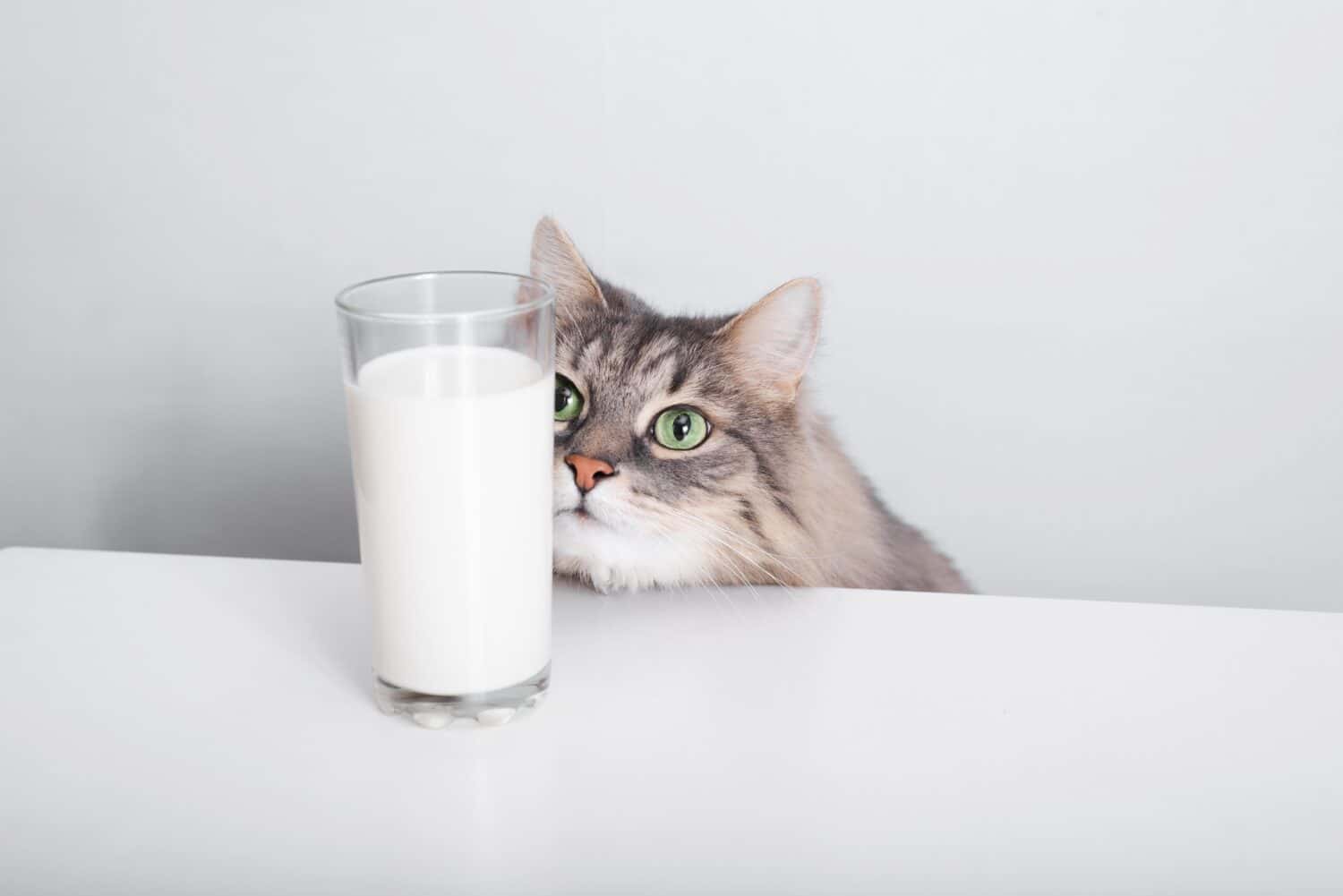
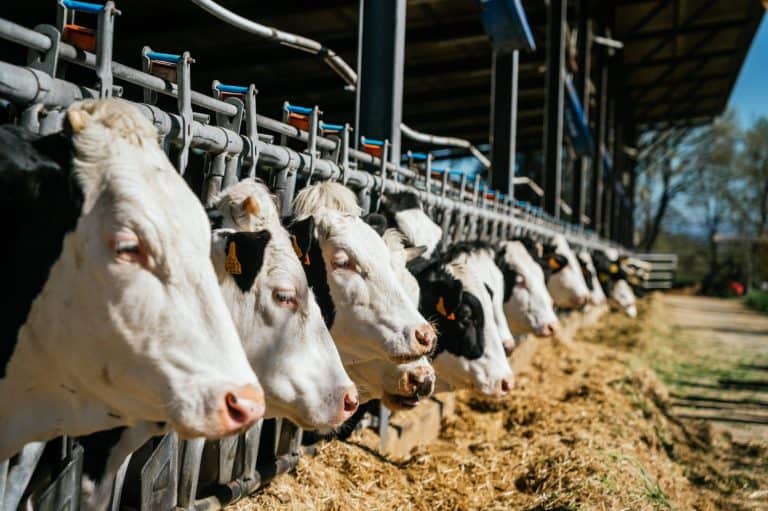
Many cats cannot tolerate the lactose found in cow milk, which can cause flatulence in cats.
©Sergio Photone/Shutterstock.com
Just like with humans, cats can develop allergies or intolerances to certain foods. For example, many cats are actually lactose intolerant and cannot consume dairy products, while some cats have allergies to grains or even certain types of meat. Food intolerances and allergies can cause an increase in flatulence, as well as other symptoms like vomiting, diarrhea, weight loss, and even skin irritation.
4. Overeating
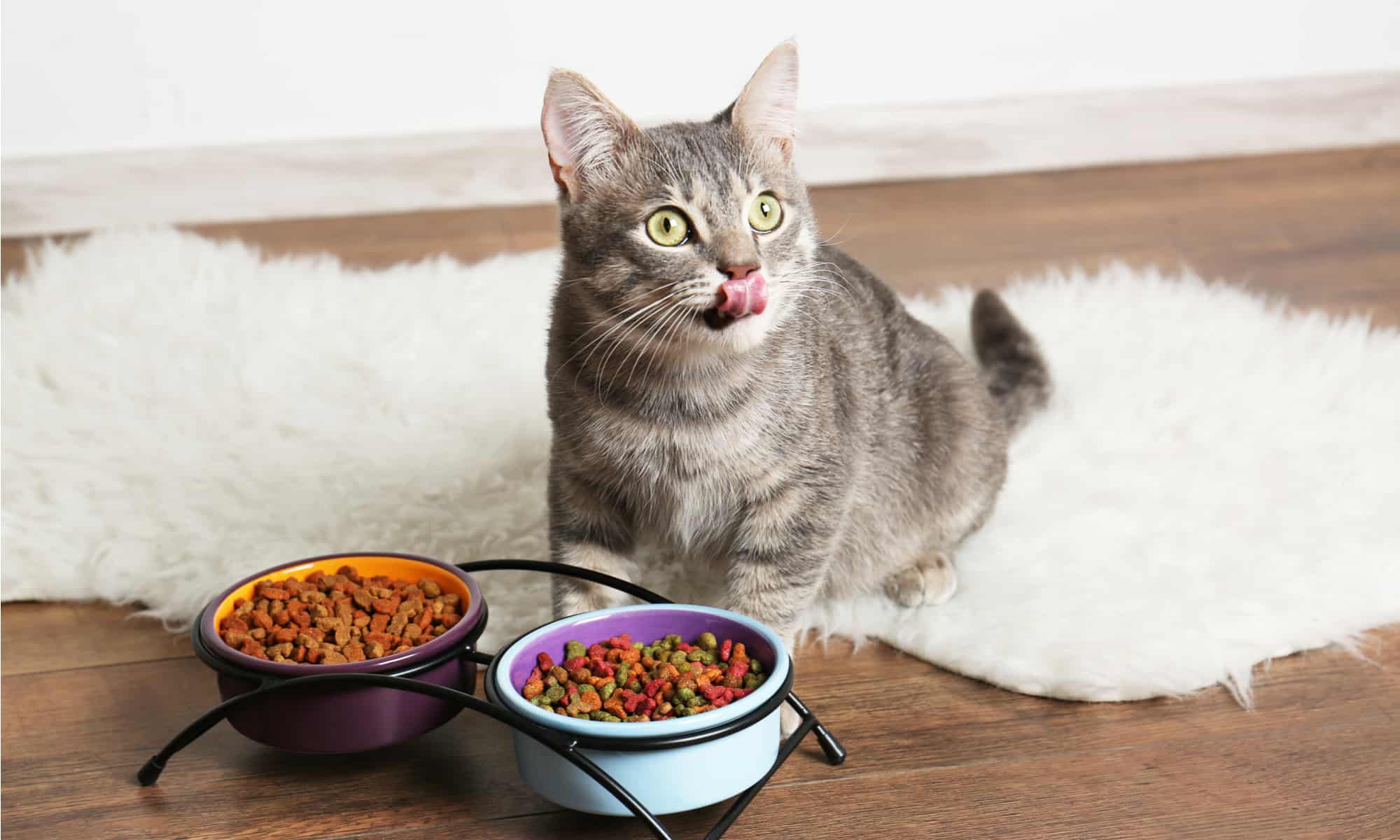
Don’t leave out more than the proper serving size of food for your cat.
©Africa Studio/Shutterstock.com
A common cause of flatulence in cats is overeating. Many cats will eat whatever is in front of them, so if you don’t portion their food, they might overeat. While you might assume your cat’s food bowl should always remain full, this can actually lead to health concerns from stomach upset to obesity. Just like in humans, overeating can cause cramping, nausea, flatulence, and even vomiting.
5. Eating Too Quickly
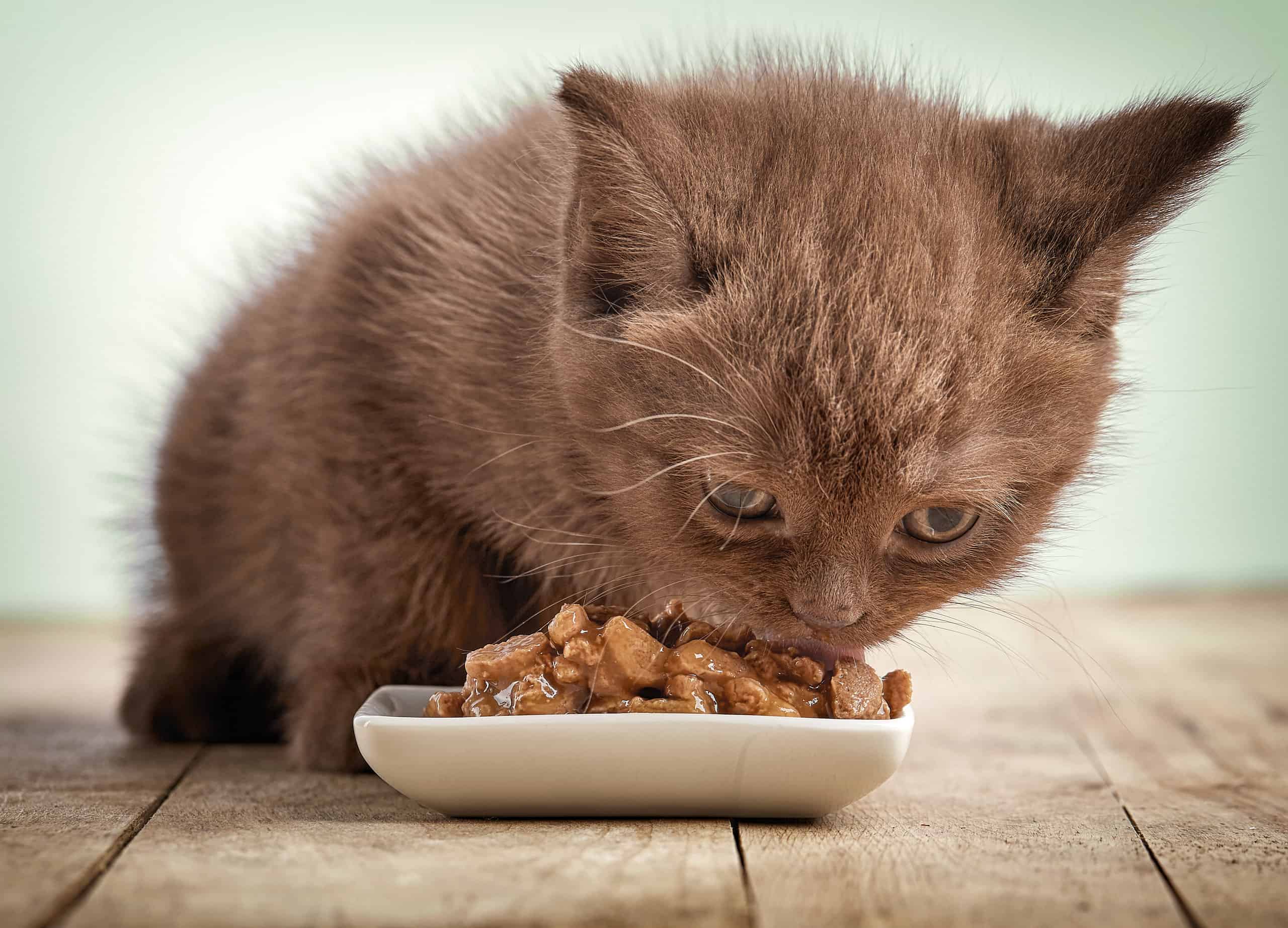
Many cats are prone to eating quickly, as this is how they survive in the wild.
©MaraZe/Shutterstock.com
If a cat eats too quickly, it can take in more air than necessary. This can cause more flatulence, as well as an upset stomach. If you notice your cat eating more quickly than usual, you might consider its mental health state. Many cats will devour their food quickly out of boredom or because they’re feeling lonely or anxious. Whatever the case, it’s important to address why your cat is eating fast so it doesn’t lead to problems like digestive issues or obesity.
6. Inflammatory Bowel Disease (IBD)
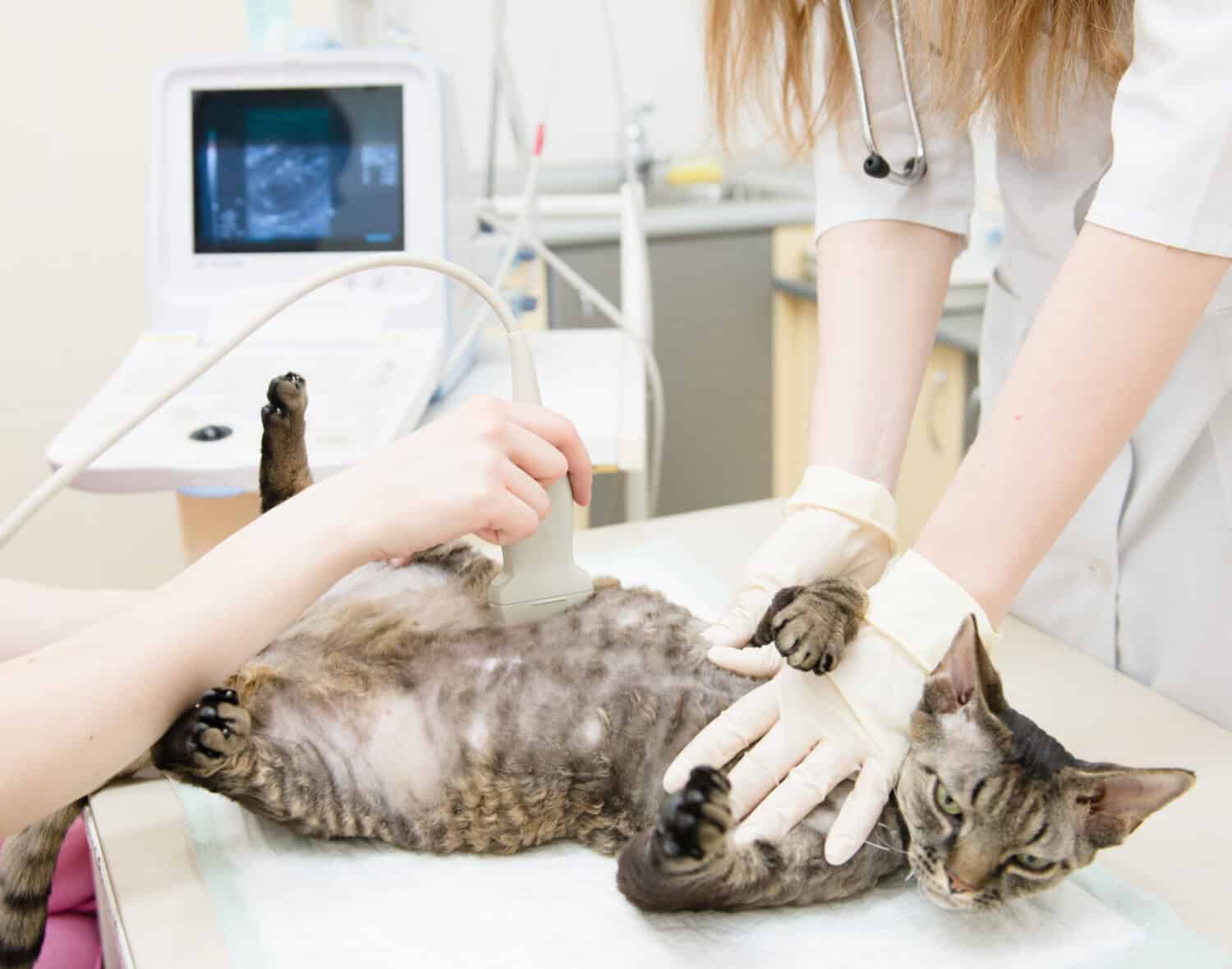
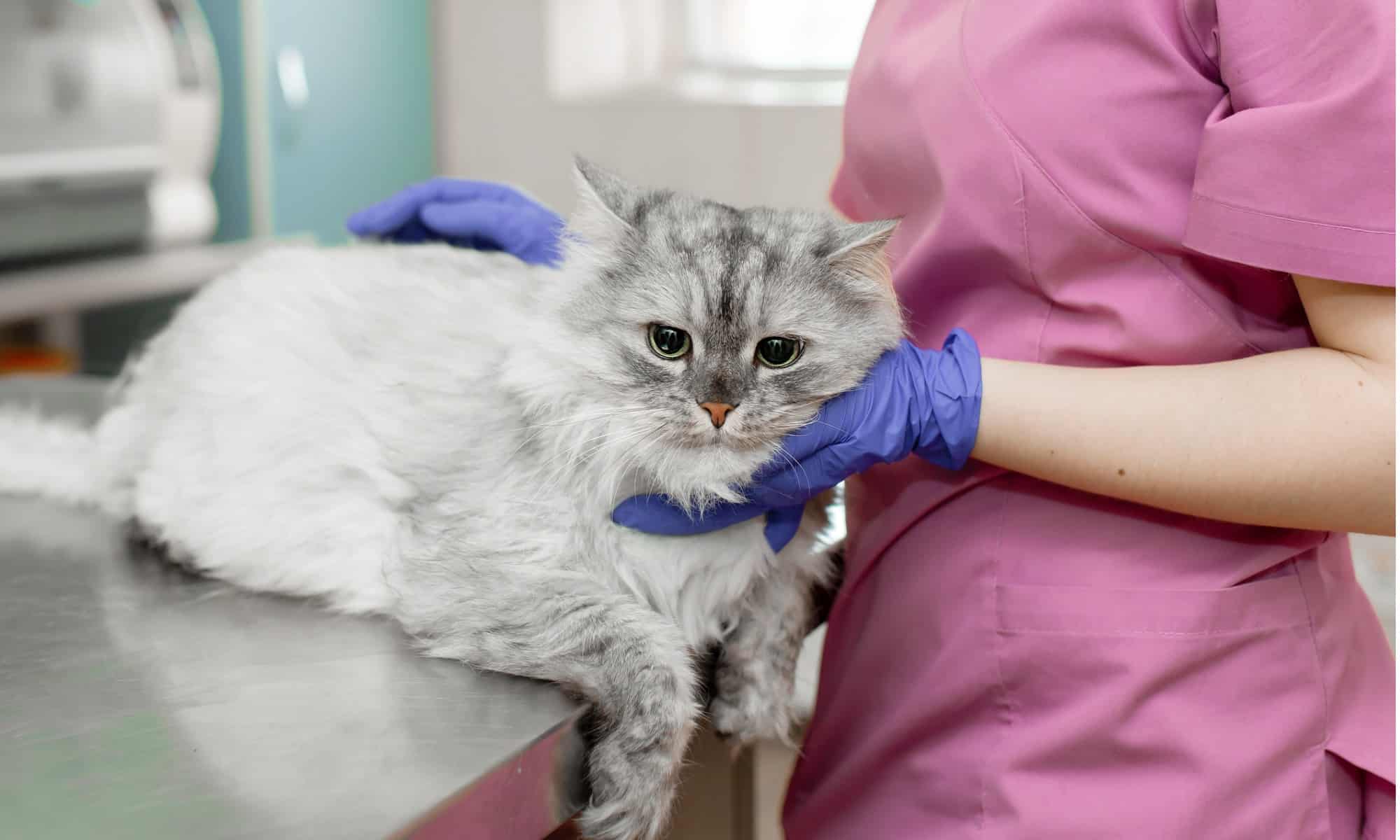
Taking your cat for the proper testing can be crucial in receiving the right diagnosis.
©Ermolaev Alexander/Shutterstock.com
Feline inflammatory bowel disease is similar to human inflammatory bowel disease. This condition occurs when the gastrointestinal tract becomes chronically irritated and inflamed. Most commonly, IBD occurs in middle-aged to older cats. Some common symptoms of IBD include increased flatulence, vomiting, weight loss, bloody stools, lethargy, diarrhea, and poor appetite. If you fear your cat has feline IBD, bring it to a vet so it can have extensive workups like baseline bloodwork, fecal examinations, x-rays, ultrasounds, and other tests to rule out common infections or other conditions.
7. Spoiled Food
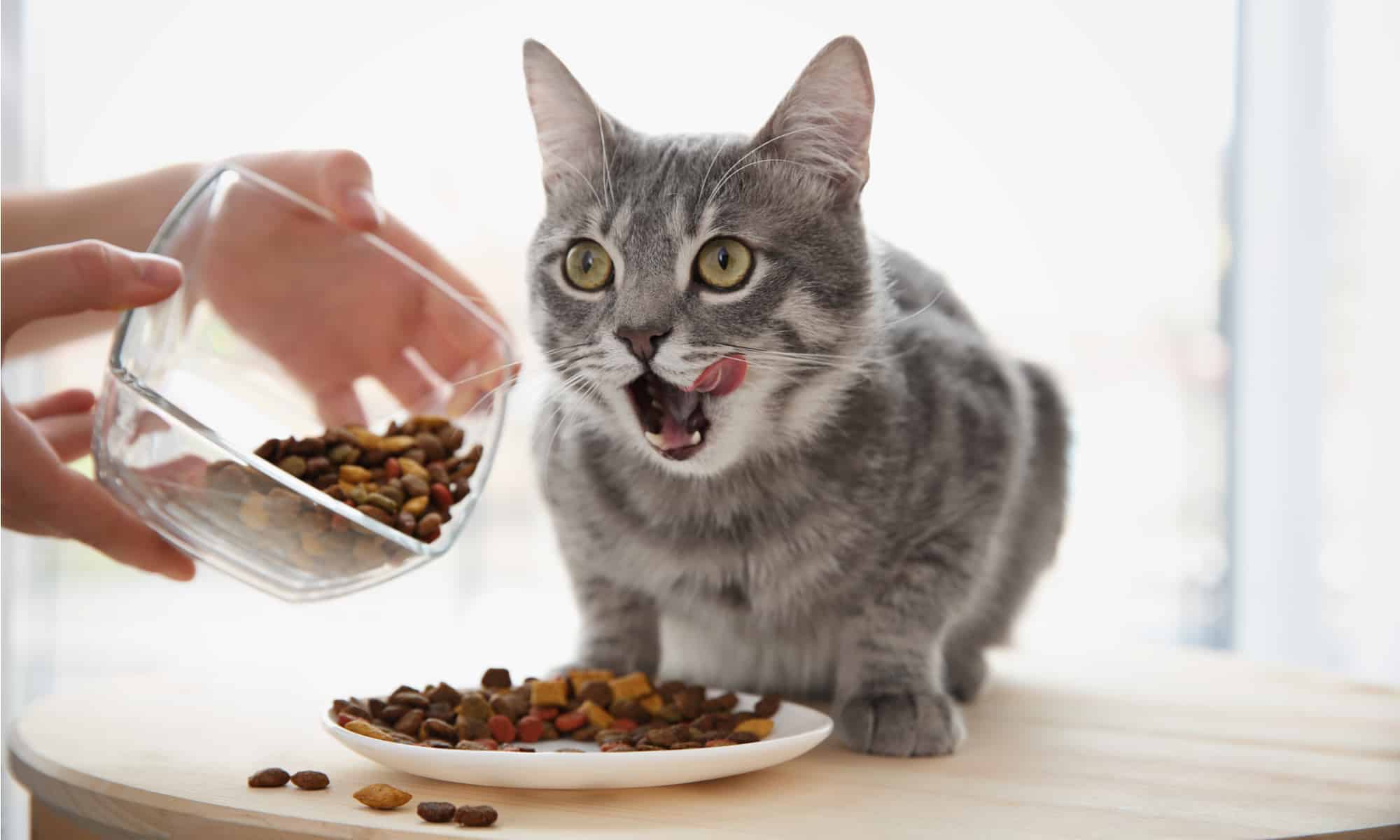
Expired or spoiled cat food can result in an upset stomach in your feline loved one.
©Africa Studio/Shutterstock.com
If your cat suddenly develops more flatulence than usual, be sure to check the freshness of its food. It might seem like cat food has a long shelf life, but it can spoil if it has been exposed to moisture and humidity or has developed mold or attracted bugs. Be sure to pay attention to expiration dates and perform a sniff test to ensure the food does not smell sour or rotten — even if it hasn’t yet expired. Never feed your cat any food that has passed its expiration date or has an offputting smell.
8. Constipation
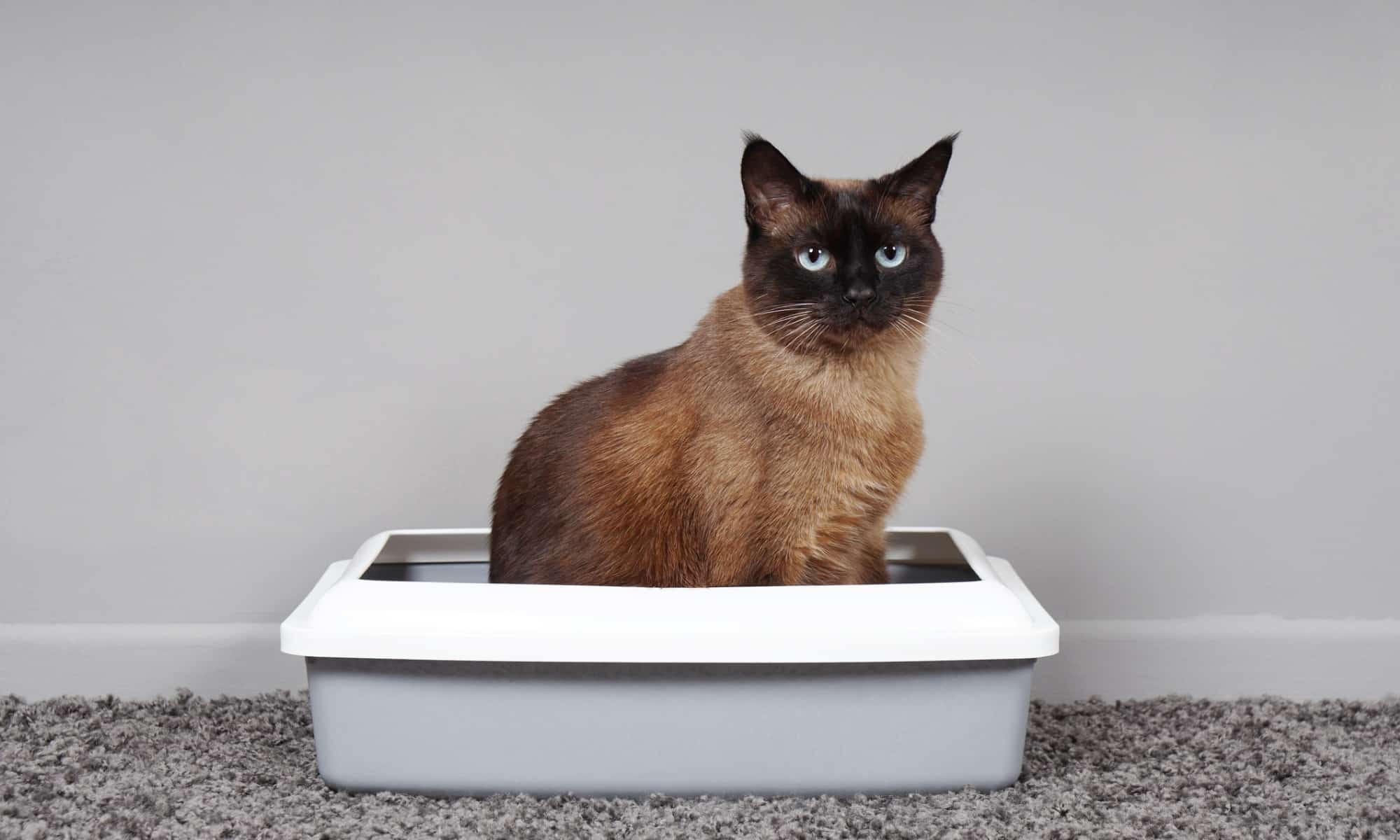
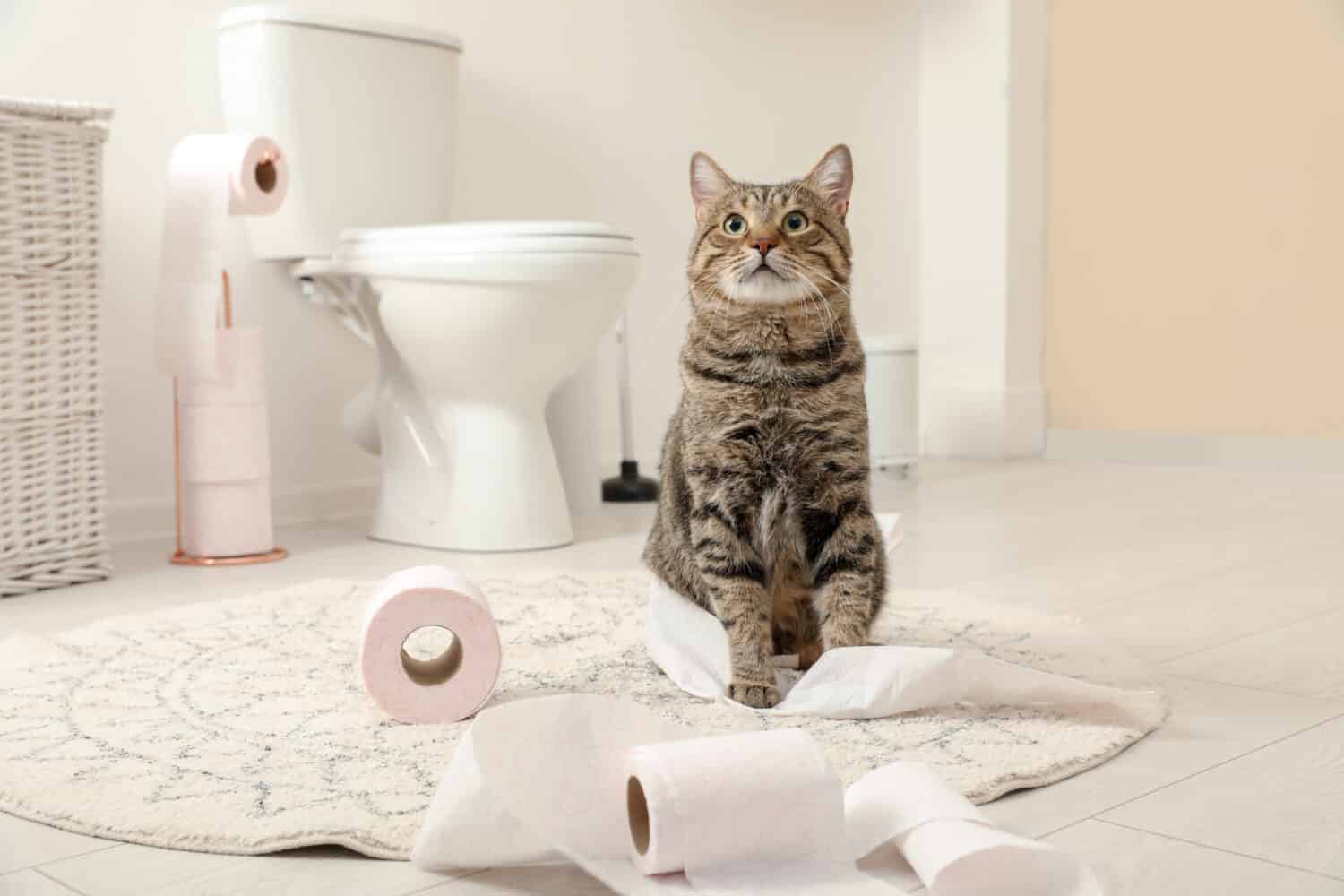
If a cat can’t go to the bathroom, it might experience more flatulence.
©iStock.com/Axel Bueckert
Another common reason for cat flatulence is constipation. This is the inability to pass stools routinely, causing a buildup of feces in the colon. This can also cause more flatulence and stomach pain in your precious feline. Typically, a vet will recommend feeding your cat wet food and ensuring it’s drinking water to help hydrate your feline and assist with its digestion.