
Whether you’re planning to go whale-watching, or just saw a whale breaching while relaxing on the shore, you may want to discover how long a whale can stay underwater. Knowing how long a whale can stay underwater can be useful information.
Once you know what species of whale you saw, read below to see how long you can expect it to stay underwater before resurfacing. Keep in mind, however, that whales can travel hundreds of miles while underwater. So, if your particular whale is going for a deep dive, you might not see it again. In fact, a Cuvier’s beaked whale set the record for the longest dive at 222 minutes. So, don’t wait around if a whale takes a dive!
Here, we will list only some of the most common whales and how long they can stay underwater.
Sperm Whale
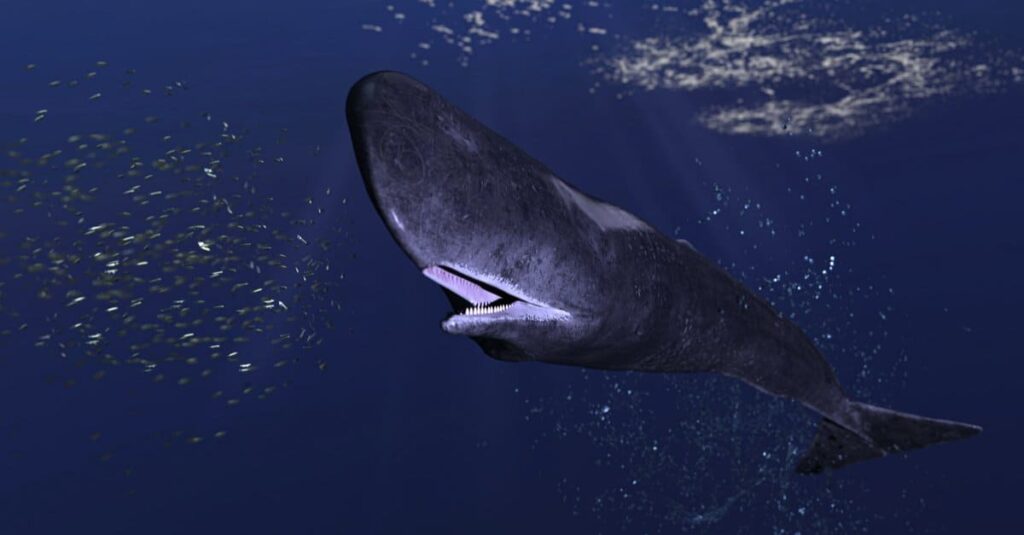
Sperm whales use their teeth to attack deep-sea prey during dives.
©bekirevren/Shutterstock.com
The sperm whale is the largest toothed predator in the world, and the iconic animal from the novel Moby-Dick. Sperm whales can hold their breath for up to 90 minutes. They use that time to dive to the bottom of the ocean in search of prey, including giant squid. Researchers recorded one sperm whale who stayed underwater for over an hour and 50 minutes.
Humpback Whale
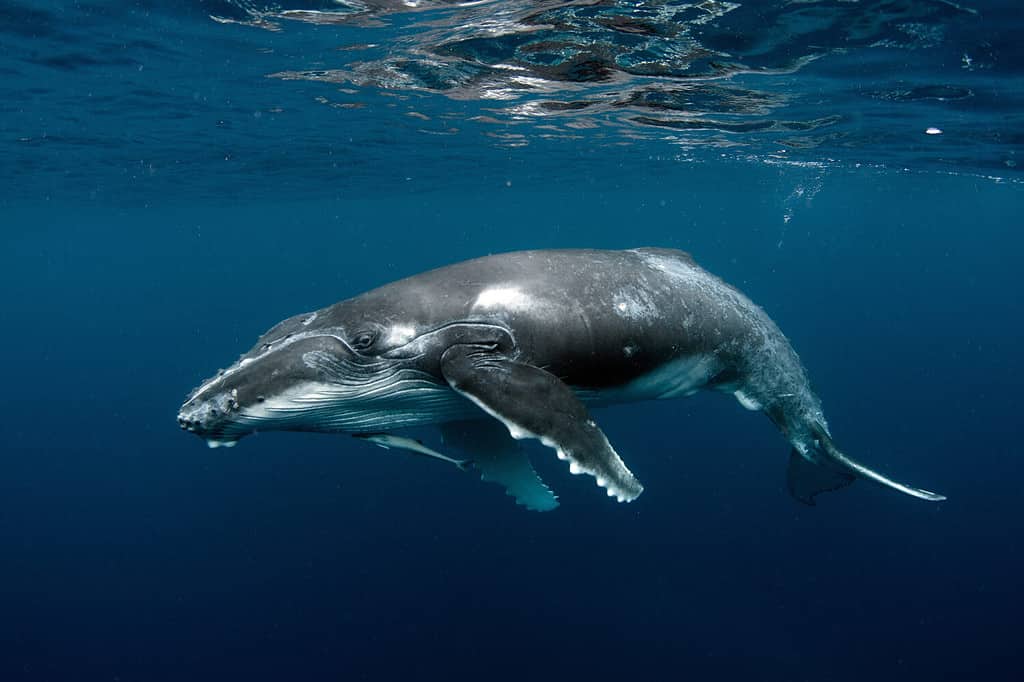
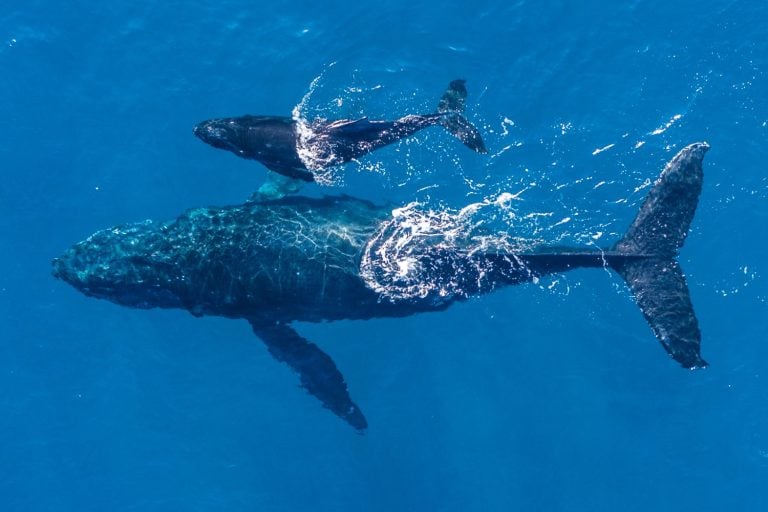
Humpback whales usually spend much of their time near the surface during dives.
©Tomas Kotouc/Shutterstock.com
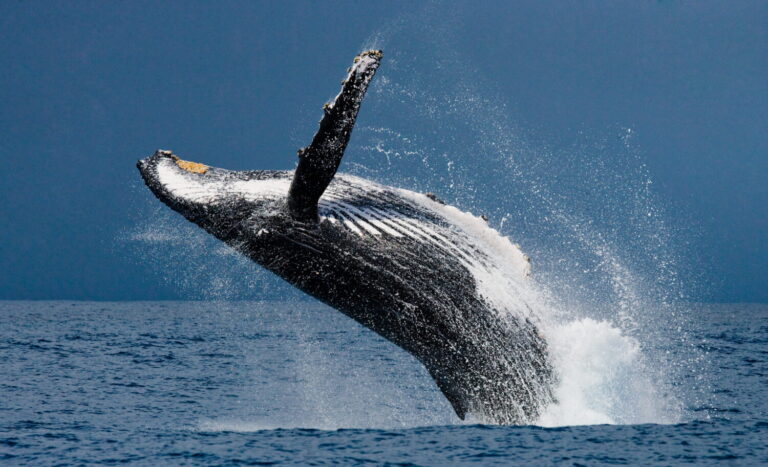
Famous for their breaching behavior. Despite their enormous lungs and the ability to slow their heartbeat, the humpback whale usually only holds their breath for five to ten minutes during the summer months, and 15–20 minutes during the winter months. However, the longest dive on record was off the coast of Washington State when a humpback whale held its breath for 48 minutes.
Beluga Whale

Beluga whales are recognizable by their white color and bulbous head.
©CampCrazy Photography/Shutterstock.com
Common in the Arctic, the Beluga whale is also known as the white whale, because it is the only species to naturally occur in that color. These gentle giants can hold their breath for up to 20 minutes underwater, but they usually limit their dives to three to five minutes.
Orcas
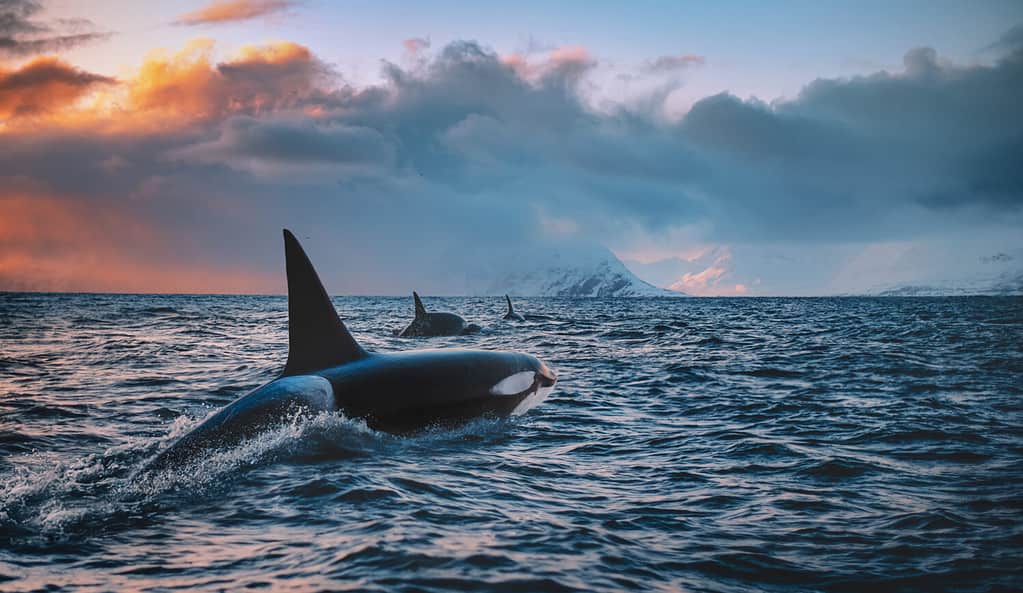
Orcas usually stay close to the surface in between shallow dives.
©Willyam Bradberry/Shutterstock.com
Despite their nickname (the killer whale) and their common attendance at whale watching tours, the orca is actually a type of dolphin. They don’t let this distinction stop them, however. They are able to dive for around 15 minutes at a time, usually for migration or play, as feeding takes place closer to the surface.
Blue Whale
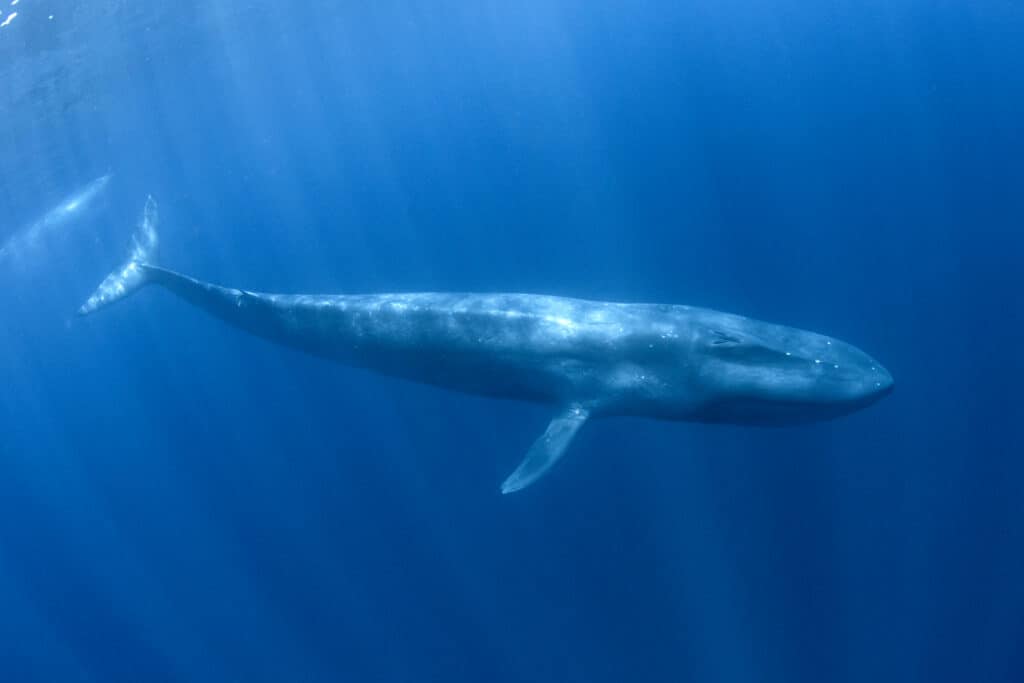
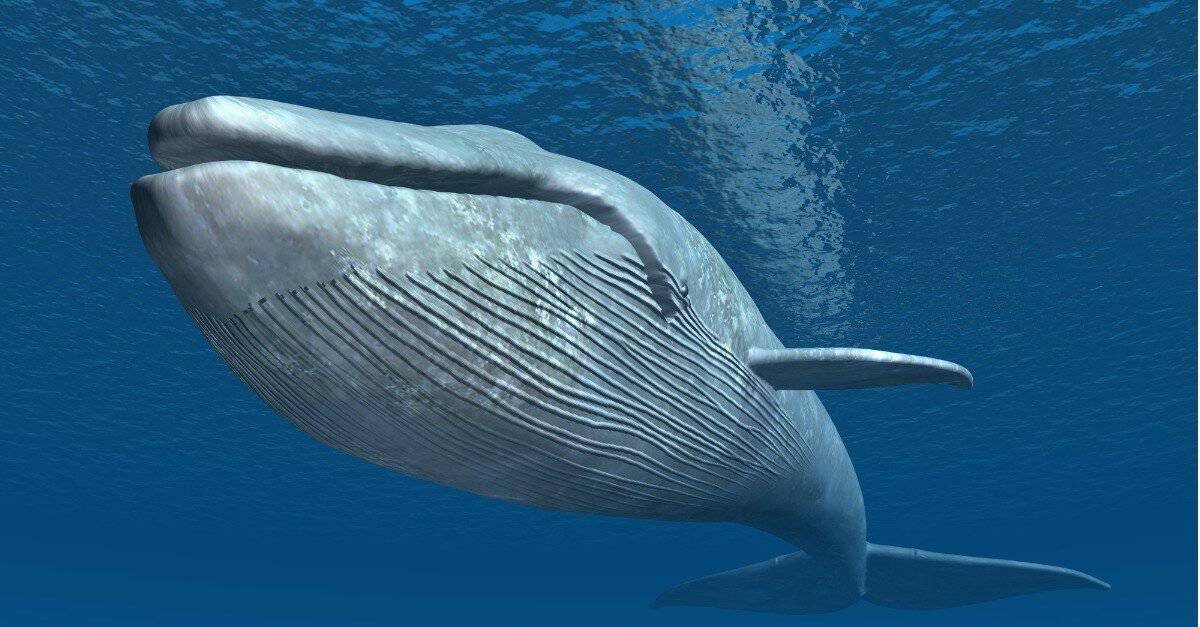
The limit of the blue whale dive has yet to be determined.
©Rich Carey/Shutterstock.com
The blue whale is the largest animal on Earth, but researchers have not yet resolved how long they can stay underwater. Blue whales have regularly been observed diving for around 15 minutes, but the size of their lungs and metabolism suggest they should be able to easily hold their breath for between 30 and 60 minutes.
Narwhal
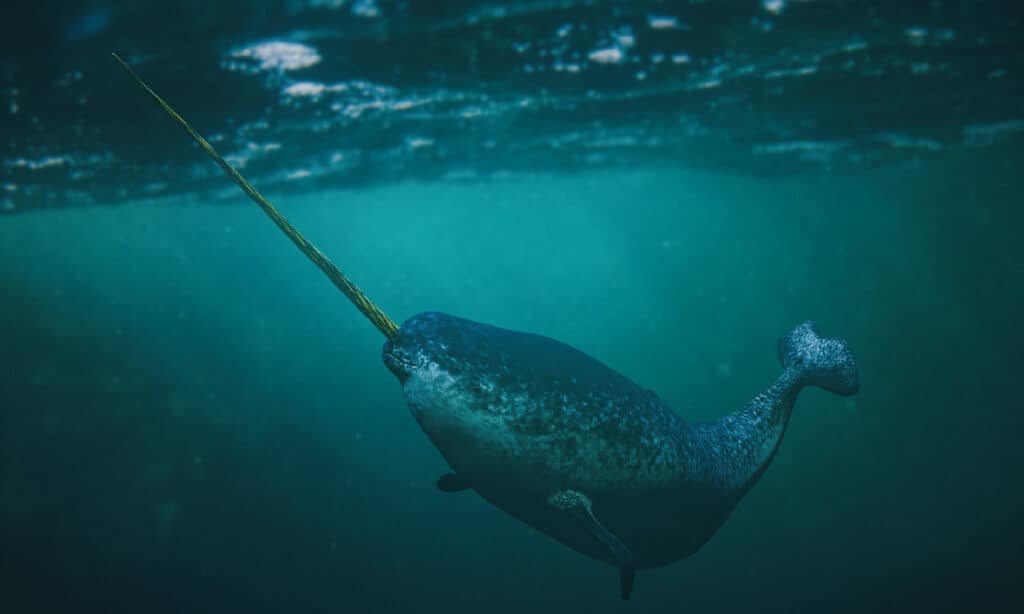
Narwhals usually dive deep in Arctic waters for food.
©iStock.com/dottedhippo
The narwhal is among the most recognizable whales with a tooth protruding from their foreheads like a long spear. Researchers have recorded narwhals diving around 15 times a day for up to 25 minutes each dive!
Why Can Whales Stay Underwater So Long?
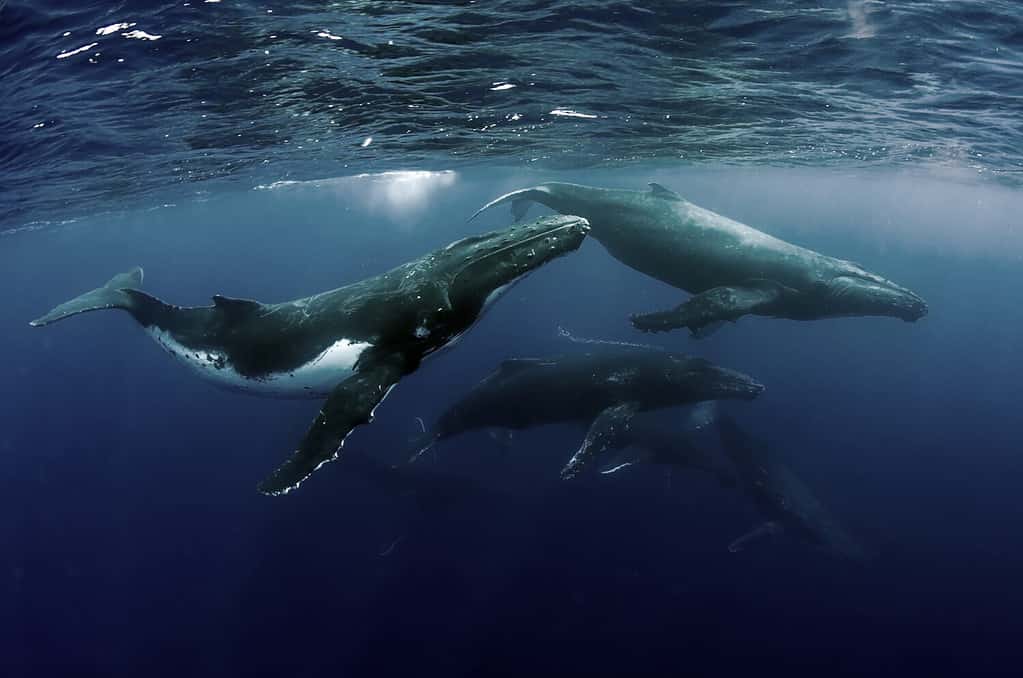
Humpback whales, like other species, have several advantages that allow them to dive for much longer than we expect.
©Tomas Kotouc/Shutterstock.com
If you want to discover how long a whale can stay underwater, you may wonder why they are able to dive for so long. In proportion to their bodies, whale lungs are not that much larger than human lungs. So, it would make sense that whales would only be able to hold their breath for as long as we can, but whales have evolved many other adaptations that help them make better use of the limited oxygen they have. A few of these include:
High Blood Volume Ratios
Whales have a higher ratio of blood-to-body volume. Since blood is what carries oxygen to the cells that need it, and carries away the waste that is expelled through the lungs, a higher blood-to-body ratio means that more oxygen can be carried to the body with each breath. So, while a whale might take a relatively similarly sized breath before diving, they are able to get more of that air to their cells than we are.
High Red Blood Cell Count
Not all of our blood is able to store and transport oxygen. Only the red blood cells of our blood are able to do that, and only a small portion of our blood is made up of red blood cells. Whale blood has a higher concentration of red blood cells. This means that the same amount of whale blood is able to store and carry more oxygen than human blood.
More Efficient Oxygen Storage in Muscles
Whale muscles contain a lot of a protein called myoglobin. This protein is very useful for muscles to store extra oxygen. So, when their high-efficiency blood is delivering a lot of oxygen to the muscles, they can store the extra they don’t use in the myoglobin to keep working for longer.
Ability to Regulate Their Bodies
Whales are able to control their body in ways that humans cannot. First, they are able to control the flow of blood within their bodies. This means that while they are diving, they can divert their blood flow to the parts of their body that need it more, and limit the blood flow to the parts that do not, so they’re not wasting oxygen on organs that aren’t being used.
Second, they can consciously lower their heart rate. A lower heart rate means that less of the oxygen in the lungs is being used every minute than when they are swimming on the surface. When the heart isn’t working as hard, it uses less oxygen as well.