
Quick Take
- The most dangerous flying animal in Mississippi isn't the one you'd expect, and it's small enough to overlook entirely. Meet Mississippi's deadliest flier →
- One of these flying creatures has a name that suggests harmlessness, but it can trigger a chronic disease that lasts a lifetime. See the Chagas disease risk →
- Bats are widely considered beneficial, yet one quiet detail about their bites makes them uniquely dangerous to both people and pets. Discover the rabies danger →
- Only half the members of two common species on this list can actually hurt you, and most people suspect the wrong half. Find out which bees sting →
Mississippi is famous for its rich musical (Muddy Waters, Elvis Presley) and literary heritage (Eudora Welty, William Faulkner) as well as its fertile Mississippi Delta farmland. Located along the U.S. Gulf Coast, Mississippi’s humid, subtropical climate and lush coastal wetlands provide splendid habitats for a diverse array of flying animals, which range from beautiful and docile to annoying and downright dangerous. Continue reading to learn about the most dangerous flying animals in Mississippi.
Mosquito
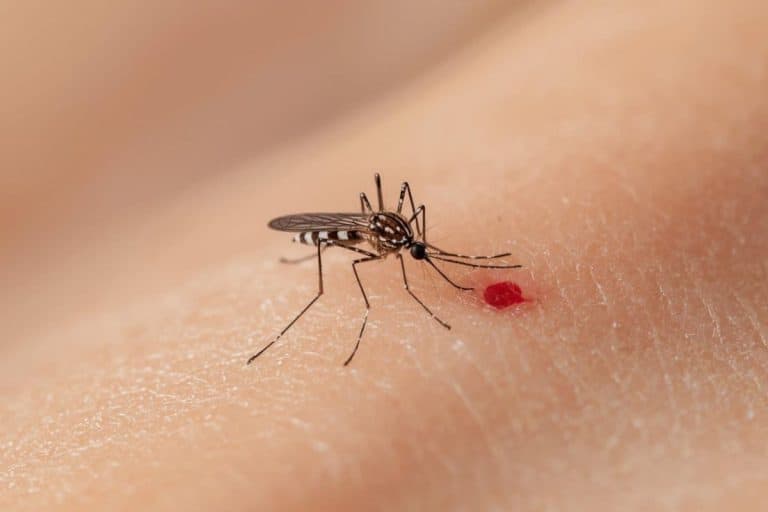
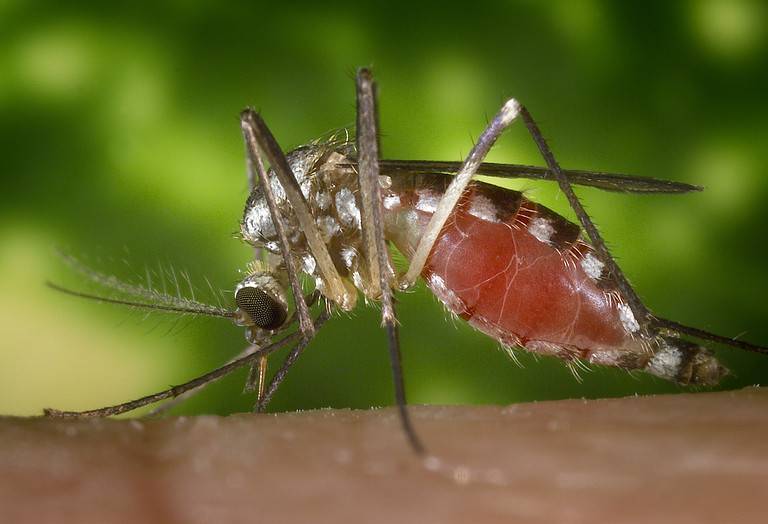
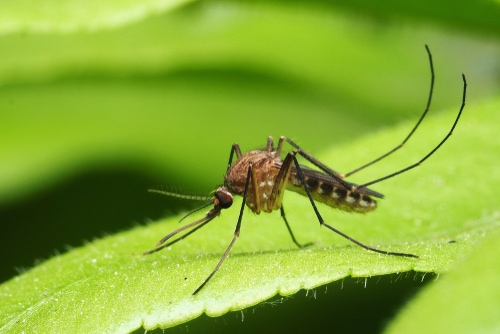
Despite being one of the smallest animals in Mississippi, mosquitoes are also one of the most dangerous. These bloodsucking pests are more than a minor annoyance. Mosquitoes are major vectors of numerous diseases, including dengue fever, malaria, the West Nile virus, and the Zika virus. While all of these illnesses are potentially fatal, most infections result in mild or no symptoms in healthy adults.
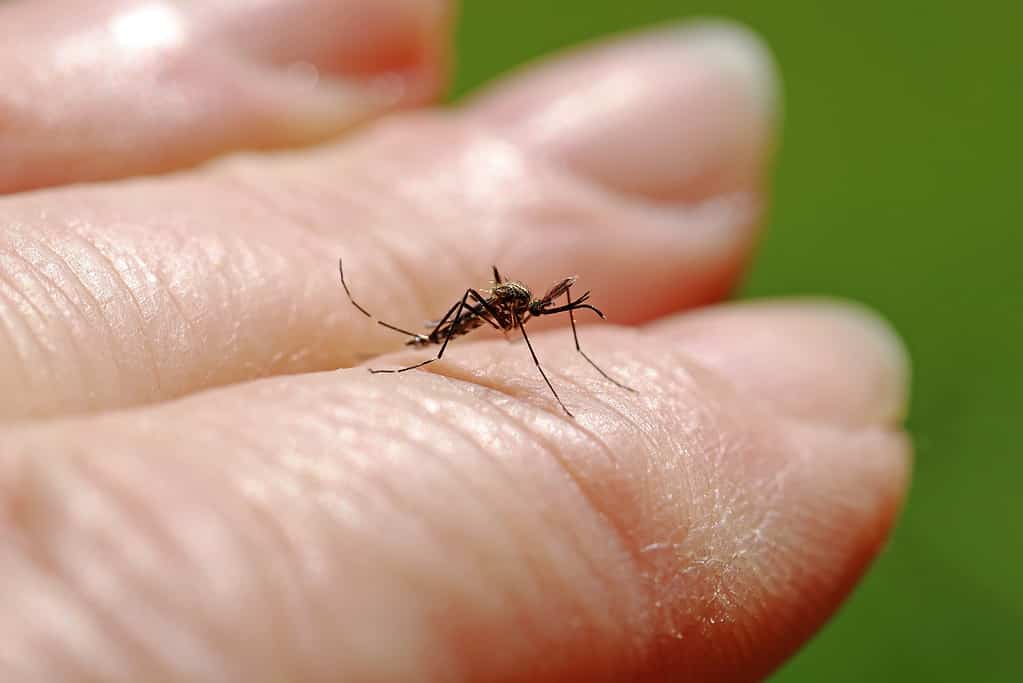
Eliminating stagnant water is the most effective way to control mosquitoes, as they breed in as little as 1 inch of water in just 7 to 10 days.
©Astrid860/ via Getty Images
Some mosquito species target livestock and pets and can infect them with various illnesses, including equine encephalitis and heartworm disease, the most common and dangerous mosquito-borne threat to domestic pets.
The Asian tiger mosquito (Aedes albopictus), a daytime biter, and the Southern house mosquito (Culex quinquefasciatus), which is more active at night, are the most prevalent mosquito species in the state.
Kissing Bug
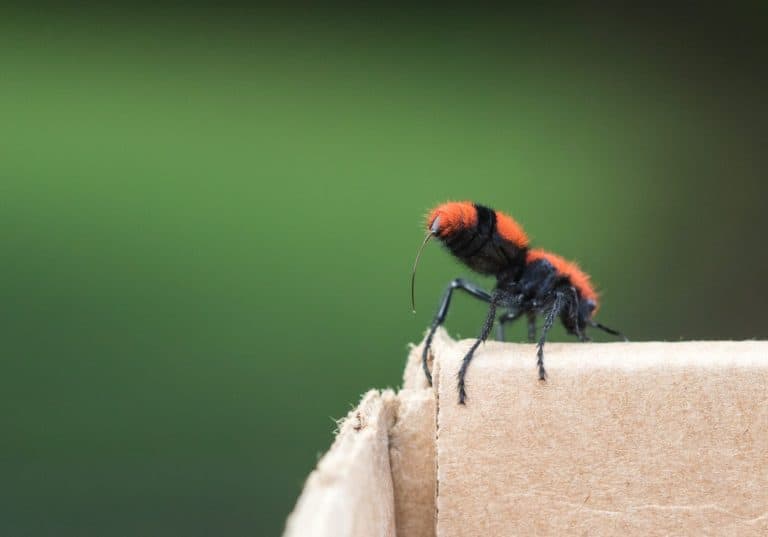
There are approximately 130 species of kissing bugs in the subfamily Triatominae. Kissing bugs can carry a parasite that causes Chagas disease.
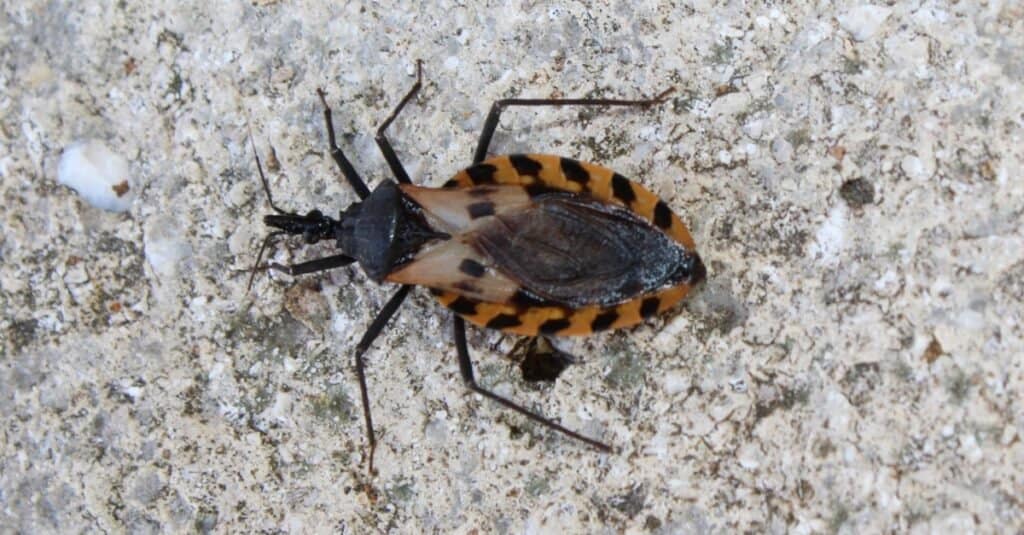
Don’t be fooled by its name. The kissing bug is named for its habit of biting its prey on or near the mouth.
©Vanessa Becker-Miller/Shutterstock.com
If left untreated, Chagas disease can cause chronic lifelong issues. Symptoms include body aches, fever, headache, fatigue, loss of appetite, rash, diarrhea, and nausea. Long-term symptoms include:
- Heart failure
- Enlarged heart
- Difficulty swallowing
- Digestive issues
- Inability to eat solid food
Wasp
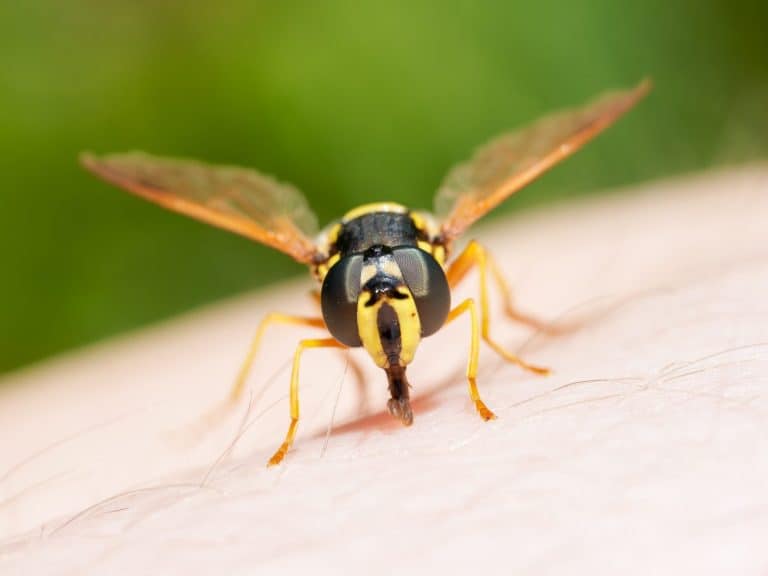
Mississippi’s warm, humid climate supports a wide diversity of wasp species, including paper wasps, hornets, and yellowjackets. These insects are crucial pollinators as well as stinging pests. Of the more than 100,000 species of wasps, very few are capable of stinging, and among those, only females possess stingers.
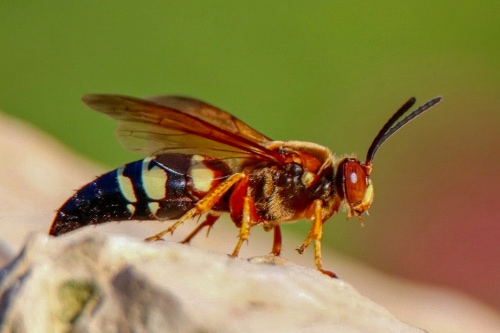
The majority of wasps are harmless and do not sting.
©Susan Rydberg/Shutterstock.com
Mississippi is home to several wasps that can deliver a painful sting, including Carolina red paper wasps (Polistes carolina), Southern yellowjackets (Vespula squamosa), and bald-faced hornets (Dolichovespula maculata).
Interestingly, only female wasps have stingers. The stinger in wasps is part of the ovipositor, which is the organ female insects use to lay eggs. Because males do not have this anatomy, they completely lack a stinger.
Bat
Mississippi is home to 14 native bat species, most of which are highly beneficial insect controllers. However, in the United States, bats are the leading cause of human rabies deaths, although other wild animals such as raccoons, skunks, and foxes also carry the virus. Although bat bites and scratches are tiny and often painless, they can transmit rabies, which, left untreated, is a 100% fatal disease.
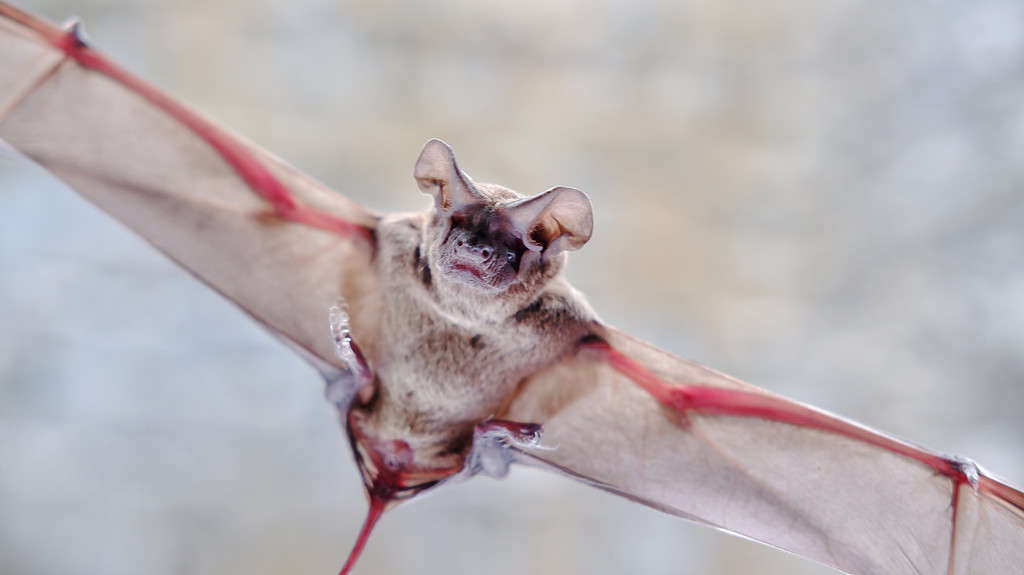
Tadarida brasiliensis, known as the Mexican free-tailed bat or Brazilian free-tailed bat, is found in Mississippi.
©Poetra RH/iStock via Getty Images
Because bat teeth are tiny, their bites are often painless and can go unnoticed, especially in domestic pets. Bats are primarily insectivores and rarely bite pets. However, dangerous interactions may occur if a sick or dying bat falls to the ground and a curious pet investigates. If you witness or suspect that a pet has had contact with a bat, it is important to seek preemptive medical care. Once symptoms of rabies are evident, the disease is fatal.
Bee
Mississippi is home to approximately 200 documented species of bees, including honey bees (Apis mellifera), bumblebees (genus Bombus), carpenter bees (genus Xylocopa), and sweat bees (family Halictidae). While most bees are non-aggressive and don’t usually sting, they can be dangerous, especially to individuals with an allergy to bee venom, as this can cause anaphylactic shock, which may be life-threatening.
Like wasps, only female bees can sting.
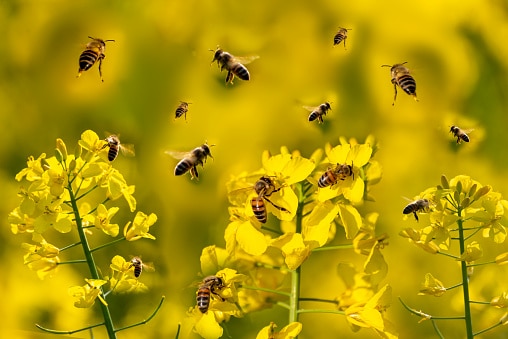
Although bees are essential pollinators, their stings can be deadly to allergic individuals.
©Frank Wagner/iStock via Getty Images