
One of the Mid-Atlantic region’s tiniest states, which is frequently disregarded in favor of its more well-known neighbors, yet delivers a powerful punch because of its stunning sandy beaches, picture-perfect landscape, and magnificent river.
It even boldly refers to itself as the “Small Wonder,” and for good reason—the 96-mile-long state has a lot to offer tourists, and Joe Biden, the Democratic president, is even a native of Delaware.
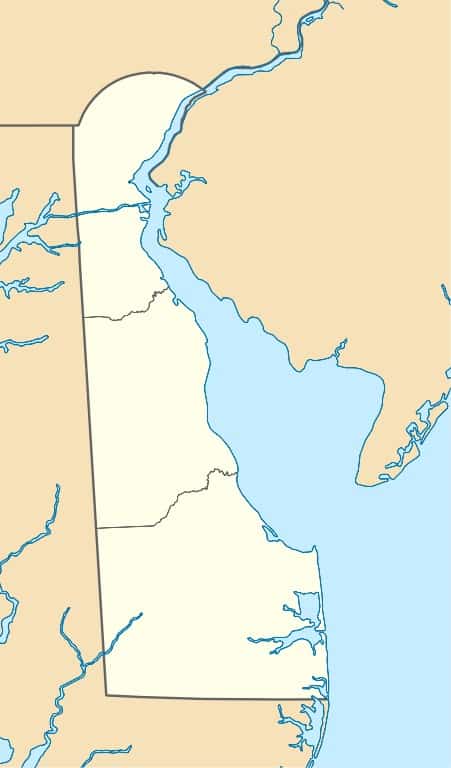
The state refers to itself as the “Small Wonder,” because the 96-mile-long state has a lot to offer tourists,
This location has a state insect like the other 49 states, along with serene islands and jaw-dropping historic buildings! The official Delaware state insect is the 7-spotted ladybug. We’re going to dive into everything there is to know about this beloved creature and why Delaware chose it for the state insect!
Thank the Kids!
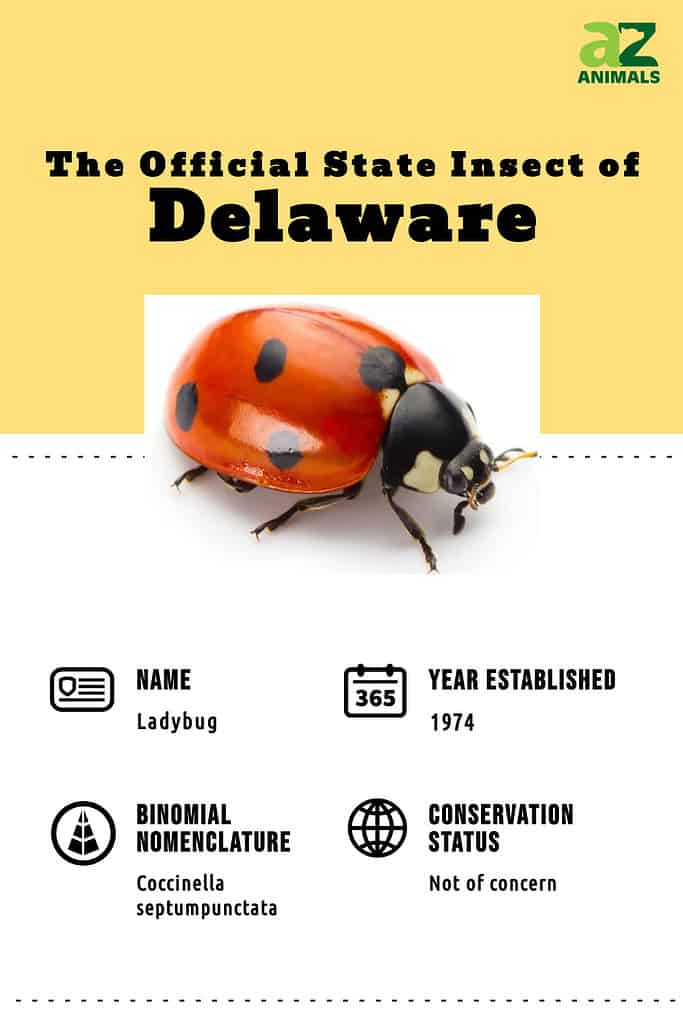
As a result of a concerted campaign by Ms. Mollie Brown-Rust and her second-grade children at Lulu M. Ross Elementary School in Milford, Delaware, the ladybug was chosen as the state insect of Delaware on April 25, 1974.
Believe it or not, this is how many states choose an insect. Who better to pick something that represents the state than kiddos? They are the future, after all!
Appearance
Eggs are in groups of 10 to 50 and are rectangular and bright yellow. The size of each egg is one millimeter. The larval stage comes next. Although the color of larval stages might vary, they are typically black-grey with orange patterns and are heavily segmented.
Each molting shows an increase in size. Pupae range in color from black to gray and red to orange, and they are often the same size as adult ladybugs. They have little spikes covering them and are segmented, nearly diamond-shaped.
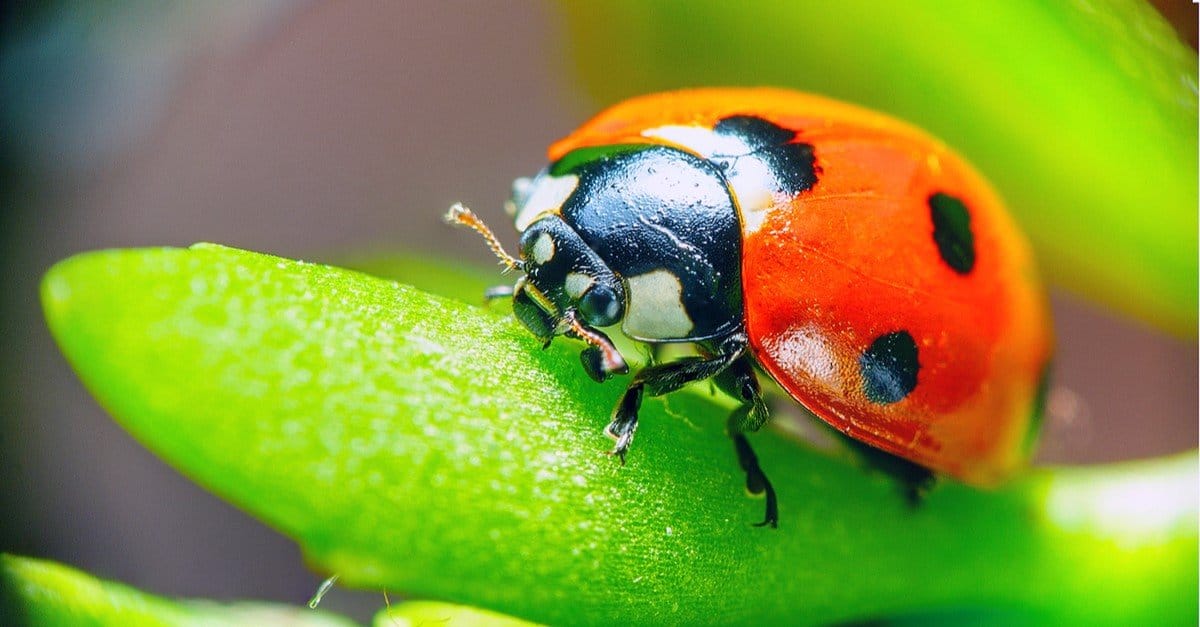
The wingcases of an adult 7-spot ladybird are covered in a total of seven spots. They feature three black spots in each wing case, with the seventh one sitting in the exact center of the wings and behind the head.
Diet and Lifestyle
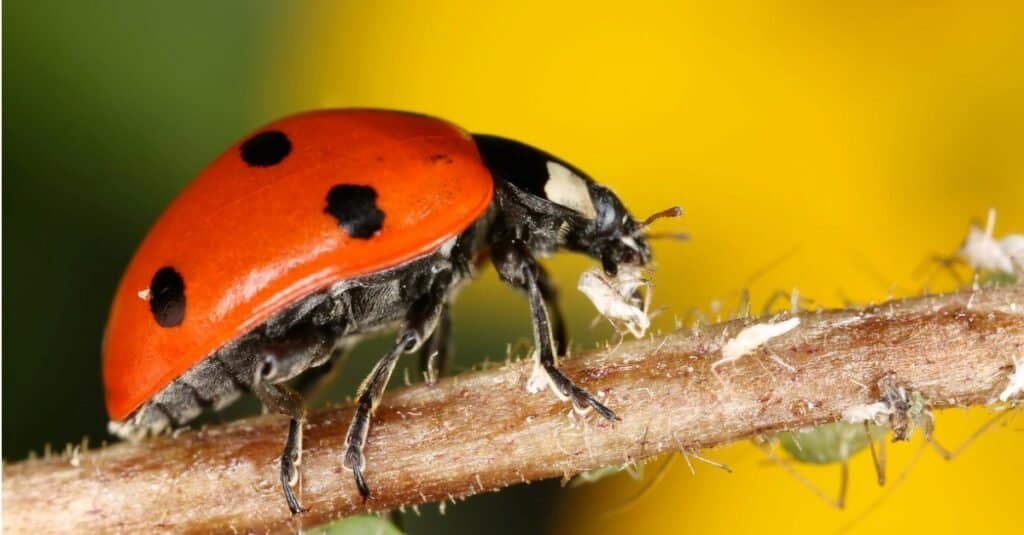
Female ladybugs eat as many as 75 aphids/day; they also like to eat scale, mealybugs, and spider mites.
©iStock.com/Henrik_L
Aphids are the main food source for both adults and larvae. They do consume other little insects as well, but gardeners favor them because of their passion for aphids. Over the course of a year, a ladybug can consume 5,000 aphids.
Typically, ladybugs mate in May, and from June through July, the females lay their fertilized eggs in bunches on leaves. As soon as the larvae hatch, they consume aphids to get ready to pupate. They develop as fully formed ladybugs from their pupal stage.
Spotting a 7-Spotted Ladybug
Throughout the winter, the 7-spot ladybug rests in foliage, empty plant stems, and garden structures. It first appears in the spring, often between March and April, looking for food.
Due to their prevalence, keep an eye out for them in both urban and rural locations. Every spring, the first ladybug you see could aid scientists in tracking how climate change is affecting biodiversity.