
Mosquito invasion is a concern in Ohio because of the mosquito-borne diseases that may occur. Their invasion peak periods vary according to seasons, area, and time of day. Because Ohio’s landscape is a natural habitat for several mosquito species, their control is essential for human and animal health.
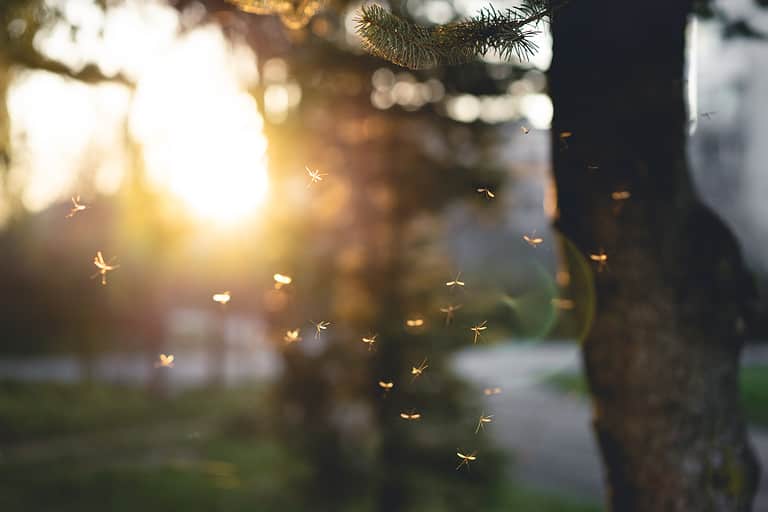
Mosquitoes are certainly a risk. They are a nuisance and act as carriers of disease-causing pathogens. These insects are more active in the warm summer months.
Ohio is home to 60 different species of mosquito. Several types of these mosquitoes can transmit serious and possibly fatal diseases. Even without transmitting diseases, a mosquito bite can result in an allergic reaction. These can be itchy and significantly uncomfortable. In some cases, the excessive scratching can tear the skin, exposing the tissue to secondary infections.
The weather and climatic zone significantly influence mosquitoes’ peak season. In Ohio, mosquitoes invade in the spring and summer seasons and stick around into the fall. They become a bother to residents, who are forced to limit their outdoor time.
The mosquitoes that bite are the adult females, while male mosquitoes feed only on plant nectar. When mosquitos invade in high numbers, they lower property values. Farm animals become less productive and may catch mosquito-borne diseases.
Description and Life Cycle
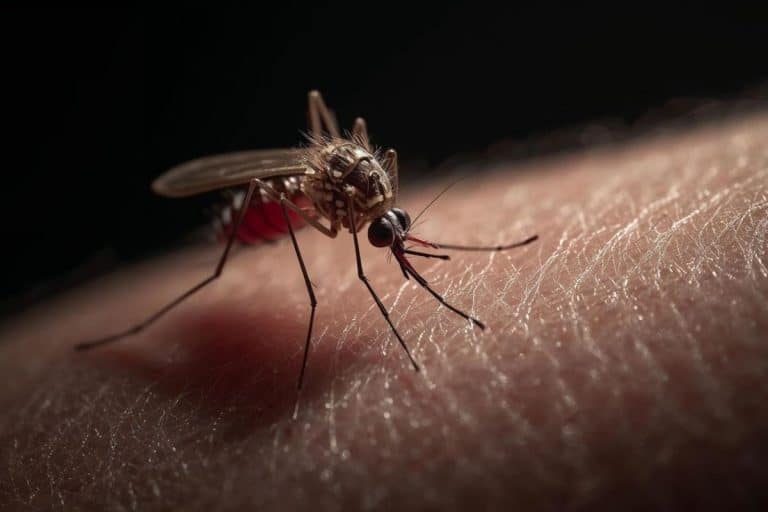
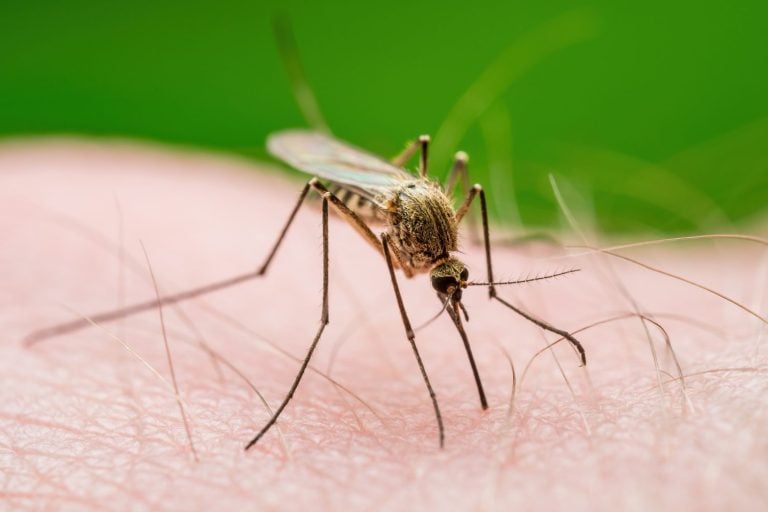
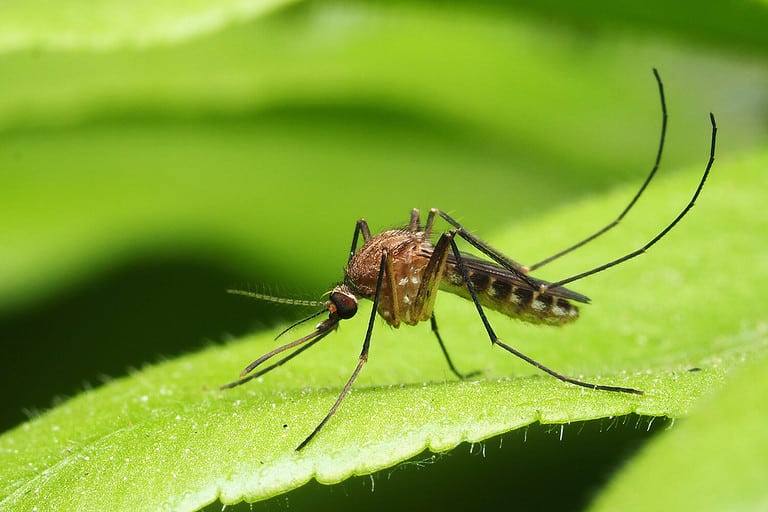
An adult mosquito is a fragile flying insect with a small, slender body, one pair of narrow wings, and three long, slim legs. They have two compound eyes and an elongated nose they use for piecing called a proboscis. They have a length of 5 to 13 mm.
All mosquitoes undergo a complete metamorphosis, going through the stages of egg, larvae, pupa, and adult.
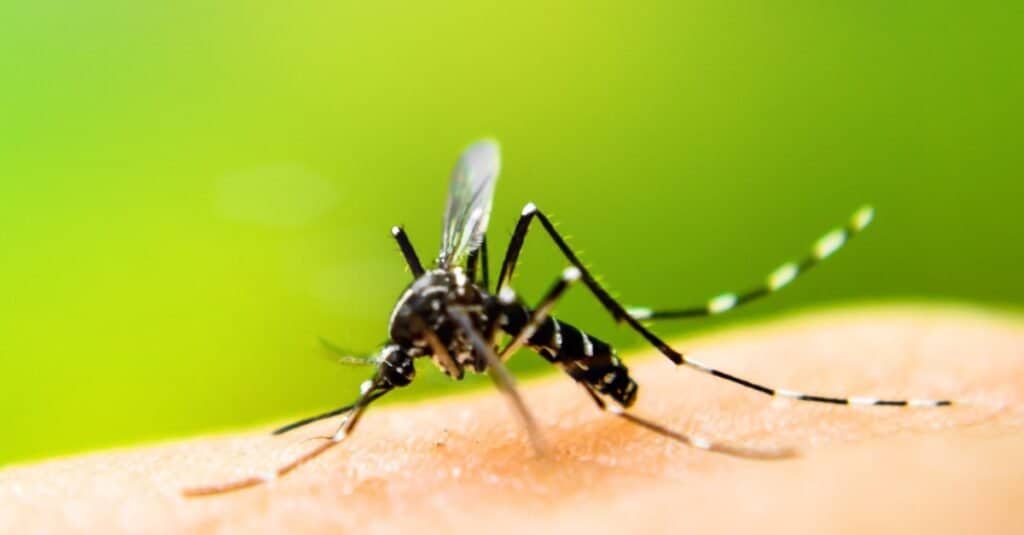
Mosquitoes that invade Ohio may cause diseases.
©iStock.com/auimeesri
Mosquito eggs measure about 0.6 mm. Near hatching, the eggs turn dark brown to near black. Mosquitoes lay their eggs in stagnant water, as moving water will carry the larvae and pupae away.
Eggs may hatch within days or remain dormant until conditions are favorable for weeks, months, or years. The larvae develop through four stages, each of which is distinct physically. After growing through the fourth larval instar, the larva sheds its last skin to become a pupa.
Unlike other insects’ inactive pupa, mosquitoes are pretty active and navigate easily in water, though they do not eat. The pupa stage lasts from one to a few days. It sheds the pupae casing upon maturity and emerges on the water surface. The adult floats using surface tension until its wings are strong enough to fly.
Diseases Transmitted by Mosquitoes in Ohio
The concern about mosquitoes in Ohio and worldwide is their possibility of transmitting diseases. The insects act as vectors of various conditions affecting both humans and animals.
When sourcing blood (it requires protein to produce eggs) from animals, the female mosquito can carry pathogens from one host to another.
Common diseases caused by mosquitos are:
- West Nile Virus (WNV)
- LaCrosse Encephalitis (LAC)
- Eastern Equine Encephalomyelitis (EEE)
- St. Loius Encephalitis (SLE)
Some of the diseases mosquitoes spread are epidemic. For example, SLE and eastern equine encephalomyelitis can be absent in a region for years and reemerge without warning.
| Scientific Name | Common Name | Medical Importance |
|---|---|---|
| Aedes albopictus | Asian Tiger mosquito | AC, EEE, SLE, Pest |
| Aedes Canadensis | Banded Spring Mosquito | LAC, Pest |
| Aedes triseriatus | Eastern Treehole Mosquito | LAC, Pest |
| Aedes titivate | Floodwater Mosquito | Pest |
| Aedes vexans | Vexans Mosquito | Pest |
| Anopheles quadrimaculatus | Malaria Mosquito | Malaria, Pest |
| Coquillettidia perturbans | Cattail Mosquito | EEE, Pest |
| Culex pipiens | Northern House Mosquito | WNV, Pest |
Knowing the type of mosquitoes invading your house or backyard is helpful. Prevention is better than cure when dealing with mosquito-borne diseases.
1. Asian Tiger Mosquito
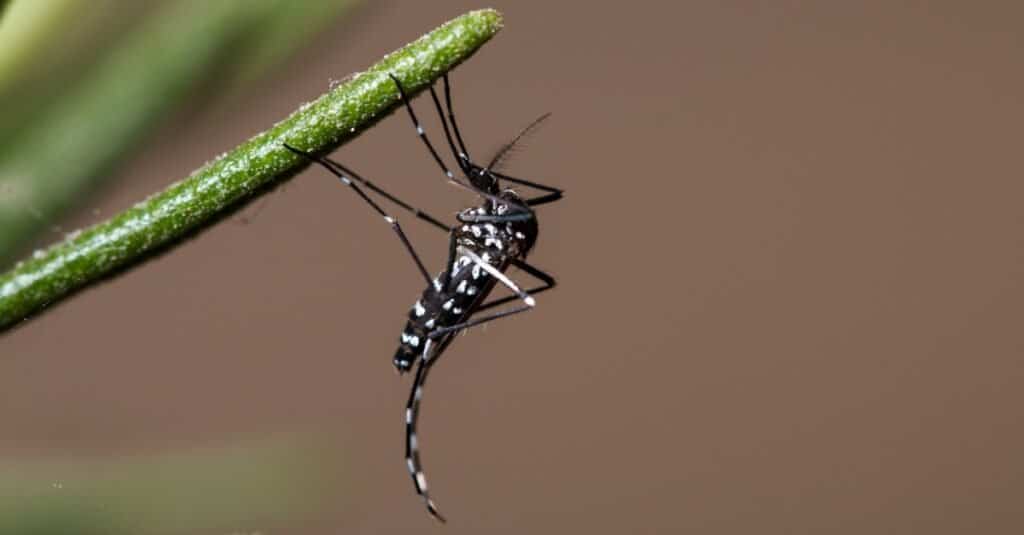
Popular breeding areas include anything that holds water, like tree holes, used tires, bottles, and tin cans.
©Oliver Spiteri/Shutterstock.com
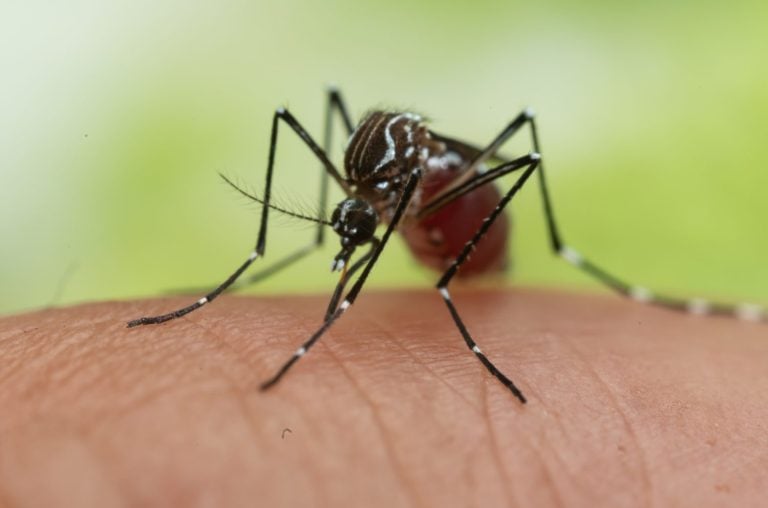
The name of this mosquito is due to its black body with tiger like white stripes. It also has a distinctive white line along its back. It averages around 4.7 mm long. The eggs of a tiger mosquito can remain dormant during winter in Ohio.
Popular breeding areas include anything that holds water, like tree holes, used tires, bottles, and tin cans. The species came from Asia between 1983 to 1985, along with a shipment of used tires. Distribution of imported tires across the U.S. led to the spread of the tiger mosquito in new locations, including Ohio.
2. Banded Spring Mosquito
The dark Aedes canadensis has white stripes at the end of both segments. This pest is highly present in woodlands, where they are the first to appear at the start of spring.
They prefer breeding in pools of spring rains or melting snow. The mosquito lays eggs singly above the waterline or on the ground. The species’ eggs can remain dormant overwinter and hatch when the conditions are right.
Only one generation thrives annually. It’s most active during evening hours but can also bite during the day or night. The species is a secondary vector of LAC in Ohio.
3. Tree Hole Mosquito
Mosquito species Aedes triseriatus are black with silvery white scales on the thorax. Its main breeding area is tree holes, but it can also lay eggs in other discarded artificial containers, including tires. They have a painful bite and are very bothersome in the woods.
Tree hole mosquitoes don’t wander far from their breeding areas. Their larvae development is slower, requiring almost a month to mature. The species is a primary vector of LAC in Ohio. It has several generations per year and its eggs enter dormancy during winter.
4. Floodwater Mosquito
Aedes trivittatus’s upper thorax surface has two noticeable white stripes. The species’ larvae thrive in floodwater pools. In the early stage of development, the young larvae feed at the water surface. Later instar stage larvae spend most of their time hiding in the vegetation submerged by the pool.
It isn’t easy to encounter floodwater mosquito larvae, although adults are present in large numbers in the infested areas. Its egg takes about eight days to mature into adults. Adults are barely active during the daytime and pass their time in shaded vegetation and grasses.
They are primarily engaged in the evening. However, even during the day, they will bite if disturbed. Like other mosquitoes, their eggs remain dormant over winter.
5. Vexans Mosquito
The Aedes Vexans is a primary pest mosquito in Ohio and other parts of the U.S. The species has a brown color with narrow white ring scales on the hind tarsi. Another unique characteristic of the Vexans mosquito is a “V” shaped notch bisecting each band of the white scales on the upper side of the abdomen. Vexans mosquitoes are very abundant. They breed in flood waters, rain pools, roadside puddles, and other temporary freshwater bodies. These insects lay eggs on the ground above the water line, which will hatch when floods occur.
Depending on temperatures, the aquatic development stages of the species may take 10 days to three weeks. Their adults move long distances from breeding places in search of food. In fact, adult Vexans mosquitoes can wander five to 10 miles upon maturity.
The species’ adult life span is up to two months. During the night, light attracts insects. They rest during the daytime, taking cover in shaded vegetation.
6. Malaria Mosquito
The Anopheles quadrimaculatus is a giant, dark brown mosquito with four dark spots near the center of each wing. The tarsi are entirely black.
Anopheles quadrimaculatus breed throughout summer, and overwintering occurs in mature fertilized females. This species lay their eggs on the water surface with lateral floats. A female lays 100 eggs or more at a time. Since the female lays eggs in batches, the Anopheles mosquito mother can lay over 3,000 eggs in 12 packs!
The species is dangerous because they transmit malaria to humans in the Eastern U.S. Additionally, they like spending their time in houses and other shelters. Their mosquitoes’ bite is less painful than other species and often goes unnoticed. Adults remain inactive during the daytime and feed at night on humans, horses, cows, pigs, mules, and chickens.
Malaria mosquitoes can fly up to 1.5 miles from their breeding site for food and new breeding sites.
7. Cattail Mosquito
Coquillettidia perturbans species’ wings have a peppered appearance because of their scales. It has a rounded abdomen, and its beak and tarsi have white stripes. Breeding occurs in permanent water with growing plants, such as marshes.
Larvae and pupae attach to the roots or stems of aquatic plants like cattails (Typha sp). The larvae of cattail mosquitoes overwinter in mud, and the species can produce more than one generation yearly. Its peak emergence is from May to June, declining in July. It mainly feeds on mammals, including humans.
They are the primary pest mosquitoes in Ohio, and evidence shows they can transmit EEE, dog heartworm, and California group viruses.
8. Northern House Mosquito
Culex pipiens is a brown medium sized mosquito with white scale bands on its abdominal segments. The species lays its eggs in clusters of 100 to 400, known as rafts. The eggs take one to two days to hatch in warm weather.
Its larva usually matures into a pupa in eight to 10 days but requires two or more weeks in cooler weather. One subspecies of the northern house mosquito doesn’t require a blood meal to produce eggs.
The mosquitoes don’t usually fly far from their breeding grounds. They are nocturnal and spend daytime hours in and around shelters. The species overwinters as fertilized mature adults. The northern house mosquito is a vector of SLE.
Other Insects Set to Emerge in Ohio During the Summer
There are wide varieties of ant species, and most enter our homes searching for food, water, and nesting places. While Ohio is home to 143 species of ants, five types are the most likely to emerge.
- Little black ants
- Carpenter ants
- Red imported fire ants
- Pavement ants
- Odorous house ants
- Gnats/Fruit flies
- Biting flies
- Stink bugs
- Spiders
- Centipedes and millipedes
How to Control Mosquitoes in Ohio
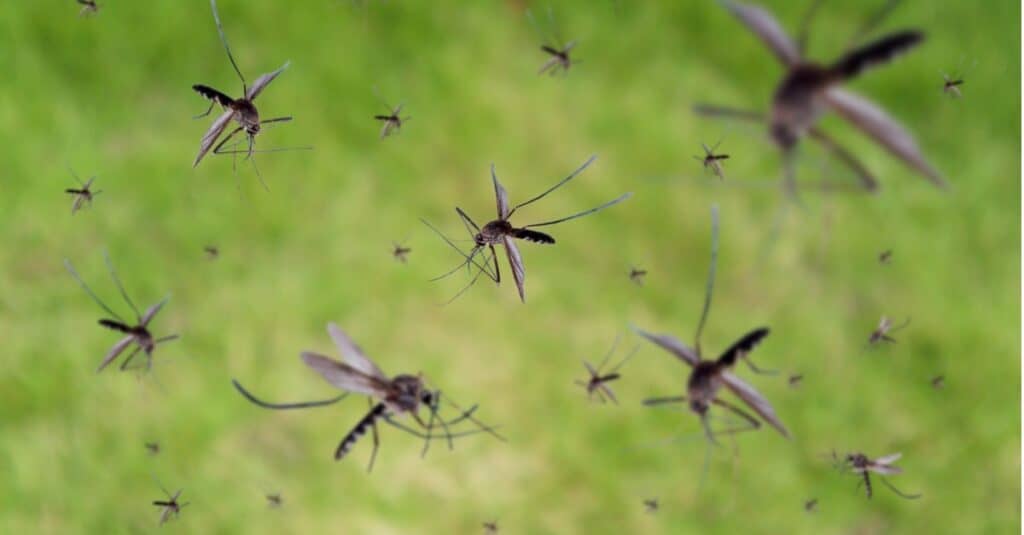
You can control mosquitoes by eliminating bushes and breeding grounds.
©iStock.com/Kwangmoozaa
Various natural and industrial solutions against mosquitoes come in the form of repellents or predators.
The best way to control mosquitoes is by eliminating their breeding place near your house. Mosquito eggs only hatch in water. Ensure there are no places within your yard where stagnant water has gathered. Tight covers on cisterns, septic tanks, cesspools, tubs, and barrels holding stagnant water will minimize egg-laying areas.
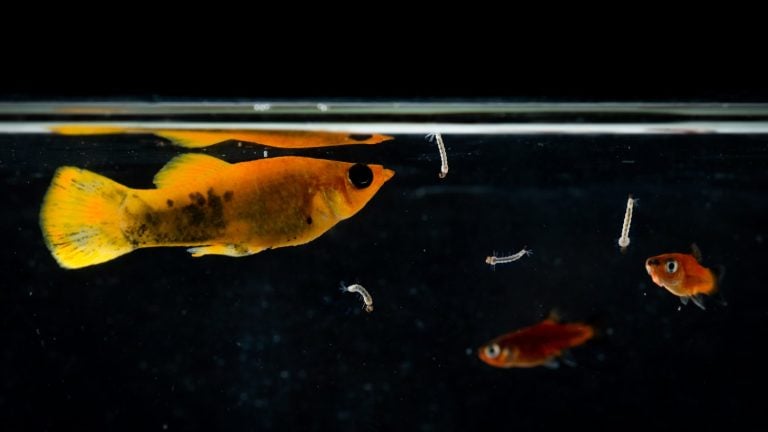
Another way to control mosquitoes is to keep your yard mowed and ensure there are no bushes near the house. The Department of Natural Resources in Ohio discourages the use of predators like Gambusia fish since they are not indigenous.