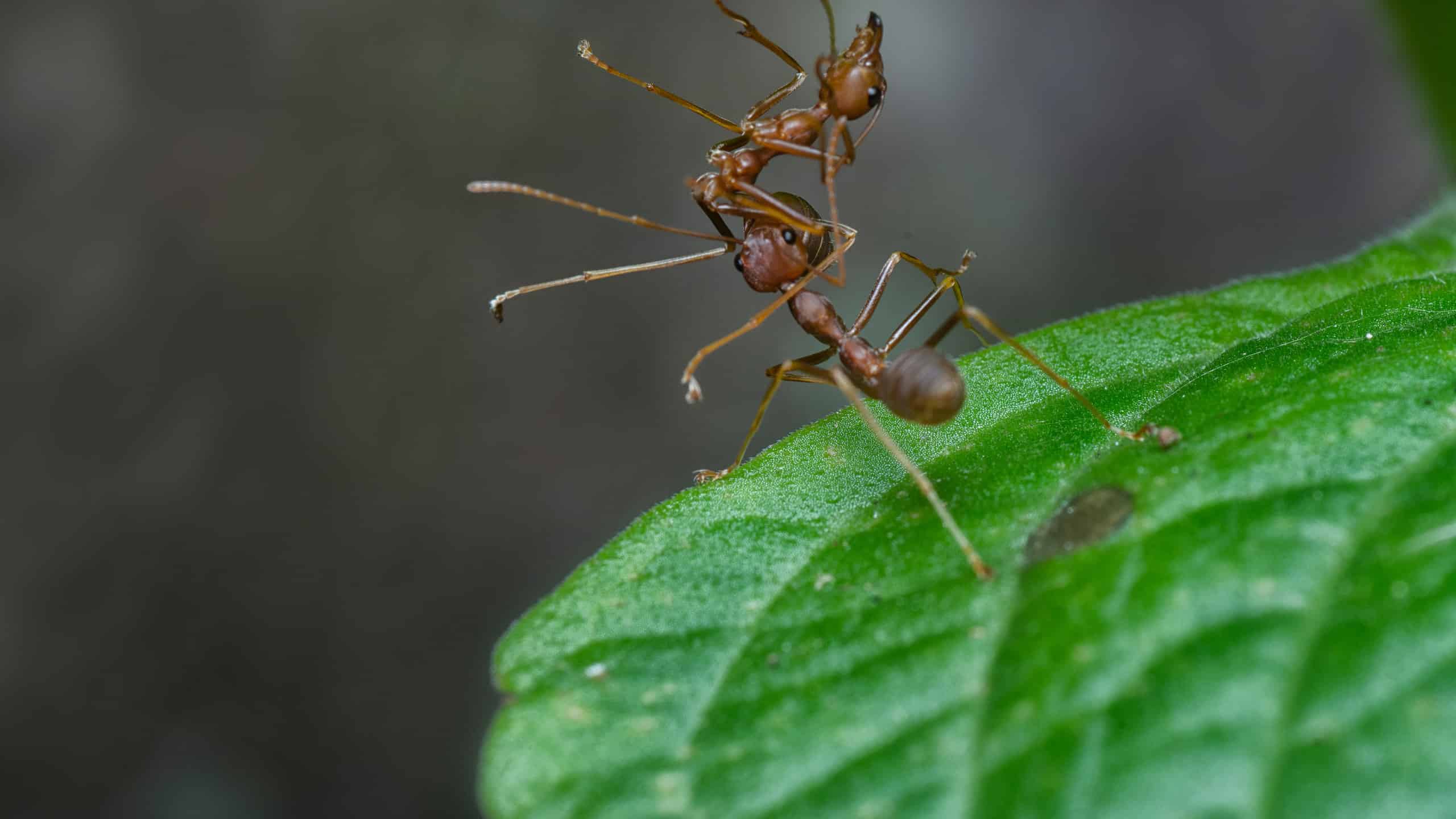

You’ve seen ants marching with their dead in tow and you might wonder if they’re participating in a procession. Could it be possible that ants follow through with burying their dead? Discover why ants carry away their dead and if they launch rescue operations when one of their own is injured.
How Ants Communicate With Each Other
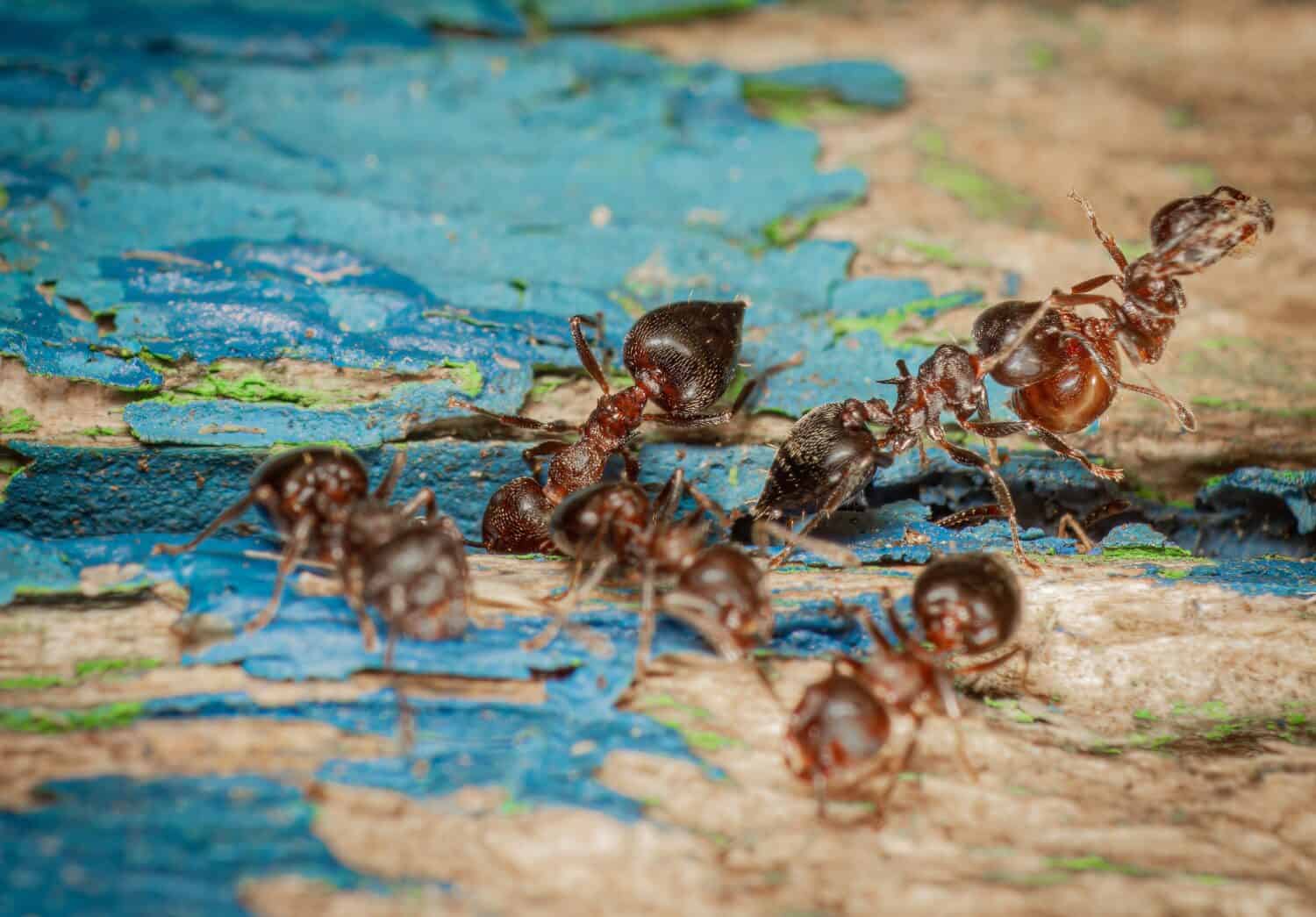
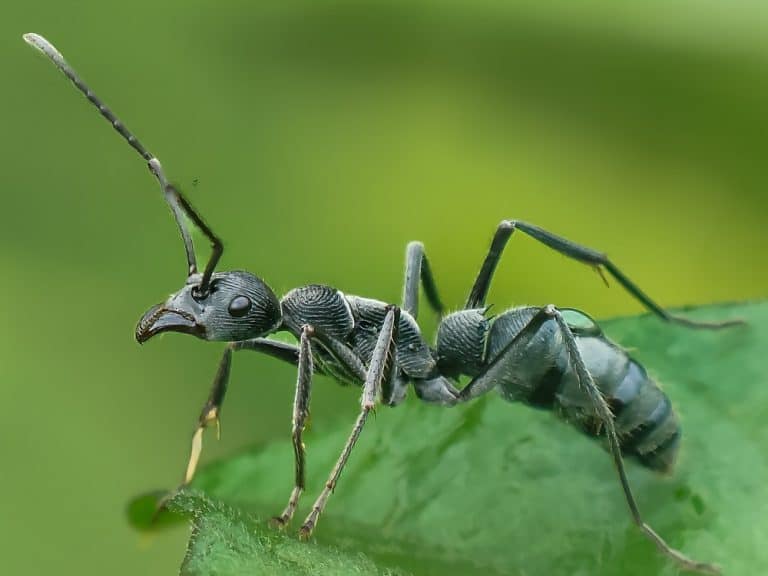
Dead ants release a chemical that alerts colony members it’s time to clean house.
©Pascal Guay/Shutterstock.com
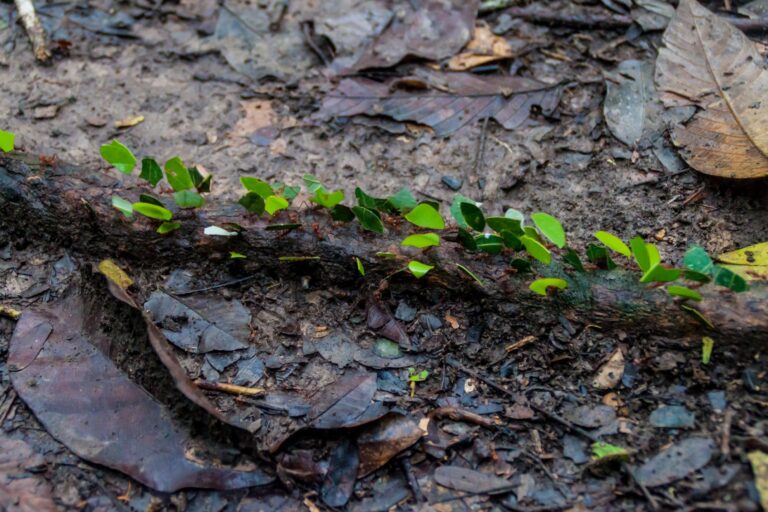
It’s all about the pheromones with ants. Pheromones are tiny chemicals that send big signals. They’re not setting up billboards or waving their legs back and forth to alert one another where the good restaurants are, but they do let one another know when the food is good and when it’s worth skipping. They also manage to keep a straight line. Not because some are liable to stray but because they follow one another’s pheromones in a trail, keeping the march together and focused.
Do Ants Launch Rescue Ops for Injured Colony Members?
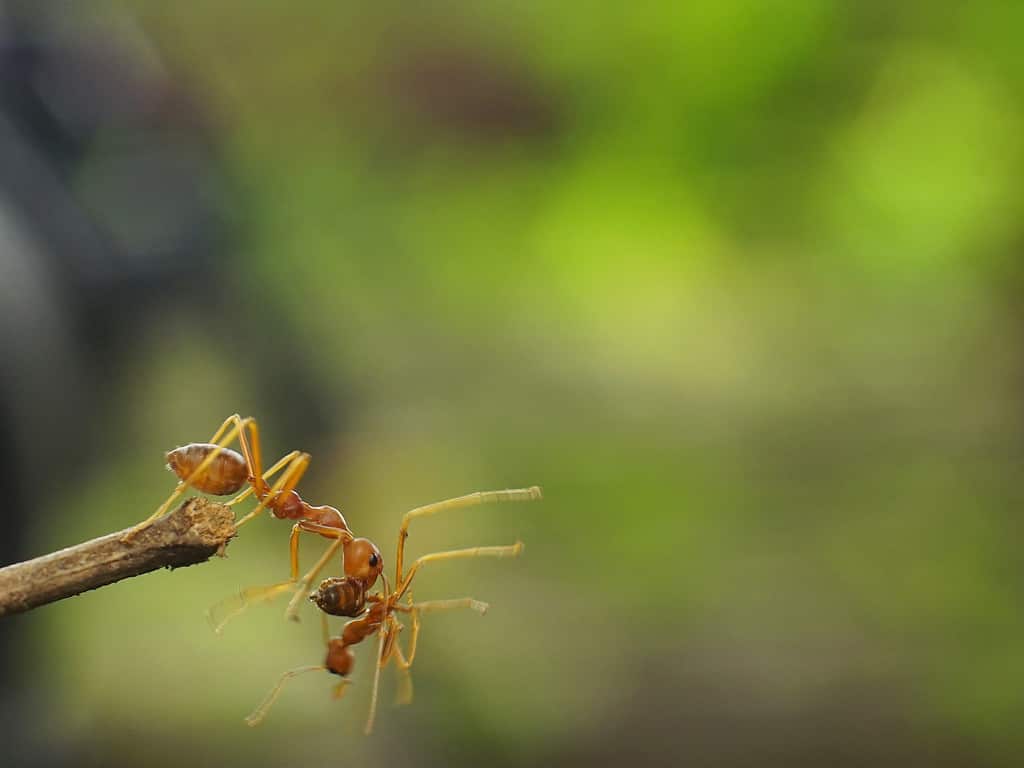
Ants can carry up to 20 times more than their own body weight, so transporting a dead or wounded teammate is a simple task.
©Sriyana/Shutterstock.com
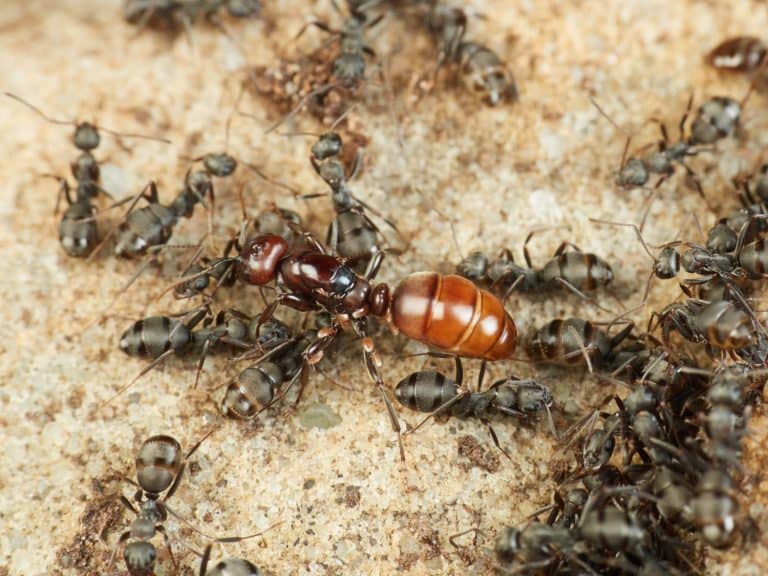
Ants are organized in all their endeavors. African Matabele ants, for example, head out to battle on a regular basis. Their opponents are termites and in the process of battle, some of the ants get hurt. When they do, they don’t leave them behind. Instead, they grab them and drag them back to their home base to check on their wounds. Once back at their nest, they move in to clean those wounds, effectively elongating their injured friends’ lives.
Why Ants Carry Away Their Dead
Using their coordinated movements, ants can pick up and transport objects up to 20 times more than their own body weight. Picking up and carrying a dead colony member is a simple task for them. You may have noticed that after killing some ants in your home, several more showed up but with a different interest. To pick up their dead. Once dead, the ants emanate a specific chemical called oleic acid. This signals to the other colony members that a fallen member needs to be disposed of.
Ants are clean creatures and by ensuring they dispose of their dead in a kind of ant cemetery (known as a midden), they can ensure they’re keeping their nesting areas clean, thereby protecting their queen. It’s an instinctual response for ants since the scents they each emanate help them navigate their environment and respond appropriately to one another. Aside from using their sense of smell and their coordinated movements, ants have strong mandibles that allow them to clamp onto an object, or a dead ant, and get moving.