
Quick Take
- A massive buffalo picking on a lone elephant calf sounds like a dangerous mismatch. That assumption lasts only until you see how fast the power dynamic flips. See the power shift →
- Why did the buffalo approach the calf at all? The answer is murkier than you'd expect from a wildlife encounter this intense. Explore the buffalo's behavior →
- Elephant calves don't survive on their own instincts alone. Every rescue like this one depends on a specific social structure. Watch the herd intervene →
- Elephants eat only plants, and yet the daily quantity it takes to keep one alive will reframe how you think about their size. See their daily food intake →
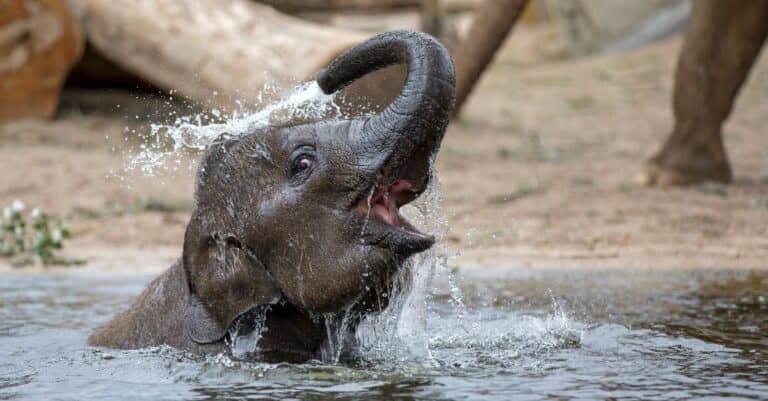
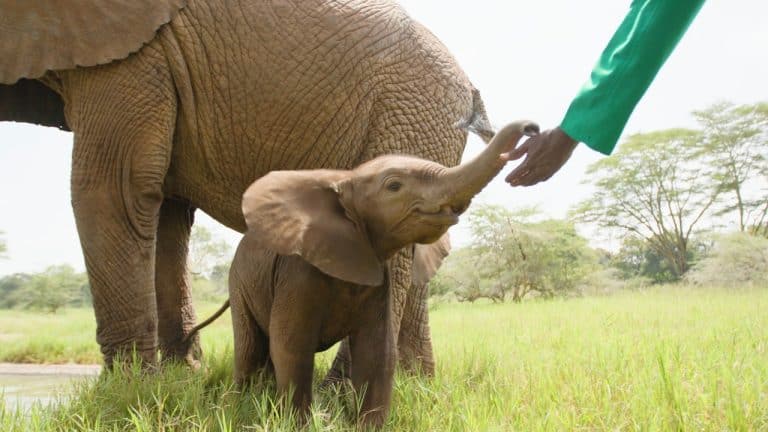
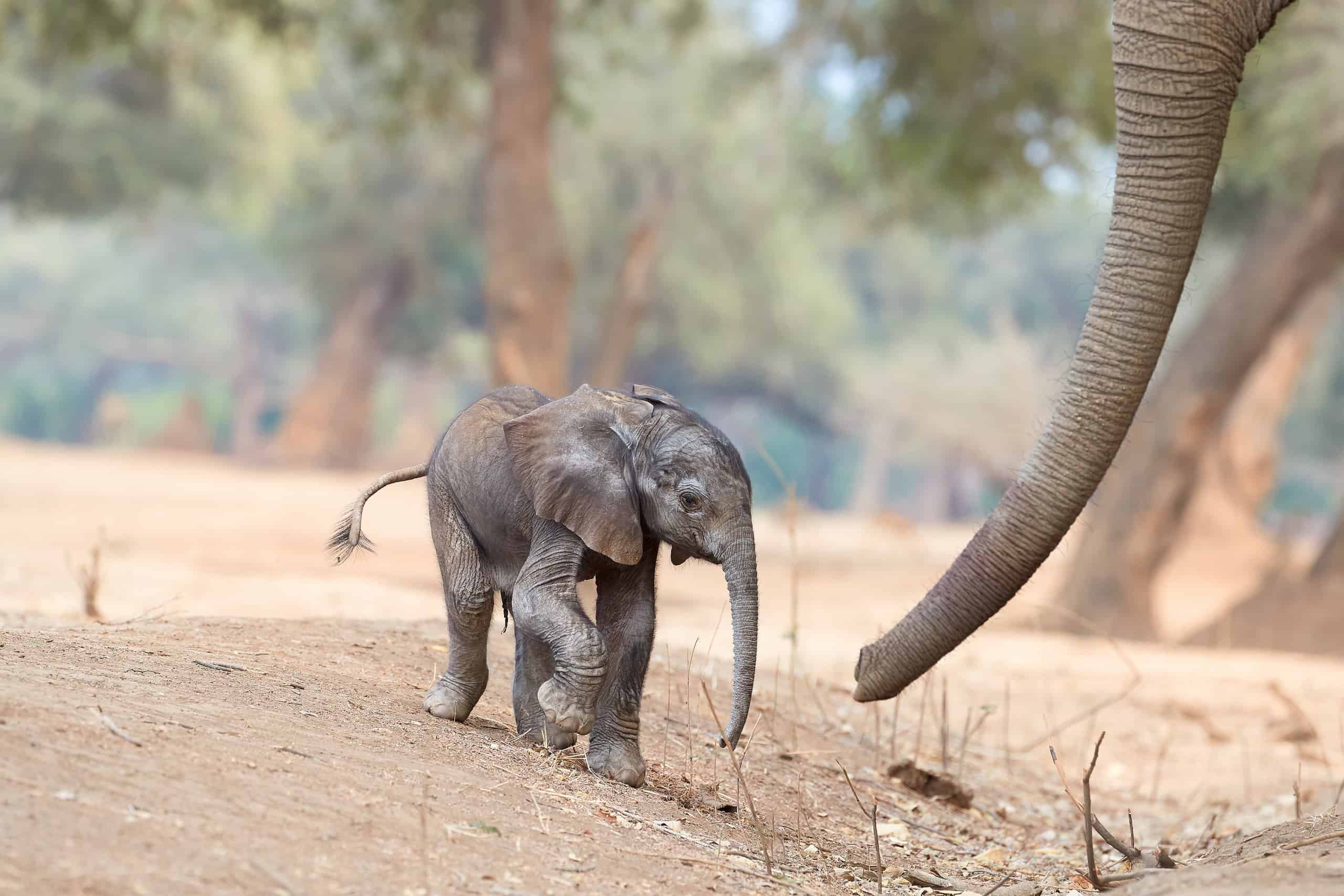
Young elephants get a lot of protection from the adults around them, and this clip shows why staying close to the herd matters. At MalaMala Game Reserve in South Africa, an elephant calf catches the attention of a much larger buffalo. The buffalo approaches and moves into the calf’s path, prompting the youngster to back away and vocalize.
Buffalo Confronts an Elephant Calf at MalaMala
The short YouTube clip at the top of this post was filmed at MalaMala Game Reserve in Africa. More specifically, MalaMala is in South Africa’s Greater Kruger region, along the Sand River near Kruger National Park. The reserve regularly shares wildlife footage featuring elephants, buffalo, snakes, leopards, wildebeest, lions, and plenty of other animals found in this part of Africa.
Adult Elephants Step In
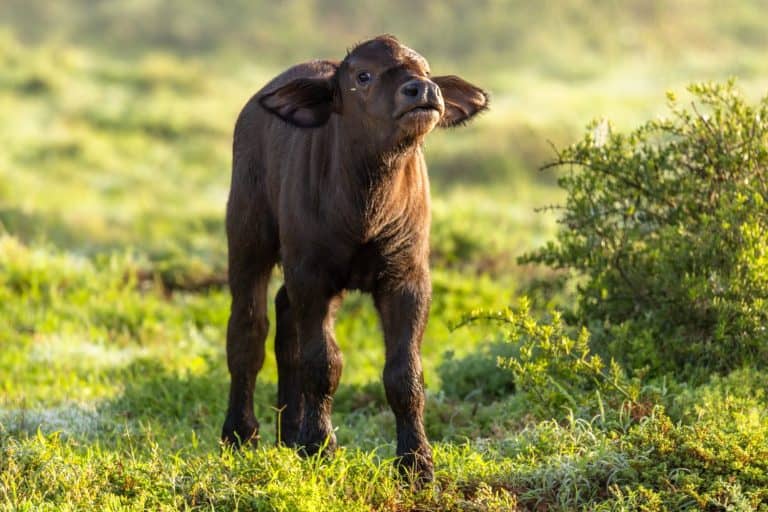
At the beginning of the clip, the calf is moving on its own when the buffalo approaches and gets in its path. The young elephant backs away and vocalizes. What we cannot tell from the video is why the buffalo approached. Wild animals do not come with subtitles, so there is no good reason to assume the calf had annoyed it or interrupted its meal.
The buffalo can be seen chewing while the encounter unfolds. African buffalo spend much of their time grazing, but chewing grass at that moment does not tell us what motivated the interaction.
Buffaloes are herbivores whose diet consists largely of grass. According to the African Wildlife Foundation, fresh green vegetation is especially important to them. Like cattle, buffalo are ruminants, so after grazing they regurgitate partially digested food and chew it again as cud.
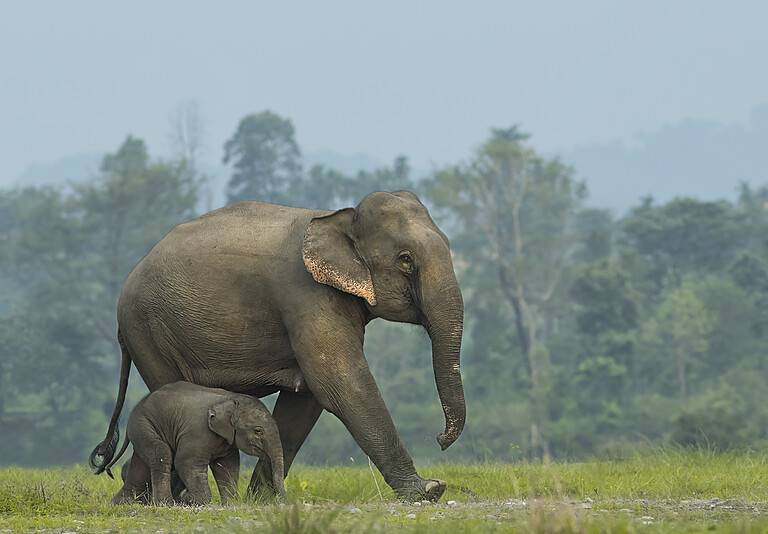
The balance of power changes quickly when adult elephants arrive. One moves toward the buffalo, which retreats from the calf and the group. The video does not provide enough information to identify which adult is the calf’s mother, but the response itself is not surprising. Elephant calves grow up in close social groups, and mothers, older females, and other herd members commonly help protect youngsters when they perceive a threat.
Do Elephants Eat Meat or Plants?
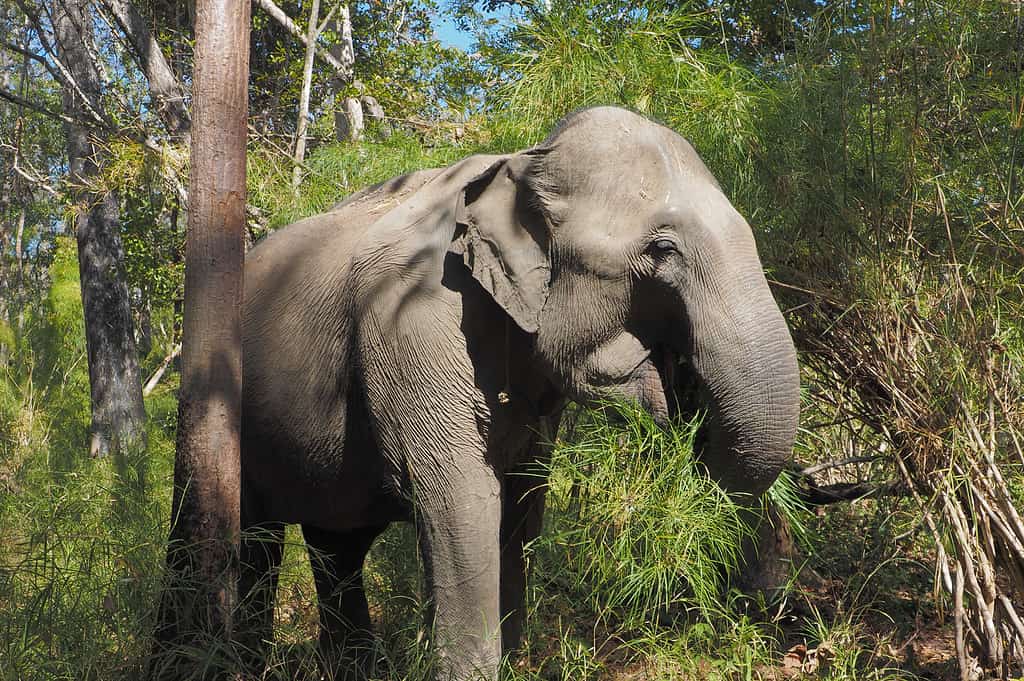
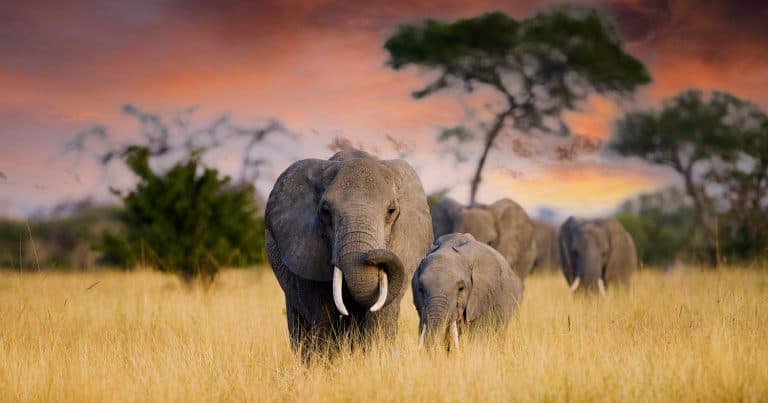
Elephants can reach up to 13 feet.
©DorSteffen/Shutterstock.com
Animals are often described using three broad dietary categories. Here is the basic distinction:
- Carnivore – Animals whose diets consist primarily of other animals
- Omnivore – Animals that regularly eat both animal and plant material
- Herbivore – Animals whose diets consist primarily of plant material
Those labels describe an animal’s normal diet, not an ironclad rule about every bite it will ever take. Some species classified as carnivores occasionally consume plant material, while some herbivores have been observed eating animal matter. Elephants, however, are firmly classified as herbivores.
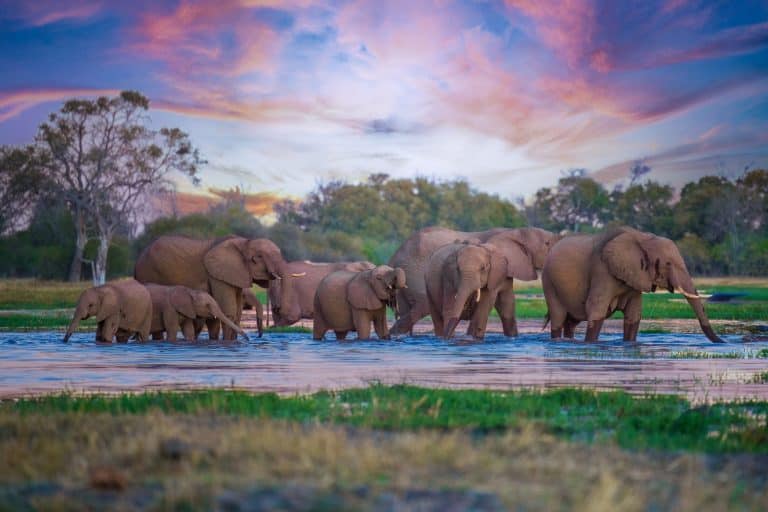
Elephants eat grasses, leaves, roots, bark, twigs, fruit, and other vegetation, and a large animal can go through an enormous amount of it. The Cleveland Zoological Society reports that its African elephants eat between 100 and 400 pounds of food per day, depending on the individual. Wild intake varies with an elephant’s size, age, habitat, and available food. Adult African males can weigh roughly 12,000 to 15,000 pounds, so keeping a body that size fueled is very much a full-time job.