
Quick Take
- Climate change is devastating most Arctic wildlife, yet one group of ocean giants is exploiting the chaos in a way scientists never predicted. See the surge in numbers →
- A single small fish is the hidden engine behind one of the most dramatic wildlife migrations ever recorded in the Arctic. Discover the key prey species →
- Thousands of massive whales flooding an ecosystem isn't the conservation win it looks like, and the losers may well surprise you. See who benefits and suffers →
- The maps scientists use to protect marine life are quietly becoming obsolete, as the whales themselves are proving. Explore the conservation implications →
When we talk about climate change, the narrative is almost always one pointing to species driven to extinction, habitats fragmenting, ecosystems collapsing. While that remains the overarching reality for the vast majority of life on Earth, marine biology often presents us with stark, fascinating paradoxes.
In the icy expanses of the Greenland Sea, a dramatic ecological reorganization is currently underway. Rising water temperatures and shrinking ice sheets are turning previously inaccessible Arctic waters into a sprawling, all-you-can-eat buffet for large ocean mammals.
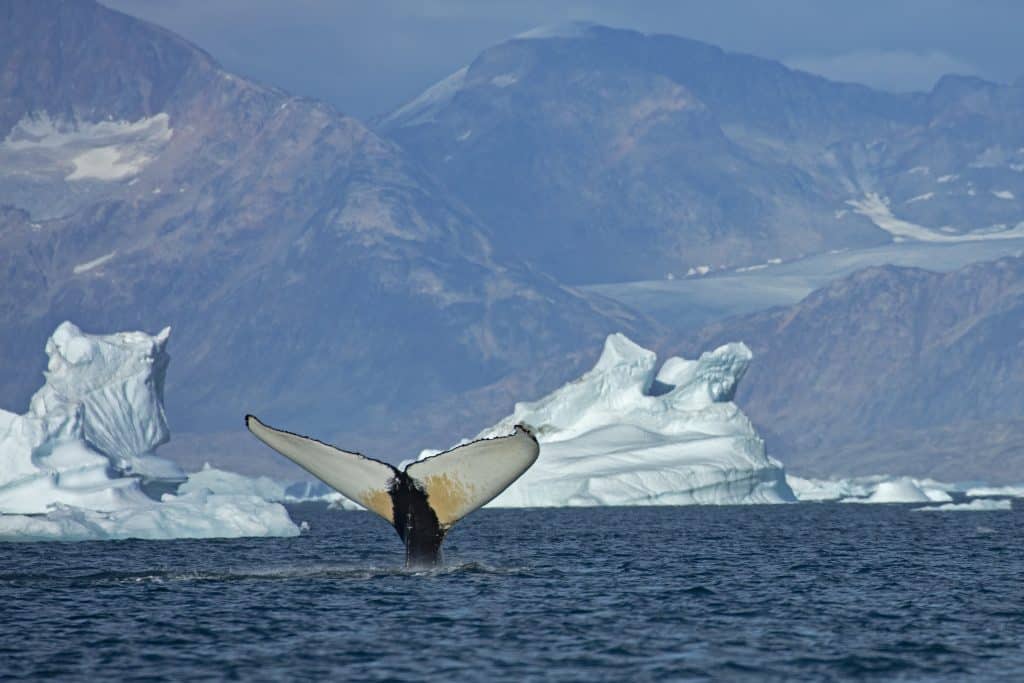
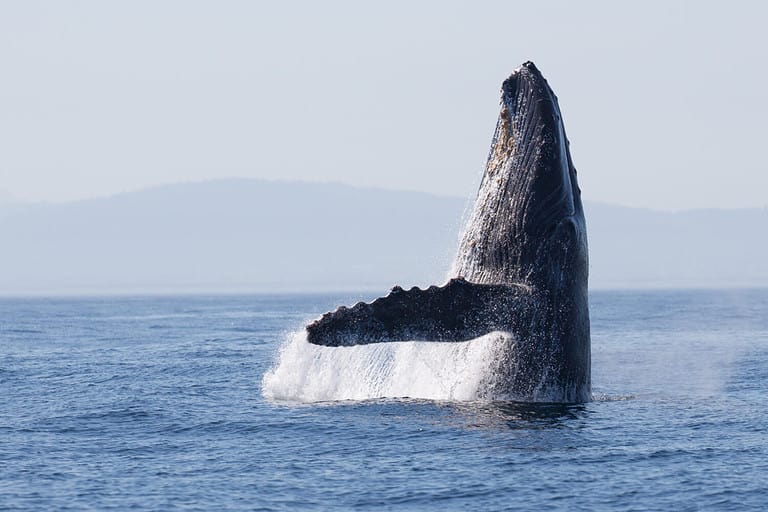
Humpback whale in Greenland Sea
©Fernando Ugarte
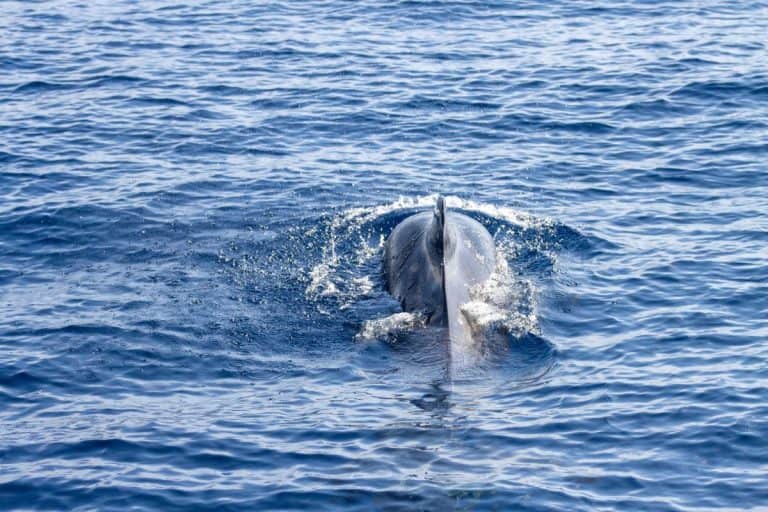
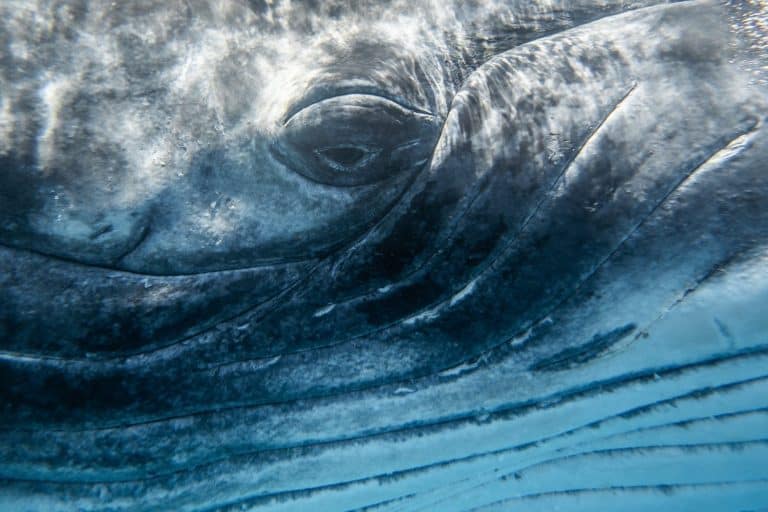
A landmark study published in Frontiers in Marine Science, led by Prof. Mads Peter Heide-Jørgensen at the Greenland Institute of Natural Resources, reveals that three heavyweights of the marine world — fin, humpback, and common minke whales — are swarming the East Greenland coast in numbers never seen in modern history.
What we are witnessing isn’t just a minor shift in animal movement but a full-scale ecological regime shift that highlights both the opportunistic adaptability of ocean giants and the precarious nature of shifting Arctic food webs.
The Numbers Behind the “Feeding Frenzies”
For decades, the waters along the East Greenland coast (stretching north of 60°N and across the Arctic Circle) were defined by dense pack ice and frigid temperatures. Temperate baleen whales generally avoid sea ice because it threatens their air supply and complicates navigation. Historically, seeing a humpback or fin whale this far north was a rare event recorded only by local hunters or seasoned sea captains.
The data gathered by Heide-Jørgensen’s team, which is a massive synthesis combining airborne surveys from 2015 to 2024, satellite tracking of tagged whales, historical ship sightings since 1987, and Indigenous Inuit knowledge, tells a striking story of rapid migration.
Ship-based surveys recorded zero humpback sightings in these waters prior to 2006. By 2007, seven were spotted. By 2015, that number rose to 26. In 2024, researchers logged over 150 sightings.
Encounters with Minke whales were virtually non-existent until the late 1990s. Since 2001, ships consistently encounter double-digit numbers year-on-year.
Once an unusual sight, ship crews in August 2025 reported massive mixed aggregations of up to 50 individual baleen whales feeding simultaneously near 69°N.
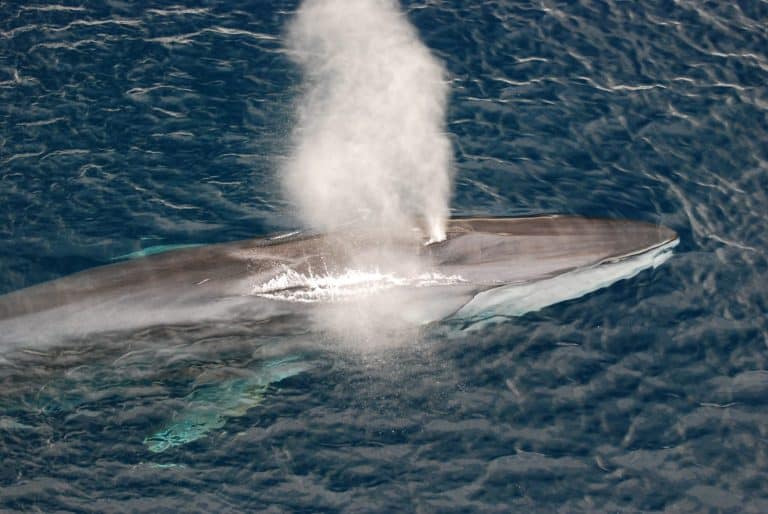
Researchers estimate that in the summer of 2024 alone, roughly 4,000 humpbacks, 6,000 fin whales, and 4,500 minke whales made the journey into the Greenland Sea.
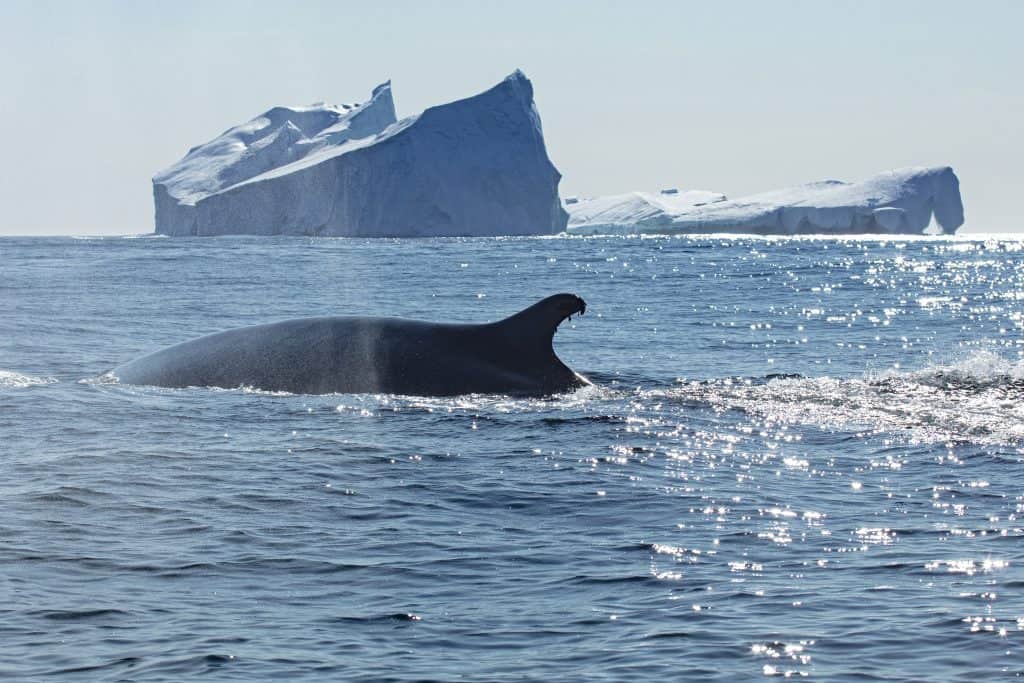
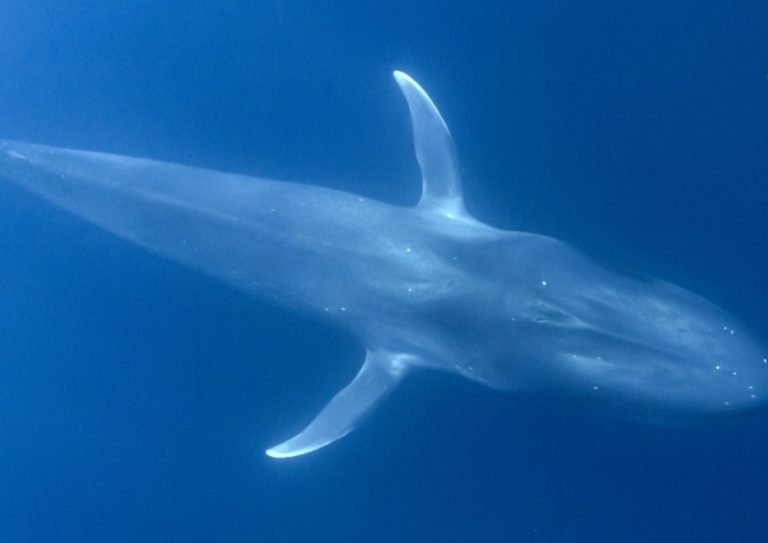
Fin whale in the Greenland Sea
©Fernando Ugarte
Follow the Fish
Why are thousands of multi-ton ocean giants moving into these high-latitude waters? The answer comes down to a small, oily fish called the capelin.
Capelin are a crucial link in North Atlantic food webs, serving as a primary calorie source for seabirds, larger fish, and marine mammals. As sea surface temperatures east of Greenland rose by roughly 2°C since the 1990s and summer pack ice receded dramatically, the thermal boundaries of the ocean moved.
Seeking cooler, nutrient-dense water, capelin shifted their historical feeding grounds away from the warming seas north of Iceland and moved northwest into the newly opened Greenland Sea.
Whales are highly attuned to ecological shifts. They didn’t just stumble upon this change; they actively tracked their primary food source. What researchers are witnessing along the East Greenland coast are massive, mixed-species “feeding frenzies,” where humpbacks, fins, and minkes work side-by-side to target dense schools of displaced capelin.
Winners, Losers, and Arctic Shifts
It is tempting to view the arrival of these magnificent creatures as an unmitigated environmental victory. For baleen whale populations, many of which are still recovering from 20th-century commercial whaling, access to an untapped feeding ground is an undeniable short-term win. Furthermore, because there are no commercial capelin fisheries operating in this specific region, these whales aren’t currently competing with human trawlers for food.
However, in ecology, there is rarely a free lunch without collateral consequences.
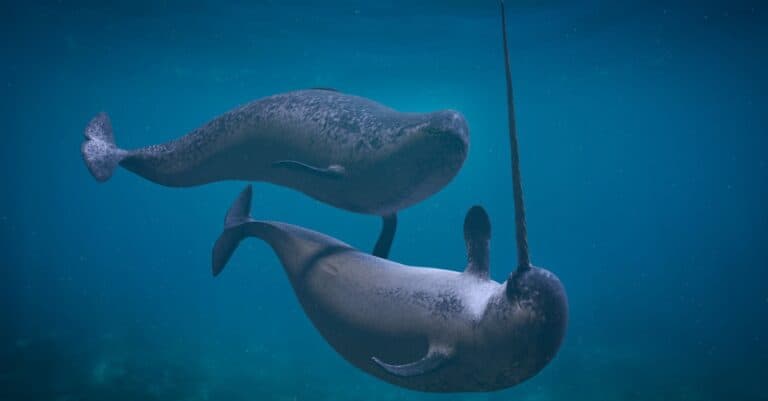
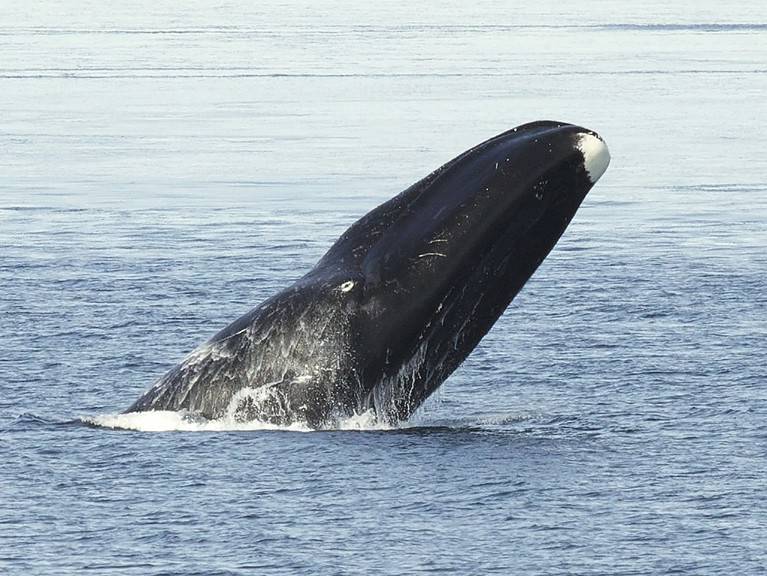
The arrival of temperate, open-water predators marks a profound shift for endemic Arctic species. Ice-associated mammals like narwhals, bowhead whales, and ringed seals have evolved specifically around the protection and stability of sea ice.
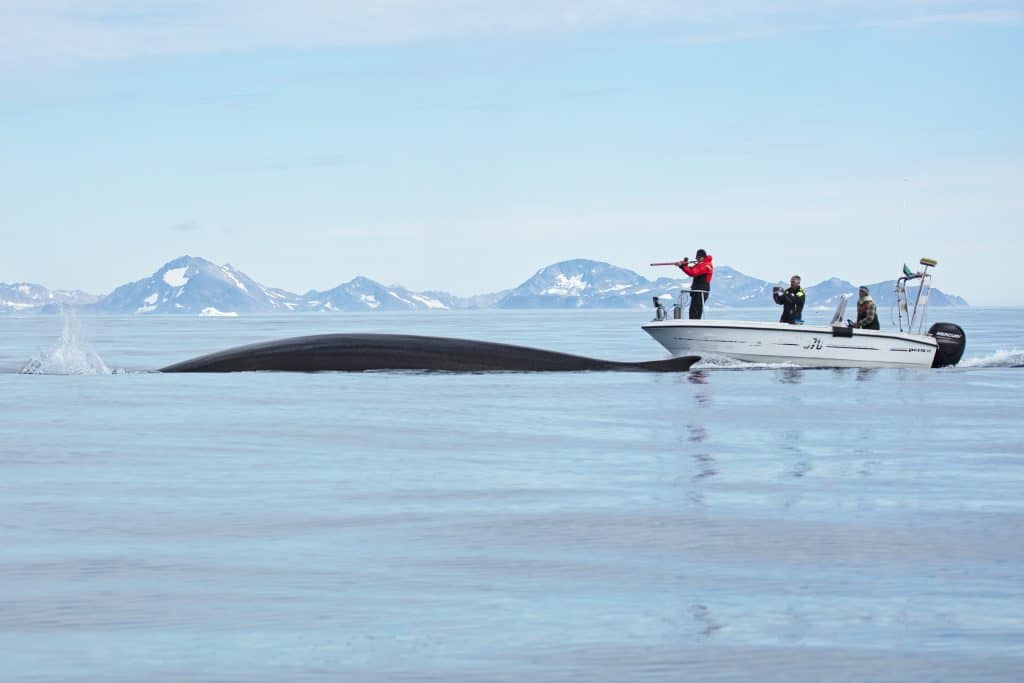
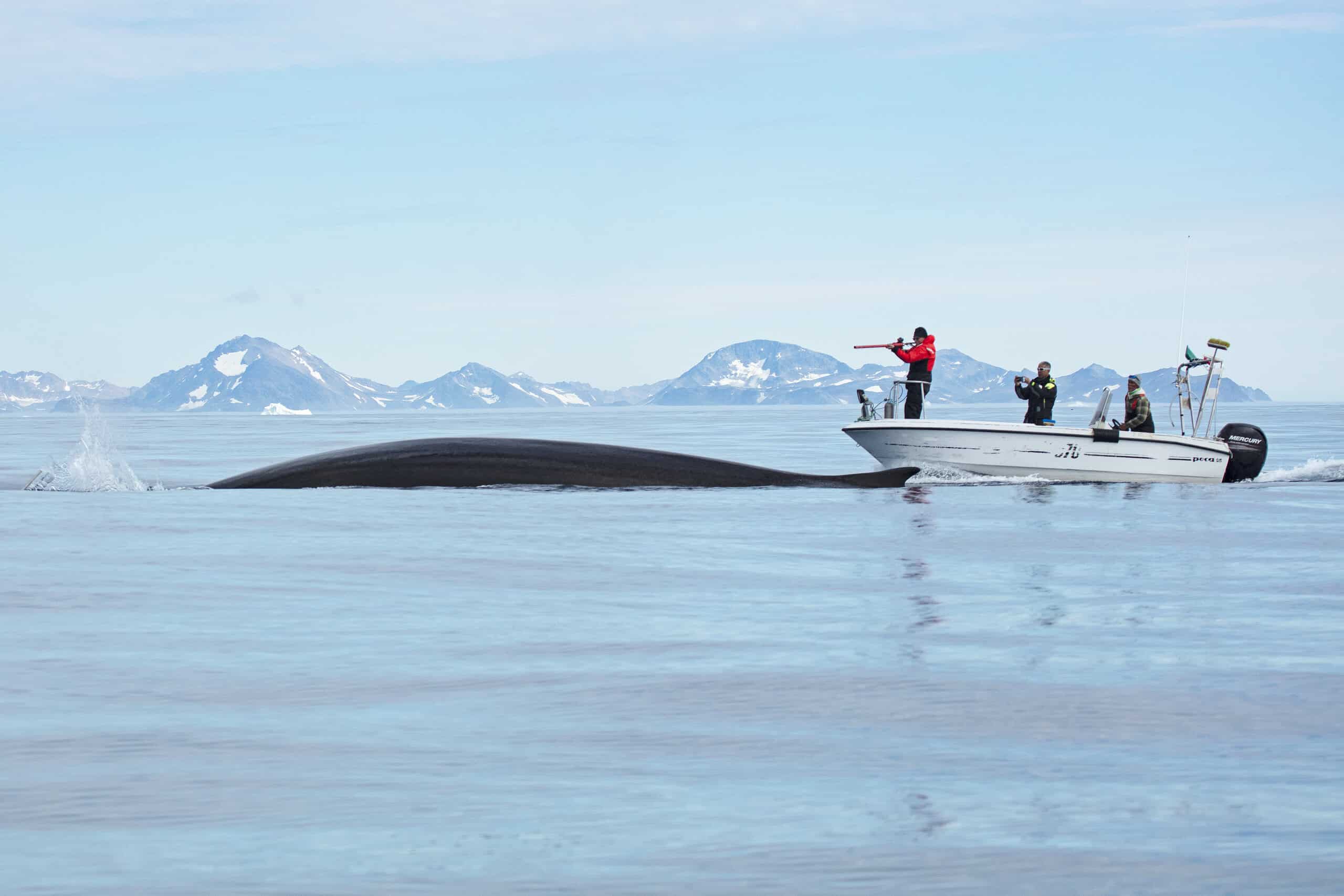
Satellite tagging a fin whale
©Fernando Ugarte
As temperate whales move in, native species face a double threat in the forms of habitat degradation and resource competition. The loss of sea ice strips ice-dependent species of their refuge, breeding platforms, and traditional hunting grounds. Thousands of massive baleen whales consuming metric tons of forage fish every day introduce intense competition into an ecosystem that historically had low predator density.
Inuit hunters along the coast have already noted this shift, reporting changes in where traditional game can be found as temperate invaders establish a permanent summer presence.
What This Means for the Future of Arctic Conservation
The surge of baleen whales into the Greenland Sea demonstrates just how fast ocean ecosystems can reorganize when thermal boundaries break down. A 2°C rise in water temperature might sound modest on paper, but in polar environments, it is the difference between a locked ice cap and a open-water buffet.
As ocean warming continues to reshape marine geography, researchers and conservationists must rethink traditional protection models. Marine protected areas (MPAs) drawn up twenty years ago based on static boundary lines may no longer align with where animals actually live, feed, and migrate.
The baleen whales of East Greenland are proving that life will find a way to adapt to a changing world, but their gain serves as a clear warning sign of how quickly the Arctic as we knew it is disappearing.