
Quick Take
- Scientists fitted nine female southern elephant seals with acoustic recording devices to monitor marine mammals in the Southern Ocean. See why seals are ideal →
- The recordings captured calls from six species of baleen whales, sperm whales and several unidentified dolphin species. Discover the surprise species →
- Antarctic blue whales were detected most frequently, appearing in 134 recordings. Explore the species differences →
- The unusual monitoring method could help scientists learn more about whale distribution and marine life in remote areas that are difficult to study. See the future applications →
The Southern Ocean is one of the richest feeding grounds in the world for marine mammals due to its cold water and high numbers of fish and microorganisms. This makes it a vital habitat for millions of animals, including many species of whales and dolphins. However, its remote location and unpredictable weather also make it one of the most challenging places in the world to study marine animals. Scientists have come up with an unusual way to overcome these challenges by using elephant seals to record audio of nearby animals. By attaching small recording devices to the seals, scientists have been able to listen to whales across thousands of miles of ocean.
How Scientists Used Elephant Seals to Find Whales
There are around ten species of whales and several species of dolphins that live in the Southern Ocean and the surrounding Antarctic waters. Some of these species are permanent residents, and some are only migrating through the area. However, very little is known about their time in the region due to difficulties tracking and monitoring them. Subsequently, it’s difficult to gather data about their populations and the conservation challenges that they face.
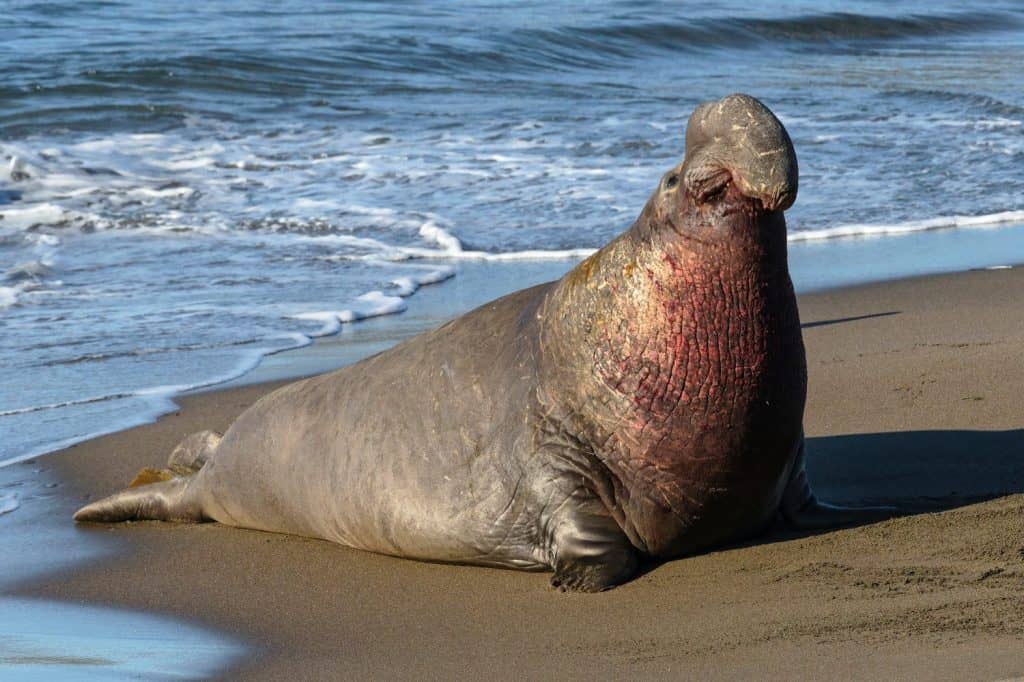
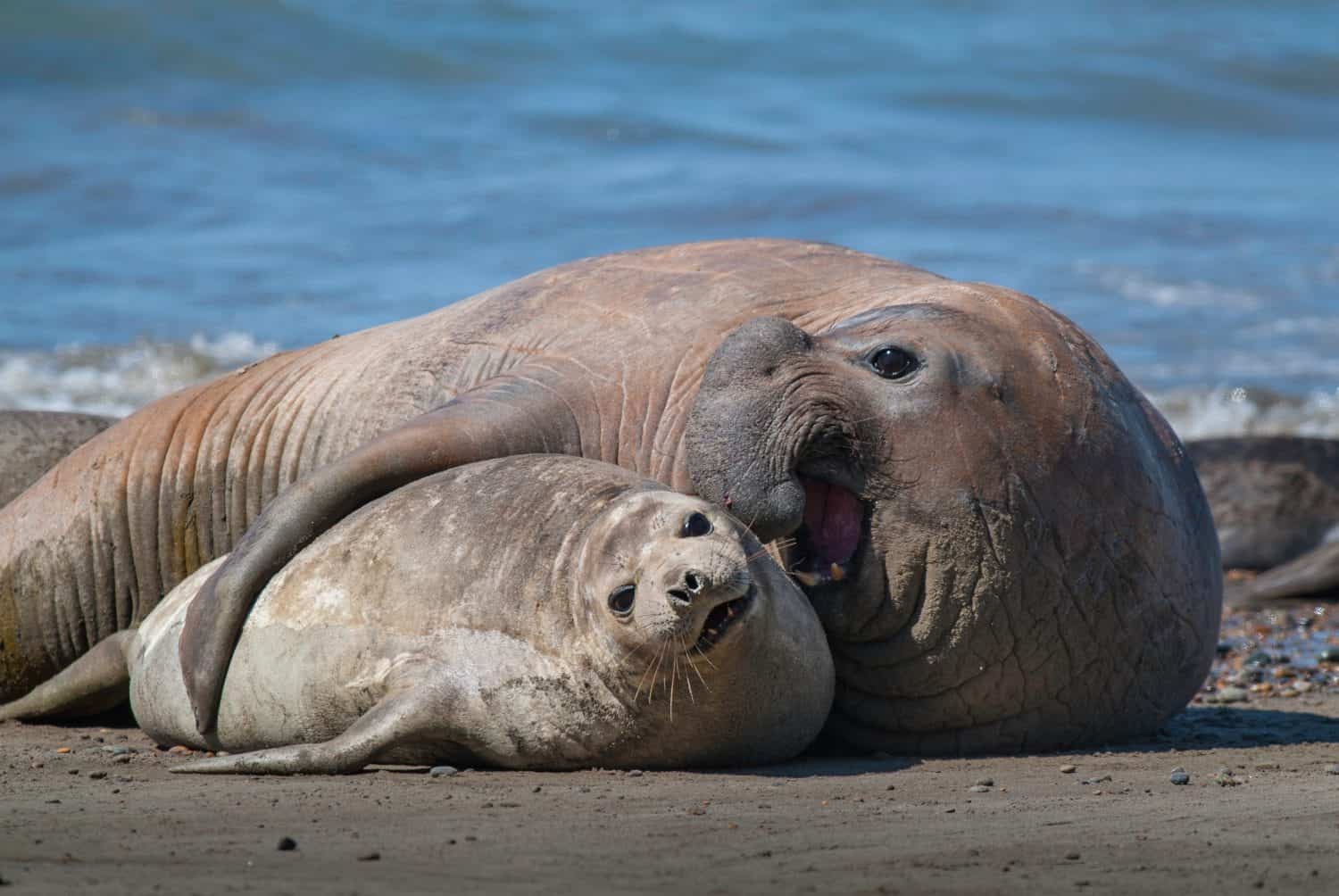
Elephant seals are useful because they spend months at sea.
©David Osborn/Shutterstock.com
Researchers have tried multiple different methods of monitoring these species over the years. Recently, scientists have finally discovered an unusual method that actually works – using southern elephant seals. The idea involves attaching an acoustic recording device to the seal’s head, using a combination of straps and glue. The device can then record sounds of animals in the Southern Ocean, including in the most inaccessible areas. The device itself can then later be removed, and the glued-on base then drops off naturally when the seal moults. Females almost always return to the same sites every year to breed and moult, which makes it easier to retrieve the recording devices.
Elephant seals are the ideal species for this unusual task. They spend several months at sea, covering thousands of miles, and make numerous deep dives every day. Additionally, since they are at sea for such long periods of time, elephant seals have a unique way of sleeping, in which they “drift” down through the water on their backs. The seals are particularly quiet during these drifting periods, which maximizes the chance of their devices picking up whale and dolphin vocalizations in the water. This is important because even swimming creates noise, which makes it difficult to pick up the sounds of other animals.
What Did the Recordings Reveal?
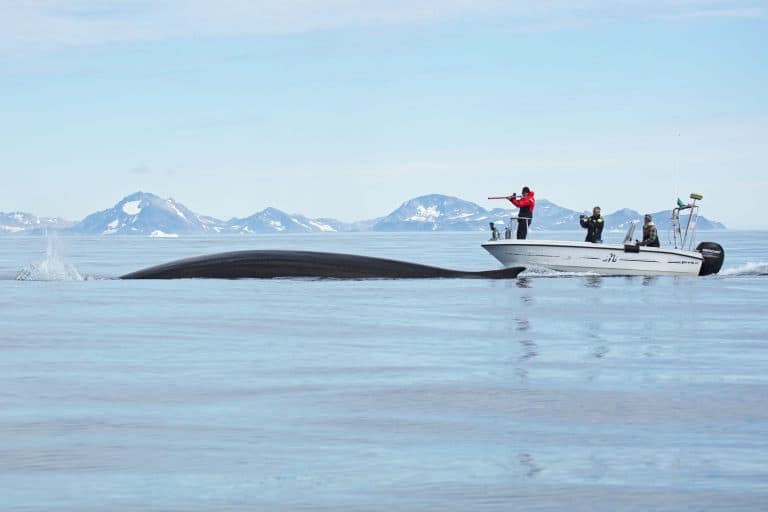
A new study has now revealed the data collected from nine female southern elephant seals that consisted of more than 109 hours of recordings. Six of the seals came from the Kerguelen Islands in the southern Indian Ocean, and three came from Península Valdés in Argentina. The recordings captured vocalizations from six species of baleen whales, as well as sperm whales. The recordings also detected dolphins, although it was not possible to identify the exact species. The detection of dolphins was particularly surprising because the marine mammals can be difficult to spot in the Southern Ocean. This is partly because of their small size and partly due to poor weather conditions. Their inclusion in the recordings means that the devices can reveal animals that might otherwise go undetected.
- Native range
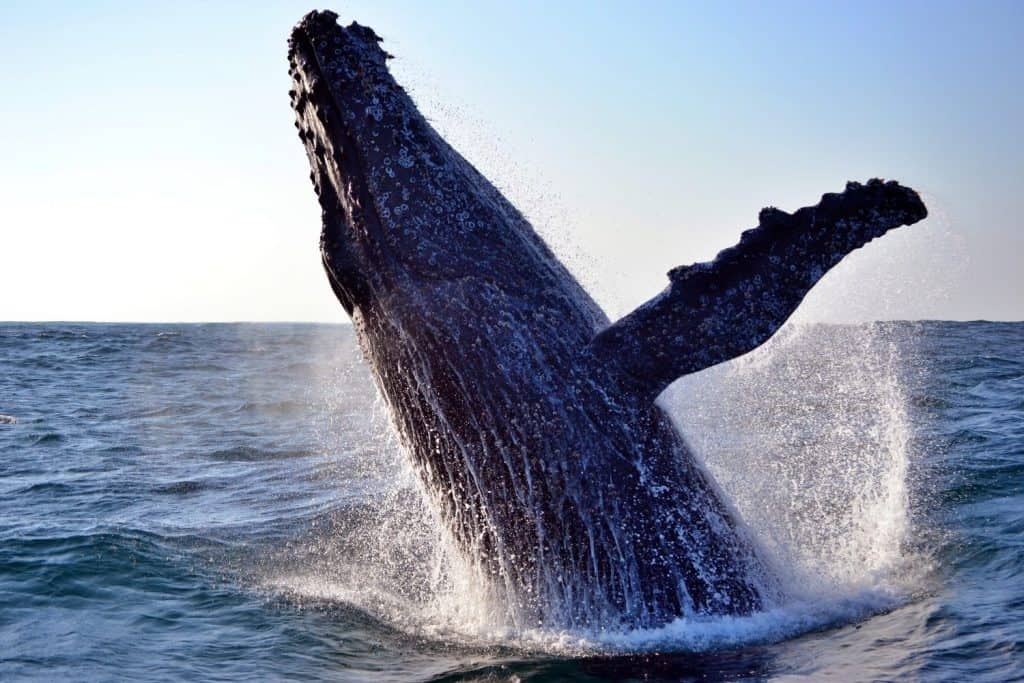
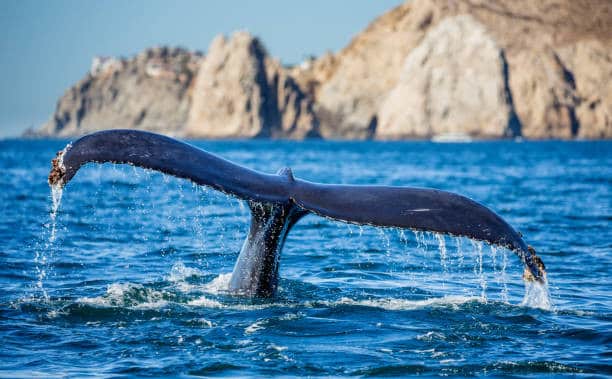
Humpback whales were one of the most frequently recorded species.
©Monica Lozano Subiranas/Shutterstock.com
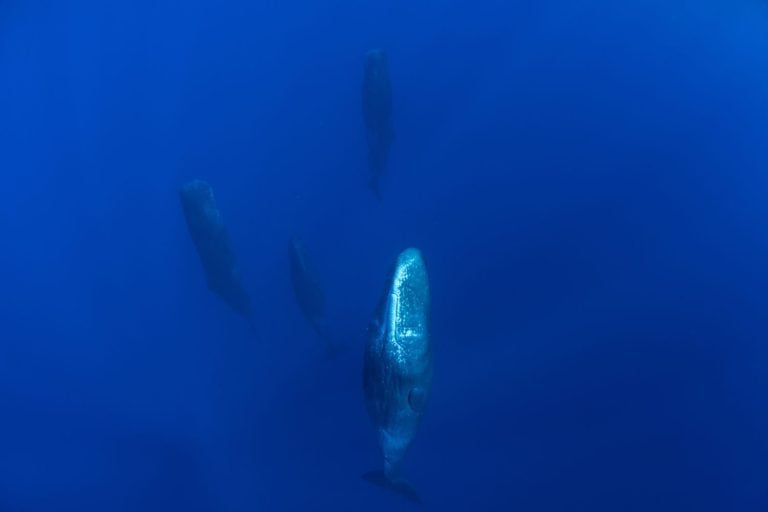
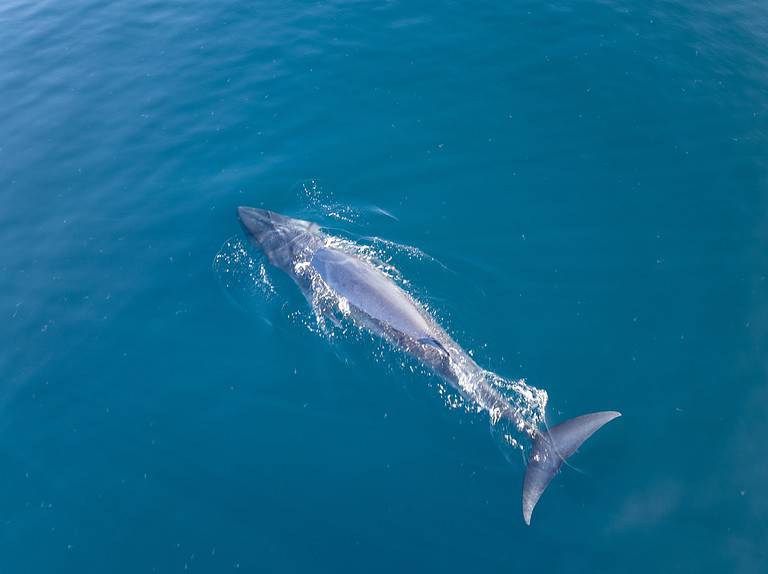
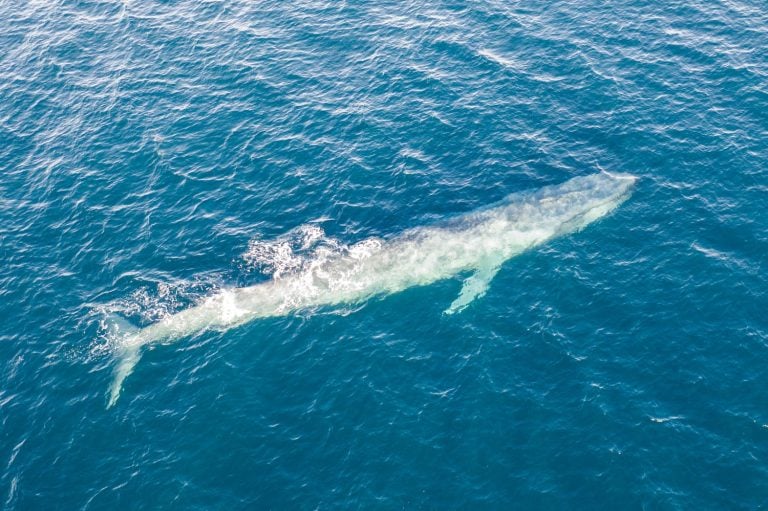
Antarctic blue whales were detected most often, appearing in 134 of the recorded drift phases. Humpback whales were the next most frequently heard, appearing in 54 recordings, followed by sperm whales in 49. Meanwhile, Antarctic minke whales and southern right whales were each heard in just four recordings. The other species recorded included fin whales and sei whales.
The two different groups of seals also revealed some interesting differences. Blue and humpback whales were detected more often by the Kerguelen Islands seals. However, sperm whales were the species most often detected by the seals from Península Valdés. These findings could possibly lead to scientists drawing conclusions about which locations certain species are more frequently found in.
What Could This Research Mean for the Future?
The study has provided a useful insight into the whales that live in the Southern Ocean and the surrounding area. Researchers expect that the unique method could be even more helpful in the years to come. They believe that many more elephant seals could be fitted with acoustic recording devices. This would allow them to expand the study and gather more information on the activity of whales in the Southern Ocean. They also suggest that the recordings might allow them to learn more about the elephant seals themselves, as they could detect the seal’s heartbeat or record them catching and eating prey.
Gathering more recordings could also help scientists gain a clearer picture of where different species are found and when they are most active in those areas. Although sound recordings can’t provide an indication of population size, they can provide a useful way of monitoring species that might otherwise go undetected.