
Quick Take
- A deadly fungus was wiping out Brazil's frogs for decades before scientists even had a name for it, and all along the clues were hiding in plain sight. Origins of the fungus →
- The frogs that showed the least signs of disease were actually the ones dying the fastest, a finding whose explanation is deeply counterintuitive. Explore the paradox →
- Solving a 50-year wildlife cold case required no field work at all. The answer was waiting in some forgotten museum drawers. See the museum findings →
- Some frog populations are rebounding, though not for the reason you'd expect, and the fungus hasn't gone anywhere. Signs of recovery →
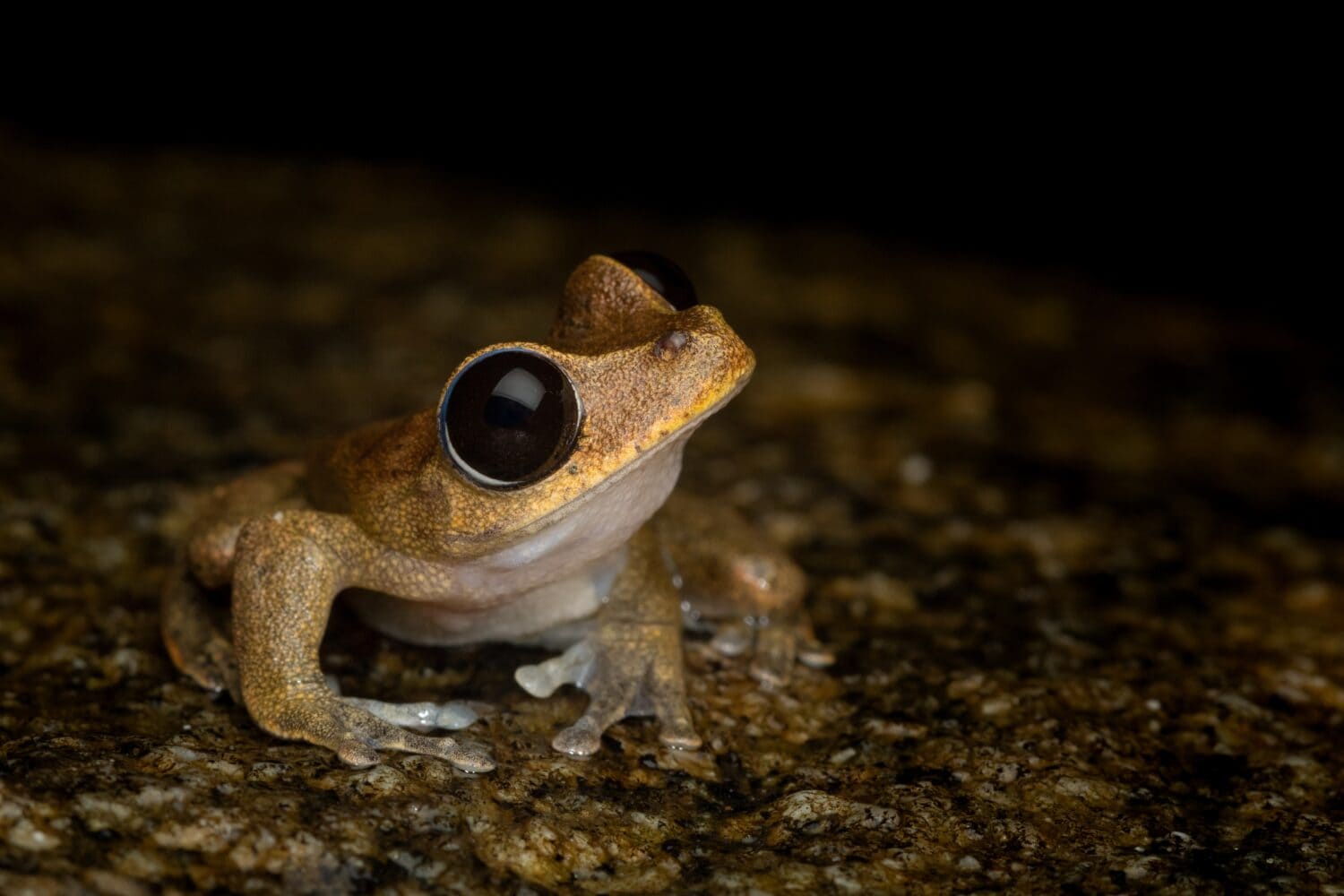
In the 1970s, a catastrophe hit amphibians across the country of Brazil. Frogs, in particular, seemed to experience the brunt of it. Scientists began noticing a sharp decline in frog populations that lived in Brazil’s Atlantic Forest. Despite being one of the world’s most diverse regions for amphibians, it harbored a deadly pathogen in its midst. For a long time, the exact cause of this dramatic decline remained uncertain. Now, a team of scientists may have figured out why.
Researchers from Pennsylvania State University and the Center for Conservation Genomics at the Smithsonian’s National Zoo and Conservation Biology Institute (NZCBI) teamed up to solve the mystery. Their findings, published in the journal Molecular Ecology, point toward chytridiomycosis, a disease caused by the fungus Batrachochytrium dendrobatidis. Also called chytrid, this fungus has led to the extinction of at least 90 amphibian species. Linking this fungus to amphibian deaths in the late 20th century, however, required digging in old museum collections. Let’s learn more about this research, what it tells us about a growing plague, and how the pathogen made its first appearance several decades ago.
Chytrid Plague
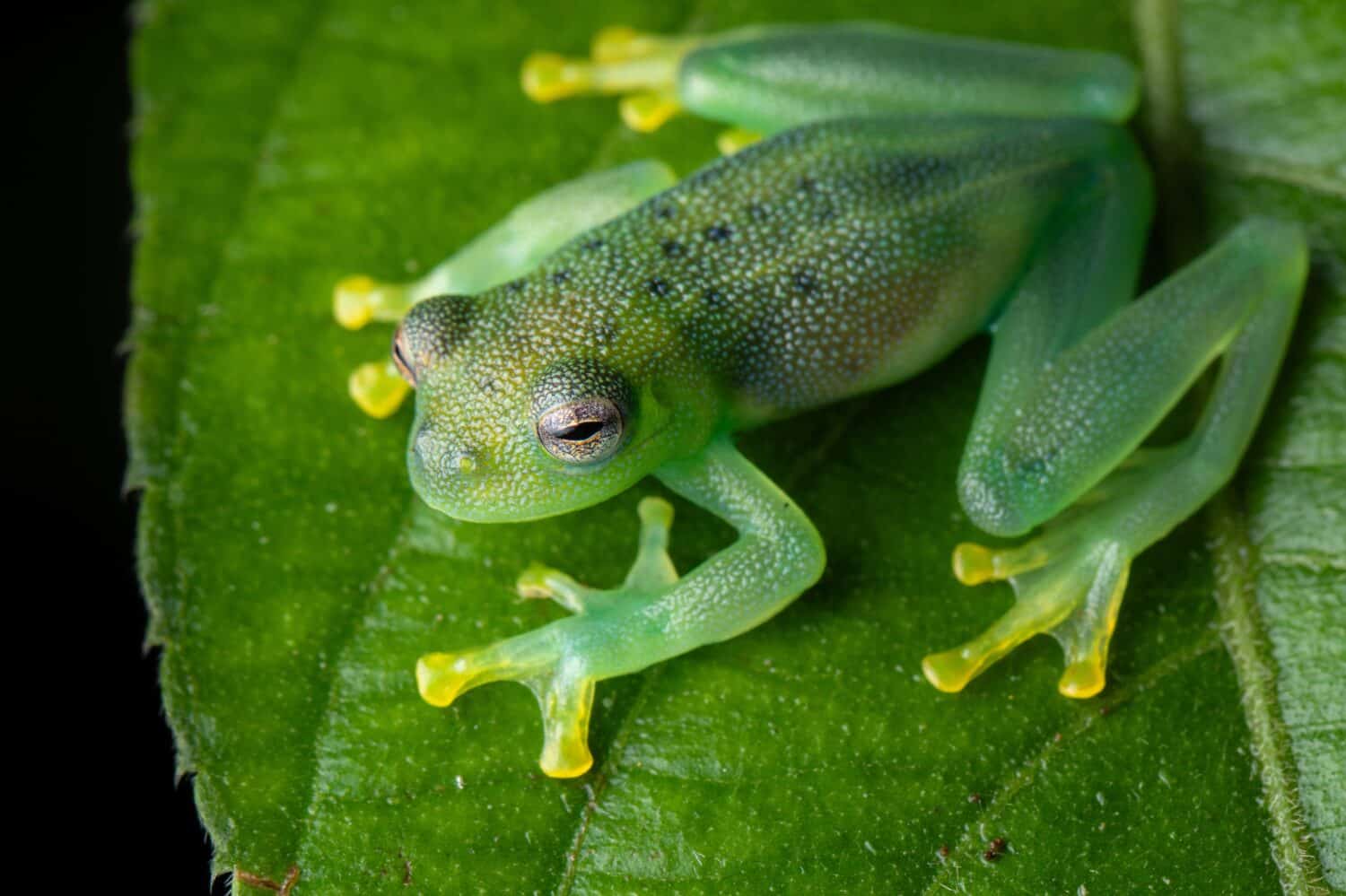
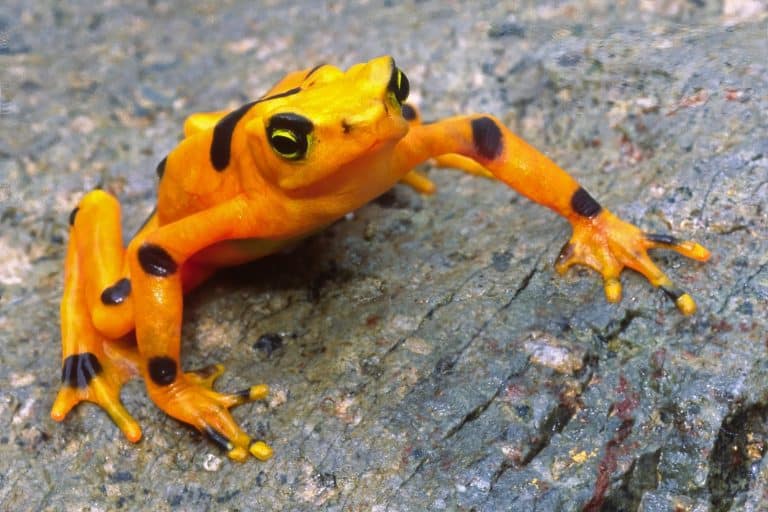
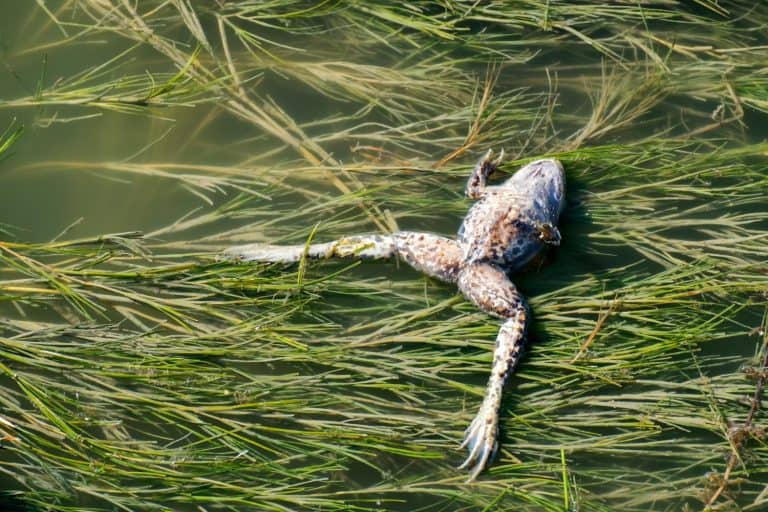
Chytrid fungus has caused severe population declines in roughly 1 of 16 known amphibian species.
©Kevin Venegas Barrantes/Shutterstock.com
Chytridiomycosis, a disease caused by the fungus Batrachochytrium dendrobatidis, made a dramatic appearance on the world stage in the post-World War II period. Back then, however, scientists weren’t exactly sure what was causing amphibians across the world to suffer severe skin problems and die en masse. Indeed, since its widespread spread, chytrid fungus has caused severe population declines in at least 501 amphibian species. Put in perspective, that is roughly 1 in 16 known species.
Scientists believe that Batrachochytrium dendrobatidis originated in Asia and spread across the world from the 1960s onward, reaching global distribution by the early 2000s. The problem was, however, that the disease evaded formal identification until 1999. By then, hundreds of species had disappeared, and scientists couldn’t be completely sure if the blame lay with the recently identified fungus.
501
amphibian species with severe population declines from chytrid fungus, roughly 1 in 16 known species
As Jack Boyette, a NZCBI graduate fellow and lead researcher, explained to Science Daily, “After almost 50 years, we still aren’t confident what caused many historical amphibian die-offs, making these declines some of the most enduring cold cases in wildlife epidemiology.”
This gap in knowledge catalyzed researchers to take a closer look at amphibian decline in Brazil’s Atlantic Forest, a place with severe amphibian population declines between 1979 and 1982.
The Research
The steep decline of amphibians in Brazil’s Atlantic Forest remained something of a mystery until this study. In the past, scientists suggested that factors like climate change or extreme weather events caused amphibians to die off. The team of researchers from the Smithsonian and Pennsylvania State University, however, wanted to find a more definitive link.
As such, they turned to frogs preserved in the Smithsonian’s National Museum of Natural History. The museum houses a variety of specimens collected by William Ronald Heyer during five expeditions. Fortuitously, two of those expeditions at Boracéia occurred before the major population declines and three occurred after. The team then got to work, analyzing samples from over 370 preserved amphibians across multiple species.
The ability to look before and after yielded striking results. The researchers found no evidence of chytrid infection in specimens collected before 1979. More than half of those collected during the 1980s, however, tested positive for Batrachochytrium dendrobatidis. While not definitive, this pattern suggests that the deadly pathogen arrived and spread through the local amphibian population in tandem with the population collapse. As Boyette explained to Science Daily, “While environmental factors could have played a role, our findings most directly implicate the chytrid fungus, revealing that regional invasion of the pathogen coincided with these unexplained amphibian disappearances.”
A Counterintuitive Pattern
In the process of their research, the team found a strange pattern. Frog species that suffered the most extreme population declines showed no detectable signs of infection in preserved specimens. Meanwhile, species with stable populations carried the fungus more frequently. Why?
The researchers believe this pattern is counterintuitive, or at least an example of survivorship bias. Species naturally able to tolerate chytrid fungus survived even while infected. More fragile species, however, likely died from infections so quickly that few infected specimens could be collected.
As Boyette explained to Science Daily, not every species in Brazil’s Atlantic Forest was decimated. He said, “The species that didn’t decline may have naturally tolerated the fungus, allowing them to become infected without suffering mass mortality. By contrast, the species that declined most dramatically may have been so susceptible that infected frogs died before Heyer could collect them.”
Hope and Provenance
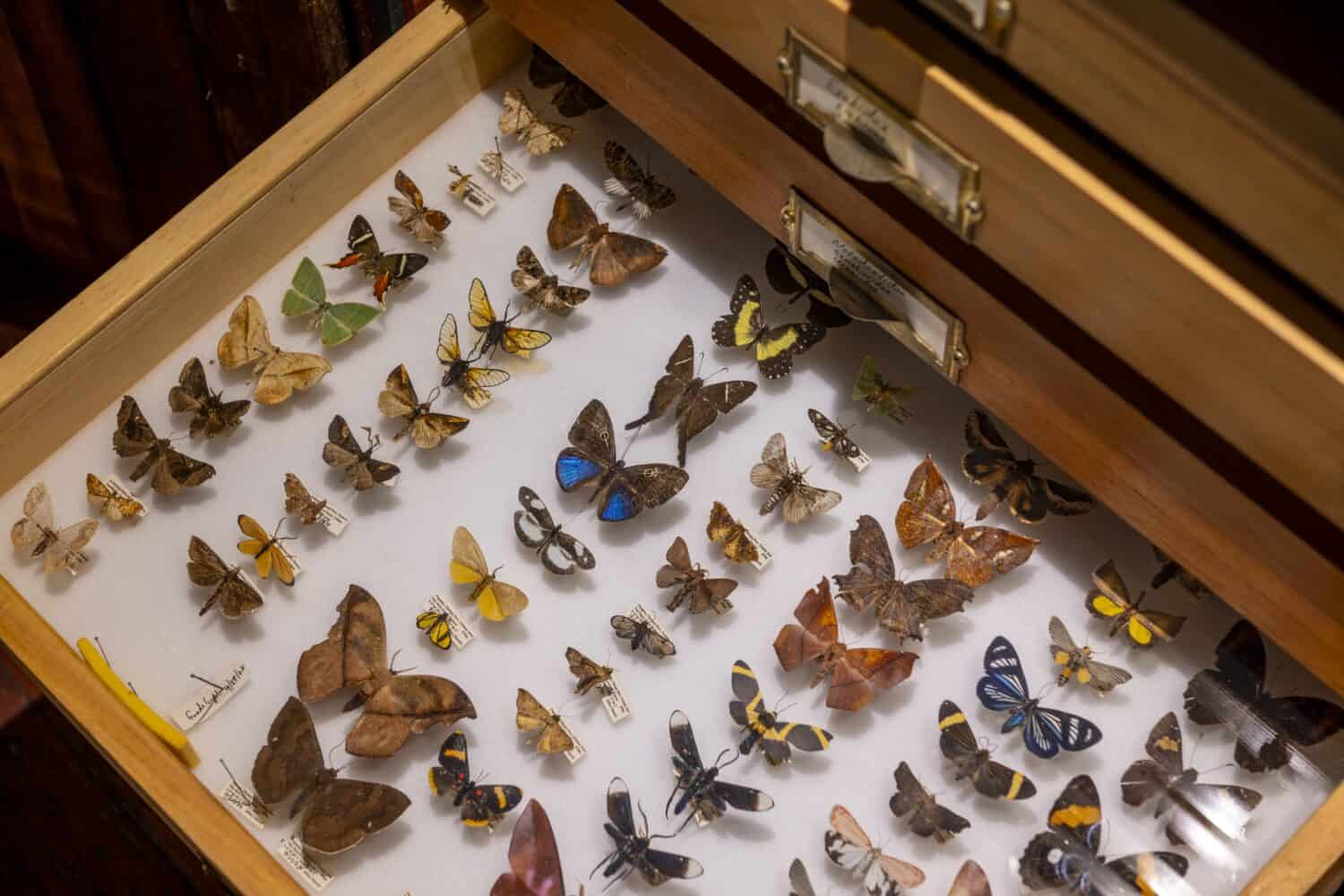
It seems that a heap of discoveries is waiting in old museum collections.
©Alfredo Maiquez/Shutterstock.com
Luckily, surveys indicate that the populations of many of the amphibian species found at Boracéia have since recovered. That, however, does not mean the chytrid fungus has disappeared. Local frogs still show signs of infection, but research indicates that successive generations have developed a greater tolerance to it.
This research highlights the sometimes-subtle distinction between infection and death. And while links have been made, the researchers emphasize how localized their findings were. That is, their results do not necessarily apply to wider amphibian disappearances across the Atlantic Forest. In response, they plan to examine recovered DNA to identify how genetic mechanisms determine amphibian response to chytrid infection.
Museum collectors could not have anticipated how important their collections would be to our modern conservation challenges, but without them, we would never be able to detect pathogens that went unnoticed for decades and reconstruct disease outbreaks that would otherwise remain a mystery.
Ultimately, this work reinforces an increasingly common notion in the world of science: discoveries are waiting in dusty old museum drawers. As Michael Campana, a genomicist at NZCBI and research contributor, explained, museums are hidden gems. He said, “Museum collectors could not have anticipated how important their collections would be to our modern conservation challenges, but without them, we would never be able to detect pathogens that went unnoticed for decades and reconstruct disease outbreaks that would otherwise remain a mystery.”